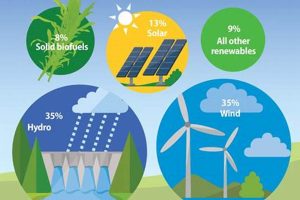
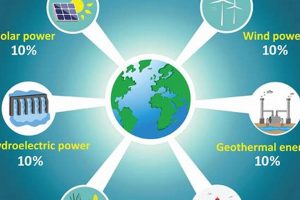
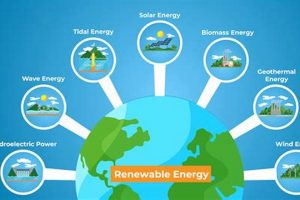
Information concerning naturally replenishing energy resources forms the basis for understanding sustainable power generation. These resources, unlike finite fossil fuels, are continuously replenished by natural processes. Solar radiation, wind currents, geothermal heat, and hydropower are prominent examples.
The utilization of these energy options offers several advantages, including reduced greenhouse gas emissions, diminished dependence on foreign energy markets, and the creation of new economic opportunities in the green technology sector. Historically, harnessing these energies was limited by technological constraints, but advancements have significantly improved their efficiency and cost-effectiveness.
The following sections will delve into specific attributes of several key energy options, examining their operational principles, environmental considerations, and potential for future energy production.
The subsequent recommendations offer insight into effectively understanding and evaluating sustainable power solutions. This information is intended to provide a foundation for informed decision-making regarding energy strategies.
Tip 1: Understand the Resource Availability: Geographic location significantly impacts the viability of particular resources. Solar irradiance levels, wind patterns, and geothermal gradients vary regionally, influencing the potential output of related technologies.
Tip 2: Assess Life Cycle Costs: A comprehensive evaluation necessitates considering initial investment, operational expenses, and decommissioning costs. While upfront expenses may be higher, the long-term operational savings often make these options more financially viable than fossil fuel-based alternatives.
Tip 3: Consider Environmental Impact: Each energy option carries its own set of environmental considerations. Conduct a thorough impact assessment, focusing on land use, water consumption, and potential effects on local ecosystems.
Tip 4: Evaluate Energy Storage Solutions: Intermittency is a challenge for many of these power systems. Pairing them with energy storage systems, such as batteries or pumped hydro, enhances grid stability and ensures continuous power supply.
Tip 5: Investigate Grid Integration Requirements: Integrating distributed energy systems into existing grids requires careful planning and infrastructure upgrades. Understanding grid capacity and regulatory frameworks is essential for seamless integration.
Tip 6: Stay Informed on Technological Advancements: The field is constantly evolving. Keeping abreast of emerging technologies, such as advanced materials and improved energy conversion methods, is crucial for optimizing investment decisions.
Tip 7: Research Government Incentives and Policies: Many jurisdictions offer financial incentives, tax credits, and regulatory support to encourage the adoption of sustainable energy options. Familiarize yourself with available programs to reduce costs and streamline implementation.
In conclusion, informed decision-making necessitates a comprehensive understanding of resource availability, lifecycle costs, environmental impacts, and technological advancements. Proactive planning and continuous monitoring are crucial for maximizing the benefits of sustainable energy investments.
The following sections will explore specific technologies, detailing their operational characteristics and practical applications.
1. Resource Replenishment

The core defining characteristic of a sustainable energy source lies in its capacity for continuous regeneration. This concept, termed “Resource Replenishment,” is inextricably linked to the fundamental nature. Unlike finite resources, such as coal or petroleum, these energy options are derived from processes that naturally recur, thereby ensuring long-term availability. The speed and mechanism of this replenishment are crucial factors in determining the overall viability and sustainability of the energy source.
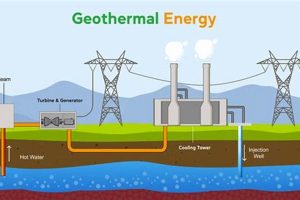
Solar irradiance, for example, is perpetually replenished by the sun’s energy output. Similarly, wind currents are driven by solar heating and atmospheric pressure gradients, which are ongoing processes. Hydroelectric power relies on the water cycle, where evaporation and precipitation continuously refill water reservoirs. Geothermal energy taps into the Earth’s internal heat, which is sustained by radioactive decay within the planet’s core. Biomass energy, while technically replenishable, requires careful management to ensure sustainable harvesting rates and to avoid deforestation or soil degradation. Resource replenishment is the determining factor that can categorize a energy as a renewable one.
Understanding the rate and reliability of replenishment is vital for informed energy planning. Factors such as climate change, which can alter rainfall patterns and wind speeds, must be considered when assessing the long-term potential. Prioritizing practices that protect the integrity of these natural systems is crucial for maintaining the reliability of such energies and ensuring a sustainable energy future. The intrinsic link to continuous replenishment is the bedrock upon which the environmental and economic benefits are built.
2. Environmental Benefits

The adoption of energy options derived from naturally replenishing sources provides a suite of advantages related to environmental preservation and mitigation of ecological harm. Examination of these benefits constitutes a core component in understanding the overall value proposition.
- Reduced Greenhouse Gas Emissions
Combustion of fossil fuels releases substantial quantities of greenhouse gases, contributing to global warming and climate change. Solar, wind, hydro, and geothermal energy systems, in contrast, produce minimal to no direct emissions during operation. This reduction is a key factor in efforts to limit the long-term impacts of climate change and meet international emissions targets.
- Diminished Air and Water Pollution
Traditional energy production processes, such as coal-fired power plants, release pollutants that degrade air and water quality, impacting human health and ecosystems. Power generation from sources typically involves cleaner technologies, thus reducing the release of harmful substances. This improvement translates into lower rates of respiratory illnesses and reduced damage to aquatic environments.
- Decreased Water Consumption
Some conventional power plants require significant amounts of water for cooling processes. Sustainable energy alternatives, such as wind and solar, generally exhibit lower water consumption rates. This is particularly significant in regions facing water scarcity, where conserving water resources is paramount.
- Land Use Considerations
While renewable energy projects can require land, careful planning and siting can minimize habitat disruption and ecological impacts. Furthermore, certain technologies, such as offshore wind farms, can be located in areas with minimal impact on terrestrial ecosystems. The implementation of responsible land management practices is essential for maximizing the environmental advantages.
These environmental benefits underscore the importance of transitioning toward an energy landscape dominated by sustainable sources. Quantifying and understanding these advantages allows for a more informed and comprehensive assessment of the true costs and benefits of various energy production methods, facilitating a shift toward a more sustainable and environmentally responsible future.
3. Technological Advancements

Continuous progress in technology is intrinsically linked to the improved viability and widespread adoption of naturally replenishing energy solutions. These advancements have significantly enhanced efficiency, reduced costs, and addressed limitations associated with intermittent power generation, solidifying their role in the global energy landscape.
- Improved Material Science and Engineering
The development of advanced materials, such as high-efficiency photovoltaic cells and durable wind turbine blades, has led to increased energy conversion rates and prolonged lifespan of energy systems. For instance, perovskite solar cells offer potentially higher efficiencies compared to traditional silicon-based cells. Improved blade design reduces wear and tear on turbines, maximizing energy capture over extended periods.
- Enhanced Energy Storage Technologies
A key challenge in utilizing many energy forms is their intermittent nature. Advancements in energy storage technologies, including lithium-ion batteries, flow batteries, and pumped hydro storage, have enabled more reliable and consistent energy delivery. Large-scale battery storage facilities can store excess energy generated during peak production periods and release it when demand exceeds supply.
- Smart Grid Integration and Optimization
The integration of distributed energy systems into existing power grids requires intelligent control and optimization. Smart grid technologies, including advanced sensors, communication networks, and data analytics, enable real-time monitoring, automated control, and optimized energy distribution. These advancements enhance grid stability and facilitate the seamless integration of distributed generation sources.
- Advanced Manufacturing Processes
Technological innovation in manufacturing plays a crucial role in reducing production costs and increasing scalability. Automation, 3D printing, and other advanced manufacturing techniques enable the mass production of components at lower costs, making them more competitive with fossil fuel-based technologies. Streamlined production processes reduce lead times and facilitate rapid deployment of energy projects.
These technological developments contribute significantly to the expanding accessibility and practicality of energy solutions. As innovation continues, energy sources become increasingly competitive, driving a transition toward a more sustainable and resilient energy future. The combined effect of these advancements is a reduced reliance on conventional power generation methods and a strengthened commitment to environmentally sound power solutions.
4. Economic Viability

The economic dimension of naturally replenishing energy sources has evolved into a critical aspect, transitioning from a niche consideration to a pivotal factor in global energy strategies. The following points outline key facets of this economic viability, as informed by the underlying evidence.
- Decreasing Levelized Cost of Energy (LCOE)
The Levelized Cost of Energy (LCOE), a metric that accounts for the total lifetime cost of an energy project divided by its energy production, has declined significantly for many energy sources. Utility-scale solar and wind projects now often exhibit lower LCOEs than conventional fossil fuel plants, enhancing their economic competitiveness. This cost reduction is driven by technological advancements, economies of scale, and competitive bidding processes.
- Job Creation and Economic Growth
The renewable energy sector is a source of employment and economic growth, creating jobs in manufacturing, installation, maintenance, and research. Investments in power technologies stimulate local economies, foster innovation, and promote workforce development. This job creation extends across various skill levels, contributing to broader economic diversification.
- Energy Security and Reduced Price Volatility
Reliance on domestic resources enhances energy security and reduces exposure to volatile global fossil fuel markets. Generating power from local renewable resources insulates economies from price fluctuations and supply disruptions, providing greater economic stability and predictability for businesses and consumers.
- Investment Opportunities and Market Growth
The renewable energy sector offers attractive investment opportunities for both private and public entities. Global investments in sustainable energy are increasing, driven by favorable policies, technological advancements, and growing awareness of climate change risks. This investment fuels further innovation, expands market opportunities, and supports the continued growth of the renewable energy industry.
These factors collectively demonstrate the increasing economic viability and attractiveness of harnessing the power of sustainable sources. As costs continue to decline, technologies improve, and markets expand, these resources are poised to play an increasingly dominant role in shaping the global energy landscape.
5. Energy Security

The convergence of energy security objectives and an understanding of attributes related to naturally replenishing sources represents a strategic imperative for nations seeking to bolster their energy independence and economic resilience. Reducing reliance on volatile global fossil fuel markets and diversifying energy supply are key components of this objective.
- Diversification of Energy Supply
Integrating a spectrum of sources into the energy mix mitigates the risk associated with dependence on a single fuel type or geographic region. This strategy helps guard against supply disruptions caused by geopolitical instability, natural disasters, or infrastructure failures. For example, a country heavily reliant on imported natural gas can enhance its energy security by investing in domestic solar, wind, and geothermal energy projects, reducing its vulnerability to price fluctuations and supply interruptions.
- Decentralized Energy Generation
The deployment of distributed generation technologies, such as rooftop solar panels and small-scale wind turbines, empowers local communities to generate their own electricity, lessening their dependence on centralized power plants and transmission networks. This decentralized model enhances grid resilience and reduces vulnerability to large-scale outages. Microgrids powered by distributed energy systems can provide backup power to critical infrastructure, such as hospitals and emergency services, during grid disruptions.
- Reduced Exposure to Price Volatility
Fossil fuel prices are subject to significant fluctuations due to geopolitical events, supply disruptions, and market speculation. Energy sources, with their predictable operating costs and minimal fuel requirements, offer a hedge against price volatility. Long-term power purchase agreements (PPAs) for projects provide price certainty and stability, enabling businesses and consumers to budget their energy expenses more effectively.
- Enhanced Grid Resilience
Integrating these systems into the grid can enhance its overall resilience and stability. Smart grid technologies and advanced control systems enable real-time monitoring, automated control, and optimized energy distribution. These technologies facilitate the seamless integration of distributed generation sources and improve the grid’s ability to withstand disruptions, such as cyberattacks or extreme weather events.
The pursuit of energy security through the adoption of naturally replenishing sources requires a multifaceted approach encompassing policy support, technological innovation, and infrastructure investment. By embracing these technologies, nations can enhance their energy independence, strengthen their economies, and build a more secure and sustainable energy future.
Frequently Asked Questions
This section addresses common inquiries and clarifies prevailing misconceptions concerning the characteristics and implementation of naturally replenishing energy sources.
Question 1: Are technologies inherently unreliable due to their dependence on weather conditions?
Intermittency poses a challenge, particularly for solar and wind energy. However, the deployment of energy storage systems and smart grid technologies mitigates these limitations. Furthermore, geographic diversity in project locations helps to smooth out fluctuations in energy supply.
Question 2: Do technologies require extensive land use, potentially impacting ecosystems?
Land use considerations are crucial, but careful planning can minimize environmental impacts. Offshore wind farms, for example, have minimal impact on terrestrial ecosystems. Integrating solar panels into existing infrastructure, such as rooftops, can also reduce land requirements.
Question 3: What is the overall lifecycle environmental impact, considering manufacturing and disposal?
A comprehensive lifecycle assessment is essential. While manufacturing of components requires energy and resources, the long-term environmental benefits of reduced emissions and pollution typically outweigh these initial impacts. Research into sustainable materials and recycling processes further minimizes environmental footprint.
Question 4: How do prices compare to those of traditional fossil fuels?
The Levelized Cost of Energy (LCOE) for many options has decreased significantly, making them competitive with or even cheaper than fossil fuels in many regions. Government incentives and technological advancements continue to drive down costs.
Question 5: Can developing nations afford the initial investment required for implementation?
Financing mechanisms, such as international aid, private investment, and public-private partnerships, can help developing nations overcome upfront cost barriers. Furthermore, the long-term economic benefits of energy security and reduced fuel costs can outweigh the initial investment.
Question 6: What is the potential for these types of energy to meet global energy demand?
Studies indicate that a combination of options, coupled with energy efficiency measures and smart grid infrastructure, has the potential to meet a significant portion of global energy demand. Continued technological innovation and policy support are crucial for realizing this potential.
In summary, addressing common concerns requires a nuanced understanding of the evolving technologies, economic factors, and environmental considerations associated with these energy options. Ongoing research and informed policy decisions are essential for maximizing the benefits and minimizing the challenges.
The subsequent section delves into policy implications and the future outlook for the global landscape.
Conclusion
The preceding analysis has explored various facets pertaining to naturally replenishing energy sources, emphasizing resource replenishment, environmental benefits, technological advancements, economic viability, and energy security. Information presented underscores their increasing importance as viable alternatives to conventional fossil fuels.
Continued research, strategic policy implementation, and sustained investment are crucial for realizing the full potential in transforming the global energy landscape. A comprehensive understanding of objective and realistic assessments will drive informed decision-making and facilitate a responsible transition toward a more sustainable energy future.