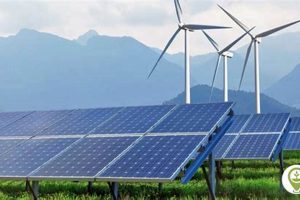
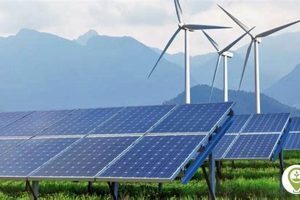
Sustainable power generation that minimizes wasted resources while maximizing output is achieved through technologies harnessing sources like solar, wind, hydro, and geothermal power. For example, advancements in photovoltaic cell technology increase the percentage of sunlight converted into electricity, reducing material needs and land usage for the same power output.
This approach to power generation offers numerous advantages, including reduced reliance on finite fossil fuels, mitigation of greenhouse gas emissions, and decreased air and water pollution. Historically, renewable energy sources were often less efficient and more expensive than conventional options. However, ongoing research and development have dramatically improved the efficiency and affordability of these technologies, making them increasingly competitive and vital for a sustainable future.
The following sections will explore specific advancements in various renewable energy technologies, examining their efficiency gains, economic impact, and potential for future development.
Tips for Maximizing Sustainable Energy Practices
Implementing sustainable energy practices requires careful consideration of various factors, from technological choices to individual actions. The following tips provide guidance for maximizing the effectiveness of these practices.
Tip 1: Optimize Building Design: Structures should be designed to minimize energy consumption through passive heating and cooling strategies, such as proper insulation, natural ventilation, and optimal window placement. Utilizing energy modeling software during the design phase can identify potential inefficiencies and optimize energy performance.
Tip 2: Prioritize Energy-Efficient Appliances and Lighting: Selecting appliances and lighting with high energy efficiency ratings significantly reduces electricity consumption. Look for certifications like Energy Star and consider using smart home technology to automate and optimize energy usage.
Tip 3: Invest in Smart Grid Technologies: Smart grids enhance the efficiency and reliability of electricity delivery by enabling real-time monitoring and control of energy flow. This allows for better integration of renewable energy sources and reduces transmission losses.
Tip 4: Support Community Solar and Wind Projects: Participating in community-based renewable energy initiatives provides access to clean energy even for those who cannot install their own systems. This fosters local energy production and reduces reliance on centralized power plants.
Tip 5: Advocate for Policy Changes: Supporting policies that incentivize renewable energy development and energy efficiency is crucial for widespread adoption. This includes advocating for renewable portfolio standards, tax incentives, and building codes that prioritize sustainable practices.
Tip 6: Conduct Regular Energy Audits: Periodic energy audits identify areas for improvement in energy consumption and can reveal hidden inefficiencies. Professional audits provide detailed recommendations for optimizing energy performance in homes and businesses.
Tip 7: Embrace Sustainable Transportation: Promoting the use of electric vehicles, public transportation, and cycling reduces reliance on fossil fuels and minimizes greenhouse gas emissions. Investing in charging infrastructure and bike-friendly infrastructure further supports these efforts.
By adopting these strategies, significant progress can be made towards a more sustainable energy future. These actions not only reduce environmental impact but also contribute to long-term economic benefits and energy independence.
The concluding section will summarize the key findings and offer a perspective on the future of sustainable energy.
1. Optimized Energy Generation

Optimized energy generation forms a cornerstone of energy-efficient renewable systems. It represents the pursuit of maximizing the energy output from renewable sources while minimizing waste throughout the generation and delivery process. This connection is crucial because the inherent intermittency of some renewable sources, such as solar and wind, necessitates efficient capture and utilization to ensure a reliable power supply. Improvements in turbine design for wind energy, for example, allow for greater energy capture from varying wind speeds, while advancements in photovoltaic technology increase the conversion efficiency of solar panels, yielding higher electricity output from the same amount of sunlight. These optimizations directly impact the overall efficiency of the renewable energy system.
The practical significance of optimized energy generation extends beyond simply increasing power output. It directly influences the economic viability of renewable energy projects. Higher conversion rates translate to lower costs per unit of energy produced, making renewable energy more competitive with conventional energy sources. Furthermore, optimized generation reduces the environmental footprint by minimizing the land area required for energy production. For instance, higher efficiency solar panels require less space to generate the same amount of power, reducing habitat disruption and land use conflicts. The continued development and implementation of optimization strategies are essential for realizing the full potential of renewable energy technologies.
In summary, optimized energy generation is intrinsically linked to the success of energy-efficient renewable systems. It enhances not only the technical performance but also the economic and environmental benefits of these technologies. Overcoming challenges in optimizing energy capture, conversion, and distribution remains a critical focus for ongoing research and development, paving the way for a more sustainable energy future. This underscores the importance of continued investment in research and development, focusing on areas such as grid management, energy storage, and next-generation renewable technologies.
2. Reduced Environmental Impact
Minimizing environmental harm is a primary driver and a significant benefit of energy-efficient renewable technologies. Their adoption offers a pathway toward mitigating climate change and reducing various forms of pollution associated with conventional energy generation. Exploring the multifaceted connection between reduced environmental impact and energy-efficient renewables reveals the breadth of their ecological advantages.
- Greenhouse Gas Emission Reduction
Renewable energy sources produce little to no greenhouse gases during operation, unlike fossil fuel-based power plants. This fundamental difference significantly reduces the contribution to climate change. For example, a wind farm displaces the need for a coal-fired power plant, eliminating the associated carbon dioxide emissions. This mitigation effect is crucial for achieving global climate goals and limiting the impacts of rising temperatures.
- Improved Air Quality
Conventional power generation contributes significantly to air pollution through the release of pollutants such as sulfur dioxide, nitrogen oxides, and particulate matter. Renewable sources, by contrast, generate electricity without these harmful emissions. The transition to renewable energy improves air quality, leading to public health benefits, including reduced respiratory illnesses and cardiovascular problems. For instance, replacing coal plants with solar farms in urban areas can dramatically improve local air quality and reduce smog.
- Water Conservation
Many conventional power plants require substantial amounts of water for cooling purposes, placing stress on water resources, particularly in arid regions. Renewable technologies such as solar and wind have significantly lower water requirements. This water conservation benefit is crucial for maintaining ecological balance and ensuring access to clean water for other uses, such as agriculture and human consumption. Concentrated solar power plants, while requiring some water for cooling, generally use far less than traditional thermoelectric plants.
- Reduced Land Degradation
While renewable energy projects can have land use impacts, they are often less extensive and disruptive than those associated with fossil fuel extraction. For example, while wind farms require land for turbine placement and access roads, they allow for continued agricultural use within the farm footprint, unlike strip mining for coal which drastically alters the landscape. Furthermore, the adoption of rooftop solar minimizes land use requirements altogether. Implementing strategies to minimize land use impacts is crucial for maximizing the environmental benefits of renewable energy.
The reduced environmental impact associated with energy-efficient renewables is not just an ancillary benefit but a core feature driving their development and adoption. These benefits, spanning climate change mitigation, air and water quality improvements, and minimized land degradation, collectively contribute to a healthier and more sustainable environment. As technology continues to advance, the environmental advantages of renewable energy will only become more pronounced, solidifying their role in a sustainable future. This emphasizes the interconnectedness of these benefits and their crucial role in shaping a sustainable future.
3. Technological Advancements
Technological advancements are intrinsically linked to the increasing efficiency and viability of renewable energy sources. These advancements drive improvements in energy capture, conversion, storage, and grid integration, pushing the boundaries of what is possible with renewable energy. This progress impacts not only the technical performance of these systems but also their economic competitiveness and environmental benefits. Understanding the cause-and-effect relationship between technological progress and efficient renewable energy is critical for fostering continued innovation and achieving a sustainable energy future.
Specific examples illustrate the transformative power of technological innovation in the renewable energy sector. Advancements in photovoltaic cell technology, such as the development of perovskite solar cells, have led to significant increases in solar panel efficiency, enabling greater power output from smaller areas. Similarly, the development of more aerodynamic and efficient wind turbine designs, coupled with advanced control systems, allows for greater energy capture from wind resources. Furthermore, breakthroughs in battery technology are improving energy storage solutions, addressing the intermittency challenges associated with solar and wind power. These storage solutions enable a more reliable and consistent flow of renewable energy into the grid, even when the sun isn’t shining or the wind isn’t blowing. The practical significance of these advancements is evident in the declining costs of renewable energy, making it increasingly competitive with conventional energy sources.
The ongoing pursuit of technological breakthroughs in renewable energy faces various challenges. Improving the efficiency and durability of energy storage systems remains a key focus. Developing cost-effective solutions for grid modernization and integration of renewable sources is crucial for ensuring a stable and reliable power supply. Furthermore, research into next-generation renewable technologies, such as wave energy converters and advanced biofuels, holds the potential to further diversify the renewable energy portfolio. Overcoming these challenges requires sustained investment in research and development, collaboration between academia and industry, and supportive policy frameworks. Continued progress in these areas will not only unlock the full potential of renewable energy but also contribute significantly to mitigating climate change and ensuring a sustainable energy future.
4. Economic Viability

Economic viability is a crucial factor determining the widespread adoption and long-term success of energy-efficient renewable technologies. The relationship between economic viability and these technologies is complex and multifaceted, encompassing factors such as initial investment costs, operating expenses, return on investment, and broader economic impacts. Understanding this relationship is essential for policymakers, investors, and the public alike.
A key aspect of economic viability is the decreasing cost of renewable energy technologies. Driven by technological advancements, economies of scale, and supportive policies, the cost of solar and wind power has fallen dramatically in recent years, making them increasingly competitive with conventional energy sources. This cost reduction is a significant driver of increased investment in renewable energy projects. Furthermore, the operating costs of renewable energy systems are generally lower than those of fossil fuel-based power plants, as they require no fuel purchases and have fewer moving parts, leading to reduced maintenance expenses. This lower operating cost contributes to the long-term economic attractiveness of renewable energy investments. Real-world examples, such as the rapid growth of solar and wind farms in regions with favorable policy environments and abundant renewable resources, demonstrate the increasing economic competitiveness of these technologies.
The economic benefits of energy-efficient renewables extend beyond the direct costs of energy production. Investments in renewable energy create jobs in manufacturing, installation, maintenance, and research and development. Furthermore, the transition to a renewable energy-based economy reduces dependence on volatile fossil fuel markets, enhancing energy security and price stability. However, challenges remain. The upfront costs of renewable energy projects can still be significant, requiring innovative financing mechanisms and supportive policies to overcome these barriers. Intermittency issues associated with some renewable sources necessitate investments in energy storage solutions, which can add to the overall cost. Despite these challenges, the continued decline in renewable energy costs, coupled with growing awareness of the long-term economic and environmental benefits, suggests a strong trajectory towards a more sustainable and economically viable energy future. Addressing these challenges through policy support, technological innovation, and public awareness will be crucial for unlocking the full economic potential of energy-efficient renewable technologies.
5. Grid Integration

Grid integration is essential for maximizing the effectiveness and realizing the full potential of energy-efficient renewable sources. This integration involves seamlessly connecting renewable energy generation facilities, such as solar and wind farms, to the existing electricity grid infrastructure. The relationship between grid integration and energy-efficient renewables is symbiotic; efficient integration enables greater utilization of renewable energy, while the increasing penetration of renewables necessitates grid modernization and adaptation. This connection has profound implications for the reliability, stability, and sustainability of the electricity supply.
The intermittent nature of certain renewable energy sources, particularly solar and wind power, presents unique challenges for grid integration. The output of these sources fluctuates depending on weather conditions, requiring sophisticated grid management strategies to ensure a stable and continuous power supply. Smart grid technologies, including advanced metering infrastructure, real-time monitoring systems, and demand-response programs, play a crucial role in addressing these challenges. These technologies enable grid operators to anticipate and respond to fluctuations in renewable energy generation, optimizing the balance between supply and demand. For instance, demand-response programs incentivize consumers to reduce electricity consumption during peak demand periods, minimizing the need for additional generation from conventional sources and facilitating greater integration of variable renewable energy. Similarly, advanced forecasting models, combined with real-time data from weather sensors and renewable energy facilities, allow grid operators to predict and manage fluctuations in renewable energy output, optimizing grid stability and preventing blackouts. Real-world examples, such as the integration of large-scale solar and wind farms into the electricity grids of California and Texas, demonstrate the feasibility and increasing sophistication of grid integration strategies.
Effective grid integration is crucial for achieving a sustainable energy future. It enables higher penetration of renewable energy sources, reducing reliance on fossil fuels and mitigating greenhouse gas emissions. Furthermore, grid modernization and integration support the development of a more resilient and flexible electricity system, better equipped to withstand disruptions from extreme weather events and other unforeseen circumstances. However, challenges remain, including the need for continued investment in grid infrastructure, the development of advanced energy storage solutions to address intermittency, and the implementation of regulatory frameworks that promote efficient grid integration. Overcoming these challenges will require collaborative efforts between governments, utilities, technology providers, and consumers. The ongoing evolution and refinement of grid integration strategies are essential for unlocking the full potential of energy-efficient renewables and ensuring a reliable, affordable, and sustainable electricity supply for future generations.
Frequently Asked Questions
This section addresses common inquiries regarding energy-efficient renewable technologies, aiming to provide clear and concise information.
Question 1: How do energy-efficient renewable technologies contribute to environmental sustainability?
Renewable energy sources produce minimal greenhouse gas emissions during operation, reducing the impact on climate change. Their use also minimizes air and water pollution associated with conventional energy generation, leading to a cleaner and healthier environment.
Question 2: What are the primary economic benefits of transitioning to energy-efficient renewable sources?
Transitioning to renewable energy creates economic opportunities through job creation in manufacturing, installation, maintenance, and research. It also reduces reliance on volatile fossil fuel markets, enhancing energy independence and price stability.
Question 3: How do advancements in technology impact the efficiency of renewable energy systems?
Technological advancements lead to improved energy capture, conversion, and storage. For example, more efficient solar panels generate more electricity from the same amount of sunlight, and advanced wind turbine designs maximize energy capture from varying wind speeds.
Question 4: What role does energy storage play in maximizing the effectiveness of renewable energy?
Energy storage addresses the intermittent nature of sources like solar and wind. Storing excess energy generated during peak production periods allows for consistent power delivery even when the sun isn’t shining or the wind isn’t blowing, enhancing grid stability.
Question 5: What are the key challenges associated with integrating renewable energy sources into existing power grids?
Integrating variable renewable energy sources requires sophisticated grid management strategies to balance fluctuating power supply and demand. Grid modernization efforts, including smart grid technologies and demand-response programs, are crucial for ensuring grid stability and reliability.
Question 6: How can individuals and communities contribute to the adoption of energy-efficient renewable technologies?
Individuals can support renewable energy by investing in energy-efficient appliances, exploring community solar or wind projects, and advocating for policies that incentivize renewable energy development. Communities can promote sustainable practices through local initiatives and infrastructure development.
Transitioning to energy-efficient renewable sources is essential for environmental sustainability and economic prosperity. Continued technological advancements and supportive policies will play a crucial role in realizing the full potential of these technologies.
The next section delves into specific case studies showcasing successful implementations of energy-efficient renewable projects.
Conclusion
Exploration of energy-efficient renewable technologies reveals their critical role in forging a sustainable energy future. Optimized energy generation, coupled with minimized environmental impact, underscores the inherent advantages of these resources. Technological advancements continuously enhance efficiency and affordability, while grid integration strategies facilitate seamless incorporation into existing infrastructure. The economic viability of these technologies, driven by declining costs and job creation, further strengthens their position as a cornerstone of future energy systems. Addressing the challenges of intermittency and storage through ongoing research and development remains crucial for maximizing the potential of renewable resources.
The transition to a future powered by energy-efficient renewable technologies represents not merely a technological shift, but a fundamental transformation in the relationship between humanity and the environment. Continued investment in research, development, and deployment of these technologies is paramount for mitigating climate change, ensuring energy security, and fostering a sustainable and prosperous future for generations to come. The imperative for action is clear: embracing and accelerating the transition to energy-efficient renewables is essential for safeguarding the planet and securing a sustainable future.