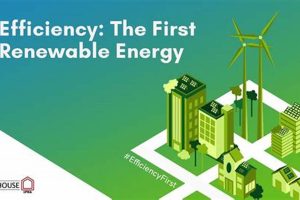
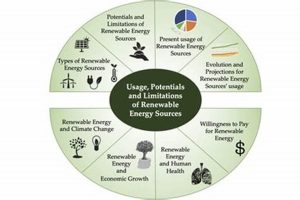
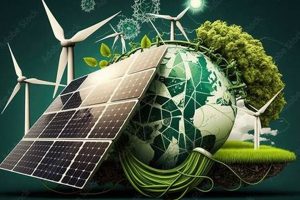
Reducing energy consumption through efficient practices and technologies, coupled with harnessing naturally replenishing resources like solar, wind, hydro, and geothermal power, forms the core of a sustainable energy strategy. For example, improvements in building insulation reduce the need for heating and cooling, while photovoltaic panels convert sunlight directly into electricity. These methods offer a pathway toward decreased reliance on finite fossil fuels.
The shift toward sustainable practices offers numerous advantages. It mitigates the environmental impact associated with traditional energy sources, contributing to cleaner air and water, and reduced greenhouse gas emissions. Furthermore, it enhances energy security by diversifying supply and reducing dependence on volatile global markets. Historically, societies have relied heavily on fossil fuels, but growing awareness of their finite nature and environmental consequences has propelled the development and adoption of sustainable alternatives.
This discussion will further explore the specific technologies, policies, and economic factors driving the transition to a future powered by efficiency and renewable resources, examining the challenges and opportunities that lie ahead.
Practical Steps Toward Sustainability
Implementing sustainable energy practices offers both immediate and long-term benefits. The following recommendations provide actionable steps toward reducing energy consumption and transitioning to renewable resources.
Tip 1: Optimize Building Efficiency: Improving insulation, sealing air leaks, and installing energy-efficient windows and doors significantly reduce heating and cooling needs, lowering energy bills and minimizing environmental impact. Consider professional energy audits to identify areas for improvement.
Tip 2: Embrace Efficient Lighting: Transitioning to LED lighting drastically reduces electricity consumption compared to traditional incandescent or fluorescent bulbs. LEDs also offer longer lifespans, reducing replacement frequency.
Tip 3: Upgrade Appliances: When replacing appliances, prioritize models with high energy-efficiency ratings. Look for labels indicating energy consumption and consider the long-term cost savings.
Tip 4: Harness Solar Power: Installing solar panels, whether on rooftops or as part of community solar projects, provides access to clean, renewable electricity. Government incentives and tax credits can make solar installations more affordable.
Tip 5: Explore Wind Energy: In suitable locations, small-scale wind turbines can generate electricity for homes or businesses. Consult with local experts to assess wind resource potential and permitting requirements.
Tip 6: Reduce Water Heating Costs: Lowering water heater temperatures, insulating hot water pipes, and installing low-flow showerheads and faucets conserve both energy and water.
Tip 7: Adopt Smart Energy Management: Utilizing smart thermostats and energy monitoring systems allows for optimized energy use based on occupancy patterns and real-time energy prices.
By adopting these strategies, individuals and communities can contribute to a more sustainable energy future, reducing their environmental footprint and promoting energy independence.
These individual actions, combined with broader policy changes and technological advancements, are essential for achieving a truly sustainable energy landscape. The subsequent sections will explore these larger-scale initiatives in greater detail.
1. Efficiency Improvements

Efficiency improvements represent a crucial component of sustainable energy strategies, directly impacting both energy conservation and the effective integration of renewable sources. Reduced energy demand, achieved through efficiency measures, lessens the overall burden on energy systems, minimizing the need for new generation capacity, whether from conventional or renewable sources. This creates a synergistic relationship where efficiency gains amplify the impact of renewable energy integration. For example, improving building insulation reduces the energy needed for heating and cooling, allowing a smaller solar panel array to meet a building’s electricity needs. Similarly, more efficient industrial processes decrease the overall energy input required for manufacturing, minimizing the environmental footprint of production.
The practical significance of efficiency improvements extends beyond reducing immediate energy consumption. By lowering overall demand, efficiency measures facilitate a smoother transition to renewable energy sources, which can be intermittent by nature. For instance, a highly efficient building with reduced energy needs can more readily rely on solar power, even during periods of reduced sunlight, as the overall demand is lower. This allows for a higher penetration of renewable energy within the energy mix, reducing reliance on fossil fuels and enhancing energy security. Furthermore, efficiency improvements often involve cost-effective solutions, offering immediate economic benefits alongside environmental advantages. Investing in efficient lighting, for example, reduces electricity bills while simultaneously lowering greenhouse gas emissions.
In summary, efficiency improvements form a cornerstone of sustainable energy systems. By reducing energy demand, they enhance the viability and impact of renewable energy integration, offering both economic and environmental benefits. Addressing existing inefficiencies across various sectors, from buildings and transportation to industrial processes, is paramount for achieving a sustainable energy future. This requires a combination of technological advancements, policy incentives, and public awareness to drive the adoption of efficient practices and technologies.
2. Renewable Source Integration

Renewable source integration is intrinsically linked to the broader concept of sustainable energy, representing the active incorporation of naturally replenishing energy sources into existing energy infrastructure. This integration is not merely an addition to existing systems, but a fundamental shift towards reducing reliance on finite fossil fuels and mitigating the environmental impact of energy production. The causal relationship is clear: as renewable sources like solar, wind, hydro, and geothermal power are increasingly integrated, the demand for fossil fuels diminishes, leading to lower greenhouse gas emissions and reduced dependence on volatile global energy markets. This shift necessitates adapting existing grid infrastructure and developing new energy storage technologies to accommodate the intermittent nature of some renewable resources. For example, the integration of solar power requires grid modernization to manage fluctuations in energy supply throughout the day, while advancements in battery technology facilitate storing excess solar energy for use during periods of lower sunlight.
The importance of renewable source integration within a sustainable energy framework cannot be overstated. It serves as a cornerstone of efforts to decarbonize energy systems, combatting climate change and improving air quality. Real-world examples demonstrate the practical significance of this integration. Denmark, for instance, has successfully integrated substantial wind power capacity into its national grid, significantly reducing its carbon footprint. Similarly, Germany’s Energiewende policy prioritizes the transition to renewable sources, showcasing the feasibility of large-scale renewable integration. These examples highlight the potential for transforming energy landscapes through strategic policy decisions and technological innovation. Furthermore, the integration of renewable sources promotes energy independence and security by diversifying energy portfolios, reducing reliance on imported fuels, and enhancing resilience against global energy price fluctuations.
In conclusion, renewable source integration is not just a component of sustainable energy; it is a driving force behind its realization. The transition to a decarbonized energy future hinges on the continued and accelerated integration of renewable resources. This requires overcoming challenges related to grid stability, energy storage, and the intermittency of certain renewable sources. However, the benefits reduced emissions, enhanced energy security, and a more sustainable energy landscape far outweigh these challenges, making renewable source integration a critical pursuit for a secure and environmentally responsible future.
3. Technological Advancements

Technological advancements are inextricably linked to the progress and efficacy of energy conservation and renewable energy initiatives. Advancements in material science, for example, lead to more efficient insulation, windows, and building materials, directly impacting energy conservation efforts. Similarly, innovations in battery technology are essential for storing energy generated from intermittent renewable sources like solar and wind, enabling their wider adoption and grid integration. Furthermore, advancements in smart grid technologies optimize energy distribution, reducing transmission losses and improving grid stability, which is crucial for accommodating fluctuating renewable energy inputs. The causal relationship is evident: technological progress drives improvements in efficiency, expands the feasibility of renewable energy integration, and ultimately accelerates the transition towards a sustainable energy future. For instance, the development of high-efficiency photovoltaic cells has dramatically reduced the cost of solar power, making it a competitive energy source in many regions. Similarly, advancements in wind turbine design have increased energy capture efficiency, maximizing the output from wind farms.
The practical significance of these technological advancements is far-reaching. More efficient appliances and building designs translate to lower energy bills for consumers and reduced greenhouse gas emissions. Improved energy storage solutions enable greater reliance on renewable energy sources, enhancing energy independence and security. Smart grid technologies optimize energy distribution and consumption, minimizing waste and maximizing the utilization of renewable resources. These advancements are not merely incremental improvements; they represent fundamental shifts in how energy is generated, stored, and utilized. Consider the impact of electric vehicles, powered by increasingly efficient batteries and charged using renewable electricity. This transition in transportation represents a significant step towards decarbonizing a major sector of the economy, directly linked to advancements in battery and charging technologies. Similarly, the development of advanced biofuels offers a pathway towards sustainable aviation and heavy transport, reducing reliance on conventional fossil fuels.
In conclusion, technological advancements are not merely a supporting element but a driving force behind the transition to sustainable energy. Continued investment in research and development is crucial for overcoming existing challenges, such as improving energy storage capacity, enhancing the efficiency of renewable energy technologies, and developing smart grid solutions. These advancements are essential for achieving a secure, sustainable, and economically viable energy future. Addressing these technological frontiers will unlock the full potential of energy conservation and renewable energy, paving the way for a cleaner, more resilient energy landscape.
4. Policy and Regulatory Frameworks

Policy and regulatory frameworks are essential instruments for driving the transition towards sustainable energy systems. They provide the structure and incentives necessary to promote energy conservation and accelerate the adoption of renewable energy technologies. Effective frameworks establish clear targets, create market mechanisms, and provide regulatory certainty, which are all crucial for attracting investment and fostering innovation in the energy sector. The absence of robust policy and regulatory support can hinder progress, while well-designed frameworks can create enabling environments that unlock the full potential of sustainable energy solutions.
- Renewable Portfolio Standards (RPS):
RPS policies mandate that a certain percentage of electricity generation comes from renewable sources. These standards create market demand for renewable energy, driving investment in new renewable energy projects and stimulating technological innovation. California’s RPS, requiring 60% renewable electricity by 2030, exemplifies the impact of such policies in accelerating renewable energy deployment and reducing reliance on fossil fuels.
- Carbon Pricing Mechanisms:
Carbon pricing, through carbon taxes or cap-and-trade systems, internalizes the environmental cost of carbon emissions, making fossil fuels less competitive and encouraging the adoption of cleaner alternatives. The European Union Emissions Trading System (EU ETS) demonstrates the potential of cap-and-trade systems to reduce emissions by setting a limit on overall emissions and allowing companies to trade emission allowances. This market-based approach incentivizes emissions reductions while providing flexibility for businesses.
- Building Codes and Energy Efficiency Standards:
Building codes and energy efficiency standards play a critical role in reducing energy consumption in the building sector. Regulations mandating energy-efficient building materials, appliances, and design features reduce overall energy demand, minimizing the need for new power generation. The International Energy Conservation Code (IECC) provides a model for energy-efficient building codes, offering a framework for jurisdictions to adopt and adapt to their specific needs. These standards drive the market for energy-efficient products and practices, contributing to significant energy savings.
- Feed-in Tariffs (FITs):
FITs provide guaranteed prices for electricity generated from renewable sources, offering long-term price stability and incentivizing investment in renewable energy projects. Germany’s early adoption of FITs played a crucial role in the rapid growth of its solar photovoltaic industry, demonstrating the effectiveness of this policy instrument in promoting renewable energy deployment. FITs provide a predictable revenue stream for renewable energy generators, reducing investment risk and encouraging private sector participation.
These policy and regulatory frameworks, while distinct in their mechanisms, are interconnected and mutually reinforcing. They work in concert to create a comprehensive policy landscape that supports both energy conservation and renewable energy integration. The success of these frameworks depends on consistent implementation, regular evaluation, and adaptive adjustments based on market dynamics and technological advancements. Ultimately, effective policy and regulatory frameworks are essential for driving the transition towards a sustainable energy future, mitigating climate change, and enhancing energy security.
5. Economic Incentives

Economic incentives play a crucial role in accelerating the adoption of energy conservation measures and renewable energy technologies. By internalizing the externalities associated with energy consumption and production, economic incentives can shift market dynamics, encouraging more sustainable choices and driving innovation. These incentives can take various forms, each with its own mechanisms and impacts, but all share the common goal of making sustainable energy practices more financially attractive.
- Tax Credits and Rebates:
Tax credits and rebates directly reduce the upfront cost of energy-efficient appliances, renewable energy installations, and building retrofits. These incentives make sustainable choices more affordable for consumers and businesses, stimulating market demand and encouraging wider adoption. For example, the federal solar investment tax credit in the United States has significantly contributed to the growth of the solar industry by reducing the cost of solar installations for homeowners and businesses. Similarly, rebates for energy-efficient appliances, offered by utilities and government agencies, incentivize consumers to choose more sustainable options.
- Feed-in Tariffs (FITs) and Renewable Energy Certificates (RECs):
FITs provide guaranteed prices for electricity generated from renewable sources, offering long-term revenue stability for renewable energy producers. RECs represent the environmental attributes of renewable energy generation and can be traded separately from the electricity itself, providing an additional revenue stream for renewable energy projects. These mechanisms create a more favorable investment climate for renewable energy, attracting private sector capital and accelerating deployment. Germany’s success with FITs in promoting solar energy growth demonstrates the effectiveness of this approach.
- Carbon Pricing Mechanisms:
Carbon pricing, through carbon taxes or cap-and-trade systems, puts a price on carbon emissions, internalizing the environmental costs of fossil fuel use. This makes fossil fuels less competitive compared to cleaner alternatives, encouraging businesses and consumers to reduce their carbon footprint. The European Union Emissions Trading System (EU ETS) is a prominent example of a cap-and-trade system that has driven significant emissions reductions in the power sector.
- Green Bonds and Sustainable Finance:
Green bonds provide a financing mechanism specifically for projects with environmental benefits, including renewable energy, energy efficiency, and sustainable transportation. These bonds attract investors seeking both financial returns and positive environmental impact, channeling capital towards sustainable projects. The growth of the green bond market demonstrates the increasing investor appetite for sustainable investments and provides a crucial source of funding for the energy transition.
These diverse economic incentives are essential tools for accelerating the shift towards a more sustainable energy future. They complement regulatory frameworks and technological advancements, creating a comprehensive policy environment that promotes energy conservation and renewable energy integration. By making sustainable choices economically advantageous, these incentives unlock market forces that drive innovation, investment, and ultimately, the transition to a cleaner, more secure, and resilient energy system.
6. Public Awareness Campaigns

Public awareness campaigns are integral to fostering a societal shift towards sustainable energy practices. These campaigns bridge the information gap between complex energy issues and the public, empowering individuals and communities to make informed decisions regarding energy consumption and resource utilization. Effective campaigns translate technical knowledge into accessible language, highlighting the benefits of energy conservation and the advantages of transitioning to renewable energy sources. This connection is causal: increased awareness leads to greater adoption of energy-efficient practices and broader support for renewable energy initiatives. For example, campaigns promoting the benefits of energy-efficient appliances can influence consumer purchasing decisions, leading to reduced energy consumption. Similarly, campaigns showcasing the economic and environmental advantages of rooftop solar installations can increase public support for renewable energy policies and incentivize individual adoption.
Practical examples underscore the effectiveness of public awareness campaigns. Information campaigns about the benefits of home insulation and weatherization can motivate homeowners to invest in energy efficiency upgrades, reducing energy waste and lowering utility bills. Community-based initiatives promoting sustainable transportation options, such as cycling and public transit, can encourage behavioral changes that reduce reliance on personal vehicles and lower carbon emissions. Educational programs in schools and community centers can raise awareness about the importance of energy conservation and the role of renewable energy in mitigating climate change, fostering a sense of shared responsibility and empowering future generations to make sustainable choices. Furthermore, public awareness campaigns can play a crucial role in garnering public support for policy changes that promote sustainable energy practices, creating a positive feedback loop where informed public opinion influences policy decisions, further advancing the transition to a sustainable energy future.
In conclusion, public awareness campaigns are not merely informational; they are catalysts for change. They empower individuals, shape public opinion, and influence policy decisions, creating a societal environment conducive to the widespread adoption of sustainable energy practices. These campaigns are essential for bridging the gap between technological advancements and societal adoption, ensuring that the benefits of energy conservation and renewable energy are realized on a scale sufficient to address the pressing challenges of climate change and energy security. Continued investment in well-designed and effectively implemented public awareness campaigns is crucial for achieving a sustainable energy future.
Frequently Asked Questions
This section addresses common inquiries regarding sustainable energy practices, aiming to clarify key concepts and dispel misconceptions.
Question 1: What is the most impactful individual action for promoting energy conservation?
Reducing energy consumption through behavioral changes, such as lowering thermostat settings in winter and raising them in summer, has a significant cumulative impact. Combining this with improvements in building insulation and the adoption of energy-efficient appliances maximizes individual contributions to energy conservation.
Question 2: Are renewable energy sources reliable enough to meet current energy demands?
Advancements in energy storage technologies, coupled with grid modernization and diversified renewable energy portfolios, increasingly enable reliable power generation from renewable sources. Integrating various renewable sources, such as wind and solar, mitigates intermittency challenges and enhances overall grid stability. Furthermore, demand-side management strategies optimize energy consumption patterns to align with renewable energy availability.
Question 3: Is the transition to renewable energy economically feasible for all communities?
Declining costs of renewable energy technologies, combined with government incentives and innovative financing mechanisms, are making renewable energy increasingly affordable and accessible. Furthermore, renewable energy projects create jobs and stimulate local economies, offering long-term economic benefits. Targeted policies and community-based initiatives can ensure equitable access to the economic advantages of the renewable energy transition.
Question 4: How can businesses contribute to energy conservation and renewable energy adoption?
Businesses can implement energy efficiency measures within their operations, such as upgrading lighting systems and optimizing building energy management. Investing in on-site renewable energy generation, such as rooftop solar installations, further reduces reliance on conventional energy sources. Procuring renewable energy through power purchase agreements (PPAs) demonstrates corporate commitment to sustainability and supports the growth of the renewable energy sector.
Question 5: What role does policy play in promoting energy conservation and renewable energy?
Supportive policies, such as renewable portfolio standards (RPS), carbon pricing mechanisms, and tax incentives, are essential for creating a favorable market environment for renewable energy and energy efficiency. These policies provide regulatory certainty, encourage investment, and drive innovation in the energy sector. Consistent and well-designed policy frameworks are crucial for accelerating the transition to a sustainable energy future.
Question 6: How can individuals stay informed about advancements in energy conservation and renewable energy technologies?
Reputable sources of information, such as government agencies, academic institutions, and non-profit organizations specializing in energy research, provide reliable updates on advancements in sustainable energy technologies and practices. Staying informed empowers individuals to make informed decisions regarding energy choices and advocate for effective policies.
Transitioning to a sustainable energy future requires a multifaceted approach encompassing individual actions, technological advancements, policy frameworks, and economic incentives. Addressing these key aspects collectively is crucial for realizing the full potential of energy conservation and renewable energy.
The following section explores future trends and emerging technologies in the sustainable energy landscape.
Energy Conservation and Renewable Energy
This exploration has underscored the vital and interconnected roles of energy conservation and renewable energy in forging a sustainable energy future. From optimizing building efficiency and embracing technological advancements to implementing supportive policy frameworks and fostering public awareness, the transition requires a multifaceted approach. The examination of efficiency improvements, renewable source integration, technological advancements, policy and regulatory frameworks, economic incentives, and public awareness campaigns reveals the complexity and interconnectedness of this critical undertaking. Each aspect plays a crucial role in reducing reliance on finite fossil fuels, mitigating environmental impact, and enhancing energy security. The examples provided, ranging from individual actions to national policies, demonstrate the tangible benefits and practical feasibility of transitioning towards a more sustainable energy landscape.
The path toward sustainable energy is not merely a technological challenge; it represents a societal imperative. The choices made today will determine the energy landscape of tomorrow. Continued investment in research and development, coupled with robust policy support and informed public engagement, is essential for realizing the full potential of energy conservation and renewable energy. Embracing these strategies is not simply a matter of environmental stewardship; it is a fundamental investment in a secure, resilient, and prosperous future.