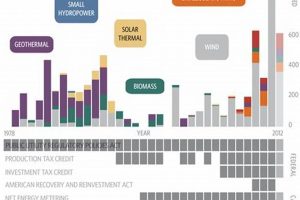
Determining the optimal sustainable power source involves considering numerous factors, including geographic location, energy demands, and environmental impact. For instance, solar power excels in sun-drenched regions while wind energy thrives in areas with consistent breezes. Hydropower offers a reliable solution where substantial water resources exist, whereas geothermal harnesses the earth’s internal heat. Bioenergy utilizes organic matter, offering a versatile yet potentially land-intensive option.
Transitioning to sustainable power generation is crucial for mitigating climate change and ensuring long-term energy security. These resources offer a clean alternative to fossil fuels, reducing greenhouse gas emissions and minimizing air and water pollution. Historically, reliance on non-renewable energy sources has led to environmental degradation and geopolitical instability. The shift towards cleaner options represents a vital step towards a more sustainable future.
This article will delve into the specific advantages and disadvantages of various renewable energy technologies, exploring their suitability for different applications and assessing their potential to meet future energy needs. Further discussion will encompass the economic and social implications of this energy transition, including job creation, technological advancements, and the development of sustainable infrastructure.
Tips for Choosing Sustainable Energy Solutions
Selecting the most appropriate renewable energy source requires careful consideration of various factors. The following tips provide guidance for navigating this complex decision-making process.
Tip 1: Assess Energy Needs: Thoroughly evaluate current and projected energy consumption to determine the scale of the required renewable energy system.
Tip 2: Analyze Geographic Location: Consider the region’s natural resources. Solar power is ideal for sunny climates, while wind power requires consistent wind patterns. Geothermal energy is suitable in areas with geothermal activity.
Tip 3: Evaluate Environmental Impact: Different renewable energy sources have varying environmental footprints. Hydropower, for example, can impact aquatic ecosystems. Life-cycle assessments can provide a comprehensive evaluation.
Tip 4: Consider Economic Factors: Analyze the upfront costs, long-term operational expenses, and potential return on investment for each renewable energy option. Factor in government incentives and subsidies.
Tip 5: Explore Technological Advancements: Stay informed about the latest innovations in renewable energy technologies. Efficiency improvements and cost reductions are constantly evolving.
Tip 6: Consult with Experts: Seek professional advice from engineers, energy consultants, and other specialists to ensure informed decision-making.
Tip 7: Plan for Long-Term Sustainability: Consider the lifespan and maintenance requirements of each technology. Ensure the chosen solution aligns with long-term sustainability goals.
By carefully considering these factors, stakeholders can make informed decisions that maximize the benefits of renewable energy while minimizing potential drawbacks. The transition towards sustainable energy represents a crucial step towards a cleaner and more secure energy future.
In conclusion, selecting the optimal renewable energy source requires a holistic approach. By weighing the various factors and considering long-term implications, individuals and organizations can contribute to a more sustainable energy landscape.
1. Resource Availability

Resource availability plays a pivotal role in determining the suitability of renewable energy technologies. The geographic distribution of resources like sunlight, wind, water, and geothermal heat significantly influences which renewable energy source is most effective in a specific location. Regions with abundant sunshine are ideal for solar power generation, while areas with consistent wind patterns favor wind turbines. Similarly, hydropower requires substantial water resources, and geothermal energy relies on accessible geothermal activity. Matching the chosen technology to the available resources is essential for maximizing energy output and minimizing environmental impact. For example, implementing large-scale solar farms in regions with limited sunlight would be inefficient and economically impractical. Conversely, harnessing wind energy in areas with minimal wind resources would yield negligible power output. This underscores the cause-and-effect relationship between resource availability and the efficacy of renewable energy technologies.
The importance of resource availability as a component of optimal renewable energy selection cannot be overstated. A comprehensive resource assessment is a prerequisite for successful project planning and implementation. This assessment should quantify the available resources, analyze their variability, and evaluate their long-term sustainability. For instance, a hydropower project requires a detailed analysis of river flow rates, seasonal variations, and potential impacts on downstream ecosystems. Similarly, a wind energy project necessitates wind speed data, turbulence analysis, and consideration of potential impacts on avian populations. Such assessments provide crucial insights for informed decision-making and ensure that the chosen technology aligns with the available resources.
Understanding the interplay between resource availability and renewable energy selection has significant practical implications. It guides investment decisions, informs policy development, and facilitates the transition to sustainable energy systems. Recognizing regional variations in resource availability allows for strategic deployment of renewable energy technologies, maximizing their effectiveness and minimizing reliance on fossil fuels. Furthermore, it encourages diversification of energy sources, enhancing energy security and resilience. However, challenges remain, particularly in regions with limited access to suitable renewable resources. Addressing these challenges requires innovative solutions, including energy storage technologies and grid integration strategies, to ensure equitable access to clean and sustainable energy for all.
2. Environmental Impact

A crucial aspect of selecting the optimal renewable energy source involves minimizing environmental impact. While all renewable energy technologies offer cleaner alternatives to fossil fuels, each presents unique environmental considerations. Careful assessment of these impacts is essential for sustainable energy development.
- Greenhouse Gas Emissions
Renewable energy sources significantly reduce greenhouse gas emissions compared to fossil fuels. However, some emissions may occur during manufacturing, installation, and maintenance. Life-cycle assessments provide a comprehensive evaluation of emissions over a technology’s lifespan. For example, solar panel production involves some emissions, but their operation is emission-free. Minimizing these embodied emissions through sustainable manufacturing practices is crucial for maximizing environmental benefits.
- Land Use and Habitat Alteration
Renewable energy infrastructure can alter land use and habitats. Large-scale solar and wind farms require significant land areas, potentially impacting ecosystems. Careful site selection and mitigation strategies are crucial for minimizing these impacts. For instance, siting solar farms on brownfields or rooftops can reduce land use conflicts. Similarly, minimizing turbine placement in critical bird migration pathways mitigates impacts on avian populations.
- Water Usage
Certain renewable energy technologies, such as hydropower and bioenergy, require significant water resources. Hydropower dams can alter river flows and impact aquatic ecosystems. Bioenergy crops require irrigation, potentially straining water supplies in water-stressed regions. Careful water management practices are essential for mitigating these impacts. For example, implementing water-efficient irrigation techniques for bioenergy crops can reduce water consumption.
- Waste Management
Renewable energy technologies generate waste materials, such as decommissioned solar panels and wind turbine blades. Proper waste management strategies, including recycling and repurposing, are crucial for minimizing environmental impact. Research and development of recyclable materials and efficient recycling processes are ongoing. For instance, initiatives to recycle solar panel components can reduce landfill waste and recover valuable materials.
A comprehensive understanding of these environmental impacts is fundamental for selecting the most sustainable renewable energy solution. Evaluating trade-offs between different impacts and considering local environmental conditions allows for informed decision-making and ensures that the chosen technology minimizes its environmental footprint while maximizing its contribution to a cleaner energy future. Ultimately, the goal is to select technologies that provide the greatest environmental benefits while minimizing potential drawbacks.
3. Economic Viability

Economic viability is a critical factor in determining the feasibility and long-term success of renewable energy projects. The “best” renewable energy source must not only be environmentally sustainable but also economically competitive with conventional energy sources. This requires a thorough assessment of costs, revenues, and financial risks.
- Initial Investment Costs
Renewable energy projects often require substantial upfront investments in infrastructure, equipment, and installation. The initial cost varies significantly depending on the technology, scale, and location of the project. For example, large-scale solar farms require significant land acquisition and panel installation costs, while rooftop solar installations have lower initial costs but generate less electricity. Understanding these initial costs is crucial for determining the financial feasibility of a project and securing necessary funding.
- Operating and Maintenance Costs
Ongoing operating and maintenance costs are essential considerations for long-term economic viability. These costs include regular maintenance, repairs, and replacement of components. Some renewable energy technologies, such as wind turbines, have higher maintenance requirements than others, such as solar photovoltaic systems. Accurately estimating these ongoing costs is crucial for projecting long-term profitability and ensuring sustainable operation.
- Return on Investment and Payback Period
Evaluating the return on investment (ROI) and payback period is essential for assessing the financial attractiveness of a renewable energy project. ROI measures the profitability of an investment relative to its cost, while the payback period indicates the time required to recoup the initial investment through energy savings or revenue generation. Factors influencing ROI and payback period include energy prices, government incentives, and financing terms. A shorter payback period and higher ROI generally indicate a more economically viable project.
- Job Creation and Economic Development
Renewable energy projects can stimulate economic growth and create jobs in manufacturing, installation, operation, and maintenance. The economic benefits extend beyond direct employment, as renewable energy development can also stimulate local supply chains and increase tax revenues. These economic benefits are often considered when evaluating the overall economic viability and societal impact of renewable energy projects. For instance, the growth of the solar industry has created numerous jobs in manufacturing, installation, and maintenance, contributing to economic development in many regions.
The economic viability of a renewable energy project is influenced by a complex interplay of these factors. A comprehensive economic analysis, considering both costs and benefits, is essential for determining the “best” renewable energy solution for a specific context. This analysis should consider not only the financial returns but also the broader economic and societal impacts, such as job creation and local economic development. Ultimately, the goal is to select renewable energy solutions that are both environmentally sustainable and economically viable, paving the way for a cleaner and more prosperous energy future.
4. Technological Maturity
Technological maturity plays a crucial role in determining the effectiveness and viability of renewable energy sources. A mature technology typically exhibits higher efficiency, reliability, and cost-effectiveness compared to less developed technologies. This connection significantly influences the selection of the “best” renewable energy source for a given application. The cause-and-effect relationship is evident: more technologically advanced systems generally lead to greater energy output, reduced maintenance requirements, and lower overall costs. For instance, advancements in photovoltaic cell technology have led to significant increases in solar panel efficiency and decreases in production costs, making solar energy more competitive with conventional energy sources. Conversely, less mature technologies, such as some forms of wave energy conversion, may face challenges related to reliability, durability, and cost-effectiveness, limiting their widespread adoption.
The importance of technological maturity as a component of selecting the “best” renewable energy source stems from its practical implications. Mature technologies offer a lower risk profile, with established performance track records and readily available maintenance expertise. This reduces uncertainty and facilitates project financing. Furthermore, technological advancements often lead to streamlined manufacturing processes, improved supply chains, and economies of scale, driving down costs and making renewable energy more accessible. Real-world examples illustrate this connection: the widespread adoption of wind energy is partly due to significant advancements in turbine design, materials, and grid integration technologies. Similarly, the rapid growth of the solar photovoltaic industry can be attributed to continuous improvements in solar cell efficiency, manufacturing processes, and balance-of-system components.
Understanding the link between technological maturity and optimal renewable energy selection has significant practical implications. It informs research and development priorities, guides investment decisions, and shapes energy policy. By focusing on technologies with a higher degree of maturity, stakeholders can minimize risks, accelerate deployment, and maximize the benefits of renewable energy. However, it is important to acknowledge that technological advancements are continuous. Ongoing research and development efforts are essential for pushing the boundaries of renewable energy technologies, improving their performance, and reducing their costs. This continuous innovation cycle is crucial for achieving a sustainable energy future. While mature technologies offer immediate benefits, continued investment in emerging technologies is vital for long-term progress and diversification of the renewable energy portfolio. Addressing challenges related to energy storage, grid integration, and resource variability will require further technological advancements, ensuring a reliable and resilient energy system for the future.
5. Social Acceptance

Social acceptance plays a significant role in the successful implementation and widespread adoption of renewable energy technologies. Even the most technologically advanced and economically viable renewable energy source can face challenges if it lacks public support. Understanding and addressing social factors is crucial for determining the “best” renewable energy solution for a given community or region. This involves considering public perceptions, community engagement, and potential socio-economic impacts.
- Community Engagement and Participation
Engaging local communities in the planning and development of renewable energy projects is essential for building social acceptance. This includes providing transparent information about the project, addressing community concerns, and incorporating local input into decision-making processes. Successful community engagement can foster a sense of ownership and shared benefit, increasing the likelihood of project success. For instance, community-owned wind farms, where local residents invest in and benefit directly from the project, often enjoy strong social acceptance.
- Visual Impacts and Landscape Aesthetics
The visual impact of renewable energy infrastructure, such as wind turbines and solar farms, can be a source of public concern. Some individuals perceive these structures as visually intrusive or disruptive to scenic landscapes. Addressing these concerns through careful site selection, landscape integration, and mitigation measures, such as vegetative screening, can enhance social acceptance. For example, integrating solar farms into agricultural landscapes or utilizing rooftop solar installations can minimize visual impacts.
- Noise Pollution
Certain renewable energy technologies, such as wind turbines, can generate noise pollution, potentially impacting nearby residents. Minimizing noise levels through careful turbine placement, noise mitigation technologies, and adherence to noise regulations is crucial for maintaining community support. For example, advancements in turbine blade design and operational strategies have significantly reduced noise emissions from wind farms.
- Socio-Economic Impacts
Renewable energy projects can have both positive and negative socio-economic impacts on local communities. Potential benefits include job creation, increased tax revenues, and economic diversification. However, projects can also lead to displacement of communities, changes in land use, and potential impacts on local businesses. Addressing these socio-economic impacts through equitable compensation, community development initiatives, and careful planning is essential for ensuring social acceptance. For example, providing job training and employment opportunities for local residents in the renewable energy sector can mitigate potential negative impacts and enhance community support.
These facets of social acceptance are interconnected and influence the overall success of renewable energy projects. Addressing these social factors proactively through community engagement, transparent communication, and careful planning can build public trust, foster support, and pave the way for the widespread adoption of sustainable energy solutions. Neglecting social acceptance can lead to project delays, community opposition, and ultimately, hinder the transition to a cleaner energy future. Therefore, incorporating social considerations into the decision-making process is crucial for selecting the “best” type of renewable energy for a specific context, ensuring that the chosen technology aligns with both environmental and societal goals.
Frequently Asked Questions
This section addresses common inquiries regarding the selection and implementation of renewable energy technologies.
Question 1: What is the most efficient renewable energy source?
Efficiency varies depending on the technology and specific application. Hydropower often exhibits high efficiency in converting potential energy to electricity, while solar photovoltaic efficiency is constantly improving with technological advancements. Wind turbine efficiency depends on factors like turbine design and wind speed. Determining the most efficient source requires considering the specific context and available resources.
Question 2: How do the costs of renewable energy compare to traditional energy sources?
The cost of renewable energy has decreased significantly in recent years, making it increasingly competitive with fossil fuels. While initial investment costs for some renewable energy technologies can be higher, ongoing operating costs are generally lower. Furthermore, factoring in the environmental costs of fossil fuels often makes renewable energy the more economically viable option in the long term.
Question 3: What are the environmental impacts of different renewable energy sources?
While generally considered environmentally friendly, renewable energy technologies can have some environmental impacts. These can include land use changes, habitat alteration, and water usage. Careful planning, site selection, and mitigation strategies are crucial for minimizing these impacts. Life-cycle assessments provide a comprehensive evaluation of environmental impacts throughout a technology’s lifespan.
Question 4: How reliable are renewable energy sources?
The reliability of renewable energy sources depends on the specific technology and resource availability. Solar and wind power are inherently intermittent, relying on sunlight and wind patterns. However, advancements in energy storage technologies and grid integration strategies are enhancing the reliability of these intermittent sources. Hydropower and geothermal energy generally offer greater reliability due to the consistent nature of their respective resources.
Question 5: What role does government policy play in promoting renewable energy?
Government policies, such as tax incentives, subsidies, and renewable portfolio standards, play a significant role in promoting the adoption of renewable energy technologies. These policies can create a favorable market environment, encourage investment, and accelerate the transition to a cleaner energy future. Policy consistency and long-term planning are essential for fostering investor confidence and driving sustainable growth in the renewable energy sector.
Question 6: How can individuals contribute to the growth of renewable energy?
Individuals can contribute to the growth of renewable energy through various actions, such as installing rooftop solar panels, investing in renewable energy projects, supporting policies that promote renewable energy, and reducing energy consumption through energy efficiency measures. Collective action and individual choices play a vital role in driving the transition to a sustainable energy future.
Careful consideration of these frequently asked questions provides a deeper understanding of the complexities involved in selecting and implementing renewable energy solutions. The optimal choice depends on a variety of factors, including resource availability, environmental considerations, economic viability, and technological maturity.
The following sections will delve deeper into specific renewable energy technologies, providing detailed analyses of their advantages, disadvantages, and potential contributions to a sustainable energy future.
Conclusion
The pursuit of the optimal renewable energy source requires a nuanced understanding of various interconnected factors. This exploration has highlighted the importance of resource availability, environmental impact, economic viability, technological maturity, and social acceptance in evaluating different renewable energy options. No single solution fits all circumstances; the “best” choice depends on the specific context and priorities of each project. While solar and wind power offer scalable and increasingly cost-competitive options, their intermittent nature necessitates robust energy storage and grid management solutions. Hydropower provides reliable baseload power but raises concerns about ecosystem disruption. Geothermal offers consistent energy generation but has limited geographic applicability. Bioenergy presents a versatile option but requires careful consideration of land use and resource management. Ultimately, a diversified approach leveraging the strengths of various renewable energy technologies offers the most promising path toward a sustainable energy future.
The transition to a renewable energy-powered world necessitates ongoing innovation, strategic investment, and collaborative policymaking. Addressing the challenges of intermittency, storage, and grid integration remains crucial for maximizing the potential of renewable resources. As technology continues to advance and costs continue to decline, the role of renewable energy in meeting global energy demands will only grow. The choices made today will shape the energy landscape of tomorrow, underscoring the urgent need for informed decision-making and sustained commitment to a sustainable energy future.