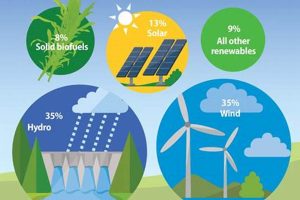
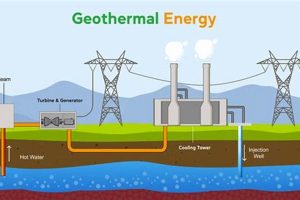
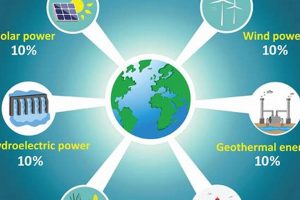
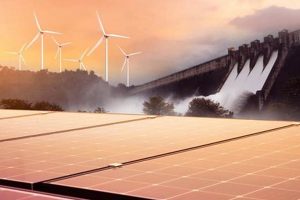
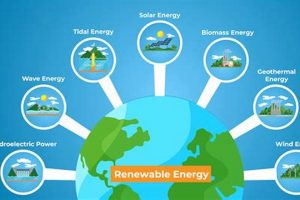
The creation of electrical power using naturally replenishing resources constitutes a vital component of modern energy infrastructure. Solar, wind, hydro, geothermal, and biomass exemplify the diverse range of inputs used in this process. These resources are harnessed through various technologies to convert their inherent energy into a usable electrical current. For instance, photovoltaic cells transform sunlight directly into electricity, while wind turbines convert kinetic energy into mechanical and then electrical energy.
Employing these methods offers significant advantages over traditional fossil fuel-based power plants. Reduced greenhouse gas emissions, decreased reliance on finite resources, and enhanced energy security are among the primary benefits. Historically, the development and deployment of these technologies have been driven by increasing environmental awareness and the need for sustainable energy solutions. Government incentives and technological advancements have further accelerated the adoption of these cleaner energy alternatives.
Understanding the specific mechanisms, efficiencies, and limitations associated with each method is crucial for optimizing energy production and grid integration. The following sections will delve into specific renewable technologies, examining their operational principles, environmental impacts, and economic considerations. It will explore the current state of adoption, future trends, and the role each plays in shaping a sustainable energy future.
Key Considerations for Integrating Renewable Energy Systems
Optimizing the deployment and performance of renewable energy systems requires careful planning and execution. The following points offer essential guidance for stakeholders involved in the integration of these systems.
Tip 1: Conduct Thorough Resource Assessments:Accurate evaluation of resource availability, such as solar irradiance or wind speed, is paramount. This informs system sizing, technology selection, and projected energy output. For example, a solar power installation requires detailed irradiance data spanning several years to accurately predict generation capacity.
Tip 2: Prioritize Grid Compatibility:Ensure seamless integration with existing grid infrastructure. This entails addressing voltage fluctuations, frequency stability, and power quality issues. Advanced power electronics and grid management strategies are often necessary to mitigate these challenges.
Tip 3: Implement Energy Storage Solutions:Address the intermittency of renewable sources through the incorporation of energy storage technologies. Batteries, pumped hydro, or thermal storage can stabilize energy supply and enhance grid reliability, particularly during periods of low resource availability.
Tip 4: Optimize System Efficiency:Maximize energy conversion efficiency throughout the system. This includes utilizing high-efficiency components, minimizing transmission losses, and implementing smart grid technologies to optimize energy distribution.
Tip 5: Consider Lifecycle Costs:Evaluate the total cost of ownership, encompassing initial investment, operational expenses, and decommissioning costs. A comprehensive lifecycle cost analysis provides a more accurate assessment of the economic viability of renewable energy projects.
Tip 6: Ensure Regulatory Compliance:Adherence to all relevant regulatory requirements and permitting processes is critical. This includes environmental regulations, grid connection standards, and safety codes. Failure to comply can result in project delays and financial penalties.
Tip 7: Engage Stakeholders:Foster collaboration and communication among stakeholders, including local communities, utilities, and government agencies. Early engagement can address concerns, build support, and facilitate smoother project implementation.
Effective integration of renewable energy requires a holistic approach considering resource assessment, grid compatibility, energy storage, efficiency optimization, cost analysis, regulatory compliance, and stakeholder engagement. These considerations are crucial for maximizing the benefits of cleaner energy sources and achieving a sustainable energy future.
Subsequent sections will address specific case studies and emerging technologies further illuminating these key considerations.
1. Resource Availability

The viability of generating electricity from renewable sources is fundamentally predicated on the availability and characteristics of the specific renewable resource. This factor directly influences technology selection, system design, and the ultimate economic feasibility of any renewable energy project. A comprehensive understanding of resource potential is, therefore, paramount.
- Geographic Location and Climate Patterns
The geographic location significantly dictates the availability of resources such as solar irradiance, wind speed, and geothermal gradients. Climate patterns, including seasonal variations and weather extremes, introduce variability that must be accounted for in system design and energy storage planning. For example, a region with high average solar irradiance is suitable for photovoltaic installations, but cloud cover patterns must be considered to estimate consistent power output. Similarly, areas with consistent wind patterns are preferred for wind farms, but the potential for extreme weather events requires robust turbine design.
- Resource Quality and Intensity
Beyond simple availability, the quality and intensity of the resource are critical determinants of electricity generation potential. Higher solar irradiance translates to increased electricity generation from solar panels. Similarly, higher wind speeds result in greater power output from wind turbines. The quality of geothermal resources, characterized by temperature and flow rate, directly impacts the efficiency of geothermal power plants. Insufficient resource quality can render a project economically unviable, irrespective of its location.
- Accessibility and Land Use Constraints
The accessibility of renewable resources is another crucial factor. Remote locations may present logistical challenges for construction and maintenance, increasing project costs. Furthermore, land use constraints, such as protected areas, urban development, or agricultural land, can limit the available space for renewable energy installations. These limitations necessitate careful planning and consideration of alternative technologies or locations.
- Resource Variability and Predictability
Renewable resources, particularly solar and wind, exhibit inherent variability. The predictability of these resources is crucial for grid integration and system reliability. Accurate forecasting models are necessary to anticipate fluctuations in energy production and ensure a stable electricity supply. Energy storage solutions, such as batteries or pumped hydro, can mitigate the effects of resource variability, but they also add to the overall project cost.
The interplay of these factors underscores the importance of thorough resource assessments and detailed feasibility studies before undertaking any renewable energy project. Accurate evaluation of resource availability, considering both quantity and quality, is essential for optimizing system design, ensuring economic viability, and achieving a sustainable energy supply. Neglecting these considerations can lead to suboptimal performance, increased costs, and ultimately, project failure.
2. Technological Efficiency

Technological efficiency represents a critical determinant of the overall success and economic viability of electricity generation from renewable sources. It directly impacts the amount of electrical power extracted from a given renewable resource, influencing both the cost per unit of energy produced and the environmental footprint of the generation process. Improvements in technological efficiency are therefore central to increasing the competitiveness and sustainability of renewable energy systems.
- Energy Conversion Rates
Energy conversion rates define the proportion of a renewable resource’s energy that is successfully transformed into electricity. For instance, the efficiency of photovoltaic cells in converting sunlight into electricity ranges from approximately 15% to over 20% for commercially available panels, with research pushing these figures higher. Likewise, wind turbine efficiency, measured as the percentage of wind energy captured and converted, typically lies between 30% and 50%, depending on turbine design and wind conditions. Enhancements in materials science and engineering are continuously driving improvements in these conversion rates, leading to increased electricity output for a given input.
- System Losses and Optimization
Beyond the initial energy conversion, minimizing system losses throughout the generation and transmission processes is paramount. Losses can occur due to factors such as electrical resistance in wiring, inefficiencies in power inverters, and energy dissipation during storage. System optimization involves implementing strategies to reduce these losses, such as using high-conductivity materials, employing advanced power electronics, and optimizing grid integration protocols. Reducing system losses directly translates to higher overall efficiency and increased electricity output.
- Component Durability and Lifespan
The long-term durability and lifespan of renewable energy system components significantly impact their overall efficiency and economic viability. Frequent component failures or degradation can lead to reduced energy output and increased maintenance costs. Investing in high-quality, durable components with extended lifespans is essential for maximizing the return on investment and ensuring the long-term efficiency of renewable energy installations. Research into more robust materials and improved manufacturing techniques is vital for enhancing component durability.
- Smart Grid Integration and Management
Efficient integration of renewable energy sources into the electricity grid requires sophisticated grid management strategies. Smart grid technologies, including advanced metering infrastructure, real-time monitoring systems, and automated control mechanisms, enable better management of fluctuating renewable energy inputs. These technologies optimize the distribution of electricity, reduce grid congestion, and enhance overall system stability. Furthermore, smart grid integration facilitates demand response programs, which can shift electricity consumption patterns to better align with periods of high renewable energy production.
Collectively, these aspects of technological efficiency underscore the importance of ongoing research, development, and deployment of advanced renewable energy technologies. Improving energy conversion rates, minimizing system losses, enhancing component durability, and optimizing grid integration are all essential for maximizing the potential of renewable energy sources and achieving a sustainable and cost-effective electricity supply. Further advancements in these areas will be crucial for accelerating the transition to a cleaner energy future.
3. Grid Integration

Electricity generation from renewable energy sources is intrinsically linked to grid integration, the process by which electricity produced from varied sources is fed into the existing power grid. Without effective grid integration, the electricity generated cannot be efficiently transmitted to end-users. Renewable sources such as solar and wind power are inherently variable, which introduces complexities in maintaining grid stability. The intermittent nature of these energy sources requires advanced technologies and strategies to balance supply and demand, thus ensuring a consistent and reliable electricity supply. This is crucial because sudden fluctuations in the electrical grid can cause power outages and damage equipment. For example, large-scale solar farms must carefully manage their output to prevent overwhelming the grid during peak sunlight hours, necessitating accurate forecasting and real-time monitoring.
The integration of renewable energy also requires investments in grid infrastructure. Existing transmission lines and substations may need upgrades to accommodate the increased flow of electricity and to manage the bidirectional power flow from distributed generation sources. Smart grid technologies, including advanced metering infrastructure and real-time monitoring systems, are essential for optimizing grid performance and enhancing its resilience. These technologies enable utilities to respond quickly to changing conditions and to manage the integration of diverse energy sources effectively. An illustrative case is Germany’s Energiewende, a national policy that requires substantial grid modernization to accommodate the growing proportion of renewable energy in its electricity mix.
In summary, effective grid integration is indispensable for realizing the full potential of electricity generation from renewable energy sources. It requires careful planning, substantial investment in infrastructure, and the implementation of advanced technologies. Successfully managing this integration can lead to a more sustainable, reliable, and resilient electricity system. However, the challenges of grid integration cannot be underestimated, and overcoming these hurdles is vital for achieving a clean energy future. The success of renewable energy deployment hinges significantly on the ability to integrate these resources seamlessly into existing and future grid infrastructures.
4. Economic Viability

The economic viability of electricity generation from renewable energy sources is a critical determinant of its widespread adoption and long-term sustainability. It encompasses a complex interplay of factors that influence the cost-effectiveness and financial returns associated with renewable energy projects. Assessing economic viability requires a thorough evaluation of initial capital investments, ongoing operational expenses, and the revenue generated from electricity sales, while also considering the broader economic benefits and external costs.
- Capital Costs and Investment Analysis
The initial capital investment required for renewable energy projects constitutes a significant portion of the overall cost. This includes expenses related to technology procurement, construction, land acquisition, and grid connection. Thorough investment analysis is essential to assess the financial feasibility of projects, considering factors such as interest rates, financing options, and projected electricity prices. For example, the high upfront costs of building a solar power plant can be offset by long-term operational savings and government incentives like tax credits or feed-in tariffs, enhancing its economic attractiveness.
- Operational and Maintenance Expenses
Operational and maintenance (O&M) expenses encompass the ongoing costs associated with operating and maintaining renewable energy facilities. This includes expenses for labor, equipment repairs, replacement parts, and insurance. Efficient O&M practices are crucial for maximizing energy output and minimizing downtime, thereby enhancing the economic performance of renewable energy projects. For instance, preventative maintenance schedules and remote monitoring systems can reduce O&M costs and improve the overall reliability of wind farms.
- Levelized Cost of Energy (LCOE)
The levelized cost of energy (LCOE) is a key metric used to compare the cost-effectiveness of different electricity generation technologies, including renewable sources. LCOE represents the average cost of generating one unit of electricity over the lifetime of a project, taking into account all associated costs and electricity output. A lower LCOE indicates greater economic competitiveness. The LCOE of renewable energy technologies has been steadily declining in recent years due to technological advancements, economies of scale, and government support, making them increasingly competitive with traditional fossil fuel-based power plants.
- External Costs and Benefits
The economic viability of renewable energy is also influenced by external costs and benefits that are not typically reflected in market prices. These externalities include environmental impacts, such as air and water pollution, and social benefits, such as job creation and reduced reliance on imported fuels. Accounting for these externalities in economic assessments can provide a more comprehensive picture of the true value of renewable energy. For example, the reduced carbon emissions from renewable energy projects contribute to mitigating climate change, yielding substantial long-term economic benefits that are not always captured in traditional cost-benefit analyses.
In conclusion, ensuring the economic viability of electricity generation from renewable sources necessitates a comprehensive evaluation of capital costs, operational expenses, LCOE, and external factors. By addressing these considerations, renewable energy projects can become increasingly cost-competitive, contributing to a sustainable and economically sound energy future. As technologies continue to advance and economies of scale are realized, renewable energy is poised to play an even greater role in meeting the world’s growing energy demands.
5. Environmental Impact
Electricity generation, regardless of the source, invariably has an environmental impact; however, the magnitude and nature of this impact differ significantly between renewable and non-renewable sources. Renewable energy sources, by definition, replenish naturally and generally produce fewer pollutants compared to fossil fuels. The environmental impact of renewable energy is multifaceted, encompassing land use, wildlife effects, visual and noise pollution, and resource depletion. Properly assessing and mitigating these impacts is critical for ensuring the long-term sustainability of renewable energy deployment. For instance, large-scale solar farms require substantial land areas, potentially leading to habitat loss and alteration of land use patterns. Similarly, wind turbines can pose a threat to avian species, necessitating careful site selection and mitigation measures.
Beyond direct impacts, the manufacturing and disposal of renewable energy technologies also have environmental consequences. The production of solar panels involves the use of certain materials, such as silicon and rare earth elements, which require energy-intensive extraction and processing. Similarly, the disposal of decommissioned wind turbine blades presents challenges due to their size and material composition. Life-cycle assessments are essential for comprehensively evaluating the environmental footprint of renewable energy technologies, from raw material extraction to end-of-life management. These assessments help identify opportunities for minimizing environmental impacts throughout the entire value chain. An example is the development of biodegradable polymers for wind turbine blades to reduce landfill waste.
In conclusion, while electricity generation from renewable energy sources generally has a lower environmental impact than fossil fuels, it is not without its own set of environmental challenges. Understanding and mitigating these impacts is essential for ensuring the responsible and sustainable deployment of renewable energy technologies. Continuous innovation in materials, manufacturing processes, and waste management practices is crucial for minimizing the environmental footprint of renewable energy and maximizing its contribution to a cleaner and more sustainable energy future. A holistic approach, considering the full life cycle of renewable energy technologies, is necessary for making informed decisions and achieving meaningful environmental benefits.
Frequently Asked Questions
This section addresses common inquiries related to the generation of electricity from renewable sources, providing concise and factual answers to enhance understanding of this critical energy sector.
Question 1: What constitutes a renewable energy source for electricity generation?
A renewable energy source is defined as a naturally replenishing energy resource. Examples include solar radiation, wind, flowing water (hydropower), geothermal heat, and biomass.
Question 2: Why is electricity generation from renewable sources considered important?
It is considered important due to its potential to reduce greenhouse gas emissions, diminish reliance on finite fossil fuel resources, and enhance energy security through diversification of energy supply.
Question 3: What are the primary challenges associated with integrating renewable energy into existing electricity grids?
The primary challenges involve the intermittent nature of some renewable sources, the need for grid infrastructure upgrades to accommodate distributed generation, and the development of effective energy storage solutions.
Question 4: How does the cost of electricity generated from renewable sources compare to that of traditional fossil fuel-based sources?
The cost varies depending on the specific renewable technology and location. However, the levelized cost of energy (LCOE) for many renewable sources, such as solar and wind, has decreased significantly in recent years, making them increasingly competitive with fossil fuels.
Question 5: What are the environmental impacts of electricity generation from renewable sources?
While generally lower than fossil fuels, environmental impacts can include land use changes, potential effects on wildlife (particularly birds and bats), visual and noise pollution, and resource depletion during manufacturing processes.
Question 6: What role does government policy play in promoting electricity generation from renewable sources?
Government policies, such as tax incentives, feed-in tariffs, renewable portfolio standards, and research funding, play a crucial role in incentivizing investment, fostering innovation, and driving the deployment of renewable energy technologies.
In summary, electricity generation from renewable energy sources represents a vital component of a sustainable energy future. Understanding its benefits, challenges, and economic considerations is essential for informed decision-making and effective policy development.
The next section will explore the future prospects for electricity generation from renewable sources, examining emerging technologies and potential advancements in the field.
Conclusion
Electricity generation from renewable energy sources has been examined across a range of critical dimensions, including resource availability, technological efficiency, grid integration, economic viability, and environmental impact. The analysis underscores the complex interplay of factors determining the feasibility and sustainability of transitioning to cleaner energy systems. While challenges remain, the declining costs and increasing technological maturity of renewable energy technologies present a compelling pathway toward a more resilient and environmentally responsible energy future.
The imperative to mitigate climate change, coupled with the growing economic competitiveness of renewable energy, necessitates continued investment in research, development, and deployment. Vigilant monitoring of environmental impacts and proactive mitigation strategies are essential to ensure that the transition to electricity generation from renewable energy sources proceeds in a sustainable and responsible manner. The collective effort of governments, industries, and individuals will ultimately determine the pace and success of this transformative shift.