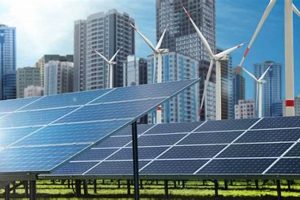
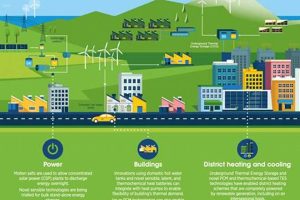
The transition to sustainable energy sources influences job creation, investment flows, energy prices, and overall economic activity. For instance, the development of a wind farm generates jobs in manufacturing, construction, maintenance, and operation, stimulating local economies. Investment in renewable energy technologies also drives innovation and fosters new industries.
Sustainable energy’s influence on economic growth, energy security, and environmental sustainability is substantial. Historically, reliance on fossil fuels created vulnerabilities to price volatility and supply disruptions. Diversifying energy sources through renewables enhances energy independence and price stability, mitigating these risks. Furthermore, a shift away from fossil fuels reduces greenhouse gas emissions, contributing to a healthier environment and potentially mitigating the economic costs associated with climate change.
A deeper examination of this multifaceted topic requires exploring specific facets, such as the effects on different economic sectors, the role of government policies, and the challenges and opportunities presented by the ongoing energy transition.
Tips for Understanding the Economic Implications of Renewable Energy
The following tips provide insights for navigating the complex landscape of renewable energy economics:
Tip 1: Consider the Full Economic Picture. Analysis should extend beyond initial investment costs to encompass long-term operational expenses, job creation, supply chain development, and impacts on related industries.
Tip 2: Account for Regional Differences. The economic effects of renewable energy vary significantly depending on local resources, existing infrastructure, and policy landscapes. A wind farm’s impact in a coastal region will differ from that in a landlocked area.
Tip 3: Evaluate the Role of Government Policies. Incentives, subsidies, and regulations play a crucial role in shaping the economic viability and growth of renewable energy sectors. Understanding these policy mechanisms is essential for accurate assessment.
Tip 4: Recognize the Long-Term Benefits. While upfront costs can be substantial, renewable energy investments often yield long-term economic advantages, including reduced reliance on volatile fossil fuel markets and decreased healthcare expenditures associated with pollution.
Tip 5: Acknowledge the Challenges. Integration of renewable energy sources into existing grids can present technical and economic hurdles. Addressing these challenges requires careful planning and investment in grid modernization.
Tip 6: Focus on Innovation. Continued research and development in renewable energy technologies are essential for driving down costs, improving efficiency, and expanding deployment opportunities.
Tip 7: Consider Social Impacts. The transition to renewable energy can affect communities in various ways, including employment opportunities, land use changes, and social acceptance of new technologies. These social factors warrant careful consideration.
By understanding these multifaceted considerations, a more comprehensive understanding of the economic implications of renewable energy can be achieved.
These economic factors, alongside environmental and social considerations, inform the broader discourse on sustainable energy transitions.
1. Job Creation

Renewable energy sources offer substantial job creation potential, representing a key component of their overall economic impact. Transitioning to these sustainable alternatives necessitates new industries and expands existing ones, generating employment opportunities across various skill levels and geographic locations.
- Manufacturing and Installation
Manufacturing renewable energy technologies, such as solar panels, wind turbines, and batteries, creates factory jobs and stimulates related supply chains. The subsequent installation of these technologies requires skilled labor, further contributing to employment growth. For example, the growth of the solar industry has led to significant increases in manufacturing and installation jobs, particularly in regions with favorable solar resources.
- Operations and Maintenance
Once operational, renewable energy facilities require ongoing maintenance and management, creating long-term employment opportunities for technicians, engineers, and other skilled professionals. Wind farms, for instance, necessitate regular maintenance to ensure optimal performance and longevity, providing sustained employment for local communities.
- Research and Development
Continued innovation in renewable energy technologies relies on a robust research and development sector. Scientists, engineers, and researchers contribute to improving efficiency, reducing costs, and exploring new applications for sustainable energy sources. This sector generates high-skilled jobs and fosters technological advancements that drive economic growth.
- Support Services
The renewable energy sector also generates indirect employment opportunities in supporting industries, such as finance, legal services, and consulting. Project development, financing, and regulatory compliance require specialized expertise, creating jobs in these related fields. For instance, financial analysts and legal professionals play a crucial role in structuring renewable energy projects and ensuring regulatory compliance.
The diverse job creation potential associated with renewable energy transitions contributes significantly to economic development. These employment opportunities not only bolster local and national economies but also facilitate a shift towards a more sustainable and resilient energy future. The creation of high-quality, sustainable jobs in the renewable energy sector represents a crucial aspect of its positive economic impact.
2. Investment Growth

Investment growth represents a crucial driver of the economic impact of renewable energy. Capital deployed into renewable energy projects stimulates economic activity, generates jobs, and fosters innovation. Analyzing investment trends provides valuable insights into the evolving landscape of the renewable energy sector and its broader economic implications.
- Project Financing
Large-scale renewable energy projects, such as wind farms, solar parks, and hydroelectric dams, require substantial upfront investment. This capital expenditure flows through the economy, supporting construction, manufacturing, and engineering activities. For example, financing a solar farm creates demand for solar panels, mounting systems, and electrical infrastructure, stimulating these industries and generating employment opportunities. Project financing also mobilizes private capital, reducing reliance on public funding and leveraging market mechanisms to drive renewable energy deployment.
- Venture Capital and Innovation
Venture capital plays a critical role in supporting early-stage renewable energy technologies and fostering innovation. Investments in research and development, pilot projects, and startups accelerate the commercialization of new technologies, driving down costs and improving efficiency. This venture capital activity not only creates new companies and industries but also fosters technological advancements that contribute to the broader transition to a sustainable energy future. For example, venture capital investments have played a significant role in the development of advanced battery technologies, which are essential for integrating intermittent renewable energy sources into the grid.
- Public Sector Investment
Government investments in renewable energy infrastructure, research, and development play a crucial role in supporting market growth and accelerating the energy transition. Public funding can de-risk early-stage technologies, create incentives for private sector investment, and support the development of necessary infrastructure, such as transmission lines and grid modernization projects. Public sector investment also plays a crucial role in supporting renewable energy deployment in developing countries, where access to capital may be limited.
- Infrastructure Development
Investment in grid modernization and expansion is essential for integrating renewable energy sources into existing energy systems. Upgrading transmission lines, developing smart grid technologies, and expanding energy storage capacity facilitate the efficient and reliable integration of variable renewable energy sources, such as solar and wind power. This infrastructure investment creates jobs, improves grid reliability, and enables greater penetration of renewable energy, contributing to long-term economic growth and stability.
These diverse investment streams contribute significantly to the overall economic impact of renewable energy. The interplay between project finance, venture capital, public sector investment, and infrastructure development creates a dynamic landscape that drives innovation, generates economic activity, and supports the transition to a more sustainable energy future. The resulting economic growth, job creation, and technological advancements solidify the crucial role of investment in shaping the renewable energy sector and its broader economic impact.
3. Energy Price Stability

Energy price stability represents a significant factor within the broader economic impact of renewable energy. Volatile fossil fuel prices introduce uncertainty into economic planning and can negatively affect businesses, consumers, and overall economic growth. Renewable energy sources, with their relatively stable fuel costs, offer a pathway to mitigate these price fluctuations and enhance energy security.
- Reduced Reliance on Volatile Fossil Fuels
Renewable energy sources decouple electricity generation from the volatile global fossil fuel markets. Unlike fossil fuels, sunlight and wind are free, and their costs are primarily associated with infrastructure development and maintenance, which are relatively stable over time. This inherent price stability reduces exposure to price shocks and enhances predictability for businesses and consumers. For example, a factory powered by solar panels faces less uncertainty regarding energy costs compared to one reliant on natural gas, allowing for more accurate financial planning and investment decisions.
- Predictable Energy Costs for Consumers
Price volatility in fossil fuel markets translates into fluctuating electricity bills for consumers. Renewable energy can stabilize these costs, providing households with greater budget certainty and protecting them from price spikes. This predictability can be particularly beneficial for low-income households, who are disproportionately affected by energy price increases. For instance, rooftop solar installations combined with battery storage can provide households with a fixed, predictable energy cost over the system’s lifetime, shielding them from fluctuating grid electricity prices.
- Enhanced Energy Security
Reliance on imported fossil fuels creates energy security vulnerabilities for nations dependent on these resources. Renewable energy sources, being domestically available, enhance energy independence and reduce reliance on geopolitical factors that can influence fuel prices and supply. This increased energy security strengthens national economies and reduces vulnerability to external disruptions. For example, a country investing heavily in wind power reduces its dependence on imported oil or natural gas, enhancing its energy security and reducing its vulnerability to global fuel price fluctuations or supply disruptions.
- Long-Term Price Stability
While the initial investment costs for renewable energy projects can be substantial, the long-term operational costs are relatively low and predictable. This characteristic contributes to long-term price stability in the electricity sector, providing a stable foundation for economic planning and investment. For instance, once a wind farm is operational, the primary costs are associated with maintenance and operations, which are significantly lower and more predictable than the fluctuating fuel costs associated with fossil fuel-based power plants.
The enhanced price stability offered by renewable energy sources contributes significantly to their overall positive economic impact. Reduced price volatility, predictable energy costs, enhanced energy security, and long-term price stability create a more favorable environment for businesses, consumers, and overall economic growth, supporting a more sustainable and resilient energy future. This stability provides a strong foundation for long-term economic planning, encouraging investment and fostering sustainable economic development.
4. Technological Innovation

Technological innovation plays a crucial role in driving the economic impact of renewable energy. Advancements in renewable energy technologies directly influence costs, efficiency, and accessibility, shaping the overall economic landscape of the sector. This connection operates through several key mechanisms, creating a positive feedback loop where innovation spurs economic growth and vice-versa.
Reduced costs are a primary outcome of technological innovation. Improvements in materials, manufacturing processes, and design lead to lower capital costs for renewable energy systems. For example, advancements in photovoltaic cell technology have dramatically reduced the cost of solar panels, making solar energy increasingly competitive with conventional energy sources. Similarly, innovations in wind turbine design, such as larger rotor diameters and improved blade aerodynamics, have increased energy capture efficiency, lowering the cost of wind energy. These cost reductions stimulate market growth, driving further investment and job creation within the renewable energy sector. Increased efficiency also results from technological advancements. More efficient solar panels convert a higher percentage of sunlight into electricity, maximizing energy output from a given area. Similarly, more efficient wind turbines capture a greater proportion of wind energy, improving overall performance. This increased efficiency translates into higher returns on investment, making renewable energy projects more financially attractive and driving further deployment. Enhanced energy storage technologies, such as advanced battery systems and pumped hydro storage, address the intermittency challenges associated with solar and wind power, further enhancing the economic viability of these resources.
Technological innovation unlocks new applications and markets for renewable energy. Advances in off-grid and microgrid technologies expand access to electricity in remote areas and developing countries, fostering economic development and improving quality of life. Furthermore, innovations in electric vehicle technology, coupled with renewable energy integration, create new markets and stimulate economic activity throughout the transportation sector. The development of smart grid technologies improves grid management, facilitating the integration of higher percentages of renewable energy and enhancing grid stability. These advancements create new economic opportunities, drive job creation, and contribute to a more sustainable energy future. However, challenges remain. Continued investment in research and development is essential to overcome technical barriers, improve energy storage solutions, and further reduce costs. Addressing these challenges through sustained technological innovation is crucial for realizing the full economic potential of renewable energy and achieving a global transition to a sustainable energy system.
5. Sustainable Development
Sustainable development, encompassing economic progress, social equity, and environmental protection, is intrinsically linked to the economic impact of renewable energy. Renewable energy technologies offer a pathway to decouple economic growth from environmental degradation, fostering a more sustainable and resilient future. Examining specific facets of this relationship reveals the depth and breadth of this connection.
- Environmental Protection
Renewable energy sources mitigate environmental damage associated with fossil fuel-based energy generation. Reduced greenhouse gas emissions, decreased air and water pollution, and minimized land degradation contribute to a healthier environment and reduce the economic costs associated with environmental remediation and healthcare. For example, replacing coal-fired power plants with solar farms reduces air pollution, leading to improved public health outcomes and decreased healthcare expenditures. This direct link between renewable energy and environmental protection underscores its importance in achieving sustainable development goals.
- Economic Growth and Diversification
Renewable energy investments stimulate economic growth and diversify economic activity. New industries emerge, existing sectors expand, and job creation occurs across various skill levels. This economic diversification enhances resilience to economic shocks and reduces dependence on volatile fossil fuel markets. For instance, the growth of the wind energy industry creates jobs in manufacturing, installation, maintenance, and research, contributing to economic growth and diversification in regions with strong wind resources. This diversified economic activity fosters long-term economic stability and resilience.
- Social Equity and Energy Access
Renewable energy technologies can promote social equity by expanding access to electricity in underserved communities, particularly in developing countries. Off-grid and microgrid solutions powered by renewable sources can electrify rural areas, empowering communities and fostering economic development. Increased energy access improves education, healthcare, and overall quality of life, contributing to social equity and sustainable development. For example, solar-powered microgrids can provide electricity to remote villages, enabling access to lighting, refrigeration, and communication technologies, improving living standards and promoting economic opportunities.
- Resource Management and Conservation
Renewable energy sources rely on naturally replenishing resources, reducing dependence on finite fossil fuels and promoting responsible resource management. This sustainable approach to energy generation conserves natural resources for future generations, ensuring long-term economic and environmental sustainability. For instance, utilizing solar energy reduces reliance on coal, conserving finite fossil fuel reserves and mitigating the environmental damage associated with coal mining and combustion. This responsible resource management contributes to long-term economic and environmental sustainability.
These interconnected facets demonstrate the integral role of renewable energy in achieving sustainable development goals. By fostering economic growth, protecting the environment, promoting social equity, and ensuring responsible resource management, renewable energy technologies provide a pathway towards a more sustainable and prosperous future. The transition to a renewable energy-powered economy represents a crucial step in achieving global sustainable development objectives.
Frequently Asked Questions
The following questions and answers address common inquiries regarding the economic implications of transitioning to renewable energy sources.
Question 1: How does renewable energy affect job creation?
Renewable energy sectors create jobs in manufacturing, installation, maintenance, and operation of renewable energy technologies. Further job creation occurs in research, development, and supporting industries.
Question 2: How does investment in renewable energy influence economic growth?
Investment in renewable energy projects stimulates economic activity by generating demand for materials, equipment, and labor. These investments create jobs, foster innovation, and contribute to overall economic expansion.
Question 3: What is the impact of renewable energy on energy prices?
Renewable energy sources offer price stability due to their relatively stable fuel costs (sunlight and wind are free). This stability can protect consumers and businesses from the volatility of fossil fuel markets.
Question 4: How does renewable energy contribute to technological innovation?
Research and development in renewable energy technologies drive innovation, leading to more efficient and cost-effective energy solutions. These advancements benefit various sectors, including transportation and energy storage.
Question 5: What are the long-term economic benefits of transitioning to renewable energy?
Long-term benefits include enhanced energy security, reduced reliance on imported fossil fuels, and a more stable energy market, all of which contribute to sustainable economic growth.
Question 6: What are the potential economic challenges associated with renewable energy integration?
Challenges include upfront investment costs, grid integration complexities, and the intermittency of some renewable sources. However, technological advancements and supportive policies mitigate these challenges.
Careful consideration of these factors contributes to a more comprehensive understanding of the complex economic implications of the transition to renewable energy sources.
Further exploration of specific renewable energy technologies and their unique economic contributions is encouraged to gain a deeper understanding of the evolving energy landscape.
Conclusion
Analysis reveals the transformative influence of renewable energy on economic systems. Job creation across diverse sectors, from manufacturing to maintenance, accompanies renewable energy deployment. Investment in these technologies stimulates economic growth and fosters innovation. Furthermore, renewable energy enhances energy price stability by reducing reliance on volatile fossil fuel markets. This shift toward sustainable energy sources supports long-term economic resilience and mitigates risks associated with resource scarcity and price fluctuations. The transition also fosters technological advancements, driving efficiency improvements and creating new economic opportunities. Overall, the transition to renewable energy presents a significant opportunity for sustainable economic development.
The economic impact of renewable energy extends beyond immediate financial gains. It represents a fundamental shift towards a more sustainable and resilient economic future. Continued investment, policy support, and technological innovation are crucial for maximizing the economic benefits and ensuring a smooth transition to a clean energy economy. The future of economic prosperity is intertwined with the successful integration of renewable energy sources, presenting both a challenge and an unparalleled opportunity for global economic advancement.