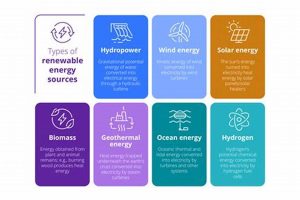
The question of transitioning to sustainable energy sources is no longer a matter of preference, but of necessity. A global shift away from fossil fuels toward sources like solar, wind, hydro, and geothermal power is paramount for a multitude of reasons. This transition represents a fundamental change in how societies generate and consume power.
Secure access to energy underpins economic stability and societal well-being. Continuing dependence on finite fossil fuels presents significant risks, including price volatility, geopolitical instability, and environmental degradation. Sustainable energy offers a path towards greater energy independence, more stable prices, and a reduction in harmful emissions that contribute to climate change. The historical reliance on fossil fuels has led to unprecedented levels of greenhouse gas emissions, highlighting the urgent need for cleaner alternatives.
The following sections will delve deeper into the specific advantages of various sustainable energy technologies, the challenges associated with their implementation, and the policy frameworks needed to facilitate a global transition to a cleaner, more sustainable energy future.
Tips for Supporting a Sustainable Energy Transition
The transition to a sustainable energy future requires collective action. Individuals, communities, and governments all have a role to play in facilitating this crucial shift. The following tips offer practical guidance for supporting this transition:
Tip 1: Advocate for Policy Changes: Support policies that incentivize renewable energy development, such as tax credits for renewable energy installations, renewable portfolio standards, and carbon pricing mechanisms. Engage with elected officials to express support for these policies.
Tip 2: Invest in Renewable Energy: Consider investing in renewable energy companies or projects. Community solar projects and green bonds offer opportunities for individuals to participate directly in the expansion of renewable energy infrastructure.
Tip 3: Reduce Energy Consumption: Implementing energy efficiency measures at home and in the workplace can significantly reduce overall energy demand. This includes using energy-efficient appliances, improving insulation, and adopting smart home technologies.
Tip 4: Support Sustainable Businesses: Choose to patronize businesses committed to sustainability and renewable energy practices. This can encourage wider adoption of sustainable practices across industries.
Tip 5: Educate and Engage: Stay informed about advancements in renewable energy technologies and policy developments. Share this knowledge with others and engage in conversations about the importance of a sustainable energy future.
Tip 6: Explore On-Site Generation: Where feasible, explore the potential for on-site renewable energy generation, such as rooftop solar installations or small-scale wind turbines.
Tip 7: Consider Transportation Choices: Opt for sustainable transportation options like walking, cycling, public transit, or electric vehicles whenever possible. This can significantly reduce reliance on fossil fuels.
By adopting these practices, individuals and communities can contribute meaningfully to a more sustainable energy future. Collective action can accelerate the transition toward cleaner, more resilient energy systems.
The shift toward sustainable energy presents both challenges and opportunities. The following section will explore the potential long-term benefits of a global transition to renewable energy sources.
1. Climate Change Mitigation

Climate change mitigation represents a crucial aspect of addressing the global challenge of rising greenhouse gas emissions. The central question of transitioning to renewable energy sources is inextricably linked to the urgent need for climate change mitigation. Reducing reliance on fossil fuels and embracing sustainable energy alternatives forms the cornerstone of effective climate action.
- Reducing Greenhouse Gas Emissions
Renewable energy sources, such as solar, wind, and hydro, produce little to no greenhouse gas emissions during operation. This contrasts sharply with fossil fuels, which release significant amounts of carbon dioxide and other greenhouse gases when burned. Replacing fossil fuel-based power generation with renewable alternatives directly reduces the amount of greenhouse gases entering the atmosphere, thereby mitigating the effects of climate change. For example, a solar farm displaces the need for a coal-fired power plant, preventing tons of CO2 emissions annually.
- Decarbonizing the Energy Sector
The energy sector is a major contributor to global greenhouse gas emissions. Transitioning to a decarbonized energy system, powered by renewable sources, is essential for achieving climate mitigation targets. This involves not only replacing fossil fuel power plants with renewable alternatives but also electrifying other sectors, such as transportation and heating, and powering them with clean electricity. The increasing adoption of electric vehicles, charged by renewable energy, exemplifies this decarbonization process.
- Enhancing Energy Independence and Security
Climate change mitigation through renewable energy also enhances energy independence and security. By relying on domestically sourced renewable resources, countries can reduce their dependence on volatile global fossil fuel markets. This reduces vulnerability to price fluctuations and geopolitical instability. Investing in distributed renewable energy generation, such as rooftop solar, further enhances energy security by diversifying energy sources and increasing resilience to disruptions.
- Promoting Sustainable Development
Climate change mitigation through renewable energy is a key component of sustainable development. By reducing reliance on finite resources and minimizing environmental damage, renewable energy supports long-term economic growth and societal well-being. The creation of green jobs in the renewable energy sector further contributes to sustainable development by providing economic opportunities and fostering innovation.
These facets of climate change mitigation underscore the critical need for a rapid and comprehensive transition to renewable energy. By reducing emissions, decarbonizing the energy sector, enhancing energy security, and promoting sustainable development, renewable energy offers a pathway towards a more stable and prosperous future in the face of climate change. The interconnectedness of these benefits further strengthens the argument for prioritizing investments in and policies supporting the expansion of renewable energy technologies globally.
2. Resource Depletion

Resource depletion, the consumption of finite resources at a rate faster than their replenishment, is a critical factor underscoring the need for renewable energy. Fossil fuels, the dominant energy source globally, are finite resources. Their extraction and use contribute to resource depletion, raising concerns about long-term energy security and environmental sustainability. The transition to renewable energy sources offers a pathway to mitigate resource depletion and ensure a more sustainable energy future.
- Fossil Fuel Depletion
Fossil fuels, including coal, oil, and natural gas, are formed over millions of years and exist in limited quantities. Continued reliance on these resources inevitably leads to their depletion. As readily accessible reserves dwindle, extraction becomes more challenging and expensive, potentially leading to price volatility and supply disruptions. The finite nature of fossil fuels necessitates a shift toward renewable alternatives that can provide a sustainable, long-term energy supply.
- Environmental Impacts of Extraction
The extraction of fossil fuels often has significant environmental impacts. Mining for coal can lead to habitat destruction and water pollution. Oil and gas drilling can cause spills and leaks, contaminating soil and water resources. These environmental consequences further underscore the need for renewable energy sources, which generally have a lower environmental footprint. For instance, solar and wind farms, while requiring land use, do not generate the same level of pollution as fossil fuel extraction.
- Strategic Importance of Resource Availability
Access to energy resources plays a crucial role in geopolitical stability and national security. Dependence on finite fossil fuel resources can create vulnerabilities for nations reliant on imports. Transitioning to renewable energy sources enhances energy independence and reduces reliance on volatile global markets. Countries with abundant renewable resources, such as solar or wind potential, can leverage these resources to enhance their energy security and reduce reliance on foreign energy sources.
- Intergenerational Equity
Resource depletion raises concerns about intergenerational equity. Consuming finite resources at a rapid rate leaves fewer resources available for future generations. Transitioning to renewable energy sources, which are inherently replenishable, ensures a more equitable distribution of energy resources over time. This allows future generations to meet their energy needs without facing the limitations imposed by resource depletion.
The depletion of finite resources, coupled with the environmental consequences of their extraction and the geopolitical implications of resource scarcity, strongly supports the argument for transitioning to renewable energy sources. By utilizing resources that are naturally replenished, such as solar and wind energy, societies can mitigate the risks associated with resource depletion and ensure a more sustainable and equitable energy future for all.
3. Energy Security

Energy security is intrinsically linked to the question of transitioning to renewable energy sources. It encompasses the reliable availability of energy resources at affordable prices, while also considering environmental sustainability and geopolitical factors. The increasing global demand for energy, coupled with the finite nature of fossil fuels and their associated geopolitical risks, underscores the importance of renewable energy in achieving long-term energy security.
- Diversification of Energy Sources
Renewable energy sources offer a crucial pathway to diversify energy supply. Over-reliance on a single energy source, particularly imported fossil fuels, creates vulnerabilities to price volatility and supply disruptions. Diversifying the energy mix with renewable sources, such as solar, wind, hydro, and geothermal, enhances energy independence and resilience. For example, a nation relying heavily on imported natural gas can enhance its energy security by developing domestic wind and solar resources.
- Geopolitical Stability
Fossil fuel resources are often concentrated in specific regions, leading to geopolitical tensions and potential conflicts over access and control. Renewable energy resources, on the other hand, are more widely distributed geographically. Transitioning to renewable energy can reduce dependence on volatile regions and enhance geopolitical stability. A country investing in solar energy reduces its reliance on oil imports from politically unstable regions, enhancing its own energy security.
- Price Volatility Mitigation
Fossil fuel prices are subject to significant fluctuations due to global market dynamics and geopolitical events. Renewable energy sources, once established, offer greater price stability as their fuel source (sunlight, wind, etc.) is essentially free. This predictability can protect consumers and businesses from the economic shocks associated with fossil fuel price volatility. For example, a business powered by rooftop solar panels is less vulnerable to fluctuations in electricity prices derived from fossil fuels.
- Supply Chain Resilience
Renewable energy technologies often involve shorter and more localized supply chains compared to fossil fuels. This can enhance energy security by reducing reliance on complex global supply chains vulnerable to disruptions. For instance, manufacturing solar panels domestically reduces dependence on international supply chains for energy generation equipment.
The facets of energy security discussed above highlight the critical role of renewable energy in creating a more secure and sustainable energy future. By diversifying energy sources, enhancing geopolitical stability, mitigating price volatility, and strengthening supply chain resilience, the transition to renewable energy offers a pathway to greater energy independence and a more robust energy system. This reinforces the affirmative answer to the question, “Do we need renewable energy?”.
4. Economic Growth

Economic growth and the transition to renewable energy are not mutually exclusive but rather represent mutually reinforcing objectives. Sustainable economic growth requires a secure, affordable, and environmentally responsible energy supply. Renewable energy technologies offer a pathway to achieve these objectives, while also stimulating economic activity and creating new opportunities for innovation and job creation.
- Job Creation
The renewable energy sector is a significant source of job creation. Manufacturing, installing, and maintaining renewable energy technologies require a skilled workforce. As the renewable energy sector expands, it creates new employment opportunities across the supply chain, from manufacturing to installation to maintenance and operations. For example, the growth of the solar industry has led to a substantial increase in jobs related to solar panel manufacturing, installation, and maintenance.
- Investment Opportunities
The transition to renewable energy presents significant investment opportunities. Developing and deploying renewable energy technologies requires substantial capital investment. This creates opportunities for businesses, investors, and governments to participate in a growing market. Investing in renewable energy infrastructure, such as wind farms or solar parks, can generate long-term returns while contributing to a sustainable energy future. For instance, pension funds and impact investors are increasingly allocating capital to renewable energy projects.
- Innovation and Technological Advancement
The renewable energy sector is a driver of innovation and technological advancement. Research and development in renewable energy technologies lead to improvements in efficiency, cost-effectiveness, and performance. These advancements not only benefit the renewable energy sector but also have spillover effects on other industries. For example, advancements in battery storage technology, driven by the growth of electric vehicles and renewable energy integration, have applications in various sectors, from consumer electronics to grid-scale energy storage.
- Rural Development
Renewable energy projects can contribute to rural development. Many renewable energy resources, such as wind and solar, are located in rural areas. Developing these resources can bring economic benefits to rural communities, creating jobs and generating revenue. For example, a wind farm built in a rural area can provide lease payments to landowners, create jobs for local residents, and generate tax revenue for the community.
The transition to renewable energy offers a pathway to sustainable economic growth. By creating jobs, attracting investment, driving innovation, and supporting rural development, renewable energy technologies contribute to a more resilient and prosperous economy. These economic benefits, coupled with the environmental and energy security advantages of renewable energy, make a compelling case for its continued expansion. The question “Do we need renewable energy?” is thus answered with a resounding yes, not only for environmental reasons but also for the sake of sustained economic prosperity.
5. Technological Innovation

Technological innovation is central to the viability and growth of renewable energy, directly addressing the global need for sustainable energy solutions. Advancements in renewable energy technologies drive cost reductions, improve efficiency, and expand the range of applications, making renewable energy increasingly competitive with fossil fuels and accelerating the transition towards a cleaner energy future.
- Improved Energy Conversion Efficiency
Continuous innovation focuses on enhancing the efficiency with which renewable energy sources are converted into usable electricity. For example, advancements in photovoltaic cell design and manufacturing processes have significantly increased the efficiency of solar panels, allowing them to generate more electricity from the same amount of sunlight. Similarly, research into wind turbine aerodynamics and blade design leads to more efficient capture of wind energy. These improvements directly impact the economic viability of renewable energy, making it more competitive and accelerating its adoption.
- Advanced Energy Storage Solutions
The intermittent nature of some renewable energy sources, like solar and wind, necessitates effective energy storage solutions. Technological advancements in battery technology, pumped hydro storage, and other storage methods are crucial for ensuring a stable and reliable supply of renewable energy. For instance, the development of high-capacity batteries allows for storing excess solar energy generated during peak hours for use during periods of low sunlight. Such innovations address a key challenge associated with renewable energy integration and enable a more reliable and resilient energy grid.
- Smart Grid Technologies
Smart grid technologies play a vital role in optimizing the integration of renewable energy sources into the electricity grid. These technologies utilize advanced sensors, communication networks, and data analytics to manage energy flow, balance supply and demand, and improve grid stability. For example, smart grids can predict and manage fluctuations in renewable energy generation, optimizing the use of energy storage and minimizing the need for conventional power plants. Such advancements are essential for maximizing the effectiveness and reliability of renewable energy integration.
- Grid Modernization and Integration
Technological innovation is crucial for modernizing existing grid infrastructure and seamlessly integrating renewable energy sources. This includes developing advanced power electronics, grid management systems, and transmission technologies that can accommodate the decentralized and variable nature of renewable energy. High-voltage direct current (HVDC) transmission lines, for example, enable efficient long-distance transmission of renewable energy from remote areas to population centers. Such innovations are essential for building a more robust and flexible grid capable of supporting a high penetration of renewable energy.
These interconnected technological advancements demonstrate that innovation is not merely a supporting factor, but a driving force behind the increasing feasibility and necessity of renewable energy. Continued progress in these areas directly addresses the challenges associated with transitioning away from fossil fuels and strengthens the argument for embracing renewable energy as a cornerstone of a sustainable energy future. The question of whether we need renewable energy is thus increasingly answered by the continuous emergence of innovative solutions that make it not only desirable but also technologically and economically viable.
6. Public Health Improvement
Public health improvement is inextricably linked to the transition to renewable energy. The burning of fossil fuels releases harmful pollutants into the atmosphere, contributing to a range of respiratory and cardiovascular diseases. Shifting to cleaner energy sources demonstrably improves air quality, resulting in significant public health benefits and reducing the burden on healthcare systems. This connection underscores the critical importance of renewable energy in creating a healthier and more sustainable future.
- Reduced Air Pollution
Renewable energy sources produce little to no air pollution compared to fossil fuels. This reduction in air pollutants, such as particulate matter, nitrogen oxides, and sulfur dioxide, directly translates into improved respiratory health, particularly for vulnerable populations like children and the elderly. For example, studies have shown a decrease in respiratory illnesses in cities that have transitioned to cleaner energy sources. This improvement in air quality contributes to a healthier population and reduces healthcare costs associated with treating respiratory ailments.
- Decreased Respiratory and Cardiovascular Diseases
Exposure to air pollution from fossil fuels is a significant risk factor for respiratory and cardiovascular diseases. By reducing air pollution, the transition to renewable energy can lead to a decrease in the incidence and severity of these diseases. This, in turn, reduces hospital admissions, healthcare expenditures, and lost productivity due to illness. For instance, a study by the Harvard School of Public Health found a strong correlation between exposure to air pollution and increased risk of heart attacks and strokes. Transitioning to renewable energy helps mitigate this risk.
- Mitigation of Climate Change-Related Health Impacts
Climate change, driven largely by the burning of fossil fuels, poses numerous threats to public health, including heat-related illnesses, the spread of infectious diseases, and increased frequency of extreme weather events. Renewable energy plays a crucial role in mitigating climate change, thereby protecting public health from these escalating risks. For example, reducing greenhouse gas emissions through renewable energy can help limit the rise in global temperatures, reducing the incidence of heatstroke and other heat-related illnesses.
- Enhanced Quality of Life
Improved air quality and a healthier environment contribute to an enhanced quality of life. Cleaner air allows for greater enjoyment of outdoor activities, promoting physical activity and mental well-being. Reduced noise pollution from renewable energy sources, compared to the noise associated with fossil fuel extraction and combustion, further enhances quality of life, particularly in urban areas. These benefits contribute to healthier, more vibrant communities.
The positive impacts of renewable energy on public health are undeniable. By reducing air pollution, mitigating climate change-related health impacts, and enhancing overall quality of life, the transition to renewable energy offers a pathway to a healthier and more sustainable future. These public health benefits represent a compelling argument for accelerating the adoption of renewable energy technologies, demonstrating that the question “Do we need renewable energy?” is not just about environmental sustainability but also about safeguarding human health and well-being.
7. Sustainable Development
Sustainable development and the transition to renewable energy are inextricably linked. The core principles of sustainable developmentmeeting present needs without compromising the ability of future generations to meet their own needsalign directly with the long-term perspective inherent in renewable energy adoption. Renewable energy sources offer a pathway to economic development, social equity, and environmental protection, the three pillars of sustainability. This interconnectedness positions renewable energy as a crucial enabler of sustainable development goals.
Renewable energy’s contribution to sustainable development manifests in various ways. Access to clean and affordable energy is essential for economic development, particularly in developing countries. Renewable energy technologies can power homes, businesses, and industries, creating economic opportunities and improving living standards. For example, off-grid solar systems can electrify rural communities, enabling access to education, healthcare, and economic activities. Furthermore, renewable energy projects generate employment opportunities in manufacturing, installation, maintenance, and operation, stimulating local economies and fostering social equity. The environmental benefits of renewable energy, such as reduced air and water pollution, contribute directly to environmental protection, safeguarding ecosystems and human health. The shift towards renewable energy also reduces reliance on finite resources, ensuring resource availability for future generations. For instance, transitioning transportation systems to electric vehicles powered by renewable energy reduces dependence on fossil fuels and mitigates air pollution in urban areas.
Realizing the full potential of renewable energy for sustainable development requires a multi-faceted approach. Policy frameworks that incentivize renewable energy investment and deployment are essential. International cooperation and knowledge sharing can accelerate the adoption of renewable energy technologies globally. Capacity building and workforce development are crucial for ensuring that communities have the skills and expertise needed to manage and maintain renewable energy systems. Addressing the social and environmental impacts of renewable energy projects, such as land use and biodiversity considerations, is also essential for ensuring truly sustainable development. Ultimately, the transition to renewable energy is not merely a technological shift, but a fundamental step towards a more sustainable and equitable future for all.
Frequently Asked Questions about the Need for Renewable Energy
This section addresses common inquiries regarding the necessity of transitioning to renewable energy sources, offering concise and informative responses.
Question 1: With the abundance of fossil fuels still available, why is there such an urgent need to transition to renewable energy?
While substantial fossil fuel reserves remain, their continued use presents significant long-term risks. These include escalating climate change impacts, resource depletion, price volatility, and geopolitical instability. Renewable energy offers a sustainable alternative that mitigates these risks.
Question 2: Are renewable energy sources reliable enough to meet global energy demands, considering their intermittent nature?
Advancements in energy storage technologies, coupled with smart grid management and diversified renewable energy portfolios, are addressing the intermittency challenge. These advancements are steadily increasing the reliability of renewable energy supply.
Question 3: Is the transition to renewable energy economically feasible, considering the initial investment costs?
While initial investments can be substantial, the long-term economic benefits of renewable energy often outweigh the upfront costs. These benefits include reduced fuel costs, job creation, technological innovation, and increased energy independence. Furthermore, the cost of renewable energy technologies has decreased significantly in recent years, making them increasingly competitive with fossil fuels.
Question 4: How can renewable energy address the energy needs of developing countries with limited access to electricity?
Decentralized renewable energy solutions, such as off-grid solar and microgrids, offer a cost-effective way to electrify remote communities in developing countries. These solutions can leapfrog traditional grid infrastructure, providing access to clean and affordable energy.
Question 5: What role does government policy play in accelerating the transition to renewable energy?
Supportive government policies, such as carbon pricing mechanisms, renewable portfolio standards, and tax incentives, are crucial for creating a favorable market environment for renewable energy investment and deployment. These policies can accelerate the transition towards a sustainable energy future.
Question 6: How can individuals contribute to the global shift toward renewable energy?
Individuals can contribute through various actions, including reducing energy consumption, supporting policies that promote renewable energy, investing in renewable energy projects, and adopting sustainable lifestyle choices.
The transition to renewable energy is not merely a technological challenge but a societal imperative. Addressing the concerns surrounding this transition requires a combination of technological advancements, policy support, and individual action.
The following section explores the future of renewable energy and the potential for further innovation and growth in this vital sector.
Do We Need Renewable Energy? A Resounding Yes.
The exploration of the imperative to transition to renewable energy sources has unequivocally affirmed the critical need for this global shift. From mitigating climate change and enhancing energy security to driving economic growth and improving public health, the benefits of renewable energy are multifaceted and far-reaching. The finite nature of fossil fuels, coupled with their detrimental environmental and geopolitical impacts, underscores the urgency of embracing sustainable alternatives. Technological innovation continues to drive down costs and improve the efficiency of renewable energy technologies, making them increasingly competitive and accessible. The examination of resource depletion, economic implications, and public health benefits further solidifies the argument for prioritizing renewable energy development.
The transition to a sustainable energy future requires collective action. Governments, industries, and individuals must collaborate to accelerate the deployment of renewable energy technologies and create a more resilient, equitable, and environmentally responsible energy system. The future of energy lies in harnessing the power of renewable resources, ensuring a sustainable and prosperous future for generations to come. The question is not if we need renewable energy, but how rapidly we can transition to a world powered by its inexhaustible potential.