The renewable energy sector encompasses a wide range of professions dedicated to developing, implementing, and maintaining energy sources derived from natural processes that are replenished over a relatively short period. These sources include solar, wind, hydro, geothermal, and biomass. Examples of roles within the sector include solar panel installers, wind turbine technicians, environmental engineers, and energy policy analysts.
Growth in this field is driven by increasing global energy demands and the urgent need to mitigate climate change by reducing reliance on fossil fuels. A shift toward sustainable practices creates jobs, fosters technological innovation, and enhances energy security for communities and nations. Historically, reliance on conventional energy sources limited employment prospects in the energy sector. However, advances in renewable energy technologies have opened up diverse and rapidly expanding professional fields.
The following sections delve deeper into specific career paths within the renewable energy industry, exploring required skills, educational backgrounds, potential salary expectations, and projected future growth in different areas.
Tips for Pursuing a Career in Renewable Energy
Navigating the dynamic landscape of the renewable energy sector requires strategic planning and informed decision-making. The following tips offer guidance for individuals interested in pursuing a fulfilling career contributing to a sustainable future.
Tip 1: Identify Specific Areas of Interest: The renewable energy sector encompasses diverse fields, from research and development to installation and maintenance. Focusing on a specific area, such as solar energy, wind power, or bioenergy, allows for targeted skill development and career planning.
Tip 2: Develop Relevant Skills: Technical proficiency is crucial. Acquire skills through formal education programs, vocational training, or online courses. Examples include engineering skills, data analysis capabilities, and project management expertise.
Tip 3: Gain Practical Experience: Internships, volunteer work, and entry-level positions provide valuable hands-on experience and networking opportunities. Practical experience strengthens resumes and demonstrates commitment to the field.
Tip 4: Network Strategically: Attend industry conferences, join professional organizations, and connect with professionals on online platforms. Networking facilitates knowledge sharing, mentorship, and potential career opportunities.
Tip 5: Stay Updated on Industry Trends: The renewable energy sector is constantly evolving. Staying abreast of technological advancements, policy changes, and market trends ensures career relevance and competitiveness.
Tip 6: Consider Certifications: Industry-recognized certifications validate expertise and enhance career prospects. Examples include certifications in specific renewable energy technologies or project management methodologies.
Tip 7: Research Potential Employers: Understanding the values, missions, and work cultures of different organizations within the renewable energy sector helps individuals identify suitable employment opportunities.
By following these tips, individuals can effectively position themselves for success in the growing and impactful renewable energy sector. Building a robust skillset, staying informed, and actively engaging with the industry are key to achieving long-term career goals.
This exploration of career tips provides a foundation for informed career decisions. The concluding section offers a final perspective on the significance of pursuing a career in renewable energy.
1. Engineering

Engineering disciplines play a crucial role in the advancement and implementation of renewable energy technologies. The demand for qualified engineers across various specializations is increasing rapidly, creating substantial career opportunities. Engineering expertise is essential for designing, developing, and optimizing renewable energy systems, ensuring their efficiency, reliability, and sustainability.
- Energy Systems Engineering
Energy systems engineers focus on the integration of different renewable energy sources into existing power grids. They analyze energy demands, optimize energy storage solutions, and develop control systems to ensure grid stability and reliability. Real-world examples include designing microgrids for remote communities or integrating large-scale solar farms into national power grids. This specialization offers significant career opportunities due to the increasing complexity of managing diverse energy sources.
- Mechanical Engineering
Mechanical engineers contribute to the design and manufacturing of renewable energy components, such as wind turbine blades, solar panel mounting systems, and geothermal power plant equipment. They use their expertise in thermodynamics, fluid mechanics, and materials science to improve the performance and durability of these technologies. For instance, mechanical engineers might work on optimizing the aerodynamics of wind turbine blades to maximize energy capture. The growing demand for efficient and reliable renewable energy technologies translates to ample career prospects for mechanical engineers.
- Electrical Engineering
Electrical engineers play a key role in the design and implementation of electrical systems for renewable energy generation, transmission, and distribution. They develop power electronics, control systems, and grid integration solutions. An example includes designing inverters that convert DC electricity from solar panels into AC electricity for grid connection. The increasing electrification of energy systems creates significant career opportunities for electrical engineers in the renewable energy sector.
- Civil Engineering
Civil engineers contribute to the design and construction of renewable energy infrastructure, such as hydroelectric dams, wind farm foundations, and solar power plants. They ensure the structural integrity and stability of these systems, considering environmental factors and site-specific conditions. For example, civil engineers might work on designing the foundations for offshore wind turbines, considering the challenges of marine environments. The expansion of renewable energy infrastructure creates a continuous demand for civil engineers with expertise in this area.
These engineering disciplines represent a few of the many areas where engineering expertise drives innovation and deployment within the renewable energy sector. The increasing global focus on sustainable energy solutions ensures continued growth and diverse career opportunities across all engineering specializations related to renewable energy.
2. Manufacturing

Manufacturing plays a critical role in the renewable energy sector, encompassing the production of components and equipment essential for harnessing sustainable energy sources. The industry’s growth directly impacts job creation and economic development, offering diverse career paths across various skill levels and specializations. From raw material processing to assembly and quality control, manufacturing processes are integral to the widespread adoption of renewable energy technologies.
- Solar Panel Production
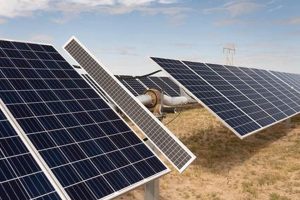
The manufacturing of solar panels involves intricate processes, from silicon purification and wafer production to cell interconnection and module assembly. Specialized technicians and engineers oversee these stages, ensuring quality and efficiency. For instance, production line workers operate automated equipment for precise component placement, while quality control specialists conduct rigorous testing to meet industry standards. The increasing demand for solar energy globally drives continuous innovation and expansion in solar panel manufacturing, creating numerous job opportunities.
- Wind Turbine Component Fabrication
Manufacturing wind turbine components, such as blades, nacelles, and towers, requires advanced materials and precision engineering. Skilled professionals, including welders, machinists, and composite technicians, contribute to the fabrication process. For example, technicians specializing in composite materials fabricate lightweight yet strong turbine blades, while welders assemble the massive steel towers. As wind energy projects continue to scale up, the demand for skilled labor in wind turbine component manufacturing rises correspondingly.
- Battery Storage System Assembly
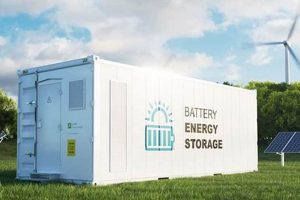
The production of battery storage systems, crucial for storing renewable energy, involves assembling battery cells, modules, and packs. This process requires skilled technicians and engineers to manage complex assembly lines, ensuring safety and performance. Battery management systems are integrated and tested to optimize energy storage and retrieval. The increasing need for grid stability and energy independence drives the growth of battery storage manufacturing, leading to expanding job opportunities.
- Biofuel Production Equipment Manufacturing
Manufacturing equipment for biofuel production involves designing and fabricating specialized machinery for processing biomass feedstocks. Engineers and technicians work together to create efficient systems for converting organic matter into usable biofuels. This equipment ranges from biomass boilers and digesters to reactors and distillation columns. The growing interest in sustainable transportation fuels contributes to the expansion of biofuel production equipment manufacturing, generating diverse employment opportunities.
The manufacturing sector’s contribution to renewable energy extends beyond individual components to encompass the entire supply chain. This interconnected network creates a robust ecosystem of career opportunities, from raw material sourcing and processing to finished product assembly, quality control, and distribution. As the renewable energy industry continues its rapid growth, manufacturing remains a vital driver of job creation and economic development, playing a key role in the global transition to sustainable energy systems.
3. Installation

Installation constitutes a critical link between the manufacturing of renewable energy technologies and their operational functionality, creating a significant demand for skilled professionals. This field offers diverse career paths, ranging from specialized technicians to project managers, all contributing to the successful deployment of renewable energy systems. The quality and efficiency of installation directly impact the long-term performance, safety, and cost-effectiveness of these systems. For example, improper installation of solar panels can reduce energy output and increase maintenance costs, while incorrect wiring in wind turbines can lead to system failures and safety hazards. Understanding the intricacies of installation processes is therefore crucial for maximizing the benefits of renewable energy investments.
Specific installation-related career opportunities within the renewable energy sector include solar panel installers, wind turbine technicians, and geothermal system installers. Solar panel installers mount and connect photovoltaic modules, ensuring proper alignment and electrical connections. Wind turbine technicians assemble and erect wind turbines, often working at significant heights, requiring specialized training and safety protocols. Geothermal system installers implement ground source heat pumps and geothermal power plant infrastructure, requiring expertise in drilling, piping, and electrical systems. These roles demand a combination of technical skills, problem-solving abilities, and adherence to safety regulations, making qualified installers essential for the continued growth of the renewable energy industry.
The increasing complexity of renewable energy systems, coupled with advancements in technology, necessitates ongoing training and skill development for installation professionals. As systems become more integrated and sophisticated, installers need to adapt to new technologies and installation techniques. Furthermore, ensuring compliance with evolving safety standards and building codes is paramount for maintaining a safe and efficient work environment. The professionalization of the installation sector, through certifications and standardized training programs, enhances the credibility and quality of installations, contributing to the long-term sustainability of the renewable energy industry. Addressing the skills gap within the installation sector is crucial for meeting the growing demand for renewable energy infrastructure and ensuring the successful transition to a cleaner energy future.
4. Maintenance
Maintenance plays a vital role in ensuring the long-term performance, reliability, and cost-effectiveness of renewable energy systems. This sector offers substantial career opportunities for skilled technicians, engineers, and other professionals dedicated to optimizing the operational lifespan of renewable energy infrastructure. The connection between maintenance and career opportunities stems from the increasing demand for skilled professionals who can ensure the smooth operation of these complex systems. Effective maintenance reduces downtime, prevents costly repairs, and maximizes energy output, contributing directly to the return on investment for renewable energy projects. For example, regular maintenance of wind turbines, including lubrication of moving parts and inspection of blades for damage, can prevent major failures that could result in significant downtime and revenue loss. Similarly, routine cleaning of solar panels ensures optimal energy capture and extends the lifespan of the system. The growing complexity of renewable energy systems, coupled with the increasing scale of deployment, fuels the demand for specialized maintenance expertise.
Specific maintenance-related career opportunities within the renewable energy sector include wind turbine technicians, solar panel maintenance technicians, and hydropower plant mechanics. Wind turbine technicians perform inspections, repairs, and preventative maintenance on wind turbines, often working at significant heights and requiring specialized safety training. Solar panel maintenance technicians clean and inspect solar panels, troubleshoot electrical issues, and replace faulty components. Hydropower plant mechanics maintain and repair turbines, generators, and other equipment within hydroelectric power plants. These roles demand a combination of technical skills, problem-solving abilities, and a strong understanding of safety procedures. Furthermore, the increasing integration of digital technologies and data analytics into maintenance practices creates opportunities for data analysts and software engineers specializing in predictive maintenance and performance optimization.
The importance of maintenance within the renewable energy sector cannot be overstated. Effective maintenance strategies are essential for maximizing the return on investment in renewable energy projects, ensuring long-term system performance, and minimizing environmental impact. As the renewable energy industry continues to grow, the demand for skilled maintenance professionals will only increase, creating substantial career opportunities for individuals dedicated to ensuring the efficient and sustainable operation of clean energy technologies. Addressing the skills gap within the maintenance sector through targeted training and development programs is crucial for ensuring the continued growth and success of the renewable energy industry.
5. Research

Research forms the foundation of advancements in renewable energy technologies, driving innovation and creating new career opportunities. Continuous exploration and development are essential for improving the efficiency, affordability, and accessibility of sustainable energy solutions. This pursuit of scientific and technological breakthroughs generates a diverse range of career paths for researchers, scientists, engineers, and analysts. From fundamental research in material science and energy conversion to applied research focused on optimizing system performance and integration, the research sector plays a crucial role in shaping the future of renewable energy.
- Materials Science
Materials science research focuses on developing novel materials with enhanced properties for renewable energy applications. This includes exploring new materials for solar cells with higher efficiency, stronger and lighter wind turbine blades, and more durable battery components. For example, researchers are investigating perovskite materials as a potential alternative to silicon in solar cells due to their promising efficiency and lower manufacturing costs. These advancements create opportunities for materials scientists, chemists, and engineers specializing in material synthesis, characterization, and testing.
- Energy Conversion and Storage
Research in energy conversion focuses on improving the efficiency of transforming renewable energy sources into usable forms of energy. This includes developing more efficient photovoltaic cells, optimizing wind turbine aerodynamics, and enhancing geothermal energy extraction techniques. Energy storage research concentrates on developing advanced battery technologies, exploring alternative storage solutions like pumped hydro and compressed air energy storage, and improving the efficiency and lifespan of storage systems. These areas offer career paths for physicists, chemists, and engineers specializing in energy conversion processes, thermodynamics, and electrochemistry.
- Grid Integration and Optimization
Research in grid integration focuses on developing strategies and technologies for seamlessly integrating renewable energy sources into existing power grids. This includes developing advanced control systems, smart grids, and forecasting models to manage the intermittency of renewable energy and ensure grid stability. For example, researchers are developing algorithms for predicting solar and wind power output, enabling grid operators to optimize energy dispatch and maintain a reliable power supply. This area creates opportunities for electrical engineers, computer scientists, and data analysts specializing in power systems, control theory, and optimization algorithms.
- Environmental Impact Assessment
Research on the environmental impact of renewable energy technologies is crucial for ensuring sustainable development. This includes assessing the lifecycle impacts of different renewable energy sources, minimizing land use and ecological disruption, and developing strategies for mitigating potential environmental risks. For instance, researchers are studying the impact of wind farms on bird and bat populations, developing mitigation strategies to minimize these impacts. This area offers career paths for environmental scientists, ecologists, and policy analysts specializing in environmental impact assessment, biodiversity conservation, and sustainable development.
These research areas represent a few of the many avenues contributing to advancements in renewable energy. The continued growth and evolution of this sector rely heavily on ongoing research and development, creating a dynamic and expanding field with diverse career opportunities for scientists, engineers, and other professionals dedicated to creating a sustainable energy future. As the global demand for clean energy solutions intensifies, investment in research and development will only increase, further expanding career opportunities and driving innovation in the renewable energy sector.
6. Policy

Policy plays a crucial role in shaping the landscape of the renewable energy sector, directly influencing investment, development, and ultimately, career opportunities. Government regulations, incentives, and targets create the framework within which the industry operates, impacting everything from research and development to deployment and market growth. Understanding the policy landscape is essential for navigating career paths within renewable energy, as policy decisions can create new markets, stimulate innovation, and drive demand for specific skills and expertise. The interplay between policy and career opportunities is dynamic, with policy changes creating new avenues for professional growth and specialization.
- Renewable Portfolio Standards (RPS)
RPS policies mandate that a certain percentage of electricity generation come from renewable sources. These policies create demand for renewable energy projects, driving job creation across the sector, from manufacturing and installation to maintenance and operations. For example, a state with an RPS requiring 50% renewable energy by 2030 will likely see significant growth in solar and wind energy installations, creating numerous job opportunities. Career implications include increased demand for project managers, engineers, technicians, and policy analysts specializing in RPS compliance and implementation.
- Tax Incentives and Subsidies
Tax incentives, such as investment tax credits and production tax credits, reduce the cost of renewable energy technologies, making them more competitive with traditional energy sources. These incentives stimulate market growth and private sector investment, leading to job creation in manufacturing, project development, and finance. For example, the federal Investment Tax Credit for solar energy has spurred significant growth in the solar industry, creating thousands of jobs. Career implications include increased demand for financial analysts, project developers, and policy experts specializing in renewable energy finance and incentive programs.
- Carbon Pricing Mechanisms
Carbon pricing mechanisms, such as carbon taxes and cap-and-trade systems, put a price on greenhouse gas emissions, making fossil fuels more expensive and incentivizing the adoption of renewable energy. These policies create a market signal that favors clean energy technologies, driving investment and job creation in renewable energy sectors. For instance, the European Union Emissions Trading System has led to increased investment in renewable energy projects across Europe. Career implications include increased demand for environmental economists, policy analysts, and carbon market specialists.
- Energy Efficiency Standards
Energy efficiency standards, such as building codes and appliance standards, reduce energy consumption, indirectly supporting the growth of renewable energy by lowering overall energy demand. These policies create opportunities for professionals specializing in energy auditing, building design, and energy-efficient technologies. For example, stricter building codes requiring higher levels of insulation and energy-efficient appliances create demand for energy auditors and building performance analysts. Career implications include increased demand for energy efficiency consultants, building engineers, and policy analysts specializing in energy efficiency programs.
These policy mechanisms represent a few of the many ways policy influences the renewable energy sector. Understanding the policy landscape is crucial for navigating career opportunities within this dynamic field. As policies evolve and adapt to technological advancements and changing market conditions, individuals seeking careers in renewable energy must stay informed about policy developments and their potential impact on specific career paths. The ongoing dialogue between policymakers, industry stakeholders, and researchers will continue to shape the future of renewable energy, creating new challenges and opportunities for professionals dedicated to a sustainable energy future.
Frequently Asked Questions about Renewable Energy Careers
This section addresses common inquiries regarding career paths within the renewable energy sector. Clarity on these points assists individuals in making informed decisions about pursuing professional opportunities in this field.
Question 1: What are the typical educational requirements for renewable energy jobs?
Educational requirements vary depending on the specific role. Many positions require at least a bachelor’s degree in engineering, environmental science, or a related field. Technical roles may require vocational training or specialized certifications. Advanced degrees, such as master’s or doctoral degrees, are often preferred for research and development positions.
Question 2: How can one gain experience in the renewable energy sector without prior experience?
Internships, volunteer work with environmental organizations, and entry-level positions within related industries can provide valuable experience. Networking with professionals in the field and attending industry events can also create opportunities.
Question 3: Are renewable energy jobs geographically concentrated?
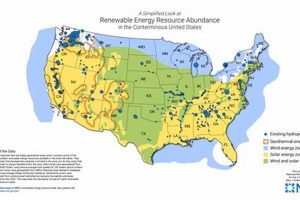
While certain regions may have higher concentrations of renewable energy jobs due to geographical factors or policy incentives, opportunities exist across the globe. The industry’s growth is driving job creation in both developed and developing countries.
Question 4: What is the long-term career outlook for the renewable energy sector?
The long-term career outlook for the renewable energy sector is positive. Global demand for clean energy is increasing, driving continued growth and job creation across various segments of the industry.
Question 5: What are the key skills needed for success in renewable energy careers?
Technical skills relevant to specific renewable energy technologies are essential. Additionally, strong problem-solving abilities, analytical skills, communication skills, and project management skills are highly valued.
Question 6: How does the salary potential in renewable energy compare to other industries?
Salaries in the renewable energy sector are generally competitive with other industries requiring similar skill sets and educational backgrounds. Specific salary expectations vary depending on the role, location, and experience level.
Careful consideration of these frequently asked questions provides a foundation for further exploration of specific career paths within the dynamic and evolving renewable energy landscape.
The next section provides a concluding perspective on the future of renewable energy and its implications for career development.
Career Opportunities in Renewable Energy
Exploration of career opportunities in renewable energy reveals a diverse and dynamic landscape. From engineering and manufacturing to installation, maintenance, research, and policy, the sector offers numerous pathways for individuals seeking to contribute to a sustainable future. The increasing global demand for clean energy solutions, coupled with continuous technological advancements, ensures robust long-term growth and a positive career outlook for those entering this field. Addressing the skills gap through education, training, and professional development initiatives is crucial for meeting the growing workforce demands of the renewable energy transition. Furthermore, understanding the interplay between policy, technological innovation, and market forces is essential for navigating successful career paths within this rapidly evolving sector.
The transition to a sustainable energy future presents not just an environmental imperative but also an unprecedented opportunity for economic growth and job creation. Career opportunities in renewable energy represent more than just jobs; they represent a chance to contribute to a cleaner, more resilient, and sustainable world. Embracing these opportunities requires a commitment to lifelong learning, adaptability, and a passion for innovation. The future of energy is clean, and the future of work lies in powering that transformation.