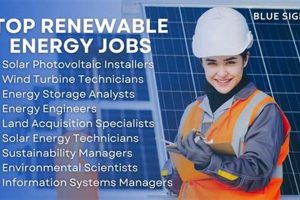
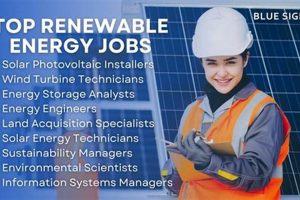
High-demand careers within the sustainable energy sector offer a variety of opportunities, from technical roles like wind turbine technicians and solar panel installers to managerial positions such as project developers and sustainability consultants. These positions often involve specialized skills in areas like engineering, construction, data analysis, and finance, depending on the specific job. For example, a wind turbine technician requires hands-on mechanical and electrical skills, while a sustainability consultant needs expertise in policy and market analysis.
Employment growth in this field is driven by increasing global investment in clean energy technologies and growing awareness of environmental issues. This transition towards sustainable practices not only contributes to mitigating climate change but also creates economic opportunities and enhances energy security. Historically, the energy sector has been dominated by fossil fuels, but the rapid advancement and decreasing cost of renewable energy technologies are shifting the employment landscape, creating a need for skilled professionals in this emerging market.
This article will further explore specific career paths within the renewable energy sector, highlighting required qualifications, potential salary expectations, and future growth prospects. It will also delve into the evolving trends and challenges facing the industry, providing a comprehensive overview of the exciting career opportunities available in this rapidly expanding field.
Tips for Pursuing a Career in Renewable Energy
Navigating the renewable energy job market requires strategic planning and focused effort. The following tips offer guidance for individuals interested in pursuing a career in this dynamic field.
Tip 1: Develop Specialized Skills: Acquiring in-demand technical skills, such as proficiency in engineering software, data analysis, or electrical systems, can significantly enhance career prospects. Formal education programs and certifications in relevant areas are valuable assets.
Tip 2: Network Strategically: Attending industry conferences, joining professional organizations, and connecting with professionals on online platforms can provide valuable insights and potential job leads. Building a strong professional network is crucial for career advancement.
Tip 3: Research Industry Trends: Staying informed about the latest technological advancements, policy changes, and market trends within the renewable energy sector is essential for making informed career decisions. Subscribing to industry publications and following relevant news sources are recommended.
Tip 4: Gain Practical Experience: Internships, volunteer work, and entry-level positions offer valuable hands-on experience and can help build a strong resume. Practical experience demonstrates commitment and provides a competitive edge.
Tip 5: Consider Geographic Location: Job opportunities within the renewable energy sector can vary geographically. Researching regions with high growth potential and aligning career goals with regional demands can increase employment prospects.
Tip 6: Highlight Transferable Skills: Individuals with experience in related fields, such as construction, manufacturing, or project management, can leverage their transferable skills to transition into renewable energy roles. Clearly articulating the relevance of existing skills is important during the job application process.
Tip 7: Embrace Continuous Learning: The renewable energy sector is constantly evolving. A commitment to continuous learning and professional development is essential for staying competitive and adapting to new technologies and industry practices.
By following these tips, individuals can effectively position themselves for success in the competitive yet rewarding field of renewable energy. These strategies facilitate both career entry and long-term career growth.
This information provides a strong foundation for individuals embarking on a renewable energy career. The concluding section will offer additional resources and guidance for further exploration.
1. Growth Potential

Growth potential is a critical factor when evaluating career paths within the renewable energy sector. This potential stems from the increasing global demand for clean energy sources driven by climate change concerns, governmental policies supporting renewable energy development, and declining costs of renewable energy technologies. Positions offering high growth potential often involve cutting-edge technologies and specialized skills, ensuring long-term career viability. For example, roles in areas like offshore wind energy, energy storage, and smart grid technologies are experiencing rapid growth due to technological advancements and increasing investment. Conversely, some mature renewable energy sub-sectors, such as established solar photovoltaic installation, might experience slower growth rates as the technology becomes more commonplace.
Understanding growth potential requires analyzing market trends, technological advancements, and policy landscapes. The International Energy Agency (IEA) and national energy agencies provide valuable data and projections regarding energy sector growth. Furthermore, industry associations and specialized market research reports offer detailed insights into specific renewable energy sub-sectors. A career in a high-growth area offers increased opportunities for advancement, higher earning potential, and greater job security. For instance, expertise in artificial intelligence applied to renewable energy systems or experience in developing innovative energy storage solutions positions individuals for leadership roles in a rapidly expanding market.
Considering growth potential is essential for strategic career planning in the renewable energy sector. This factor helps individuals align their skills and interests with areas of highest demand, maximizing career opportunities and contributing to the global transition toward a sustainable energy future. Neglecting this aspect can lead to stagnation in a rapidly changing job market. Continuous professional development and adaptability remain crucial for navigating this dynamic landscape and ensuring sustained career growth within the renewable energy sector.
2. Salary Expectations

Salary expectations constitute a significant factor when evaluating career opportunities within the renewable energy sector. Compensation varies based on several interconnected elements, influencing overall career satisfaction and long-term financial planning. Understanding these elements provides a realistic perspective on earning potential within this dynamic field.
- Experience Level
Entry-level positions typically offer lower salaries compared to senior roles requiring extensive experience and specialized expertise. For example, a recent graduate starting as a junior solar panel installer might earn less than an experienced wind farm project manager. Career progression generally translates to increased earning potential, incentivizing professional development and specialization.
- Job Role and Specialization
Specific job roles and specializations command varying salary levels. Highly specialized roles, such as engineers specializing in offshore wind turbine design or experts in grid integration of renewable energy systems, often command higher salaries due to the demand for niche expertise. Conversely, more generalized roles, such as administrative support within a renewable energy company, might offer comparatively lower salaries.
- Geographic Location
Geographic location significantly influences salary expectations. Regions with high living costs or concentrated renewable energy activity often offer higher salaries to attract and retain qualified professionals. For instance, salaries for renewable energy engineers might be higher in metropolitan areas with a booming renewable energy industry compared to rural areas with fewer opportunities. Cost of living adjustments and regional market dynamics influence overall compensation.
- Company Size and Type
Larger, multinational corporations operating within the renewable energy sector often offer more competitive salaries and benefits packages compared to smaller startups or non-profit organizations. Company size, financial stability, and industry reputation influence compensation strategies. Additionally, public sector jobs in renewable energy, such as roles within government agencies promoting sustainable energy policies, might offer different salary structures compared to private sector positions.
Evaluating salary expectations in conjunction with other factors, such as career growth potential and job satisfaction, offers a comprehensive view of career opportunities within the renewable energy sector. While financial compensation is a crucial element, aligning personal values with career goals and considering long-term career prospects provides a more holistic approach to career decision-making. Thorough research, including consulting industry salary surveys and networking with professionals, provides valuable insights into realistic salary expectations for specific roles and locations within the renewable energy industry.
3. Required Qualifications

Securing a position within the competitive renewable energy job market necessitates specific qualifications. These prerequisites vary depending on the complexity and specialization of the target role, influencing career trajectory and potential for advancement. Understanding these requirements allows individuals to strategically pursue educational and professional development opportunities aligned with career aspirations.
- Formal Education
Educational attainment plays a crucial role. Entry-level positions may require a vocational certificate or associate’s degree, focusing on practical skills such as solar panel installation or wind turbine maintenance. More specialized roles, such as engineering or research positions, often necessitate a bachelor’s or master’s degree in relevant fields like electrical engineering, mechanical engineering, or environmental science. Doctoral degrees are typically required for advanced research and academic positions within the renewable energy sector. For example, a wind farm engineer might require a bachelor’s degree in mechanical engineering, while a researcher specializing in solar cell technology might need a PhD in materials science.
- Technical Skills
Proficiency in specific technical skills is essential for many roles within the renewable energy sector. These skills can range from hands-on expertise in operating and maintaining renewable energy equipment to advanced proficiency in specialized software used for energy system modeling and analysis. For example, a solar panel installer needs practical skills in electrical wiring and rooftop installation, while a renewable energy consultant might require proficiency in software used for energy audits and feasibility studies. The specific technical skills required vary depending on the job role and level of specialization.
- Certifications and Licenses
Industry-recognized certifications and licenses validate expertise and enhance employability. Specific certifications, such as those related to solar panel installation, wind turbine maintenance, or energy auditing, demonstrate specialized knowledge and adherence to industry standards. Professional engineering licenses are often required for senior engineering roles involving design and oversight of renewable energy projects. These credentials provide a competitive edge in the job market and can lead to career advancement opportunities. For example, a North American Board of Certified Energy Practitioners (NABCEP) certification enhances the credibility of a solar installer, while a Professional Engineer (PE) license is essential for certain engineering roles.
- Experience
Practical experience, often gained through internships, co-op programs, or entry-level positions, provides valuable hands-on exposure to the renewable energy industry. Demonstrated experience in relevant areas strengthens a candidate’s profile and increases competitiveness. Employers often prioritize candidates with a proven track record, particularly for roles requiring specialized skills or project management experience. For example, prior experience in construction or electrical work can be beneficial for a wind turbine technician, while experience in data analysis and reporting can be valuable for a renewable energy analyst.
Acquiring the necessary qualifications positions individuals for success within the renewable energy sector. Aligning educational pursuits, technical skill development, and professional certifications with specific job requirements enhances employability and opens doors to diverse career pathways. The “best” jobs often require a combination of formal education, specialized skills, relevant certifications, and practical experience. Continuously updating skills and knowledge remains crucial for navigating the evolving landscape of the renewable energy industry and maintaining a competitive edge in this dynamic job market.
4. Job Satisfaction

Job satisfaction constitutes a crucial element when considering “best jobs” within the renewable energy sector. While factors like salary and growth potential are important, high job satisfaction contributes significantly to overall well-being and long-term career fulfillment. This satisfaction often stems from a sense of purpose derived from contributing to a sustainable future, aligning personal values with professional endeavors. Employees working in renewable energy frequently report a strong sense of purpose, stemming from their contribution to mitigating climate change and promoting environmental sustainability. This intrinsic motivation can lead to increased productivity, higher engagement, and lower turnover rates within organizations. For example, a wind turbine technician might derive satisfaction from ensuring the smooth operation of clean energy infrastructure, directly impacting local communities and contributing to a cleaner environment. Conversely, a lack of purpose or alignment with personal values can lead to disillusionment and burnout, even in roles offering high salaries or rapid career advancement.
Several factors contribute to job satisfaction within the renewable energy sector. A positive work environment fostering collaboration and innovation can enhance employee morale and motivation. Opportunities for professional development and skill enhancement contribute to a sense of growth and career progression. Furthermore, organizations actively promoting work-life balance and employee well-being tend to foster higher levels of job satisfaction. For example, a company offering flexible work arrangements and promoting employee wellness programs can contribute to a more positive and supportive work environment, leading to increased job satisfaction among its workforce. Moreover, opportunities to participate in cutting-edge research or contribute to innovative projects can enhance intellectual stimulation and professional fulfillment, further boosting job satisfaction.
Understanding the link between job satisfaction and “best jobs” within the renewable energy sector provides valuable insights for both job seekers and employers. Job seekers prioritizing purpose-driven work and a positive work environment can target organizations and roles aligning with these values. Employers prioritizing employee well-being and fostering a sense of purpose can attract and retain top talent, contributing to organizational success and a more engaged workforce. Ultimately, prioritizing job satisfaction leads to a more fulfilling and sustainable career within the dynamic and impactful field of renewable energy. Neglecting this crucial aspect can result in high employee turnover and decreased productivity, hindering the overall progress of the renewable energy transition.
5. Impact on Sustainability

The increasing global focus on environmental sustainability positions the renewable energy sector as a key driver of positive change. “Best jobs” within this sector are often characterized by a significant, quantifiable impact on sustainability, contributing directly to reducing greenhouse gas emissions, promoting resource efficiency, and mitigating the effects of climate change. This impact transcends individual job roles and encompasses the broader mission of transitioning towards a more sustainable energy future. For example, a role in developing and implementing energy efficiency solutions for buildings directly reduces energy consumption and associated emissions, while a career in researching and deploying advanced biofuel technologies contributes to decarbonizing the transportation sector. The tangible impact on sustainability adds a layer of purpose and societal value to these roles, attracting individuals driven by a desire to contribute to a greener future.
The connection between impact on sustainability and “best jobs” operates on multiple levels. Developing and deploying renewable energy technologies, such as solar photovoltaic systems, wind turbines, and geothermal power plants, directly displaces fossil fuel-based energy generation, mitigating emissions and reducing reliance on finite resources. Furthermore, roles focused on improving energy storage solutions and grid integration enhance the reliability and efficiency of renewable energy systems, accelerating their adoption and maximizing their environmental benefits. For instance, advancements in battery storage technology enable more effective utilization of intermittent renewable energy sources like solar and wind power, reducing reliance on fossil fuel-based backup power plants. Moreover, careers focused on policy advocacy and regulatory frameworks play a crucial role in creating an enabling environment for renewable energy development and deployment, driving systemic change and accelerating the global transition towards sustainability.
Evaluating job opportunities based on their impact on sustainability offers a valuable framework for discerning truly “best” jobs within the renewable energy sector. This criterion aligns personal values with professional endeavors, contributing to a sense of purpose and job satisfaction. Furthermore, understanding the multifaceted impact of renewable energy careers, from technological advancements to policy advocacy, provides a comprehensive perspective on the transformative potential of this sector. Ultimately, prioritizing roles with a demonstrably positive impact on sustainability contributes to both individual career fulfillment and the collective effort towards a more sustainable and equitable energy future. This focus also highlights the importance of continuous innovation and collaboration within the sector to maximize the environmental and societal benefits of renewable energy technologies and solutions.
6. Technological Innovation
Technological innovation serves as a primary catalyst for growth and opportunity within the renewable energy sector. “Best jobs” are often linked to advancements in renewable energy technologies, creating specialized roles and driving demand for skilled professionals. This connection between innovation and employment operates on multiple levels, influencing both the types of jobs available and the required skillsets. For instance, the development of more efficient solar photovoltaic cells not only increases the competitiveness of solar energy but also creates new job opportunities in areas like materials science, manufacturing, and installation. Similarly, advancements in wind turbine technology, such as larger rotor diameters and improved blade designs, drive demand for specialized engineers and technicians capable of designing, installing, and maintaining these complex systems. The ongoing development of smart grid technologies creates roles focused on data analytics, cybersecurity, and grid optimization, further diversifying the renewable energy job market.
The practical significance of understanding this connection is crucial for both individuals seeking careers in renewable energy and organizations operating within the sector. For individuals, focusing on acquiring skills aligned with emerging technologies provides a competitive edge and enhances long-term career prospects. Pursuing education and training in areas like energy storage, artificial intelligence, or advanced materials science positions individuals for high-growth roles within the evolving renewable energy landscape. For organizations, investing in research and development, fostering innovation, and providing training opportunities for employees ensures access to a skilled workforce capable of driving further technological advancements and maintaining competitiveness within the rapidly evolving market. For example, a company investing in the development of next-generation battery technology creates a pipeline of specialized jobs in research, development, manufacturing, and deployment, contributing to both company growth and the broader advancement of the renewable energy sector.
Continuous technological innovation is essential for sustained growth and progress within the renewable energy sector. This innovation not only creates “best jobs” but also drives down costs, improves efficiency, and expands the accessibility of renewable energy technologies, accelerating the global transition towards a sustainable energy future. Recognizing the symbiotic relationship between technological advancement and employment opportunities is crucial for strategic planning, policy development, and individual career decisions, ensuring that the renewable energy sector continues to generate both economic benefits and environmental solutions. Failing to adapt to technological advancements and invest in the development of a skilled workforce can hinder the growth potential of the sector and limit its contribution to addressing global climate change challenges.
Frequently Asked Questions about Renewable Energy Careers
This section addresses common inquiries regarding career paths within the renewable energy sector. The responses provide concise yet informative answers to facilitate informed decision-making.
Question 1: What are the typical entry points into the renewable energy sector?
Entry points vary based on educational background and career goals. Common pathways include internships, entry-level technical positions (e.g., solar panel installer), or specialized roles requiring specific qualifications (e.g., environmental engineer).
Question 2: Are advanced degrees required for all renewable energy jobs?
Not all roles necessitate advanced degrees. Many technical positions require vocational training or associate’s degrees, while advanced research or engineering roles often require postgraduate qualifications.
Question 3: How does the job market outlook appear for the renewable energy sector?
The job market outlook is generally positive, driven by increasing global investment in renewable energy technologies and favorable government policies. However, specific areas within the sector may experience higher growth rates than others.
Question 4: What are the primary challenges faced by professionals in this field?
Challenges include the intermittent nature of some renewable energy sources, grid integration complexities, and the need for continuous technological innovation to reduce costs and improve efficiency.
Question 5: What are some key skills needed for success in renewable energy careers?
Key skills include technical proficiency in relevant areas (e.g., electrical engineering, data analysis), problem-solving abilities, project management skills, and adaptability to evolving technologies.
Question 6: How can one stay updated on the latest trends and developments in this rapidly evolving sector?
Staying informed requires actively engaging with industry publications, attending conferences, joining professional organizations, and pursuing continuous professional development opportunities.
These responses provide a starting point for individuals exploring career opportunities in renewable energy. Further research and engagement with industry professionals are recommended.
The following section offers a concluding perspective on the future of renewable energy careers and the transformative role this sector plays in addressing global energy challenges.
Conclusion
This exploration of optimal career paths within the renewable energy sector has highlighted key factors influencing job selection, including growth potential, required qualifications, salary expectations, job satisfaction, impact on sustainability, and the crucial role of technological innovation. Understanding these interconnected elements provides a comprehensive framework for evaluating career opportunities and aligning personal aspirations with the evolving demands of this dynamic industry. The analysis underscores the importance of acquiring specialized skills, staying abreast of technological advancements, and considering the broader societal impact of career choices within the renewable energy landscape.
The transition to a sustainable energy future presents both challenges and unprecedented opportunities. Strategic career planning within the renewable energy sector requires careful consideration of individual skills, values, and long-term career goals. The continued growth and evolution of this vital industry necessitate a commitment to lifelong learning, adaptability, and a dedication to driving innovation in the pursuit of a cleaner, more sustainable energy future for all. The future of energy is intrinsically linked to the talented individuals who choose to dedicate their careers to this transformative field.