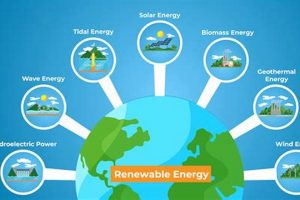
Harnessing power from naturally replenishing resources offers a multitude of benefits. These resources, such as sunlight, wind, and water, provide a sustainable alternative to traditional fossil fuels. Their utilization contributes to a cleaner environment and a more secure energy future.
The shift toward these energy generation methods is driven by several factors. Reduced greenhouse gas emissions play a significant role in mitigating climate change. Furthermore, these resources enhance energy independence and bolster local economies through job creation and reduced reliance on volatile global energy markets. Historically, communities have utilized these resources in basic ways, like windmills for grinding grain; however, modern technologies have vastly expanded their capabilities.
The subsequent sections will delve into specific positive aspects, including environmental benefits, economic impacts, and the creation of a more sustainable and resilient energy infrastructure.
Maximizing the Upsides of Sustainable Power Generation
Capitalizing on the numerous positive aspects of sustainable power requires a strategic and informed approach. The following guidelines outline key considerations for individuals, businesses, and policymakers aiming to fully leverage these resources.
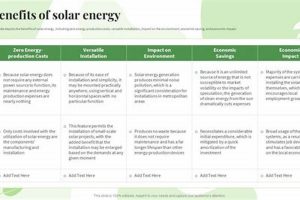
Tip 1: Prioritize Long-Term Cost-Effectiveness: Initial investment costs may be higher compared to fossil fuel-based systems. However, reduced or eliminated fuel costs and lower maintenance expenses often result in significant long-term savings.
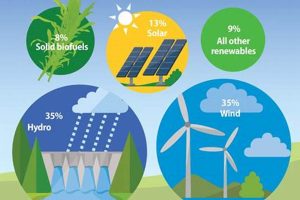
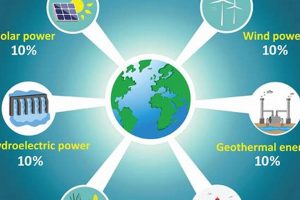
Tip 2: Diversify Energy Sources: Combining multiple types of renewable energy, such as solar and wind, enhances reliability and reduces dependence on any single resource. This approach mitigates the impact of weather-related fluctuations.
Tip 3: Encourage Technological Innovation: Supporting research and development in areas such as energy storage and grid integration is crucial for improving efficiency and reducing costs. Government incentives and private investment play a vital role.
Tip 4: Implement Supportive Policies: Clear and consistent regulatory frameworks, including tax incentives and feed-in tariffs, create a stable investment environment and promote wider adoption. Policy should address grid access and permitting processes.
Tip 5: Promote Public Awareness and Education: Educating the public about the benefits of sustainable energy and addressing common misconceptions is essential for fostering widespread acceptance and support. Community engagement initiatives are particularly effective.
Tip 6: Focus on Grid Modernization: Upgrading existing grid infrastructure to accommodate the variable nature of renewable energy sources is essential for ensuring grid stability and reliability. Smart grid technologies play a crucial role.
Tip 7: Consider Life Cycle Assessments: Evaluating the environmental impact of energy systems throughout their entire life cycle, from manufacturing to disposal, ensures that the chosen solutions are truly sustainable.
Adopting these strategies maximizes the potential to create a cleaner, more sustainable, and economically viable energy future. This proactive approach will contribute to mitigating climate change, enhancing energy security, and fostering economic growth.
The final section of this article will summarize the key advantages and offer concluding remarks.
1. Environmentally Friendly
The environmentally friendly nature of renewable energy sources is a foundational element of their overall advantages. This characteristic stems from their minimal impact on the environment compared to fossil fuels. Unlike the extraction, processing, and combustion of coal, oil, and natural gas, renewable energy technologies produce little to no greenhouse gas emissions or air pollutants during operation. The causal relationship is direct: reliance on these resources leads to decreased environmental degradation.
The importance of this environmental benefit cannot be overstated. Climate change, driven by greenhouse gas emissions, poses significant risks to ecosystems, human health, and global economies. Air pollution, a byproduct of fossil fuel combustion, contributes to respiratory illnesses and other health problems. By reducing these impacts, renewable energy sources contribute to a healthier and more sustainable planet. For instance, large-scale solar farms can provide clean energy to power cities, offsetting the need for coal-fired power plants and significantly reducing smog levels. The practical significance lies in the ability to mitigate environmental damage while simultaneously meeting growing energy demands.
Further bolstering their environmentally sound credentials, many sources of power minimize land use, can be integrated into existing infrastructure, and create new habitats. A shift to these ecologically conscious resources supports efforts to improve air and water quality, preserve biodiversity, and reduce the impacts of energy production on natural landscapes, leading to a more sustainable environment. The integration of these resources requires continual innovation in energy storage and infrastructure to increase reliability and efficiency. As technology advances, the environmental impacts should be further mitigated by optimizing material use, recycling processes, and end-of-life management.
2. Decreased Emissions

Reduced pollutant output is a primary advantage associated with the utilization of renewable energy sources. Unlike fossil fuels, which release significant quantities of greenhouse gases and particulate matter upon combustion, many renewable technologies produce negligible or zero emissions during operation. This distinction is critical in mitigating climate change and improving air quality.
The reduction in emissions achieved through renewable energy deployment has direct implications for public health. Decreased levels of air pollutants, such as sulfur dioxide and nitrogen oxides, diminish the incidence of respiratory illnesses and cardiovascular diseases. Furthermore, curtailing greenhouse gas emissions helps stabilize the global climate, lessening the frequency and intensity of extreme weather events, sea-level rise, and other climate-related impacts. For instance, the expansion of wind power in Denmark has significantly reduced the country’s carbon footprint and reliance on coal-fired power plants, leading to measurable improvements in air quality and a decrease in associated health problems.
The practical significance of decreased emissions extends beyond environmental and health benefits. Transitioning to energy sources minimizes long-term economic risks associated with climate change, such as damage to infrastructure and disruptions to agriculture. It can also create new economic opportunities in renewable energy industries and related sectors. Furthermore, reduced emissions align with international commitments to mitigate climate change, enhancing energy independence, and fostering a more sustainable and resilient energy system. While challenges remain in fully integrating renewable energy into existing infrastructure, the clear advantages associated with decreased emissions make a compelling case for continued investment and policy support.
3. Resource Availability

The widespread availability of renewable energy resources is a critical component of their overall advantages. Unlike finite fossil fuels concentrated in specific geographic locations, solar radiation, wind patterns, geothermal heat, and water resources are distributed across the globe. This ubiquity mitigates geopolitical risks associated with energy dependence and fosters energy independence for individual nations. The abundance and geographic diversity of these resources represent a fundamental advantage.
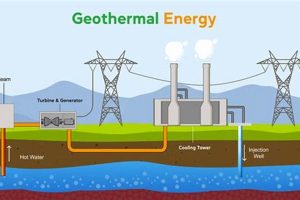
The correlation between resource availability and the benefits of sustainable energy is evident in various real-world examples. Iceland, with its ample geothermal resources, generates nearly 100% of its electricity from renewable sources. Similarly, countries like Morocco are leveraging their abundant solar resources to become major exporters of clean energy. The practical significance of this understanding lies in the potential for every nation to harness its unique renewable energy assets to meet its energy needs and contribute to a global transition away from fossil fuels. Furthermore, local resource availability reduces transmission distances, minimizing energy losses and infrastructure costs.
In conclusion, the broad availability of renewable energy resources constitutes a foundational advantage, fostering energy independence, mitigating geopolitical risks, and enabling widespread adoption of sustainable energy solutions. While challenges remain in optimizing resource utilization and grid integration, the inherent abundance of renewable energy resources provides a pathway towards a more secure and sustainable energy future. Addressing intermittency through storage solutions and grid modernization is essential for realizing the full potential of these widely available resources.
4. Economic Growth

The deployment of renewable energy technologies fosters economic expansion through diverse avenues. Initial investments stimulate manufacturing and construction sectors. Long-term operation creates ongoing employment opportunities, and reduced energy costs enhance the competitiveness of businesses. These factors contribute to sustained and diversified economic activity.
- Job Creation in Renewable Energy Industries
The renewable energy sector, encompassing manufacturing, installation, maintenance, and research, generates numerous employment opportunities. These jobs often require specialized skills, driving workforce development and skill enhancement. For instance, the growth of solar panel installation creates demand for trained technicians, stimulating vocational training programs and contributing to local economic activity. Compared to traditional fossil fuel industries, renewable energy jobs tend to be more geographically dispersed, benefiting regional economies.
- Stimulating Technological Innovation and R&D
The pursuit of more efficient and cost-effective renewable energy technologies necessitates continuous innovation. This drives investment in research and development, leading to advancements in materials science, energy storage, and grid management. Countries that prioritize renewable energy innovation, such as Germany, often experience a surge in patents and the development of high-tech industries. This technological leadership contributes to long-term economic competitiveness and export opportunities.
- Reduced Energy Costs and Increased Competitiveness
As renewable energy technologies mature, they become increasingly cost-competitive with fossil fuels. Reduced energy costs benefit both households and businesses, freeing up capital for other investments and consumption. Industries that rely on significant energy inputs, such as manufacturing and agriculture, gain a competitive advantage from lower electricity prices. This cost competitiveness promotes business growth and enhances overall economic productivity.
- Attracting Investment and Foreign Capital
Countries that demonstrate a commitment to renewable energy attract both domestic and foreign investment in clean energy projects. This influx of capital stimulates economic activity, creates jobs, and supports infrastructure development. Investment in renewable energy projects, such as wind farms and solar parks, often generates significant multiplier effects, benefiting local communities through increased tax revenues and economic opportunities. A stable regulatory environment and supportive government policies are crucial for attracting this investment.
These facets demonstrate the significant contribution of renewable energy to economic growth. By creating jobs, stimulating innovation, reducing energy costs, and attracting investment, sustainable energy solutions foster a more resilient and prosperous economy. The transition to renewable energy represents not only an environmental imperative but also a strategic economic opportunity for nations and regions worldwide.
5. Energy Independence

The pursuit of energy independence is intrinsically linked to the advantages of renewable energy sources. A nation’s reliance on imported fossil fuels creates vulnerabilities, including exposure to price volatility, geopolitical instability, and potential supply disruptions. Utilizing domestically available renewable resources such as solar, wind, hydro, and geothermal energy reduces this dependence, enhancing national security and economic resilience. The diversification of energy sources, facilitated by renewable technologies, strengthens a nation’s control over its energy supply.
Germany’s “Energiewende” (energy transition) exemplifies this connection. Driven by concerns over energy security and environmental sustainability, Germany has invested heavily in renewable energy, significantly decreasing its reliance on imported fossil fuels. While challenges remain in ensuring grid stability and managing intermittency, the German example demonstrates the potential for renewable energy to enhance energy independence. Similarly, countries like Iceland, leveraging geothermal resources, have achieved near-total energy independence, showcasing the viability of renewable energy in specific geographic contexts. The practical application extends to rural communities, where distributed renewable energy systems can provide reliable power, reducing dependence on centralized grids and imported fuels. Microgrids powered by solar and wind energy are becoming increasingly common in remote areas, offering energy autonomy and fostering economic development.
In conclusion, the pursuit of energy independence is a significant driver for the adoption of renewable energy sources. By reducing reliance on imported fossil fuels, nations enhance their energy security, mitigate economic risks, and strengthen their control over their energy future. While challenges related to grid integration and intermittency remain, the inherent advantages of renewable energy in fostering energy independence make it a critical component of a sustainable and resilient energy strategy.
6. Price Stability

Price stability, in the context of energy, refers to the consistency and predictability of energy costs over time. Its connection to the advantages of renewable energy sources is multifaceted and significant, offering a buffer against the volatile fluctuations often associated with fossil fuel markets. This stability contributes to economic planning and reduces financial uncertainties for consumers and businesses.
- Reduced Exposure to Fuel Price Volatility
Renewable energy sources, such as solar and wind, have minimal or zero fuel costs once the infrastructure is in place. This contrasts sharply with fossil fuels, where prices are subject to geopolitical events, supply disruptions, and resource depletion. By decreasing reliance on fossil fuels, renewable energy adoption diminishes exposure to these unpredictable market forces, ensuring more stable and predictable energy prices. For example, a utility company heavily invested in solar power is less vulnerable to sudden increases in natural gas prices, providing its customers with more consistent energy bills.
- Long-Term Cost Predictability
The upfront capital costs of renewable energy projects are generally higher than those of fossil fuel plants. However, once constructed, renewable energy facilities offer predictable long-term operating costs. This is due to the absence of fuel expenses and relatively low maintenance requirements. The long-term cost predictability facilitates better financial planning for governments, businesses, and individuals. Power Purchase Agreements (PPAs) for renewable energy often lock in electricity prices for 20-25 years, providing long-term budget certainty.
- Mitigation of External Economic Shocks
Renewable energy adoption insulates economies from external economic shocks associated with fluctuating fossil fuel prices. Sudden increases in oil or natural gas prices can ripple through the economy, increasing transportation costs, manufacturing expenses, and consumer prices. By diversifying the energy mix and reducing dependence on imported fossil fuels, renewable energy enhances economic resilience and stability. A country with a robust renewable energy sector is better equipped to weather global energy crises without experiencing severe economic repercussions.
- Decentralized Energy Production and Localized Price Control
Renewable energy technologies enable decentralized energy production, empowering communities and individuals to generate their own electricity. This decentralization reduces reliance on centralized energy grids and external energy providers, providing greater control over energy prices at the local level. For instance, homeowners with solar panels can generate electricity and reduce their dependence on the utility grid, shielding themselves from price fluctuations. Community-owned renewable energy projects can further enhance local energy security and provide stable, affordable energy to residents.
These facets highlight the role of renewable energy in fostering price stability within the energy sector. The ability to mitigate fuel price volatility, ensure long-term cost predictability, withstand external economic shocks, and promote localized price control makes renewable energy a crucial element in building a more stable and resilient energy future. The advantages extend beyond environmental benefits to encompass significant economic advantages for individuals, businesses, and nations.
7. Job Creation

The proliferation of opportunities for employment constitutes a significant economic advantage associated with the deployment of renewable energy technologies. Unlike established fossil fuel industries that are increasingly automated, the renewable energy sector is labor-intensive, encompassing manufacturing, installation, maintenance, and research activities, thus creating diverse employment prospects.
- Manufacturing and Component Production
The manufacturing of renewable energy components, such as solar panels, wind turbines, and battery storage systems, necessitates a skilled workforce. These manufacturing facilities create jobs in areas ranging from engineering and design to assembly and quality control. The geographical distribution of manufacturing plants often stimulates economic activity in regions that may not have previously benefited from the energy sector. For instance, the establishment of a solar panel factory in a rural community can provide employment opportunities and revitalize the local economy.
- Installation and Construction Activities
The deployment of renewable energy projects, including wind farms, solar parks, and hydroelectric facilities, requires a substantial workforce for installation and construction. These jobs involve site preparation, equipment assembly, grid connection, and ongoing maintenance. The construction phase of a large-scale renewable energy project can create hundreds or even thousands of temporary jobs, while long-term operation sustains permanent positions for maintenance and operations. These opportunities are particularly beneficial in rural areas where renewable energy projects are often located.
- Operations and Maintenance
The ongoing operation and maintenance of renewable energy facilities require a skilled workforce to ensure optimal performance and reliability. These jobs involve monitoring equipment, conducting repairs, and performing routine maintenance tasks. The long-term nature of these positions provides stable employment opportunities and contributes to local economic stability. The maintenance of wind turbines, for example, often requires specialized technicians who can climb towers and troubleshoot complex mechanical and electrical systems.
- Research and Development
The continued advancement of renewable energy technologies relies on ongoing research and development (R&D). This sector generates jobs for scientists, engineers, and technicians who are engaged in developing new materials, improving energy efficiency, and reducing costs. R&D activities often occur in universities, national laboratories, and private companies, fostering innovation and technological progress. Government funding and private investment in renewable energy R&D stimulate job creation and contribute to long-term economic growth.
These facets demonstrate the broad impact of renewable energy on job creation. The renewable energy sector stimulates employment across diverse skill sets and geographic locations, creating new economic opportunities and fostering sustainable development. The creation of jobs in manufacturing, construction, operations, and R&D solidifies the advantages associated with renewable energy sources, promoting economic prosperity alongside environmental stewardship. The need to support skills training and educational programmes is vital for maximizing the potential.
Frequently Asked Questions
The following section addresses common inquiries regarding the benefits of harnessing power from naturally replenishing resources. These answers aim to provide clear, concise, and evidence-based information to foster a deeper understanding of the topic.
Question 1: What are the primary environmental benefits derived from utilizing renewable energy?
The use of renewable energy sources reduces greenhouse gas emissions, air pollution, and water pollution compared to fossil fuels. This mitigation contributes to improved air and water quality and aids in combating climate change.
Question 2: How do sustainable energy sources contribute to energy security?
Renewable energy promotes energy security by diversifying energy sources and reducing dependence on imported fossil fuels. This independence shields nations from price volatility and geopolitical instability associated with fossil fuel markets.
Question 3: What is the impact of renewable energy on electricity prices?
Renewable energy can stabilize electricity prices over the long term. The operating costs of renewable energy facilities are often lower and more predictable than those of fossil fuel plants, reducing exposure to fuel price fluctuations.
Question 4: Does sustainable energy generation create employment opportunities?
The renewable energy sector generates diverse employment opportunities across manufacturing, installation, maintenance, and research. These jobs contribute to economic growth and workforce development.
Question 5: Are renewable energy sources reliable given their intermittent nature?
The reliability of renewable energy can be enhanced through energy storage technologies, grid modernization, and diversification of renewable energy sources. These measures mitigate the impact of intermittency and ensure a stable energy supply.
Question 6: What are the potential economic impacts of shifting towards renewable energy on society?
The shift toward renewable energy fosters innovation, attracts investment, and promotes economic diversification. It also reduces healthcare costs associated with air and water pollution and mitigates the long-term economic risks of climate change.
In summary, the benefits of renewable energy sources extend beyond environmental considerations, encompassing economic, social, and security advantages. These resources contribute to a more sustainable and resilient energy future.
Conclusion
This examination has illuminated the multifaceted advantages of renewable energy sources. From environmental stewardship and decreased emissions to heightened energy independence and economic diversification, these resources offer a compelling pathway towards a more sustainable and secure energy future. The economic stimulus derived from job creation, coupled with the stabilization of energy costs, further underscores the value proposition of embracing these technologies.
The continued advancement and deployment of renewable energy are vital for mitigating climate change, bolstering national security, and fostering long-term economic prosperity. Sustained investment in research and development, coupled with supportive policies, will be instrumental in realizing the full potential of these abundant and sustainable resources. The transition to a renewable energy-powered world represents not only an environmental imperative but also a strategic necessity for a resilient and thriving global community.