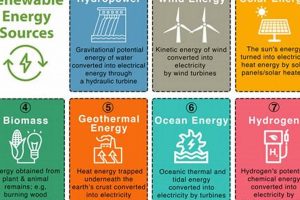
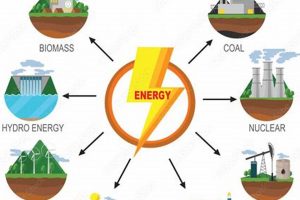
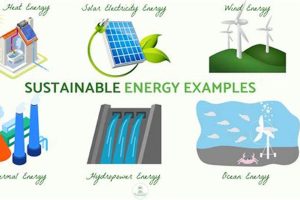
Harnessing power from naturally replenishing resources presents both advantages and disadvantages. These power generation methods, unlike fossil fuels, rely on resources like sunlight, wind, water, and geothermal heat. For example, solar panels convert sunlight into electricity, while wind turbines transform wind energy into usable power.
The significance of transitioning to these power alternatives lies in mitigating climate change, reducing air and water pollution, and enhancing energy security. Historically, societies have utilized renewable resources in limited capacities. However, advancements in technology and growing environmental concerns have propelled widespread interest and investment in these methods, making them central to discussions about sustainable energy futures.
The following sections will delve into a detailed examination of the favorable and unfavorable aspects associated with diverse forms of this energy generation, offering a balanced perspective on their role in shaping the global energy landscape.
Evaluating different power sources requires a thorough understanding of their strengths and limitations. The following considerations offer guidance when assessing the viability and suitability of these alternatives.
Tip 1: Assess Resource Availability: Determine the accessibility of a specific resource within a given location. For example, solar energy projects require areas with abundant sunlight, while hydroelectric power relies on suitable water resources.
Tip 2: Evaluate Environmental Impact: Consider the full lifecycle environmental effects, including manufacturing, installation, operation, and decommissioning. Some installations, such as large-scale hydropower, can have significant ecological consequences.
Tip 3: Analyze Economic Viability: Compare the cost of construction, operation, and maintenance to traditional power sources. Government incentives and technological advancements can impact the economic competitiveness of renewable energy projects.
Tip 4: Examine Grid Integration Challenges: Evaluate the compatibility and reliability of integrating intermittent sources, like solar and wind, into existing power grids. Energy storage solutions and smart grid technologies can mitigate these challenges.
Tip 5: Consider Technological Advancements: Stay informed about ongoing research and development in different technologies. Improvements in efficiency, storage, and cost-effectiveness can significantly alter the landscape.
Tip 6: Understand Regulatory Frameworks: Familiarize yourself with local, national, and international policies that support or hinder these energy technologies. Government regulations and subsidies play a crucial role in their development and deployment.
Tip 7: Evaluate Social Acceptance: Address potential social concerns, such as visual impact, noise pollution, and land use conflicts. Community engagement and transparent communication are essential for successful implementation.
These guidelines underscore the importance of a holistic approach. A balanced evaluation that encompasses environmental, economic, and social considerations is crucial for informed decision-making.
Moving forward, these considerations will remain vital in shaping energy policies and driving the transition to a sustainable energy future.
1. Environmental Impact

The environmental impact serves as a central axis around which the benefits and drawbacks of sustainable power revolve. The core advantage lies in the potential to significantly reduce greenhouse gas emissions, a primary driver of climate change. Unlike fossil fuels, technologies such as solar, wind, and geothermal produce minimal emissions during operation. This reduction directly mitigates air pollution and contributes to a more stable global climate. For example, replacing a coal-fired power plant with a large-scale solar farm drastically decreases the release of carbon dioxide, sulfur dioxide, and nitrogen oxides into the atmosphere.
However, the overall impact is not universally positive. Manufacturing these technologies requires energy and resources, resulting in embodied carbon emissions. Solar panel production, for instance, involves mining for raw materials and energy-intensive manufacturing processes. Similarly, wind turbine blades are often made from composite materials that are difficult to recycle. Large-scale hydropower projects can alter river ecosystems, displace communities, and release methane from decaying vegetation in reservoirs. The construction of geothermal plants can sometimes trigger seismic activity.
Therefore, a comprehensive assessment necessitates considering the full lifecycle impact, from resource extraction to disposal. While they generally offer a substantial reduction in environmental harm compared to fossil fuels, careful planning, responsible manufacturing, and sustainable disposal practices are essential to minimizing their footprint and maximizing the environmental benefits they offer in the broader energy landscape.
2. Economic Viability

Economic viability represents a critical determinant in the widespread adoption of naturally replenishing energy. While environmental benefits are often cited as a primary driver, the financial feasibility of these technologies heavily influences investment decisions and policy support. Examining the cost-effectiveness, efficiency, and long-term economic impacts of sources is essential for understanding their overall role in the energy sector.
The initial investment costs associated with building power facilities are often higher compared to conventional fossil fuel plants. Solar panel installations, wind turbine construction, and geothermal drilling require significant upfront capital. However, operating costs are generally lower, as these power sources do not require the purchase of fuel. For example, once a wind farm is operational, the cost of generating electricity is primarily limited to maintenance and labor, unlike a natural gas plant that requires a continuous supply of fuel. Government subsidies, tax incentives, and carbon pricing mechanisms can improve the economic competitiveness of projects by offsetting initial capital expenditures and internalizing the environmental costs of fossil fuels. Furthermore, technological advancements are steadily reducing the costs of manufacturing and installing these power generation facilities, making them increasingly attractive to investors. The levelized cost of energy (LCOE), which represents the average cost of generating electricity over the lifetime of a power plant, is becoming increasingly competitive for solar and wind power, often surpassing that of new coal or nuclear facilities in certain regions.
Ultimately, the economic viability of power hinges on a combination of factors including resource availability, technological advancements, policy support, and the costs associated with competing energy sources. As technologies mature and fossil fuel prices fluctuate, the economic landscape will continue to evolve, further influencing their role in shaping a sustainable energy future.
3. Resource Dependency

The dependence on specific natural resources constitutes a significant factor when evaluating the advantages and disadvantages of naturally replenishing energy. The availability, consistency, and geographical distribution of these resources directly impact the feasibility and reliability of various technologies. Understanding this dependency is crucial for informed energy planning and policy development.
- Geographic Limitations
Many energy sources are inherently tied to specific geographic locations. Solar power is most effective in regions with high solar irradiance, while wind power thrives in areas with consistent wind patterns. Geothermal energy requires access to underground reservoirs of heat, and hydropower relies on suitable river systems. This geographic constraint limits the widespread deployment of certain technologies and necessitates diversifying energy portfolios to ensure reliable power supply.
- Intermittency Challenges
Solar and wind power are intermittent sources, meaning their availability fluctuates depending on weather conditions. Cloud cover can reduce solar energy production, while wind speeds can vary significantly, affecting the output of wind turbines. This intermittency poses challenges for grid stability and requires energy storage solutions or backup power sources to ensure a continuous electricity supply. The need for such solutions adds to the overall cost and complexity of integrating these sources into existing power grids.
- Resource Competition
The deployment of certain technologies can lead to competition for natural resources. Large-scale hydropower projects, for example, can alter river ecosystems, displace communities, and impact water availability for other uses. Similarly, the production of biofuels can compete with food production for land and water resources. Careful planning and sustainable resource management practices are essential to mitigate these conflicts and ensure the long-term viability of these energy solutions.
- Material Availability
The manufacturing of technologies relies on specific materials, some of which are rare or geographically concentrated. Solar panels, for instance, require silicon and rare earth elements, while wind turbines use neodymium and dysprosium. The availability and cost of these materials can impact the scalability and economic feasibility of these technologies. Diversifying material supply chains and investing in research for alternative materials are crucial for ensuring a sustainable supply of essential components.
The inherent reliance on specific natural resources presents both opportunities and challenges for naturally replenishing energy. While these resources offer a pathway to a cleaner and more sustainable energy future, their geographic limitations, intermittency, potential for resource competition, and reliance on specific materials must be carefully considered and addressed through strategic planning and technological innovation. Overcoming these challenges is crucial for unlocking the full potential of these energy sources and achieving a truly sustainable energy system.
4. Technological Maturity

Technological maturity profoundly influences the advantages and disadvantages of naturally replenishing energy sources. The stage of development for a particular technology directly affects its efficiency, reliability, cost-effectiveness, and scalability. For example, early-stage solar technologies suffered from low conversion efficiencies and high manufacturing costs, limiting their widespread adoption. As research and development progressed, advancements in materials science and manufacturing processes led to more efficient and affordable solar panels, making them a more viable energy source. Similarly, wind turbine technology has evolved significantly over the years, with larger and more sophisticated turbines capable of capturing more energy from the wind. The maturity of a technology also impacts its integration into existing energy grids. Mature technologies, such as hydropower, have established integration methods and infrastructure, while newer technologies, such as offshore wind, require further infrastructure development and grid upgrades.
The relative immaturity of certain energy storage technologies presents a significant challenge to the widespread adoption of intermittent sources like solar and wind. While lithium-ion batteries have become increasingly popular for grid-scale storage, their cost and limited lifespan remain barriers to large-scale deployment. Other storage technologies, such as pumped hydro storage and compressed air energy storage, are geographically constrained. Continued research and development into advanced energy storage solutions are crucial for addressing the intermittency challenges and enabling a more resilient and sustainable energy system. Furthermore, advancements in smart grid technologies are essential for managing the integration of distributed energy resources and optimizing energy flow across the grid. The maturity of these technologies will determine the extent to which intermittent power sources can be reliably integrated into the energy system without compromising grid stability.
In conclusion, technological maturity plays a pivotal role in shaping the pros and cons of naturally replenishing energy. Continued investment in research and development is essential for advancing these technologies, improving their efficiency, reducing their costs, and addressing the challenges associated with grid integration. As technologies mature, their benefits become more pronounced, and their drawbacks diminish, paving the way for a more sustainable and resilient energy future. However, it is imperative to acknowledge that each technology is at a different stage of maturity, and a diversified approach is needed to address the unique challenges and opportunities associated with each energy source.
5. Grid Integration

The successful assimilation of naturally replenishing energy sources into existing electrical grids fundamentally dictates the extent of their viability. Incompatibility between these technologies and established grid infrastructure directly influences the cost-effectiveness and reliability, factors that critically shape their broader benefits and drawbacks. For instance, the intermittent nature of solar and wind power necessitates sophisticated grid management systems capable of accommodating fluctuating power inputs. Failure to address this intermittency results in grid instability, potentially leading to power outages or curtailment of renewable energy generation. Consequently, the practical advantages of reduced emissions are diminished if the grid cannot reliably utilize the generated power.
The integration process requires significant investments in grid modernization, including smart grid technologies that enable real-time monitoring and control of power flow. Energy storage solutions, such as batteries and pumped hydro, further enhance grid stability by providing a buffer for intermittent generation. Germany’s Energiewende, a large-scale transition to clean energy, demonstrates the complexities of integration. Despite substantial investments in solar and wind capacity, Germany faces challenges in managing grid congestion and ensuring a consistent power supply, highlighting the necessity for advanced grid infrastructure and flexible power generation sources. The geographical distribution of resources also poses challenges. Transmission lines are often required to transport electricity from remote locations with abundant resources to urban centers, adding to the overall cost and environmental impact.
Effective grid integration is not merely a technical issue; it is a critical prerequisite for unlocking the full potential of naturally replenishing energy. Addressing the challenges associated with intermittency, geographical limitations, and grid infrastructure limitations is essential for maximizing the environmental benefits, improving economic competitiveness, and ensuring a reliable and sustainable energy supply. The evolution of grid technology will significantly shape the pace and effectiveness of the global energy transition, determining the extent to which these alternative energy technologies can contribute to a cleaner energy future.
Frequently Asked Questions
The following addresses common queries regarding naturally replenishing energy, providing clarity on their potential and limitations.
Question 1: Are power sources truly sustainable?
While often labeled sustainable, a full lifecycle assessment is critical. Manufacturing, transportation, and disposal processes carry environmental burdens. Sustainability is maximized through responsible sourcing, efficient production, and robust recycling programs.
Question 2: Why is it not adopted at 100% today?
Technical and economic barriers impede widespread adoption. Intermittency challenges require energy storage solutions, and grid infrastructure often requires upgrades. The initial capital costs can also be a deterrent. Further technological advancements and policy support are necessary.
Question 3: How can the variability of solar and wind be mitigated?
Variability is addressed through a combination of strategies: geographic diversification of installations, energy storage technologies (batteries, pumped hydro), demand response programs, and improved forecasting methods. Smart grids play a key role in managing fluctuations.
Question 4: What are the land-use implications of large-scale installations?
Large-scale solar farms and wind farms require significant land areas. This can lead to habitat loss and land-use conflicts. Careful site selection, environmental impact assessments, and community engagement are essential to minimize negative consequences.
Question 5: Do power alternatives create jobs?
Yes, power industries create employment opportunities in manufacturing, installation, maintenance, and research. A transition to these sources can stimulate economic growth in related sectors, although job displacement in fossil fuel industries must also be considered.
Question 6: How does the cost compare to fossil fuels long term?
The long-term cost comparison depends on several factors, including fuel prices, technological advancements, and government policies. The levelized cost of energy (LCOE) is decreasing for many sources, making them increasingly competitive with fossil fuels, especially when considering the environmental costs of carbon emissions.
A nuanced perspective is crucial. While these sources hold significant promise, a complete understanding of their limitations is essential for effective policy decisions and investment strategies.
The subsequent section delves into future prospects, projecting potential advancements and challenges.
Conclusion
This exploration of “what are the pros and cons of renewable energy sources” reveals a complex interplay of environmental, economic, and technological factors. While offering significant potential for reducing greenhouse gas emissions and enhancing energy security, these energy technologies face challenges related to intermittency, resource dependency, and grid integration. Overcoming these hurdles requires continued investment in research and development, supportive policy frameworks, and a holistic approach to energy planning.
The trajectory of global energy production hinges on a balanced assessment of these advantages and disadvantages. Informed decision-making, driven by technological innovation and strategic policy implementation, is essential to harness the full potential of renewable energy sources and forge a sustainable energy future.