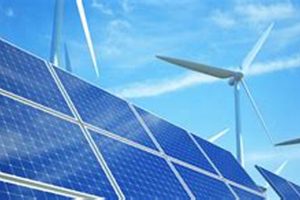
Storing electricity generated from sources like solar and wind power is essential for ensuring a consistent energy supply. For example, excess solar energy generated during peak sunlight hours can be stored and used later at night or on cloudy days. This stored energy acts as a buffer, smoothing out the intermittent nature of renewable generation.
A reliable power supply independent of weather patterns is crucial for a stable energy grid. Historically, conventional power plants offered consistent output, but renewable sources fluctuate with environmental conditions. The ability to accumulate and dispatch electricity generated from these sources increases their reliability and overall value, paving the way for a more sustainable energy future. It enables greater penetration of renewable energy sources, reducing reliance on fossil fuels and mitigating climate change.
This exploration delves into the various technologies used to store renewable energy, their advantages and disadvantages, as well as the future prospects of this crucial field.
Tips for Implementing Renewable Energy Storage Solutions
Effective integration of renewable energy sources requires careful consideration of storage solutions. The following tips provide guidance for successful implementation.
Tip 1: Conduct a thorough needs assessment. Analyze energy consumption patterns and renewable energy generation profiles to determine the appropriate storage capacity and discharge duration.
Tip 2: Evaluate available technologies. Different storage technologies (e.g., batteries, pumped hydro, compressed air) have varying characteristics. Select the technology best suited to the specific application and local conditions.
Tip 3: Consider system integration. Ensure seamless integration of the storage system with the existing energy infrastructure, including generation sources, transmission lines, and distribution networks.
Tip 4: Optimize system performance. Implement intelligent control systems to maximize the efficiency and effectiveness of the storage solution. This may involve predicting energy demand and optimizing charge/discharge cycles.
Tip 5: Explore financing options. Investigate available incentives, grants, and financing mechanisms to support the deployment of renewable energy storage projects.
Tip 6: Address safety and environmental considerations. Ensure compliance with all relevant safety regulations and minimize the environmental impact of the storage system.
Tip 7: Plan for long-term operation and maintenance. Develop a comprehensive maintenance plan to ensure the long-term reliability and performance of the storage system.
By considering these tips, stakeholders can maximize the benefits of renewable energy storage, enhancing grid stability and facilitating the transition to a sustainable energy future.
These practical considerations are essential for successful project implementation. The following section concludes this exploration of renewable energy storage.
1. Grid Stability

Maintaining a stable electricity grid is paramount for ensuring a continuous and reliable power supply. Integrating intermittent renewable energy sources like solar and wind power presents challenges to grid stability due to their fluctuating output. Energy storage addresses this challenge by providing a buffer against these fluctuations, thus enhancing grid reliability and resilience.
- Frequency Regulation
Fluctuations in power generation and demand can cause deviations in grid frequency. Energy storage systems can rapidly respond to these deviations, injecting or absorbing power as needed to maintain the desired frequency. For instance, batteries can discharge stored energy within milliseconds to compensate for a sudden drop in generation. This rapid response capability is crucial for preventing cascading failures and maintaining grid stability.
- Peak Shaving and Valley Filling
Energy demand typically peaks during certain times of the day, while renewable energy generation may not align with these peaks. Storage can capture excess renewable energy during periods of low demand and discharge it during peak periods, reducing the need for expensive and often less environmentally friendly peaking power plants. This “peak shaving” reduces strain on the grid and lowers overall energy costs.
- Voltage Support
Maintaining consistent voltage levels across the grid is essential for reliable operation of electrical equipment. Energy storage can provide voltage support by injecting reactive power into the grid, helping to regulate voltage fluctuations. This is particularly important in areas with high penetration of distributed renewable energy resources.
- Black Start Capability
In the event of a widespread power outage, energy storage can provide “black start” capability, enabling the grid to be restarted without relying on external power sources. This enhances grid resilience and reduces the duration of outages. Large-scale battery systems, for example, can provide the initial power needed to bring conventional power plants back online.
By addressing these key aspects of grid stability, energy storage technologies enable greater integration of renewable energy sources, paving the way for a more sustainable and reliable energy future. The ability to store and dispatch electricity from renewable sources transforms these intermittent resources into dispatchable assets, enhancing their value and contribution to the grid.
2. Cost Reduction

Integrating energy storage with renewable energy systems presents significant opportunities for cost reduction across the electricity value chain. These cost savings stem from various factors, enhancing the economic viability of renewable energy projects and contributing to a more sustainable energy landscape.
- Arbitrage
Energy storage facilitates arbitrage by allowing operators to capitalize on price fluctuations in electricity markets. Excess renewable energy generated during periods of low demand and low prices can be stored and then sold when demand and prices are high. This price arbitrage mechanism maximizes the revenue generated from renewable energy assets, offsetting the cost of the storage system and improving project economics.
- Transmission and Distribution Deferral
Integrating energy storage can defer or even eliminate the need for costly upgrades to transmission and distribution infrastructure. By strategically locating storage systems closer to load centers, peak demand can be met without overtaxing existing grid infrastructure. This avoids the significant capital expenditures associated with building new transmission lines or substations.
- Reduced Reliance on Peaking Power Plants
Peaking power plants, typically fueled by fossil fuels, are expensive to operate and contribute significantly to greenhouse gas emissions. Energy storage can provide peak capacity, reducing the need to dispatch these peaking plants. This translates into lower operating costs and a smaller carbon footprint for the electricity system.
- Demand Charge Management
Many commercial and industrial electricity customers face demand charges, which are based on their peak electricity usage. Energy storage can be used to “shave” these peaks, reducing demand charges and lowering overall electricity bills. This is particularly beneficial for businesses with predictable peak demand periods.
The cost reduction potential associated with energy storage enhances the overall value proposition of renewable energy projects. By optimizing energy dispatch, reducing grid infrastructure costs, and minimizing reliance on expensive peaking power plants, storage technologies contribute to a more cost-effective and sustainable energy future. These economic benefits, coupled with the environmental advantages of renewable energy, accelerate the transition towards a cleaner and more affordable energy system.
3. Technology Diversity

A diverse range of technologies underpins effective energy storage for renewable energy integration. This technological diversity is crucial for matching specific storage requirements with the characteristics of different renewable energy sources and grid applications. The variability in renewable energy generation profiles necessitates a flexible approach to storage solutions. For example, pumped hydro storage, utilizing elevation differences to store potential energy, is well-suited for large-scale, long-duration storage, complementing the intermittent nature of wind and solar power. Conversely, battery storage, characterized by rapid response times, addresses short-duration grid stabilization needs, effectively managing frequency fluctuations and voltage variations.
The practical significance of this technological diversity is reflected in its ability to address varied grid requirements. Lithium-ion batteries, with their decreasing costs and increasing energy densities, are becoming increasingly prevalent for distributed energy storage and electric vehicle charging infrastructure. Flow batteries, offering scalable capacity and long cycle lives, are suitable for large-scale grid applications and microgrids. Compressed air energy storage, leveraging existing geological formations or repurposed infrastructure, offers a potentially cost-effective solution for bulk energy storage. Thermal energy storage, ranging from molten salt to ice-based systems, provides flexibility for both heating and cooling applications, aligning with the variable output of concentrated solar power. The choice of technology depends on factors like storage duration, power output, cost, environmental impact, and geographical constraints.
Technological advancements drive ongoing innovation in energy storage, leading to improved performance, reduced costs, and expanded applications. Research and development efforts focus on enhancing battery chemistries, developing advanced materials for supercapacitors, and exploring novel storage concepts like hydrogen storage and gravity-based systems. This continuous evolution of energy storage technologies is essential for realizing the full potential of renewable energy sources, creating a more resilient, sustainable, and efficient energy future. The ability to tailor storage solutions to specific application needs unlocks greater flexibility and cost-effectiveness in renewable energy integration, driving the transition toward a decarbonized energy system.
4. Environmental Impact
Minimizing environmental impact is a central consideration in the development and deployment of renewable energy storage systems. While renewable energy sources offer inherent environmental advantages over fossil fuels, the manufacturing, operation, and end-of-life management of storage technologies present potential environmental impacts that must be carefully addressed. A life-cycle assessment approach, considering all stages from material extraction to disposal, provides a comprehensive understanding of the environmental footprint of different storage technologies. For example, battery production requires significant amounts of energy and resources, including metals like lithium, cobalt, and nickel. The extraction and processing of these materials can have environmental consequences, such as habitat disruption, water pollution, and greenhouse gas emissions. Furthermore, the disposal of spent batteries raises concerns about potential soil and water contamination if not managed responsibly.
Mitigating these environmental impacts requires a multi-pronged approach. Sustainable sourcing of materials, using recycled components, and designing for recyclability are crucial strategies. Advancements in battery chemistries, such as the development of solid-state batteries, offer the potential to reduce reliance on scarce or environmentally sensitive materials. Furthermore, optimizing the operational lifespan of storage systems through advanced control algorithms and effective maintenance practices minimizes the need for frequent replacements, reducing the overall environmental burden. Real-life examples of sustainable practices include battery recycling programs, which recover valuable materials and prevent them from entering landfills, and the use of renewable energy to power battery manufacturing facilities, reducing the carbon footprint of the production process. Choosing environmentally responsible storage solutions, such as pumped hydro storage which utilizes existing water resources, can minimize land-use impacts compared to some battery technologies.
Understanding the environmental impacts of energy storage technologies is crucial for making informed decisions about their deployment. Balancing the benefits of renewable energy integration with the potential environmental trade-offs of storage solutions requires careful consideration of the entire life cycle. By prioritizing sustainable practices throughout the supply chain, promoting research and development of environmentally benign technologies, and implementing responsible end-of-life management strategies, the environmental footprint of energy storage can be minimized, paving the way for a truly sustainable energy future. Addressing the environmental challenges associated with energy storage is integral to achieving the broader goals of decarbonizing the energy sector and mitigating climate change.
5. Energy Security
Energy security, characterized by reliable access to affordable and sustainable energy sources, is intrinsically linked to the effective deployment of energy storage for renewables. Renewable energy sources, while abundant and environmentally beneficial, are inherently intermittent. This intermittency poses a challenge to energy security by creating vulnerabilities in the electricity supply. Energy storage addresses this challenge by enabling a consistent and predictable flow of electricity from renewable sources, mitigating supply disruptions and enhancing energy independence. This connection is strengthened by the ability of storage to decouple energy generation from energy consumption, providing a buffer against fluctuations in renewable energy output and ensuring a stable supply even during periods of low wind or solar resource availability. For instance, nations with limited domestic fossil fuel reserves can enhance their energy security by leveraging renewable energy coupled with storage, reducing reliance on imported fuels and mitigating geopolitical risks associated with energy dependence. Similarly, remote communities or islands can achieve greater energy autonomy through localized renewable generation and storage, reducing their vulnerability to disruptions in fuel supply chains.
The practical significance of this connection is evident in the increasing deployment of energy storage alongside renewable energy projects globally. Large-scale battery storage facilities are being integrated with solar and wind farms to provide grid services such as frequency regulation and peak shaving, ensuring grid stability and reliability. Distributed energy storage systems, such as residential battery installations, empower consumers to manage their energy consumption, reduce reliance on the grid, and enhance resilience during power outages. Furthermore, the development of advanced storage technologies, such as flow batteries and compressed air energy storage, offers promising solutions for long-duration storage, further enhancing energy security by enabling greater penetration of renewable energy sources and reducing reliance on conventional power plants. Examples include countries utilizing pumped hydro storage to balance their electricity grids with high proportions of wind and solar power, ensuring continuous supply even during extended periods of low renewable generation. Similarly, industrial facilities are increasingly adopting energy storage solutions to improve energy efficiency, reduce costs, and enhance their operational resilience.
Energy storage plays a pivotal role in strengthening energy security in the context of the global transition to renewable energy. By mitigating the intermittency challenges associated with renewable sources, storage technologies facilitate greater integration of clean energy, reduce reliance on fossil fuels, and enhance energy independence. Addressing the technical and economic challenges associated with energy storage deployment is essential for realizing the full potential of renewable energy in achieving long-term energy security goals. The continued advancement and deployment of energy storage technologies are critical for creating a more resilient, sustainable, and secure energy future, mitigating the risks associated with climate change and geopolitical instability.
Frequently Asked Questions about Energy Storage for Renewables
This section addresses common inquiries regarding the role and implementation of energy storage in conjunction with renewable energy sources.
Question 1: What is the primary function of energy storage in a renewable energy system?
Energy storage systems primarily address the intermittency of renewable energy sources like solar and wind power, enabling a continuous and reliable power supply regardless of weather conditions. Stored energy can be dispatched when generation is low, ensuring grid stability and meeting consumer demand.
Question 2: What are the most prevalent energy storage technologies used with renewables?
Currently, the most widely deployed technologies include pumped hydro storage, lithium-ion batteries, and flow batteries. Pumped hydro offers large-scale storage capacity, while batteries provide flexibility and rapid response times. Other technologies like compressed air energy storage and thermal storage are also gaining traction.
Question 3: How does energy storage impact the cost of renewable energy?
While the initial investment in energy storage can be significant, it often leads to long-term cost reductions. Storage enables greater utilization of renewable energy, reducing reliance on expensive peaking power plants and optimizing energy dispatch. It can also defer the need for costly grid infrastructure upgrades.
Question 4: What are the key environmental considerations associated with energy storage?
The environmental impact of energy storage varies depending on the technology. Factors to consider include the extraction and processing of raw materials for batteries, land use requirements for pumped hydro, and the potential for leaks or spills in compressed air storage. Life-cycle assessments are crucial for evaluating the overall environmental footprint.
Question 5: How does energy storage contribute to energy security?
Energy storage enhances energy security by reducing reliance on imported fossil fuels and increasing energy independence. By ensuring a reliable supply of electricity from renewable sources, storage mitigates the risks associated with fuel price volatility and geopolitical instability.
Question 6: What are the future prospects for energy storage in the renewable energy sector?
The future of energy storage is promising, with ongoing research and development efforts focused on improving existing technologies and exploring innovative solutions. Advancements in battery chemistries, the development of more efficient storage systems, and declining costs are expected to drive wider adoption and further integration with renewable energy sources.
Understanding the capabilities and benefits of energy storage is crucial for realizing the full potential of renewable energy in creating a sustainable and secure energy future. Addressing these common questions clarifies the role of storage in optimizing renewable energy integration and fostering a more resilient energy landscape.
The subsequent section will delve into specific case studies of successful energy storage deployments.
Conclusion
Effective integration of renewable energy sources relies heavily on viable energy storage solutions. This exploration has highlighted the critical role of energy storage in addressing the intermittency challenges associated with renewable generation, enabling grid stability, reducing costs, and enhancing energy security. Diverse technologies, from pumped hydro and batteries to emerging solutions like compressed air and thermal storage, offer tailored approaches to meet specific application requirements. Furthermore, minimizing environmental impact through sustainable material sourcing, responsible manufacturing processes, and efficient end-of-life management is crucial for ensuring the long-term sustainability of energy storage solutions. The economic benefits of storage, including cost reductions through optimized energy dispatch and reduced reliance on peaking power plants, further strengthen the case for its widespread adoption.
The continued advancement and deployment of energy storage technologies represent a crucial step towards a future powered by clean, reliable, and affordable renewable energy. Addressing the technical and economic challenges associated with energy storage remains a priority. Investment in research and development, supportive policies, and public awareness are essential for accelerating the transition to a sustainable energy future. The future of energy hinges on the effective integration of renewable sources, and energy storage stands as a cornerstone of this transformative shift.