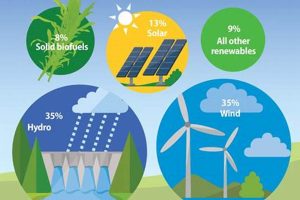
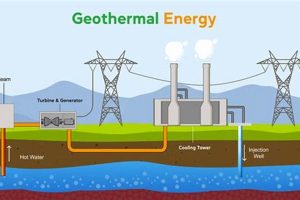
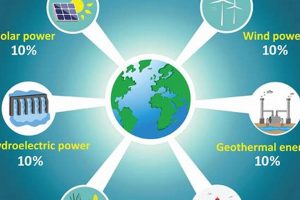
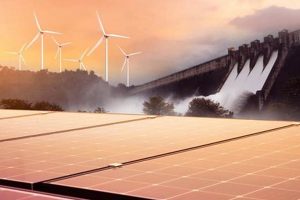
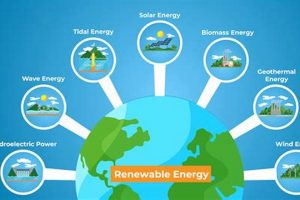
The integration of multiple renewable energy technologies into a single system offers a comprehensive approach to power generation. These systems combine the strengths of different renewable resources, such as solar photovoltaic, wind turbines, and energy storage solutions, to create a more reliable and consistent energy supply. For example, a facility might pair a solar array with battery storage and a wind turbine, supplementing intermittent solar and wind power with stored energy during periods of low generation.
Such integrated approaches enhance energy security and reduce reliance on fossil fuels. The diversification of energy sources mitigates the impact of weather-dependent fluctuations in renewable energy generation. Historically, stand-alone renewable energy systems faced challenges in providing a stable and continuous power supply. Combining different technologies creates a more resilient system, optimizing energy output and reducing carbon emissions. This approach offers economic benefits by potentially lowering energy costs and improving grid stability.
The subsequent sections will examine the various configurations of integrated renewable energy systems, analyzing the technical considerations, economic viability, and environmental impact of different hybrid systems. Specific examples of successful implementations and future trends in the field will also be discussed.
Tips for Optimizing Integrated Renewable Energy Systems
Effective planning and execution are critical for maximizing the benefits of combined renewable energy installations. The following guidelines provide practical insights for designing, implementing, and managing these complex systems.
Tip 1: Conduct a Comprehensive Resource Assessment: A detailed analysis of available renewable resources (solar irradiance, wind speed, hydro potential) at the site is essential. This assessment must consider seasonal variations and long-term trends to accurately predict energy generation potential.
Tip 2: Prioritize System Modeling and Simulation: Employ advanced software tools to model the interaction between different renewable energy components. Simulation helps optimize system sizing, component selection, and control strategies, ensuring efficient operation under diverse conditions.
Tip 3: Integrate Energy Storage Solutions: Incorporate energy storage technologies (e.g., batteries, pumped hydro) to buffer against intermittency and enhance system reliability. The storage capacity should be carefully matched to the load profile and the variability of renewable energy sources.
Tip 4: Implement Advanced Control and Monitoring Systems: Utilize sophisticated control algorithms and real-time monitoring to optimize energy dispatch and system performance. Automated controls can dynamically adjust component operation based on weather conditions, grid demand, and storage levels.
Tip 5: Focus on Grid Integration and Stability: Ensure seamless integration with the existing electrical grid. Implement appropriate grid stabilization technologies, such as synchronous condensers or STATCOMs, to mitigate voltage fluctuations and frequency variations caused by intermittent renewable energy sources.
Tip 6: Develop a Robust Operation and Maintenance Plan: Establish a comprehensive maintenance schedule to ensure the long-term reliability and performance of each component. Regular inspections, preventative maintenance, and timely repairs are crucial for minimizing downtime and maximizing energy output.
Tip 7: Explore Hybrid Renewable Energy Microgrids: The creation of localized microgrids enables increased energy autonomy and resilience, especially in remote areas. These microgrids can integrate diverse power sources and storage solutions to provide a dependable power supply.
By adhering to these guidelines, developers and operators can significantly improve the efficiency, reliability, and economic viability of integrated renewable energy systems. These improvements contribute to a more sustainable and resilient energy future.
The subsequent section will present successful case studies illustrating the practical application of integrated renewable energy concepts.
1. Integration
Integration is a cornerstone of effective implementation of complex renewable energy systems. The combination of diverse renewable sources, such as solar photovoltaic, wind, and hydro, necessitates coordinated operation to ensure consistent and reliable power output. This integration requires sophisticated control systems and communication networks that enable seamless interaction between different energy components. The absence of proper integration can lead to inefficiencies, grid instability, and reduced overall system performance. This is the cause of problems, so integration will provide the effect to solve that problem.
A practical example of the importance of integration can be seen in remote microgrids that combine solar and wind power with battery storage. In such systems, the control system must intelligently manage energy flow to optimize battery charging and discharging based on real-time weather conditions and load demand. Without effective integration, surplus energy from one source may be wasted, or the system may fail to meet the load requirements during periods of low renewable energy generation. In these cases, integration plays a vital role as an important element to achieve hybrid renewable energy goals.
The effective integration of diverse renewable resources presents technical challenges, including managing intermittent energy sources, ensuring grid stability, and optimizing energy storage. However, the ability to overcome these challenges is essential for maximizing the economic and environmental benefits of these energy systems. Furthermore, understanding the practical significance of seamless integration allows for the implementation of robust and resilient energy solutions, contributing to a more sustainable and reliable energy future.
2. Reliability

The integration of multiple renewable energy sources directly enhances the reliability of power generation. Dependence on a single renewable source exposes the system to fluctuations in energy output due to weather conditions or seasonal variations. A diversified system, combining solar, wind, hydro, or geothermal resources, mitigates these risks by providing alternative generation sources. For example, a hybrid system in a location with inconsistent sunlight may incorporate wind turbines to compensate for reduced solar power during cloudy periods. This redundancy in energy sources ensures a more stable and predictable power supply.
Energy storage systems further bolster reliability by storing excess energy generated during periods of high output and releasing it during times of low renewable energy availability. Battery storage, pumped hydro storage, or other storage technologies can smooth out fluctuations and provide backup power when renewable generation is insufficient to meet demand. In isolated microgrids or remote areas, this increased reliability is critical for providing essential services such as healthcare, communication, and residential power. Without a reliable energy supply, the benefits of renewable energy are diminished, and dependence on fossil fuels remains.
The enhanced reliability of hybrid renewable energy systems is a key factor driving their adoption globally. By combining multiple renewable sources and integrating energy storage, these systems offer a viable alternative to traditional fossil fuel-based power plants, ensuring a consistent and dependable energy supply. The practical significance lies in the ability to provide stable power to communities and industries, fostering economic growth and environmental sustainability.
3. Optimization

Optimization is a critical factor in maximizing the efficiency and economic viability of combined renewable energy systems. These systems often involve a mix of energy generation sources, energy storage, and demand response strategies. Without optimization, such complex configurations can be inefficient and fail to realize their full potential.
- Energy Dispatch Strategies
Effective optimization requires sophisticated energy dispatch strategies that prioritize the use of the most cost-effective and environmentally friendly energy sources at any given time. This involves considering factors such as real-time energy prices, weather forecasts, and the state of charge of energy storage systems. For instance, a system might prioritize solar energy during peak sunlight hours and then switch to wind or stored energy during periods of low solar output. Advanced algorithms are employed to determine the optimal dispatch schedule, minimizing costs and maximizing renewable energy utilization.
- Component Sizing and Configuration
Optimization extends to the selection and sizing of individual components within a combined renewable energy system. The relative capacity of solar panels, wind turbines, and energy storage devices must be carefully balanced to match the energy demand profile of the system. This involves detailed simulations and modeling to determine the optimal mix of components, considering factors such as capital costs, operating expenses, and the availability of renewable resources. For instance, oversizing a solar array without sufficient energy storage may result in wasted energy, while undersizing the array may leave energy demand unmet.
- Control System Algorithms
The performance of combined renewable energy systems hinges on the sophistication of their control systems. These systems must be able to dynamically adjust the operation of individual components to optimize energy production and minimize waste. Advanced control algorithms can respond to changing weather conditions, grid signals, and energy demand patterns in real time. For example, a control system might adjust the pitch of wind turbine blades to maximize energy capture or regulate the charging and discharging of batteries to smooth out fluctuations in renewable energy output.
- Predictive Maintenance
Optimization also encompasses predictive maintenance strategies designed to minimize downtime and maximize the lifespan of system components. By analyzing data from sensors and monitoring equipment, predictive maintenance algorithms can identify potential failures before they occur, allowing for timely repairs and maintenance. This reduces the risk of unexpected outages and ensures that the system operates at peak performance over its entire lifespan. For instance, monitoring the temperature and vibration of wind turbine components can help identify early signs of bearing failure, allowing for preventative maintenance to be scheduled.
In summary, optimization is not merely a desirable feature but an essential requirement for realizing the full potential of combined renewable energy systems. From energy dispatch strategies to component sizing and control systems, optimization plays a critical role in ensuring that these systems are efficient, reliable, and economically viable. These optimizations further solidify the role that hybrid renewable energy will play in the energy landscape of the future.
4. Sustainability

The integration of multiple renewable energy sources into hybrid systems is intrinsically linked to sustainability. The reliance on fossil fuels for energy generation contributes significantly to greenhouse gas emissions, climate change, and environmental degradation. Replacing fossil fuels with renewable sources reduces the carbon footprint of energy production, mitigating the adverse effects on the environment.
Sustainability serves as a foundational component of hybrid renewable energy projects. The selection of renewable sources must align with environmental preservation. Hydropower projects, for example, require careful consideration to minimize impact on aquatic ecosystems and water resources. Similarly, wind turbine placement should avoid disruption to bird migration patterns and sensitive habitats. The use of sustainably sourced materials for system components and the responsible disposal of decommissioned equipment contribute to the overall environmental integrity of the project. Life Cycle Assessment (LCA) becomes a tool for estimating the environmental costs from “cradle to grave” and is an important part of sustainability. For instance, a solar panel recycling program is an example of sustainable end-of-life management. Sustainability is therefore not only about the generation of renewable energy, but also about the social costs. An example would be the development of renewable energy generation in the neighborhood: if the inhabitants of this neighborhood don’t have financial benefits from these sources, it’s less sustainable, and thus will generate more resistance in the long-term.
The long-term viability of hybrid renewable energy systems depends on their sustainability. By reducing environmental impact, conserving natural resources, and promoting social equity, these systems contribute to a more sustainable energy future. While challenges remain in achieving full sustainability across the entire energy supply chain, the adoption of hybrid renewable energy represents a significant step towards a cleaner, more resilient, and environmentally responsible energy system.
5. Affordability

The affordability of combined renewable energy systems is a crucial determinant of their widespread adoption. While the initial capital costs of these systems can be substantial, the long-term operational savings and environmental benefits often outweigh these initial investments. The combination of different renewable sources and energy storage technologies can reduce the overall cost of energy by optimizing energy dispatch and minimizing reliance on expensive grid power.
Economies of scale, technological advancements, and government incentives are key drivers in improving the affordability of these systems. As the demand for combined renewable energy systems increases, the cost of components such as solar panels, wind turbines, and batteries decreases due to mass production and improved manufacturing processes. Government subsidies, tax credits, and feed-in tariffs can further reduce the financial burden on consumers and businesses, making these systems more economically attractive. A community in a remote area may not be able to get access to fossil fuels for a decent price. In this case, having access to combined renewable energy provides a chance to get their energy demands met and be more financially resilient, even if the initial investment is relatively high.
The affordability of hybrid renewable energy systems is not just an economic consideration but also a social and environmental imperative. By providing access to clean and affordable energy, these systems can improve the quality of life for communities, stimulate economic development, and reduce the negative impacts of climate change. As the cost of renewable energy technologies continues to decline, combined renewable energy systems are becoming increasingly competitive with traditional fossil fuel-based power plants, paving the way for a more sustainable and affordable energy future.
6. Decentralization

Decentralization represents a core principle in the evolution of energy systems, and its intersection with combined renewable energy generation is increasingly significant. Decentralization, in this context, refers to the distribution of energy generation and management away from centralized power plants to smaller, localized sources. This shift is facilitated by the integration of hybrid renewable energy systems, enabling communities and individual entities to generate their own power. The decentralization trend directly challenges the traditional model of energy production and distribution, creating opportunities for greater energy independence and resilience.
The implementation of combined renewable energy sources in decentralized systems can have multiple effects. Local microgrids, powered by solar, wind, and energy storage, offer enhanced energy security, particularly in remote or underserved areas. For example, rural communities lacking grid access can utilize decentralized hybrid systems to provide reliable electricity for homes, schools, and businesses. This can improve living standards and economic opportunities. Moreover, decentralized renewable systems can reduce transmission losses associated with transporting electricity over long distances, improving overall energy efficiency. This also fosters local economic development by creating jobs in the installation, maintenance, and operation of these systems. Examples can be found in areas prone to natural disasters, where decentralized energy systems provide a backup power source when the main grid is disrupted.
The practical significance of understanding the link between decentralization and combined renewable energy lies in its potential to transform energy landscapes. While the transition to decentralized systems may pose challenges related to grid integration, regulatory frameworks, and investment, the benefits of greater energy independence, improved resilience, and reduced environmental impact are substantial. As technology advances and costs decline, decentralization, driven by hybrid renewable energy sources, will continue to play a vital role in shaping a more sustainable and equitable energy future.
Frequently Asked Questions About Hybrid Renewable Energy Sources
This section addresses common inquiries and clarifies prevalent misconceptions concerning combined renewable energy systems, offering detailed explanations to enhance understanding.
Question 1: What constitutes a “hybrid renewable energy source” system?
A “hybrid renewable energy source” system integrates two or more renewable energy generation technologies to provide a more reliable and consistent power supply. This integration often includes energy storage solutions to mitigate intermittency.
Question 2: Why are combined renewable energy systems considered more reliable than single-source renewable installations?
By combining different renewable resources, such as solar and wind, a hybrid system mitigates the impact of weather-dependent fluctuations. If one source experiences reduced output, another can compensate, resulting in a more stable power supply.
Question 3: What are the primary benefits of integrating energy storage into “hybrid renewable energy source” systems?
Energy storage systems, such as batteries, enable the storage of excess energy generated during periods of high production and release it when renewable generation is low. This enhances system reliability, reduces grid dependency, and optimizes energy dispatch.
Question 4: How does the initial cost of a “hybrid renewable energy source” system compare to that of a conventional fossil fuel-based power plant?
The initial capital investment for a hybrid renewable system can be substantial; however, long-term operational savings, reduced fuel costs, and environmental benefits can offset these initial expenses over the system’s lifespan.
Question 5: What role do government incentives play in the adoption of combined renewable energy technologies?
Government incentives, such as tax credits, subsidies, and feed-in tariffs, significantly reduce the financial burden on consumers and businesses, making these systems more economically viable and accelerating their deployment.
Question 6: Can “hybrid renewable energy source” systems operate independently of the electrical grid?
Yes, hybrid renewable systems can operate independently in off-grid applications, providing a reliable power supply for remote communities, critical infrastructure, and other isolated areas. They can also be connected to the grid to supplement power supply.
In summary, combined renewable energy systems offer a viable solution for enhancing energy reliability, reducing carbon emissions, and promoting energy independence. These systems present both technical and economic complexities that necessitate careful planning and execution.
The succeeding section will examine specific case studies demonstrating the successful implementation of combined renewable energy concepts.
Conclusion
The preceding analysis has underscored the multifaceted benefits and challenges inherent in “hybrid renewable energy sources”. The integration of diverse renewable technologies, coupled with energy storage solutions, presents a pathway towards a more resilient, sustainable, and decentralized energy future. The ability to mitigate intermittency, enhance grid stability, and reduce reliance on fossil fuels makes these systems a critical component of the global energy transition. Factors such as resource assessment, system modeling, energy storage, and grid integration must be rigorously addressed to ensure the optimal performance and economic viability of these systems. Furthermore, continuous technological advancements and supportive policy frameworks are essential for driving down costs and accelerating the deployment of combined renewable energy solutions.
While challenges remain in scaling up these technologies and overcoming regulatory hurdles, the potential of “hybrid renewable energy sources” to transform energy landscapes is undeniable. The global imperative to address climate change necessitates a fundamental shift away from conventional energy sources. The continued innovation and strategic implementation of these systems will be pivotal in achieving a cleaner, more secure, and equitable energy future for all.