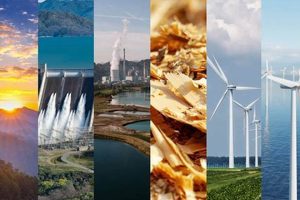
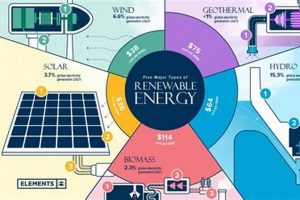
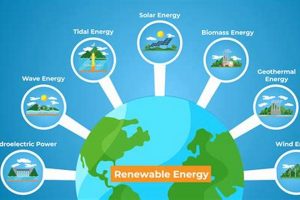
Harnessing power from naturally replenishing resources represents a pivotal shift in global energy production. These methods, focused on sustainability, draw from resources like sunlight, wind, and water to generate electricity and fuel various applications. Examples include solar photovoltaic systems converting sunlight directly into electricity, wind turbines capturing kinetic energy from moving air, and hydroelectric dams utilizing the potential energy of stored water.
The adoption of these sustainable technologies is driven by several key factors, including diminishing reserves of fossil fuels, growing concerns about climate change, and the increasing cost-competitiveness of these alternatives. Their expansion reduces greenhouse gas emissions, mitigates air and water pollution, and fosters energy independence. Historically, harnessing these resources has been a localized practice, but advancements in technology and global awareness are leading to widespread implementation.
The following discussion will delve into specific technologies that currently dominate the field, examining their operational principles, contributions to the energy mix, and future prospects. This examination will shed light on the factors influencing their prominence and potential for continued growth in the evolving energy landscape.
Optimizing Renewable Energy Implementation
Effective integration of environmentally friendly energy technologies requires strategic planning and careful consideration of various factors. The following guidance offers insights for maximizing the benefits and minimizing the challenges associated with their adoption.
Tip 1: Conduct Thorough Resource Assessments: Accurate evaluation of local resources, such as solar irradiance, wind speeds, and water availability, is crucial for determining the feasibility and potential output of a project. Data should be gathered over a sufficient period to account for seasonal variations.
Tip 2: Prioritize Grid Integration Strategies: Successful incorporation into existing electrical grids necessitates addressing intermittency issues and ensuring grid stability. Implement smart grid technologies and energy storage solutions to balance supply and demand.
Tip 3: Promote Supportive Policy Frameworks: Government policies, including tax incentives, feed-in tariffs, and renewable energy standards, play a vital role in attracting investment and fostering market growth. Consistent and predictable policies are essential for long-term success.
Tip 4: Foster Public Awareness and Acceptance: Educating the public about the benefits and addressing common misconceptions can increase support for projects. Transparency and community engagement are crucial for building trust.
Tip 5: Invest in Research and Development: Continued innovation is necessary to improve efficiency, reduce costs, and expand the application of sustainable energy technologies. Focus on areas such as energy storage, advanced materials, and smart grid management.
Tip 6: Ensure Responsible Land Use Planning: Careful consideration of land use impacts is essential for minimizing environmental damage and avoiding conflicts with other land uses. Conduct thorough environmental impact assessments and prioritize brownfield sites where feasible.
Tip 7: Emphasize Lifecycle Cost Analysis: Evaluating the total cost of a system, including upfront investment, operation and maintenance, and decommissioning, provides a more accurate picture of its economic viability compared to traditional alternatives.
By implementing these strategies, stakeholders can accelerate the transition towards a sustainable energy future, reaping the economic, environmental, and social benefits that these technologies offer.
The subsequent sections will delve deeper into specific implementation examples and future trends in the field.
1. Hydroelectric Generation

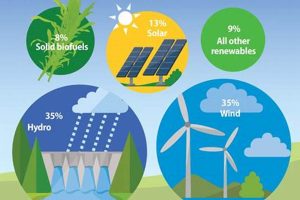
Hydroelectric generation represents a significant portion of sustainable energy production globally and is a foundational component of the aggregate of the most used renewable energy sources. The correlation stems from the capacity of hydroelectric power plants to convert the potential energy of water stored at a height into electrical energy on a large scale. This conversion process, involving dams and turbines, contributes substantially to overall renewable energy output. Consequently, the availability of suitable water resources and the presence of existing infrastructure directly affect the scale of this contribution.
The importance of hydroelectricity is demonstrated by numerous examples. The Three Gorges Dam in China, one of the world’s largest hydroelectric facilities, generates a substantial amount of electricity, serving as a crucial energy source for a significant population. Similarly, the Itaipu Dam, located on the border between Brazil and Paraguay, supplies a considerable portion of the electrical power for both countries. These examples illustrate the dependence of several nations on hydroelectricity as a primary renewable energy source and demonstrate its real-world impact on meeting energy demand. The ongoing operation and maintenance of these facilities contribute not only to immediate energy needs but also to the stability and reliability of energy grids.
In summary, hydroelectric generation’s substantial contribution to electricity production solidifies its position within the collection of extensively utilized renewable energy sources. Although environmental considerations related to dam construction and operation remain a persistent challenge, the practical significance of hydroelectric power in meeting global energy needs is undeniable. Future research and development efforts are required to mitigate the environmental impact and optimize the utilization of existing and potential hydroelectric resources, ensuring that this established renewable technology continues to contribute effectively to a sustainable energy future.
2. Wind Power Capacity

Wind power capacity constitutes a critical component of the most utilized environmentally friendly energy sources. The direct correlation stems from the conversion of wind’s kinetic energy into electricity through wind turbines. A higher installed wind power capacity signifies a greater ability to harness wind energy and generate electricity, thus contributing substantially to the overall share of sustainable energy in the energy mix. Regions with favorable wind resources, such as the Great Plains in the United States and the North Sea in Europe, have experienced substantial increases in wind power capacity, leading to significant reductions in reliance on fossil fuels. The expansion of wind power is directly influenced by technological advancements in turbine design, increased rotor diameters, and improved grid integration strategies. For example, large-scale wind farms, such as those in Texas and Germany, demonstrably contribute a considerable proportion of their respective regional electricity supply.
The significance of expanding wind power capacity is further exemplified by governmental policies and private investments aimed at promoting wind energy projects. Incentives such as tax credits, feed-in tariffs, and renewable energy mandates serve to accelerate the development and deployment of wind power infrastructure. Practical applications extend beyond large-scale wind farms to include distributed wind generation, where smaller turbines are deployed to power individual homes or businesses. Integration into existing electrical grids requires sophisticated management systems to accommodate the intermittent nature of wind resources, often involving advanced forecasting techniques and energy storage solutions. Ongoing research efforts focus on improving turbine efficiency, reducing operational costs, and mitigating environmental impacts, such as noise pollution and avian mortality.
In summary, wind power capacity plays a fundamental role in advancing the utilization of renewable resources. The expansion of this capacity is driven by a combination of technological innovation, supportive policies, and increasing awareness of the environmental benefits of wind energy. While challenges related to intermittency and land use considerations persist, the practical significance of wind power in diversifying energy sources and reducing carbon emissions is undeniable. Continued efforts to optimize wind turbine technology and improve grid integration will be crucial in realizing the full potential of wind power as a mainstream source of renewable energy.
3. Solar Photovoltaics Deployment
Solar photovoltaic (PV) deployment is intrinsically linked to the growing prevalence of environmentally friendly energy sources. Increased deployment directly translates to a greater contribution to the global renewable energy supply. This deployment encompasses a range of applications, from large-scale solar farms feeding electricity into national grids to residential rooftop systems powering individual homes. The fundamental principle involves converting sunlight directly into electricity using semiconducting materials. As the efficiency and affordability of PV systems improve, their adoption rate increases, further solidifying their position among the foremost renewable options. Regions with high solar irradiance, such as the southwestern United States, Australia, and the Middle East, are witnessing significant investments in PV infrastructure. For example, large solar projects in California and Nevada contribute substantially to those states’ renewable energy portfolios. Similarly, government incentives and decreasing panel costs are driving widespread adoption of residential solar systems across Europe and Asia, illustrating the multifaceted impact of solar deployment.
The practical significance of widespread solar PV deployment extends beyond mere electricity generation. It fosters energy independence, reduces reliance on fossil fuels, and mitigates greenhouse gas emissions. The integration of solar PV into existing electrical grids necessitates careful planning and infrastructure upgrades to manage the intermittent nature of solar energy. Energy storage solutions, such as batteries, are becoming increasingly important in ensuring a stable and reliable power supply. Furthermore, solar PV deployment stimulates economic growth by creating jobs in manufacturing, installation, and maintenance sectors. Innovations in solar technology, such as bifacial panels and improved energy storage capabilities, continue to enhance the performance and viability of solar PV systems. Microgrids powered by solar PV are providing access to electricity in remote areas, improving the quality of life for communities lacking grid connectivity.
In summary, solar PV deployment constitutes a crucial element in the transition towards a sustainable energy future. Its increasing affordability, technological advancements, and widespread applicability are driving its expansion across diverse geographical regions and applications. While challenges related to land use and grid integration persist, the practical benefits of solar PV in terms of reducing carbon emissions, fostering energy independence, and stimulating economic growth are undeniable. Continued investment in research and development, coupled with supportive government policies, will be essential in realizing the full potential of solar PV as a cornerstone of the most utilized environmentally friendly energy mix.
4. Biomass Energy Utilization

Biomass energy utilization represents a significant, albeit complex, component within the landscape of the most utilized environmentally friendly energy sources. Its classification as renewable stems from the use of organic matter derived from plants and animals, which, theoretically, can be replenished sustainably. However, the sustainability of biomass energy is contingent upon responsible management practices and efficient conversion technologies, factors that influence its overall contribution to the renewable energy mix.
- Direct Combustion for Heat and Electricity
Direct combustion of biomass, such as wood, agricultural residues, and dedicated energy crops, is a widespread method for generating heat and electricity. Power plants employing this technology burn biomass to produce steam, which drives turbines connected to generators. The efficiency of this process and the emissions generated are critical factors in evaluating its environmental impact. While biomass combustion can displace fossil fuels, it also introduces air pollutants, necessitating advanced emission control technologies. An example is the use of wood pellets in combined heat and power (CHP) plants in Europe, which provides both electricity and district heating.
- Biogas Production through Anaerobic Digestion
Anaerobic digestion is a biological process where microorganisms break down organic matter in the absence of oxygen, producing biogas, a mixture primarily composed of methane and carbon dioxide. This biogas can be used for electricity generation, heating, or upgraded to biomethane for injection into natural gas pipelines. Agricultural waste, sewage sludge, and food processing residues are common feedstocks for anaerobic digestion. Farm-scale digesters, for example, can convert manure into biogas, reducing methane emissions from livestock operations while generating electricity and heat for the farm.
- Liquid Biofuel Production
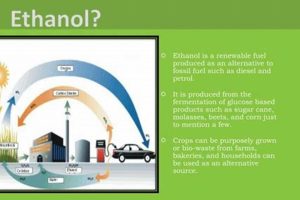
Liquid biofuels, such as ethanol and biodiesel, are produced from biomass and can be used as transportation fuels. Ethanol is typically produced from crops like corn and sugarcane through fermentation and distillation. Biodiesel is produced from vegetable oils, animal fats, or recycled greases through transesterification. While biofuels can reduce greenhouse gas emissions compared to fossil fuels, their sustainability depends on land use practices, feedstock production methods, and energy inputs. The production of corn ethanol in the United States, for example, has raised concerns regarding land conversion and its impact on biodiversity.
- Pyrolysis and Gasification for Advanced Biofuels
Pyrolysis and gasification are thermochemical processes that convert biomass into advanced biofuels and bioenergy products. Pyrolysis involves heating biomass in the absence of oxygen to produce bio-oil, syngas, and biochar. Gasification involves reacting biomass with a controlled amount of oxygen and/or steam to produce syngas, which can be further processed into biofuels, chemicals, or electricity. These technologies offer the potential to utilize a wider range of biomass feedstocks and produce higher-value products. Pilot plants using pyrolysis to convert forest residues into bio-oil, for instance, demonstrate the potential to create a sustainable fuel source from waste materials.
In conclusion, biomass energy utilization occupies a nuanced position within the spectrum of prominently employed renewable energy sources. While it possesses the potential to contribute to a reduction in reliance on fossil fuels, its environmental and economic viability is contingent upon sustainable sourcing practices, efficient conversion technologies, and responsible waste management. The future role of biomass energy will depend on advancements in these areas and the development of policies that promote environmentally sound practices throughout the biomass energy supply chain.
5. Geothermal Energy Applications

Geothermal energy applications, while not as widespread as solar or wind, represent a consistent and geographically specific subset of the most used renewable energy sources. Their relevance lies in harnessing the Earth’s internal heat, a resource that is continuously replenished and largely unaffected by weather patterns. This reliability distinguishes geothermal from other intermittent sources, contributing to a more stable energy mix where available.
- Direct Use Applications
Direct use involves utilizing geothermal heat directly without converting it to electricity. This includes space heating, greenhouse heating, aquaculture, and industrial processes. For example, Reykjavik, Iceland, utilizes geothermal heat for district heating, providing warmth to the majority of its buildings. This direct utilization reduces reliance on fossil fuels for heating purposes and showcases geothermal’s potential in specific regions with accessible resources. The extent of direct use applications contributes modestly but steadily to the overall displacement of conventional energy sources.
- Geothermal Power Plants
Geothermal power plants convert geothermal heat into electricity. There are three main types: dry steam, flash steam, and binary cycle. Dry steam plants use steam directly from geothermal reservoirs to power turbines. Flash steam plants convert high-pressure hot water into steam. Binary cycle plants use geothermal heat to vaporize a secondary fluid with a lower boiling point, which then drives the turbines. The Geysers in California, one of the world’s largest geothermal fields, utilizes dry steam technology to generate a significant amount of electricity. The output from these power plants directly contributes to the electricity grid, supplementing other renewable sources and reducing reliance on fossil fuel-based power generation.
- Geothermal Heat Pumps
Geothermal heat pumps (GHPs), also known as ground-source heat pumps, utilize the relatively constant temperature of the Earth near the surface to provide heating and cooling for buildings. During winter, GHPs extract heat from the ground and transfer it indoors. During summer, they reverse the process, removing heat from the building and dissipating it into the ground. GHPs are more energy-efficient than conventional heating and cooling systems, resulting in lower energy consumption and reduced greenhouse gas emissions. Widespread adoption of GHPs in residential and commercial buildings can contribute to a reduction in overall energy demand, thereby augmenting the impact of other dominant renewable energy sources.
- Enhanced Geothermal Systems (EGS)
Enhanced Geothermal Systems (EGS) are engineered reservoirs created to extract heat from hot, dry rocks deep underground where natural permeability is insufficient. EGS involves fracturing the rock and circulating water through the fractures to extract heat. This technology has the potential to significantly expand the availability of geothermal energy by accessing resources in areas where conventional geothermal systems are not feasible. While EGS is still in the developmental stage, successful implementation could substantially increase geothermal’s contribution to the broader mix of renewable energy sources.
These geothermal applications, while varied in their scope and technological approach, collectively contribute to the broader narrative of renewable energy deployment. Although geothermal energy’s geographical limitations prevent it from achieving the ubiquity of solar or wind power, its consistent energy output and direct use capabilities make it a valuable component in regions with suitable geological conditions. Further research and development in EGS technologies may broaden its applicability, potentially elevating its prominence among the most used renewable energy sources in the future.
Frequently Asked Questions About Most Used Renewable Energy Sources
This section addresses common inquiries regarding the leading sustainable energy technologies, clarifying misconceptions and providing factual information.
Question 1: Why are certain renewable energy sources more prevalent than others?
Prevalence is determined by a combination of factors, including resource availability, technological maturity, economic viability, and policy support. Regions with abundant wind or solar resources, for instance, tend to prioritize those technologies. Established technologies with lower costs and favorable regulatory frameworks generally experience wider adoption.
Question 2: What are the primary limitations of hydroelectric power, despite its significant contribution?
Hydroelectric power, while a major source of renewable energy, presents environmental challenges, including habitat disruption, altered river flows, and potential methane emissions from reservoirs. Dam construction can have significant ecological and social impacts, requiring careful planning and mitigation strategies.
Question 3: How is the intermittency of wind and solar energy addressed to ensure grid stability?
Intermittency is managed through a combination of forecasting techniques, grid management strategies, and energy storage solutions. Advanced weather forecasting models allow for more accurate predictions of wind and solar output. Grid operators employ sophisticated control systems to balance supply and demand. Energy storage technologies, such as batteries and pumped hydro, provide a buffer to smooth out fluctuations in renewable energy generation.
Question 4: What are the sustainability concerns associated with biomass energy utilization?
Sustainability concerns revolve around the sourcing and management of biomass feedstocks. Unsustainable harvesting practices can lead to deforestation, soil degradation, and loss of biodiversity. Burning biomass releases air pollutants, requiring advanced emission control technologies. Careful consideration of land use, feedstock production methods, and conversion technologies is essential for ensuring the sustainability of biomass energy.
Question 5: Is geothermal energy limited to volcanically active regions?
While conventional geothermal resources are typically located in volcanically active areas, Enhanced Geothermal Systems (EGS) offer the potential to access geothermal energy in a wider range of locations. EGS involves creating engineered reservoirs in hot, dry rocks deep underground, expanding the geographical applicability of geothermal energy.
Question 6: What role do government policies play in promoting the adoption of renewable energy sources?
Government policies are instrumental in driving the adoption of renewable energy technologies. Policies such as tax incentives, feed-in tariffs, and renewable energy mandates create a supportive market environment, attracting investment and fostering innovation. Stable and predictable policies are essential for long-term growth in the renewable energy sector.
In summary, a comprehensive understanding of the capabilities and constraints of various renewable energy sources is crucial for informed decision-making and effective energy planning.
The following section will explore the future trends shaping the landscape of sustainable energy.
Conclusion
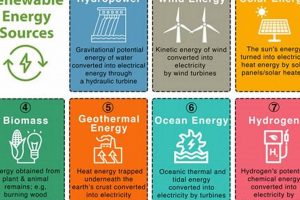
The preceding analysis has explored the operational principles, contributions, and limitations of the most used renewable energy sources, emphasizing the factors that influence their prominence in the global energy mix. Hydroelectric power, wind power capacity, solar photovoltaic deployment, biomass energy utilization, and geothermal energy applications represent the cornerstones of current renewable energy production. Each technology presents unique advantages and challenges, necessitating strategic planning and tailored implementation approaches.
Continued advancements in renewable energy technologies, coupled with supportive policies and increased public awareness, are crucial for accelerating the transition towards a sustainable energy future. The successful integration of these sustainable energy sources into existing infrastructure is essential for ensuring long-term energy security and mitigating the environmental impacts of traditional fossil fuel-based power generation. The future energy landscape hinges on the ongoing commitment to, and effective implementation of, these key renewable energy technologies.