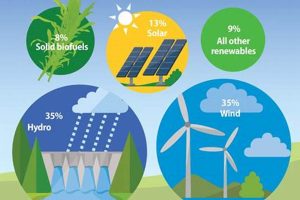
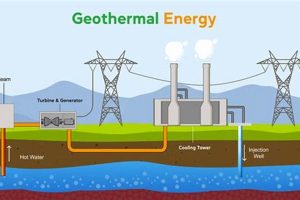
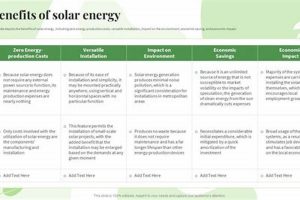
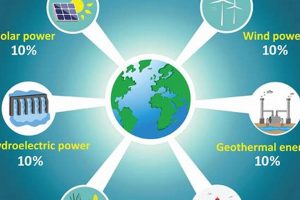
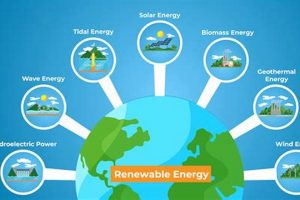
Renewable energy encompasses resources that are naturally replenished, such as sunlight, wind, rain, tides, and geothermal heat. Harnessing these resources presents a stark contrast to the finite nature of fossil fuels and offers an alternative pathway to power generation. A primary advantage lies in the reduction of reliance on fuels that contribute significantly to environmental degradation.
The adoption of energy systems based on renewable sources yields multiple positive outcomes. It mitigates the emission of greenhouse gases, a major driver of climate change, thereby contributing to the preservation of environmental integrity. Furthermore, the diversification of energy sources strengthens energy security by reducing dependence on volatile global fossil fuel markets. Historically, the development of these technologies has been spurred by concerns over resource depletion and the escalating impacts of pollution.
The following sections will delve into specific areas where the utilization of renewable energy demonstrates clear advantages, including environmental preservation, economic growth, and societal well-being. Each of these areas illustrates the far-reaching positive effects of transitioning to sustainable energy solutions.
Harnessing the Advantages of Renewable Energy
The following tips offer guidance on maximizing the positive impact of renewable energy adoption across various sectors and applications.
Tip 1: Prioritize Investment in Research and Development: Continuous improvement of renewable energy technologies is crucial. Increased investment in research and development will lead to higher efficiency, reduced costs, and broader applicability across diverse geographical locations.
Tip 2: Implement Supportive Government Policies: Governments play a vital role in facilitating the transition to renewable energy. Incentives such as tax credits, subsidies, and feed-in tariffs can significantly reduce the financial burden on individuals and organizations adopting these technologies.
Tip 3: Develop Robust Energy Storage Solutions: The intermittent nature of some renewable sources, such as solar and wind, necessitates effective energy storage. Investment in battery technology, pumped hydro storage, and other storage solutions will ensure a reliable and consistent energy supply.
Tip 4: Promote Public Awareness and Education: Widespread adoption of renewable energy requires informed consumers. Public awareness campaigns and educational programs can increase understanding of the environmental and economic benefits of these technologies, encouraging greater acceptance and utilization.
Tip 5: Integrate Renewable Energy into Existing Infrastructure: Modernizing existing grids and integrating renewable energy sources seamlessly is essential. This includes upgrading transmission lines, implementing smart grid technologies, and ensuring grid stability with distributed generation.
Tip 6: Encourage Collaboration and Partnerships: Fostering collaboration between governments, industries, research institutions, and communities can accelerate the development and deployment of renewable energy. Sharing knowledge, resources, and best practices will maximize the effectiveness of these efforts.
Tip 7: Focus on Localized Energy Production: Promoting localized energy production through distributed generation systems, such as rooftop solar panels or small-scale wind turbines, can reduce transmission losses and enhance energy security at the community level.
These tips provide a strategic framework for leveraging the benefits of renewable energy sources. By implementing these guidelines, individuals, organizations, and governments can contribute to a more sustainable and secure energy future.
The subsequent sections will explore practical applications of these tips in various sectors, highlighting real-world examples and demonstrating the tangible impact of renewable energy initiatives.
1. Environmental Protection

Environmental protection stands as a central tenet in evaluating the advantages of renewable energy sources. The integration of renewable energy systems offers a pathway to mitigate environmental degradation associated with conventional energy production.
- Reduced Greenhouse Gas Emissions
Conventional energy sources, primarily fossil fuels, release significant quantities of greenhouse gases into the atmosphere, contributing to climate change. Renewable energy sources, such as solar, wind, and hydropower, generate electricity with minimal or no greenhouse gas emissions, thereby reducing their impact on the climate and mitigating global warming.
- Decreased Air and Water Pollution
The combustion of fossil fuels results in the release of pollutants into the air and water, leading to respiratory problems, acid rain, and water contamination. Renewable energy technologies, in contrast, generally produce little to no air or water pollutants during operation, promoting cleaner air and water resources. For example, solar power plants do not emit harmful pollutants, and hydroelectric dams, while having some environmental impacts, do not produce air pollutants during electricity generation.
- Minimized Habitat Disruption
Extraction, transportation, and combustion of fossil fuels often involve habitat destruction, oil spills, and other environmental disturbances. Renewable energy installations, while requiring land use, can often be sited in less ecologically sensitive areas or integrated into existing landscapes. Offshore wind farms, for instance, can be designed to minimize impacts on marine ecosystems, and solar farms can coexist with agricultural activities.
- Conservation of Natural Resources
Fossil fuels are finite resources that are being depleted at an unsustainable rate. Renewable energy sources, being naturally replenished, offer a sustainable alternative that conserves these finite resources for future generations. Transitioning to renewable energy helps preserve coal, oil, and natural gas reserves, allowing them to be used for essential applications beyond energy production.
The multifaceted environmental benefits of renewable energy sources underscore their importance in achieving a sustainable and ecologically sound energy future. By reducing emissions, minimizing pollution, protecting habitats, and conserving natural resources, renewable energy plays a vital role in safeguarding the environment for current and future generations. The continued development and deployment of renewable energy technologies are crucial for addressing pressing environmental challenges and creating a more resilient and sustainable world.
2. Climate Change Mitigation

Climate change mitigation represents a critical application of renewable energy technologies. The global shift towards sustainable energy practices is essential for reducing greenhouse gas emissions and averting the most severe consequences of climate change.
- Reduced Carbon Emissions from Electricity Generation
The electricity sector is a major contributor to carbon emissions. Renewable energy sources like solar, wind, and hydro power generate electricity without burning fossil fuels, drastically reducing carbon dioxide emissions. For example, replacing a coal-fired power plant with a solar farm significantly decreases the amount of CO2 released into the atmosphere. Widespread adoption of renewable energy in electricity generation is essential for achieving meaningful reductions in global carbon emissions.
- Decarbonization of the Transportation Sector
The transportation sector heavily relies on fossil fuels, resulting in substantial greenhouse gas emissions. Renewable energy sources can power electric vehicles (EVs), reducing dependence on gasoline and diesel. When EVs are charged using electricity generated from renewable sources, the overall carbon footprint of transportation is significantly reduced. The development of renewable energy infrastructure for EV charging is a crucial step towards decarbonizing the transportation sector.
- Decreased Methane Emissions from Fossil Fuel Extraction
The extraction and transportation of fossil fuels, particularly natural gas, often result in methane leaks. Methane is a potent greenhouse gas with a much higher global warming potential than carbon dioxide over a shorter timeframe. Renewable energy sources do not require the extraction of fossil fuels, thus eliminating the risk of methane leaks associated with these activities. Replacing fossil fuels with renewable energy can prevent the release of significant amounts of methane into the atmosphere.
- Enhanced Carbon Sequestration through Land Use Practices
Renewable energy projects, such as wind farms and solar installations, can be designed to integrate with sustainable land use practices that enhance carbon sequestration. Planting vegetation around renewable energy facilities can increase carbon absorption from the atmosphere. Careful planning and implementation of renewable energy projects can contribute to both emissions reduction and carbon sequestration, maximizing their positive impact on climate change mitigation.
These facets demonstrate the central role of renewable energy in mitigating climate change. The transition to a renewable energy-based economy is a necessary step towards reducing greenhouse gas emissions, protecting the environment, and ensuring a sustainable future.
3. Energy Security Enhancement

Energy security, characterized by the reliable and affordable availability of energy resources, is significantly bolstered through the integration of renewable energy sources. This enhancement stems from the diversification of energy supply and the reduced reliance on geopolitical factors that often influence fossil fuel markets.
- Diversification of Energy Sources
Renewable energy technologies, including solar, wind, geothermal, and hydropower, offer a diverse range of energy sources that are geographically distributed. This reduces dependence on any single source or supplier, mitigating the risks associated with supply disruptions or price volatility. For example, a country with abundant solar resources can invest in solar energy to reduce its reliance on imported oil, enhancing its energy independence.
- Reduced Dependence on Fossil Fuel Imports
Many nations rely heavily on imports of fossil fuels, making them vulnerable to geopolitical instability and price fluctuations in the global energy market. Renewable energy sources can displace the need for fossil fuel imports, strengthening energy security by reducing exposure to external factors. For instance, a region investing in wind energy can reduce its demand for imported natural gas, improving its energy self-sufficiency.
- Enhanced Resilience to Infrastructure Disruptions
Centralized energy systems, such as large-scale fossil fuel power plants and transmission grids, are susceptible to disruptions from natural disasters, cyberattacks, or equipment failures. Distributed renewable energy systems, like rooftop solar panels and microgrids, enhance energy security by providing a more resilient and decentralized energy supply. Communities with distributed renewable energy systems are better equipped to maintain power during outages and emergencies.
- Mitigation of Geopolitical Risks
Fossil fuel resources are often concentrated in politically unstable regions, creating geopolitical risks that can impact energy supply and prices. Renewable energy resources are more evenly distributed across the globe, reducing the influence of geopolitical factors on energy security. Investing in renewable energy can insulate a nation from the political and economic consequences of relying on energy sources from volatile regions.
The benefits of energy security enhancement through renewable energy extend beyond individual nations. By promoting a more stable and diversified global energy landscape, renewable energy sources contribute to greater international stability and cooperation. The transition to a renewable energy-based economy is not only environmentally sound but also strategically advantageous for enhancing energy security and resilience.
4. Economic Growth Stimulation
The deployment of renewable energy sources exerts a stimulative effect on economic growth through multiple channels. Increased investment in renewable energy projects generates employment opportunities in manufacturing, installation, maintenance, and research sectors. These projects often require specialized skills, fostering workforce development and creating high-value jobs. Furthermore, the establishment of renewable energy infrastructure can attract additional investment in related industries, such as energy storage and grid modernization, further amplifying economic activity. For example, large-scale solar farms necessitate the development of local supply chains, boosting regional economies and creating new business opportunities for local entrepreneurs. This economic stimulus is particularly pronounced in regions transitioning from fossil fuel-dependent economies, providing a pathway for diversification and sustainable development.
The reduced energy costs associated with renewable energy sources can also drive economic growth. As renewable energy technologies become more cost-competitive with fossil fuels, businesses and consumers benefit from lower electricity prices. This can lead to increased disposable income for consumers and reduced operating expenses for businesses, freeing up capital for investment and expansion. Moreover, predictable energy costs associated with renewable energy sources can enhance business planning and reduce vulnerability to volatile fossil fuel markets. This stability is particularly beneficial for energy-intensive industries, such as manufacturing and agriculture, which rely on affordable and reliable energy to remain competitive. The establishment of renewable energy manufacturing hubs can also attract foreign investment, leading to technology transfer and further economic diversification.
In summary, the adoption of renewable energy sources fuels economic growth by creating jobs, attracting investment, reducing energy costs, and promoting innovation. While challenges such as intermittency and grid integration remain, the economic benefits of renewable energy are increasingly evident. Understanding the linkages between renewable energy and economic growth is essential for policymakers and investors seeking to promote sustainable development and create a more resilient and prosperous economy. The continued advancement and deployment of renewable energy technologies represent a significant opportunity to drive economic growth while simultaneously addressing climate change and enhancing energy security.
5. Resource Depletion Reduction

The mitigation of resource depletion represents a significant advantage of renewable energy sources. Conventional energy systems, reliant on finite resources such as fossil fuels, contribute to the exhaustion of these resources and associated environmental consequences. Renewable energy offers a pathway to reduce dependence on depletable resources, fostering a more sustainable energy future.
- Decreased Extraction of Fossil Fuels
Fossil fuels, including coal, oil, and natural gas, are extracted from the Earth’s crust through mining, drilling, and fracking operations. These activities can lead to habitat destruction, water contamination, and greenhouse gas emissions. Renewable energy sources, such as solar, wind, and hydropower, do not require the extraction of finite resources from the Earth, reducing the environmental impacts associated with fossil fuel extraction. For example, each megawatt of solar power installed reduces the need to mine and transport coal, minimizing environmental damage and conserving fossil fuel reserves. The shift towards renewable energy is essential for decreasing the overall demand for fossil fuel extraction, preserving these resources for future generations.
- Reduced Consumption of Non-Renewable Materials in Energy Production
The construction of conventional power plants and energy infrastructure often involves the use of non-renewable materials, such as metals, concrete, and plastics. While renewable energy technologies also require these materials, the overall consumption is often lower compared to fossil fuel-based systems. Moreover, efforts are underway to develop more sustainable materials and recycling processes for renewable energy components, further reducing the depletion of non-renewable resources. The development of lightweight, high-strength materials for wind turbines, for instance, can reduce the overall material footprint of these systems. By minimizing the consumption of non-renewable materials, renewable energy contributes to a more circular economy and promotes resource conservation.
- Sustainable Use of Water Resources
Conventional power plants often require significant amounts of water for cooling and steam generation. This can strain water resources, especially in arid and semi-arid regions. Renewable energy sources, such as solar photovoltaic (PV) and wind power, generally have lower water consumption requirements compared to fossil fuel and nuclear power plants. Concentrated solar power (CSP) plants, which use mirrors to concentrate sunlight and generate heat, can also employ dry cooling technologies to minimize water use. By reducing water consumption in energy production, renewable energy helps conserve this vital resource for other essential uses, such as agriculture and human consumption.
- Conservation of Land Resources
Fossil fuel extraction and transportation often require extensive land use, which can lead to habitat loss, deforestation, and soil degradation. Renewable energy projects, while also requiring land, can be sited in less ecologically sensitive areas or integrated into existing landscapes. For example, solar farms can be located on brownfields or degraded lands, avoiding the conversion of valuable agricultural or natural habitats. Wind farms can coexist with agricultural activities, allowing farmers to continue cultivating crops or grazing livestock. By carefully planning and implementing renewable energy projects, land resources can be conserved, and environmental impacts can be minimized.
These aspects underscore the vital role of renewable energy in reducing resource depletion. By decreasing the extraction of fossil fuels, minimizing the consumption of non-renewable materials, promoting the sustainable use of water resources, and conserving land resources, renewable energy contributes to a more sustainable and resilient energy future. The continued development and deployment of renewable energy technologies are essential for mitigating resource depletion and ensuring the long-term availability of essential resources for future generations. Transitioning to renewable energy is crucial for establishing a resource-efficient economy.
6. Public Health Improvement

The association between public health enhancement and renewable energy sources stems from the reduction of pollutants emitted during energy production. Traditional fossil fuel combustion releases particulate matter, nitrogen oxides, sulfur dioxide, and other hazardous substances into the atmosphere. These pollutants are directly linked to respiratory illnesses, cardiovascular diseases, and various forms of cancer. Transitioning to renewable energy sources, such as solar, wind, and geothermal, drastically reduces or eliminates these emissions, leading to improved air quality and a corresponding decrease in related health problems. The practical significance lies in mitigating the direct and indirect healthcare costs associated with pollution-related illnesses, benefiting both individuals and public health systems.
The importance of public health improvement as a component of renewable energy benefits is evidenced by numerous studies. For example, communities situated near coal-fired power plants exhibit higher rates of respiratory diseases compared to areas with cleaner energy sources. Implementing renewable energy projects in these regions demonstrates a tangible reduction in pollutant concentrations and a subsequent improvement in public health outcomes. Beyond air quality, renewable energy sources can also contribute to improved water quality, as the extraction and processing of fossil fuels often result in water contamination. Renewable energy technologies, in contrast, typically have minimal impact on water resources. Furthermore, the reduction in greenhouse gas emissions associated with renewable energy helps mitigate the long-term effects of climate change, which pose significant threats to public health, including heat waves, extreme weather events, and the spread of infectious diseases.
In conclusion, the integration of renewable energy sources into the energy mix yields significant public health benefits by reducing air and water pollution, minimizing exposure to toxic substances, and mitigating the adverse effects of climate change. The positive correlation between renewable energy adoption and public health improvement underscores the importance of transitioning to sustainable energy solutions to protect and enhance the well-being of communities worldwide. Addressing challenges such as infrastructure limitations and investment requirements is crucial to fully realize the potential of renewable energy in safeguarding public health, and this represents a critical link to the broader theme of sustainable development and environmental stewardship.
Frequently Asked Questions
This section addresses common inquiries concerning the advantages of renewable energy sources, offering clear and concise explanations.
Question 1: How do renewable energy sources contribute to mitigating climate change?
Renewable energy sources, such as solar, wind, and hydro, generate electricity with minimal or no greenhouse gas emissions. This reduces the atmospheric concentration of carbon dioxide and other gases that contribute to global warming.
Question 2: In what ways do renewable energy sources improve air quality?
Unlike fossil fuels, renewable energy technologies do not release significant air pollutants during operation. This translates to reduced levels of particulate matter, nitrogen oxides, and sulfur dioxide, leading to improved respiratory health and decreased incidence of air pollution-related illnesses.
Question 3: How does renewable energy enhance energy security?
Renewable energy sources are domestically available in many regions, reducing reliance on imported fossil fuels. This diversification of energy sources mitigates the risks associated with geopolitical instability and price fluctuations in global energy markets.
Question 4: What are the economic benefits associated with renewable energy deployment?
Investment in renewable energy projects generates employment opportunities in manufacturing, installation, maintenance, and research sectors. Furthermore, reduced energy costs and increased energy independence can stimulate economic growth in local and regional economies.
Question 5: How do renewable energy sources address the issue of resource depletion?
Renewable energy relies on naturally replenished resources, such as sunlight and wind, rather than finite fossil fuel reserves. This reduces the depletion of non-renewable resources and promotes a more sustainable energy system.
Question 6: Do renewable energy sources have a significant impact on water consumption?
Certain renewable energy technologies, such as solar photovoltaic and wind power, generally have lower water consumption requirements compared to fossil fuel and nuclear power plants. This reduces strain on water resources, especially in arid and semi-arid regions.
The adoption of renewable energy sources offers a multifaceted approach to addressing environmental, economic, and societal challenges. These technologies represent a key component in the transition to a sustainable and resilient energy future.
The following section will explore potential challenges and considerations associated with the widespread implementation of renewable energy sources.
Conclusion
This exposition has illuminated the myriad ways in which renewable energy sources are beneficial. From mitigating climate change and improving air quality to enhancing energy security and stimulating economic growth, the advantages are substantial and far-reaching. The displacement of finite, polluting fossil fuels with sustainable, naturally replenished resources marks a fundamental shift toward a more resilient and environmentally sound energy paradigm. The reduction in greenhouse gas emissions, coupled with the decreased reliance on volatile global markets, presents a compelling case for the widespread adoption of these technologies.
The continued advancement and strategic deployment of renewable energy infrastructure is not merely an option, but a necessity for safeguarding the planet and ensuring a prosperous future. Recognizing and actively pursuing the multifaceted benefits outlined herein is paramount for policymakers, investors, and citizens alike. The path forward requires a concerted effort to overcome existing challenges and embrace the transformative potential of renewable energy, paving the way for a cleaner, more secure, and economically vibrant world.