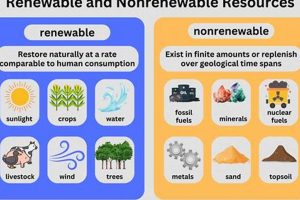
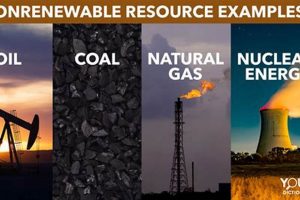
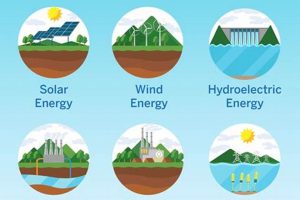
The question of whether a power source is inexhaustible is central to energy sustainability. One source derives its power from the continuous radiation emitted by a celestial body. It is naturally replenished on a human timescale, making it fundamentally different from finite resources extracted from the earth.
Harnessing radiant light offers numerous advantages. It reduces reliance on fuel extraction, lowers greenhouse gas emissions during operation, and promotes energy independence. Historically, direct collection of light has been employed for heating, but technological advancements have enabled conversion into electricity.
The following will examine the characteristics, advantages, and long-term implications of utilizing this light as a primary power source. Considerations of its availability and practical challenges of implementation will also be discussed.
Considerations for Solar Power Integration
Successful adoption relies on understanding key aspects of the radiant energy source. Proper planning and execution are critical for maximizing benefits and mitigating potential drawbacks.
Tip 1: Assess Resource Availability: Evaluate insolation levels specific to the location. Historical weather data provides valuable insights into the consistency of solar irradiance throughout the year. Understanding seasonal variations is crucial for system design and energy storage planning.
Tip 2: Optimize System Placement: Orient solar panels strategically to maximize sunlight exposure. Consider factors such as roof angle, shading from surrounding objects, and the path of the sun throughout the day. Regular maintenance, including panel cleaning, ensures consistent energy capture.
Tip 3: Incorporate Energy Storage Solutions: Implement battery storage systems to address intermittency challenges. Storing excess energy generated during peak sunlight hours allows for continuous power supply during periods of low irradiance or at night. Choose battery technology appropriate for the application.
Tip 4: Prioritize Energy Efficiency: Reduce overall energy consumption through efficient appliances and building design. Lowering demand minimizes the size and cost of the solar installation needed to meet energy needs. Energy audits can help identify areas for improvement.
Tip 5: Explore Grid-Tied Systems: Connect the solar system to the existing power grid. This allows for surplus energy to be fed back into the grid, potentially generating revenue through net metering programs. Grid connectivity provides a reliable backup power source during periods of low sunlight.
Tip 6: Understand Regulatory Frameworks: Familiarize yourself with local and national regulations regarding solar installations. Permitting requirements, building codes, and net metering policies can significantly impact project costs and timelines. Seek guidance from qualified professionals.
Tip 7: Evaluate Economic Incentives: Investigate available tax credits, rebates, and grants offered by government agencies or utility companies. These incentives can significantly reduce the upfront cost of solar system installation, improving the return on investment.
Effective integration requires a thorough understanding of the resource characteristics and meticulous planning. Optimization of the system, combined with proper energy management, ensures maximum benefit for the long term.
Considering these points is essential before making any significant decisions about investing in these systems.
1. Inexhaustible Source

The classification of a power source as “renewable” hinges on its capacity for natural replenishment. The concept of an “inexhaustible source” directly addresses the fundamental characteristic determining the sustainability of power generation. This principle is central to understanding the classification within “solar energy renewable or non renewable”.
- Constant Solar Radiation
The sun emits a steady stream of energy, irrespective of human consumption. This continuous radiative output constitutes a virtually limitless supply. Its energy output is estimated to continue for billions of years, far exceeding the timescale of human civilization.
- Non-Depleting Nature
Unlike fossil fuels or nuclear resources, sunlight is not consumed during energy production. Sunlight is converted into usable forms of energy such as electricity or heat. The conversion process does not diminish the amount of light, as it is a continuous flow of energy from the sun.
- Planetary Scale Impacts
The energy reaching Earth from the sun far surpasses the planet’s total energy consumption. Even significant expansion of use would not impact the overall availability. Therefore, harnessing sunlight offers a viable path to meeting global demands without depleting resources.
The attributes of constant radiation, non-depleting nature, and global surplus underscore the status as renewable source. These facets indicate that utilizing radiation conforms to the defining criteria of long-term sustainability for power generation.
2. Continuous Replenishment

The designation of “solar energy renewable or non renewable” heavily relies on the principle of continuous replenishment. Unlike finite resources, radiant energy possesses a fundamental property of constant renewal, making it a renewable source. This characteristic stems directly from the ongoing nuclear fusion within the sun, a process that sustains a continuous stream of electromagnetic radiation towards Earth. This constant influx is unaffected by human use, thereby distinguishing it from sources such as coal or oil, which are depleted upon extraction and combustion.
Consider the operational lifespan of a photovoltaic installation. For decades, these systems capture light and convert it into usable energy, without diminishing the primary resource. The sun’s radiant output remains consistent regardless of the number of installations operating. This example underscores the practical implication of continuous replenishment: energy harvesting can occur without long-term resource depletion. Moreover, advanced solar concentrators and thermal systems also benefit, demonstrating scalability without resource scarcity.
In summary, continuous replenishment is not merely a theoretical attribute, but a defining characteristic of radiant energy that directly supports its classification as a renewable resource. The sustained nature of the power source eliminates the risk of exhaustion, ensuring a long-term, sustainable energy supply. Despite variability in solar irradiance, its replenishment remains constant, unlike fuel resources which require geological time-scales to form. This reality cements the vital role in a sustainable global energy strategy.
3. No Depletion

The concept of “No Depletion” is central to the categorization of “solar energy renewable or non renewable.” It signifies that the energy source remains undiminished irrespective of the rate or extent of its utilization. The significance lies in the fundamental difference between resources that are consumed during energy production and those that are not.
- Inherent Sustainability
Solar radiation is a perpetually available resource, unaffected by human consumption. Unlike fossil fuels, which are finite and decrease with extraction and combustion, the energy from the sun remains constant. This inherent sustainability stems from the continuous nuclear fusion within the sun, an ongoing process that is independent of terrestrial activities. The ongoing nature of solar radiation ensures its availability for generations to come.
- Energy Balance Stability
Harnessing sunlight does not disrupt the planetary energy balance. Solar energy systems merely convert energy already reaching Earth into usable forms. Extraction and burning releases stored carbon into the atmosphere. The use of radiant energy does not introduce new energy into the system, nor does it remove existing energy from the source.
- Resource Abundance
The amount of energy reaching Earth from the sun far exceeds current global energy demands. Therefore, widespread adoption would not deplete the resource. This vast availability ensures that numerous geographical regions can transition to a solar-based energy infrastructure. The ability to deploy widespread solar technologies without resource limitations is a major distinction.
- Technological Advancement Impact
Technological advancements do not affect the resource itself. Increased efficiency in solar panels or thermal collectors simply allows for better energy capture. This means that innovations enhance access to solar energy without diminishing the energy source itself. This is in contrast to methods for increasing fossil fuel extraction that ultimately accelerate depletion.
In summary, the principle of “No Depletion” underscores the renewable nature of radiant energy. Its inherent sustainability, balanced energy dynamics, abundant availability, and technological compatibility reinforce its classification as a perpetually available energy source. These characteristics highlight the long-term viability and environmental benefits of employing solar technologies as a core component of a sustainable global energy infrastructure.
4. Sustainable Yield

Sustainable yield, a core concept in resource management, dictates that resource extraction must not exceed the rate of natural replenishment. This principle is particularly relevant when determining whether a power source can be classified within the framework of “solar energy renewable or non renewable.” Unlike finite resources, the application of sustainable yield to radiant energy presents unique considerations.
- Continuous Replenishment Rate
The replenishment rate of solar energy is effectively constant. The sun emits a predictable and consistent amount of radiant energy towards Earth, a rate unaffected by human utilization. Consequently, the “yield” is theoretically limitless, as energy extraction does not diminish the available resource. For example, a photovoltaic installation can operate for decades, harnessing sunlight without reducing future light. This scenario stands in stark contrast to fossil fuels, where extraction directly reduces the available reserves. Therefore, radiant energy aligns fundamentally with the principles of sustainable yield due to its perpetual replenishment.
- Maximum Harvesting Capacity
While the source itself is continuously replenished, the capacity to harvest is finite. Land area, technological efficiency, and resource availability constrain the maximum extraction. Determining the “yield” involves assessing how much potential energy can be collected from the sun, given current technological and spatial limitations. Urban environments demonstrate this constraint. The number of solar installations is limited by available roof space and terrain. Yet, advancements in technology and land optimization can effectively increase this yield, aligning more closely with the unlimited source. The crucial point is that constraints on harvesting capacity do not compromise the underlying sustainability of solar power.
- Ecological Impact Considerations
Defining a “sustainable yield” requires accounting for environmental effects. Large-scale radiant energy installations may alter land use patterns. Careful planning can mitigate negative effects on ecosystems. The yield must consider these factors to ensure true sustainability. For example, solar farms can potentially impact wildlife habitats or alter surface reflectivity, affecting local climate. Integrating such considerations into the calculation of extraction capacity is essential for aligning renewable energy with environmental stewardship. Addressing ecological effects guarantees that the yield remains sustainable over the long term.
- Long-Term Technological Advancement
Technological progress has the potential to significantly improve efficiency and harvesting capacity. Innovative panel designs, advanced energy storage, and improved grid infrastructure increase the yield without increasing environmental strain. Such improvements further cement the viability within a sustainable energy framework. Ongoing investments in research and development ensure progressive improvements, enabling greater energy extraction from the same resource base. These technological advancements contribute to an expanding yield within acceptable environmental and economic boundaries.
The implications of sustainable yield within the context of radiant energy extend beyond mere resource management. The virtually unlimited nature of the light source necessitates a focus on sustainable technology and infrastructure. This involves continuous innovation, optimized planning, and an awareness of ecological implications to harness its potential without disrupting the planetary system. This approach maximizes the advantages of a renewable resource.
5. Environmental Impact
The environmental repercussions of energy production are of paramount importance when evaluating the status of “solar energy renewable or non renewable.” Unlike fossil fuels, which are associated with significant greenhouse gas emissions and resource depletion, the utilization of radiation presents a fundamentally different set of environmental considerations. Minimizing adverse environmental effects is essential for sustainable energy practices.
- Greenhouse Gas Emissions
One of the primary advantages of solar power is its minimal greenhouse gas emissions during operation. Unlike coal, natural gas, or oil, radiant energy systems do not directly release carbon dioxide or other pollutants into the atmosphere while generating electricity. Although manufacturing and transportation emit a small amount, the total lifecycle emissions are substantially lower than those associated with fossil fuels. The reduction in emissions contributes significantly to mitigating climate change and improving air quality.
- Land Use Considerations
Solar energy systems, especially large-scale solar farms, require substantial land areas. This can lead to habitat disruption and alteration of land use patterns. Properly managed systems can minimize the ecological footprint through careful site selection and mitigation measures. Integrating solar installations with agricultural practices or brownfield redevelopment can reduce the impact on ecosystems. Additionally, rooftop installations minimize land use concerns.
- Resource Consumption and Waste
The manufacturing of solar panels and associated components requires raw materials, including silicon, metals, and plastics. Mining and processing these materials have environmental consequences, and the end-of-life management of solar panels presents a waste disposal challenge. Implementing robust recycling programs and developing more sustainable materials can reduce the environmental impact of production. Circular economy principles, applied to photovoltaic materials, offer a path toward responsible manufacturing practices.
- Water Usage
Some radiant energy technologies, such as concentrated facilities, may require water for cooling. Water scarcity is a growing concern, so minimizing water usage is crucial. Implementing dry-cooling methods or water recycling can significantly reduce water consumption. Additionally, photovoltaic systems require minimal water for operation, further mitigating water-related environmental impacts. Careful water management ensures long-term viability.
Assessing the environmental implications is essential for a comprehensive evaluation. While radiant energy offers substantial advantages over fossil fuels, addressing concerns related to land use, resource consumption, and water usage is crucial for maximizing its sustainability. Continuous improvements in technology and manufacturing processes will further reduce the environmental footprint of radiant energy technologies.
6. Long-Term Availability

The classification of “solar energy renewable or non renewable” is inextricably linked to the concept of long-term availability. Long-term availability signifies that an energy source is accessible and usable for the foreseeable future, essentially ensuring that it will not be depleted or rendered inaccessible within a timeframe relevant to human civilization. This characteristic distinguishes renewable sources from finite resources like fossil fuels.
The sun, the source of radiation, is projected to continue emitting energy for billions of years. This protracted timescale offers a level of assurance that is unachievable with resources extracted from the Earth. Consider the continuous operation of photovoltaic arrays over decades; these systems convert radiation into usable electricity without diminishing the resource base. Furthermore, the predictable nature of solar cycles, while variable on a smaller scale, ensures an overall stability in radiation levels that can be planned for and adapted to. The practical implication is that investments in infrastructure become viable because the source is not subject to scarcity or geopolitical volatility that could impact fuel availability.
In conclusion, long-term availability is not merely an attribute but a defining criterion for classifying radiant energy as renewable. The inexhaustible nature of the light source, coupled with the technological capability to harness it sustainably, positions it as a central component in a long-term energy strategy. While challenges related to intermittency and storage persist, the fundamental assurance of a readily available resource underscores its importance in a sustainable energy future. The suns continuous stream of energy is a resource that guarantees long-term sustainable access.
Frequently Asked Questions about Radiant Energy
The following addresses common questions regarding its viability and sustainability as a power source.
Question 1: Does weather affect the amount of energy produced?
Atmospheric conditions impact the energy generation capabilities. Cloud cover, precipitation, and seasonal changes influence the availability of irradiance. System design accounts for these fluctuations, and storage solutions offer continuous availability during periods of reduced light.
Question 2: What happens to solar panels at the end of their lifespan?
Responsible end-of-life management involves recycling and resource recovery. Established recycling programs recover valuable materials from panels, reducing environmental impact. Ongoing advancements in panel design aim to increase longevity and reduce material waste.
Question 3: Are solar panels expensive to install?
The initial investment can be substantial, but decreasing costs and incentive programs reduce the financial barrier. Furthermore, operational savings and potential revenue generation contribute to long-term financial returns. The costs are competitive with other alternatives.
Question 4: Can solar power replace fossil fuels entirely?
Although it holds immense potential, fully replacing fuels requires a multifaceted approach. Energy storage solutions, grid modernization, and diversified energy sources play crucial roles in establishing a resilient and low-carbon energy infrastructure. A combination of several types of energy is key.
Question 5: How efficient are radiant energy systems?
Efficiency varies depending on the technology and environmental conditions. Photovoltaic cell efficiency continues to improve through ongoing research and development. System design and installation techniques also play significant roles in maximizing power output.
Question 6: Is solar energy available everywhere?
Radiant energy reaches all locations on Earth, but its intensity varies based on latitude and climate. Systems can be adapted for use in diverse geographical regions. Optimization involves tailored installations for unique requirements.
These questions clarify the multifaceted nature of implementation. Understanding factors such as cost, technology, and resource availability is essential for practical power generation.
The next section will summarize the essential criteria that determine if a power source is sustainable.
The Verdict
This exploration has systematically examined the attributes of radiant energy to determine its classification within the “solar energy renewable or non renewable” framework. Analysis reveals that the sustained generation capabilities, minimal environmental impact, and virtually inexhaustible resource base support the status as a renewable source. The capacity for continuous replenishment, absence of resource depletion, and long-term availability ensure sustained energy production for the foreseeable future.
Adoption on a broader scale is crucial for achieving global energy security and reducing reliance on finite resources. Continued investment in technology and infrastructure is essential. The future depends on using this power source for a truly sustainable energy ecosystem.