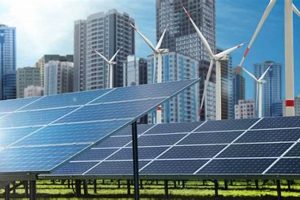
Powering homes with resources that naturally replenish themselves forms the core of sustainable residential energy. Examples include solar panels converting sunlight into electricity, small wind turbines capturing kinetic energy from wind, and geothermal systems utilizing the earth’s stable temperature for heating and cooling. These systems often reduce reliance on traditional fossil fuels.
Decentralized power generation offers increased energy independence and resilience against grid outages. Furthermore, utilizing nature’s power significantly reduces a home’s carbon footprint and contributes to mitigating climate change. Historically, reliance on renewable sources for residential power was common before widespread electrification; now, advancements in technology are revitalizing this approach with improved efficiency and affordability.
This article will further explore specific types of residential sustainable power generation, their installation and maintenance requirements, associated costs and potential savings, as well as their environmental and economic impact.
Tips for Implementing Residential Renewable Energy Systems
Careful planning and consideration are essential for successful integration of sustainable power solutions into homes. The following tips offer guidance for homeowners interested in transitioning to cleaner energy sources.
Tip 1: Conduct a thorough energy audit. Understanding current energy consumption patterns is crucial for determining the appropriate renewable energy system size and type. Professional energy audits provide detailed insights into energy usage and potential areas for improvement.
Tip 2: Evaluate site suitability. The effectiveness of certain renewable energy systems depends on geographical location and site-specific factors such as sun exposure, wind availability, and geothermal potential. Careful assessment is necessary to optimize system performance.
Tip 3: Research available incentives and rebates. Many governments and utility companies offer financial incentives, such as tax credits and rebates, to encourage the adoption of renewable energy technologies. Exploring these options can significantly reduce upfront costs.
Tip 4: Choose reputable installers and equipment. Selecting qualified and experienced installers ensures proper system installation and long-term performance. High-quality equipment from reliable manufacturers contributes to system longevity and efficiency.
Tip 5: Consider long-term maintenance requirements. Renewable energy systems require periodic maintenance to ensure optimal operation. Factoring in maintenance costs and scheduling regular inspections helps prevent unexpected issues and maximize system lifespan.
Tip 6: Explore battery storage options. Integrating battery storage solutions allows homeowners to store excess generated energy for use during periods of low renewable energy production or grid outages, increasing energy independence.
Tip 7: Understand local regulations and permitting processes. Familiarization with local building codes and permitting requirements is essential before installing renewable energy systems. Compliance with regulations ensures a smooth and legal installation process.
By following these guidelines, homeowners can make informed decisions regarding sustainable power solutions, maximizing their benefits while minimizing potential challenges. Transitioning to clean energy sources contributes to a more sustainable future for individual households and the broader community.
This article will conclude with a discussion of the future of residential renewable energy and its potential to transform the energy landscape.
1. Solar Power

Solar power represents a cornerstone of household renewable energy, offering a clean and increasingly affordable way to generate electricity directly from sunlight. Its decentralized nature empowers homeowners to reduce reliance on traditional power grids and contribute to a more sustainable energy future. Understanding the key facets of solar power is crucial for homeowners considering this technology.
- Photovoltaic (PV) Panels
PV panels are the heart of solar power systems, converting sunlight into electricity through the photovoltaic effect. Crystalline silicon and thin-film panels are common types, each with varying efficiency and cost profiles. Residential installations typically involve rooftop or ground-mounted panels, their size determined by energy consumption needs. PV panels offer a direct and efficient means of generating clean electricity for household use.
- Solar Inverters
Solar inverters play a vital role in converting the direct current (DC) electricity produced by PV panels into alternating current (AC) electricity used by household appliances. Different inverter types, including string inverters and microinverters, offer varying levels of performance and system monitoring capabilities. Inverters are essential for ensuring compatibility between solar panels and household electrical systems.
- Net Metering and Battery Storage
Net metering policies allow homeowners to sell excess solar energy back to the grid, offsetting energy costs. Battery storage systems, such as lithium-ion batteries, provide a means to store excess solar energy for later use, enhancing energy independence and resilience during grid outages. These options provide flexibility and economic benefits for homeowners utilizing solar power.
- Installation and Maintenance
Proper installation by qualified professionals is crucial for optimal solar panel system performance and safety. Regular maintenance, including panel cleaning and system inspections, ensures long-term efficiency and maximizes the lifespan of the system. Considering installation and maintenance requirements upfront is essential for a successful solar power implementation.
Integrating solar power into household energy systems provides significant environmental and economic benefits, contributing to reduced reliance on fossil fuels and lower energy bills. As technology advances and costs continue to decline, solar power is poised to play an increasingly prominent role in household renewable energy solutions, paving the way for a cleaner and more sustainable energy future.
2. Wind Energy

Wind energy offers a compelling pathway toward sustainable residential power generation. Harnessing the kinetic energy of wind, small-scale wind turbines provide an alternative to traditional fossil fuels, reducing reliance on centralized power grids and minimizing environmental impact. Integrating wind power into households requires careful consideration of various factors that influence its effectiveness and feasibility.
- Turbine Types and Sizing
Residential wind turbines primarily fall into two categories: horizontal-axis wind turbines (HAWTs) and vertical-axis wind turbines (VAWTs). HAWTs, the most common type, feature blades rotating around a horizontal axis. VAWTs, with blades rotating around a vertical axis, are often preferred in urban environments due to their lower noise levels and ability to capture wind from any direction. Turbine size selection depends on energy consumption needs and available wind resources. Accurate assessment of wind speed and direction is crucial for optimizing turbine performance.
- Site Assessment and Installation
Effective wind power generation relies heavily on suitable site conditions. Open areas with minimal obstructions, such as rooftops or open fields, are ideal for maximizing wind capture. Professional installation is essential to ensure structural integrity and proper turbine alignment. Local regulations and permitting requirements must be considered before installation. Thorough site assessment ensures optimal energy production and minimizes potential disruptions.
- Hybrid Systems and Grid Integration
Combining wind turbines with other renewable energy sources, such as solar panels, creates hybrid systems that maximize energy generation and provide greater resilience against fluctuating weather conditions. Connecting to the existing power grid through net metering agreements allows homeowners to sell excess wind energy back to the grid, offsetting energy costs. Integrating wind power into existing infrastructure enhances energy independence and economic viability.
- Maintenance and Longevity
Regular maintenance, including blade inspections and lubrication, is essential for ensuring the long-term performance and safety of wind turbines. Proper maintenance minimizes downtime and maximizes the lifespan of the system. Understanding maintenance requirements and associated costs is crucial for successful long-term operation. Investing in durable, high-quality turbines ensures reliable and efficient energy generation over time.
Wind energy offers a viable and environmentally friendly approach to powering homes. By carefully considering turbine selection, site suitability, and integration options, homeowners can harness the power of wind to reduce their carbon footprint and contribute to a more sustainable energy future. Wind power, as a component of comprehensive household renewable energy strategies, plays a crucial role in diversifying energy sources and enhancing energy independence.
3. Geothermal Systems

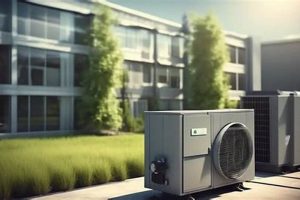
Geothermal systems represent a reliable and sustainable approach to household renewable energy, harnessing the earth’s consistent temperature to provide heating, cooling, and even hot water. Unlike solar or wind power, geothermal energy is available 24/7, regardless of weather conditions, offering a consistent and predictable energy source for residential applications. Understanding the core components and operational principles of geothermal systems is crucial for homeowners considering this technology.
- Ground Source Heat Pumps (GSHPs)
GSHPs are the most common type of geothermal system for residential use. They utilize a network of buried pipes, called a ground loop, to exchange thermal energy with the earth. During winter, the system extracts heat from the relatively warmer ground and transfers it indoors. In summer, the process reverses, transferring heat from the home into the cooler ground. GSHPs offer highly efficient heating and cooling, significantly reducing energy consumption compared to conventional systems.
- Ground Loop Configurations
Ground loops can be configured in various ways, including horizontal, vertical, and pond/lake systems. Horizontal loops are typically installed in shallower trenches, while vertical loops require deeper drilling. Pond/lake systems utilize the relatively stable temperature of bodies of water. The optimal configuration depends on factors such as available land area, soil type, and proximity to water sources. Careful consideration of ground loop design ensures efficient heat exchange and system longevity.
- Heat Exchangers and Distribution Systems
Heat exchangers transfer thermal energy between the ground loop and the household heating/cooling system. Distribution systems, such as ductwork or radiant floor heating, circulate the conditioned air or water throughout the home. Properly sized and installed heat exchangers and distribution systems are essential for optimizing system performance and ensuring uniform temperature control within the house.
- Installation and Maintenance
Geothermal system installation requires specialized expertise and equipment. Proper drilling and trenching techniques are crucial for ensuring the longevity and efficiency of the ground loop. Regular maintenance, including system checks and fluid analysis, helps prevent issues and maximizes system lifespan. Understanding the installation and maintenance requirements is essential for successful long-term operation.
Geothermal systems offer a compelling solution for sustainable household energy management. By leveraging the earth’s stable temperature, these systems provide efficient and reliable heating and cooling, reducing reliance on fossil fuels and minimizing environmental impact. As technology advances and awareness grows, geothermal energy is poised to play an increasingly important role in the transition to a cleaner and more sustainable energy future for households.
4. Hydropower
Hydropower, leveraging the energy of moving water, presents a unique opportunity within the landscape of household renewable energy. While large-scale hydroelectric dams are well-established, smaller-scale hydropower systems offer viable options for individual homes, particularly those located near suitable water sources. These systems, often referred to as micro-hydropower, generate electricity from the natural flow of rivers, streams, or even existing water infrastructure. The connection between hydropower and household renewable energy lies in its potential to provide a consistent, clean, and locally-sourced power supply, reducing dependence on conventional grid electricity and fossil fuels. For example, a home situated near a stream with sufficient flow could install a small turbine to generate electricity for household use.
Micro-hydropower systems typically consist of a turbine, generator, and control system. Water flow drives the turbine, which in turn powers the generator to produce electricity. The control system regulates the flow and output to match household demand. Several factors influence the feasibility and effectiveness of household hydropower, including water availability, flow rate, and elevation drop. Steeper slopes and higher flow rates generally result in greater energy production. Practical applications range from powering individual homes to supplementing grid electricity, offering potential cost savings and enhanced energy independence. Careful consideration of environmental impact is crucial, ensuring minimal disruption to aquatic ecosystems and surrounding habitats.
Integrating hydropower into household renewable energy strategies offers a localized and sustainable power generation method. While site-specific requirements limit widespread applicability, micro-hydropower presents a compelling option for suitable locations. Further development and refinement of these technologies hold the potential to expand access to clean, reliable energy sources, contributing to a more decentralized and resilient energy future. Challenges remain in balancing energy production with environmental preservation, requiring careful planning and implementation to maximize benefits and minimize ecological impact.
5. Energy Storage

Energy storage forms a critical link in maximizing the effectiveness and practicality of household renewable energy systems. Sources like solar and wind power generate electricity intermittently, dependent on weather conditions. Storage solutions bridge these gaps, ensuring a consistent power supply regardless of fluctuations in renewable generation. This allows homeowners to utilize clean energy even when the sun isn’t shining or the wind isn’t blowing, increasing energy independence and reducing reliance on the traditional power grid.
- Battery Storage
Battery systems, particularly lithium-ion batteries, offer a readily available and scalable solution for storing excess renewable energy. These systems charge during periods of high generation and discharge when demand exceeds production. Homeowners can utilize stored energy during peak hours, reducing reliance on grid electricity and potentially lowering energy costs. Advancements in battery technology continue to improve energy density, lifespan, and affordability, making battery storage an increasingly attractive option for household renewable energy integration. For example, excess solar energy generated during the day can be stored in batteries and used to power household appliances in the evening.
- Pumped Hydro Storage
While typically associated with large-scale applications, pumped hydro storage can also be adapted for residential use, particularly in locations with suitable elevation changes. These systems pump water uphill to a reservoir during periods of excess renewable energy generation. When energy demand increases, the stored water is released downhill, driving a turbine to generate electricity. This method provides a cost-effective and efficient way to store large amounts of energy, although its applicability is limited by geographical constraints.
- Thermal Energy Storage
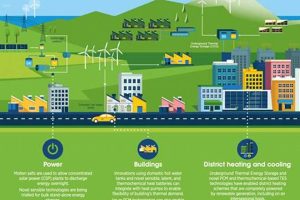
Thermal energy storage captures excess heat generated from renewable sources, such as solar thermal collectors, for later use in heating or hot water applications. Materials like water, rocks, or phase-change materials store thermal energy, releasing it as needed. This method improves the efficiency of solar thermal systems by utilizing excess heat that would otherwise be wasted. Integrating thermal storage enhances the overall effectiveness of renewable energy systems in meeting household heating and hot water demands.
- Grid-Tied Energy Storage
Grid-tied energy storage systems allow homeowners to store excess renewable energy and sell it back to the electricity grid during periods of high demand. This bidirectional flow of energy creates a more dynamic and resilient grid, while also providing homeowners with an additional revenue stream. Grid-tied storage fosters greater integration of renewable energy into the broader energy infrastructure, contributing to a more sustainable and decentralized energy landscape.
Effective energy storage solutions are essential for maximizing the benefits of household renewable energy. By enabling continuous access to clean energy, these technologies enhance energy independence, reduce reliance on fossil fuels, and contribute to a more stable and sustainable energy future. As technology continues to advance, energy storage will play an increasingly crucial role in the widespread adoption of renewable energy at the household level, driving the transition towards a cleaner and more resilient energy system.
Frequently Asked Questions about Household Renewable Energy
This section addresses common inquiries regarding the implementation and benefits of renewable energy systems within residential settings.
Question 1: What are the initial costs associated with installing household renewable energy systems, and what financial incentives are available to offset these expenses?
Initial costs vary depending on the chosen technology, system size, and location. Incentives like tax credits, rebates, and grants can significantly reduce upfront investment, promoting accessibility and affordability.
Question 2: How does the performance of household renewable energy systems vary depending on geographic location and climate?
System performance depends on resource availability. Solar energy output hinges on sunlight exposure, while wind power relies on consistent wind speeds. Geothermal systems perform efficiently regardless of surface weather conditions.
Question 3: What maintenance requirements are associated with different types of household renewable energy systems?
Maintenance varies by technology. Solar panels require periodic cleaning, wind turbines need lubrication and component checks, while geothermal systems necessitate occasional inspections and fluid analysis.
Question 4: How can homeowners determine the appropriate size and type of renewable energy system to meet their specific energy needs?
Professional energy audits assess energy consumption patterns, informing decisions regarding system size and technology. Factors such as roof space, land availability, and energy usage patterns influence system selection.
Question 5: What is the lifespan of typical household renewable energy systems, and what provisions should be made for eventual replacement or upgrades?
System lifespans vary, with solar panels typically lasting 25-30 years, wind turbines 20-25 years, and geothermal systems exceeding 50 years for ground loops and 20-25 years for heat pumps. Financial planning for future replacements or upgrades is recommended.
Question 6: How do household renewable energy systems contribute to environmental sustainability and reduce reliance on fossil fuels?
Renewable energy systems displace electricity generated from fossil fuels, mitigating greenhouse gas emissions and promoting cleaner air and water. Reduced reliance on finite resources contributes to long-term environmental sustainability.
Implementing renewable energy solutions in residential settings requires careful consideration of various factors, from initial costs and maintenance to system lifespan and environmental impact. Thorough research and professional consultation are essential for making informed decisions aligned with individual household needs and broader sustainability goals.
The subsequent section will explore future trends and innovations in household renewable energy technologies.
Household Renewable Energy
This exploration of residential renewable energy systems has highlighted their diverse forms, from solar and wind power to geothermal and micro-hydropower solutions. The critical role of energy storage in maximizing the effectiveness of these systems has been underscored, along with the importance of careful site assessment, system selection, and professional installation. Financial incentives and long-term maintenance considerations have also been addressed, providing a comprehensive overview of the practical aspects of implementing these technologies. The potential for reduced reliance on fossil fuels and decreased environmental impact through the adoption of household renewable energy systems has been clearly demonstrated.
The transition to widespread sustainable residential power generation represents a significant step toward a more resilient and environmentally responsible energy future. Continued technological advancements, coupled with supportive policies and increasing public awareness, promise to accelerate this transition, empowering individuals and communities to embrace cleaner energy solutions. The choices made today regarding residential energy consumption will profoundly shape the energy landscape of tomorrow, underscoring the importance of informed decision-making and proactive engagement in the pursuit of sustainable energy independence.