![Guide: What are the Renewable Sources of Energy? [2024] | Renewable Energy Solutions for a Sustainable Future | Clean & Green Power](data:image/svg+xml;base64,PHN2ZyB4bWxucz0iaHR0cDovL3d3dy53My5vcmcvMjAwMC9zdmciIHdpZHRoPSI0NzQiIGhlaWdodD0iMzE2IiB2aWV3Qm94PSIwIDAgNDc0IDMxNiI+PHJlY3Qgd2lkdGg9IjEwMCUiIGhlaWdodD0iMTAwJSIgc3R5bGU9ImZpbGw6I2NmZDRkYjtmaWxsLW9wYWNpdHk6IDAuMTsiLz48L3N2Zz4= "Energy") Energy? [2024]" width="100%" style="margin-right: 8px;margin-bottom: 8px;" />
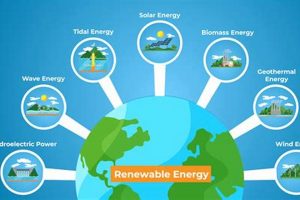
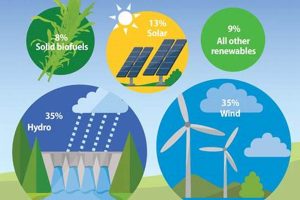
Energy? [2024]" width="100%" style="margin-right: 8px;margin-bottom: 8px;" />Energy derived from naturally replenishing processes constitutes a category of resources with the capacity to be replenished at a rate equal to or faster than their consumption. Examples include solar radiation, wind, tides, geothermal heat, and biomass.
Utilization of these energy sources offers numerous advantages, including reduced reliance on finite fossil fuels, decreased greenhouse gas emissions, and the creation of a more sustainable energy future. Historically, reliance on these power generation methods was limited by technological constraints; however, recent advancements have significantly improved their efficiency and cost-effectiveness.
The following sections will delve into specific types of these resources, exploring their operational principles, current applications, and potential for widespread adoption.
Optimizing the Integration of Renewable Power Generation
Implementing strategies to maximize the efficacy of sustainable power generation is crucial for a successful transition to a cleaner energy future. The following guidelines offer a framework for enhancing the adoption and utilization of these resources.
Tip 1: Diversify Energy Portfolio. Avoid over-reliance on any single type. Combining solar, wind, hydro, and geothermal sources mitigates intermittency challenges and provides a more stable energy supply.
Tip 2: Invest in Energy Storage Solutions. Battery storage, pumped hydro, and thermal storage technologies are essential for addressing the fluctuating nature of some resources. These technologies store excess power generated during peak production periods and release it when demand exceeds supply.
Tip 3: Modernize Grid Infrastructure. A robust and intelligent grid is required to effectively distribute power generated from geographically dispersed locations. Smart grids enable real-time monitoring, optimize power flow, and accommodate bidirectional energy transfer.
Tip 4: Prioritize Energy Efficiency. Reducing overall energy consumption lessens the strain on power generation systems and minimizes the required capacity of sustainable power plants. Implement energy-efficient building designs, appliances, and industrial processes.
Tip 5: Support Research and Development. Continued investment in technological advancements is necessary to improve the efficiency, reliability, and cost-effectiveness of sustainable power generation technologies. This includes exploring novel materials, advanced control systems, and innovative storage solutions.
Tip 6: Implement Supportive Policy Frameworks. Governments play a vital role in promoting adoption. Clear and consistent policies, such as feed-in tariffs, tax incentives, and renewable portfolio standards, create a stable investment environment and encourage widespread deployment.
Tip 7: Foster Public Awareness and Education. Informing the public about the benefits of sustainable power generation and addressing common misconceptions can increase public support and drive demand for cleaner energy options.
By implementing these strategies, stakeholders can accelerate the transition to a sustainable energy future, reduce carbon emissions, and enhance energy security.
The next section will examine the economic considerations associated with widespread deployment.
1. Sustainability

The concept of sustainability is intrinsically linked to the nature of energy derived from naturally replenishing processes. The long-term availability and minimal environmental footprint are key defining characteristics. Sustainable energy systems aim to meet present energy needs without compromising the ability of future generations to meet their own. Therefore, these sources provide a direct pathway towards such systems.
For instance, solar energy, harnessed through photovoltaic cells, relies on a continuously available resource sunlight. The environmental impact of solar energy generation is relatively low, particularly when compared to fossil fuel combustion. Similarly, wind energy utilizes the kinetic energy of moving air masses, a resource that is constantly renewed by atmospheric processes. The sustainability of these sources is contingent on responsible management and deployment practices. Improper land use or inefficient manufacturing processes could negate some of their environmental benefits. Consider the lifecycle of solar panels; their manufacture requires energy and resources, and their disposal at the end of their lifespan presents waste management challenges. A truly sustainable solar energy system must address these issues through recycling and responsible sourcing of materials.
In summary, the viability and ethical basis of “what are the renewable sources of energy” hinges on their alignment with the principles of sustainability. Though not without their challenges, the emphasis on sustainability is a central criterion in their adoption and development. A commitment to minimizing environmental impact throughout the entire lifecycle of renewable energy technologies is vital for realizing their long-term benefits and ensuring a truly sustainable energy future.
2. Availability

Availability, a critical determinant of the viability of energy derived from naturally replenishing processes, dictates the extent to which a specific resource can be reliably accessed and utilized. Fluctuations in the immediate provision of power impact grid stability and energy security, necessitating a thorough understanding of each individual resource’s characteristics. Solar irradiance, for example, is subject to diurnal and seasonal variations, rendering it unavailable during nighttime hours and less abundant during winter months in certain geographical locations. Similarly, wind velocity, the driving force behind wind energy generation, exhibits significant temporal and spatial variability. These intermittencies pose challenges for energy planners and grid operators, who must implement strategies to mitigate the effects of fluctuating energy supply.
The geographical distribution of resources also influences their availability. While solar energy is theoretically available globally, the intensity of solar radiation varies significantly across latitudes. Wind resources tend to be concentrated in specific regions, such as coastal areas and mountain passes. Geothermal energy, another energy type from naturally replenishing processes, is limited to areas with significant geothermal activity. Accessing and utilizing energy requires substantial investments in infrastructure, including transmission lines and storage facilities. The economic feasibility of these investments depends on the relative availability and consistency of the underlying resources. For example, a large-scale solar power plant may be economically viable in a region with high solar irradiance, whereas a smaller, distributed generation system may be more appropriate in areas with lower solar radiation levels.
In summary, the real-world application and successful integration depend directly on their availability, a factor that encompasses both temporal and geographical dimensions. Addressing the challenges associated with intermittency and geographical variability is essential for maximizing the contribution of these energy sources to global energy needs. Advancements in energy storage technologies, coupled with the development of smart grid infrastructure, will play a crucial role in enhancing the availability and reliability of these resources, paving the way for a more sustainable and secure energy future.
3. Environmental Impact

The environmental impact of “what are the renewable sources of energy” constitutes a critical consideration in evaluating their overall sustainability and desirability. While generally considered environmentally benign compared to fossil fuels, energy derived from naturally replenishing processes is not entirely without ecological consequences. A comprehensive assessment necessitates examining the potential effects on land use, wildlife, water resources, and material consumption.
For instance, large-scale solar installations can require significant land areas, potentially leading to habitat loss and disruption of ecosystems. Wind farms, while occupying a smaller footprint, pose risks to avian wildlife through collisions with turbine blades. Hydroelectric dams can alter river ecosystems, impede fish migration, and lead to the inundation of terrestrial habitats. Geothermal energy extraction may release trace amounts of greenhouse gases and potentially cause localized seismic activity. Bioenergy production, depending on the source and cultivation practices, can contribute to deforestation, soil erosion, and competition with food crops. It is essential to conduct thorough environmental impact assessments prior to the deployment of renewable energy projects to identify and mitigate potential adverse effects. Mitigation strategies may include careful site selection, implementation of wildlife protection measures, and adoption of sustainable land management practices.
In conclusion, while energy derived from naturally replenishing processes offers a pathway to a cleaner energy future, it is imperative to acknowledge and address their potential environmental impacts. A comprehensive and holistic approach, encompassing careful planning, responsible resource management, and continuous monitoring, is essential to ensure that the benefits of “what are the renewable sources of energy” are not offset by unintended ecological consequences. The pursuit of sustainable energy solutions necessitates a commitment to minimizing environmental impact across all stages of the energy lifecycle.
4. Technological Advancements
Technological advancements are intrinsically linked to the development and deployment of energy derived from naturally replenishing processes. Progress in materials science, engineering, and information technology directly influences the efficiency, cost-effectiveness, and reliability of harnessing energy from these sources.
- Enhanced Energy Conversion Efficiencies
Significant advancements in photovoltaic cell technology have led to higher efficiencies in converting solar radiation into electricity. Similarly, improved turbine designs and advanced control systems have enhanced the power output of wind turbines. These efficiency gains reduce the land area and material resources required to generate a given amount of energy.
- Improved Energy Storage Solutions
The intermittent nature of some energy derived from naturally replenishing processes necessitates robust energy storage solutions. Technological breakthroughs in battery technology, pumped hydro storage, and thermal energy storage are enabling greater integration of solar and wind power into electricity grids. These storage systems help to balance supply and demand, enhancing grid stability and reliability.
- Smart Grid Technologies
The integration of energy derived from naturally replenishing processes requires advanced grid infrastructure capable of managing distributed generation and variable power flows. Smart grid technologies, including advanced sensors, communication networks, and control algorithms, enable real-time monitoring and optimization of energy distribution, enhancing grid resilience and efficiency.
- Advanced Materials Science
The development of new materials with enhanced properties is crucial for improving the performance and durability of renewable energy technologies. For example, lightweight and high-strength materials are essential for constructing larger and more efficient wind turbine blades. Advanced coatings and corrosion-resistant materials extend the lifespan of solar panels and other renewable energy components.
These technological advancements are driving down the cost of energy derived from naturally replenishing processes, making them increasingly competitive with traditional fossil fuels. Continued investment in research and development is essential for further accelerating technological innovation and unlocking the full potential of these sources in meeting global energy demand.
5. Economic Viability

The economic viability of harnessing energy derived from naturally replenishing processes is a critical determinant of their widespread adoption and integration into global energy systems. The following facets outline key factors influencing the cost-effectiveness of these resources, impacting investment decisions and deployment strategies.
- Initial Capital Costs
The initial investment required for renewable energy projects, such as solar farms, wind parks, or hydroelectric plants, can be substantial. These costs encompass equipment procurement, site preparation, construction, and grid connection. While these upfront expenses can be a barrier to entry, particularly for smaller-scale projects, decreasing technology costs and government incentives are mitigating these challenges.
- Operating and Maintenance Expenses
While energy derived from naturally replenishing processes typically have lower operating costs than fossil fuel-based power plants, ongoing maintenance and repair expenses are still significant. These expenses include equipment servicing, component replacement, and land upkeep. Effective management and preventative maintenance strategies are crucial for minimizing downtime and maximizing the lifespan of renewable energy facilities.
- Levelized Cost of Energy (LCOE)
The LCOE is a metric used to compare the cost-effectiveness of different energy sources over their lifespan. It takes into account the initial capital costs, operating expenses, fuel costs (if any), and the expected energy output. The LCOE of energy derived from naturally replenishing processes has decreased significantly in recent years, making them increasingly competitive with traditional fossil fuels. In many regions, solar and wind power are now cost-competitive, even without subsidies.
- Externalities and Environmental Costs
Traditional economic analyses often fail to account for the environmental and social costs associated with fossil fuel consumption, such as air pollution, climate change, and health impacts. When these externalities are factored in, the economic benefits of energy derived from naturally replenishing processes become even more pronounced. Carbon pricing mechanisms, such as carbon taxes or cap-and-trade systems, can help to internalize these costs and level the playing field for renewable energy technologies.
The economic viability of energy derived from naturally replenishing processes is a dynamic and evolving landscape, driven by technological innovation, policy support, and changing market conditions. As costs continue to decline and environmental awareness grows, these resources are poised to play an increasingly prominent role in meeting global energy needs.
6. Energy Security

Energy security, defined as the uninterrupted availability of energy sources at an affordable price, is intrinsically linked to the adoption and development of energy derived from naturally replenishing processes. A nation’s reliance on imported fossil fuels creates vulnerabilities to price fluctuations, geopolitical instability, and supply disruptions. Diversifying the energy mix with domestically available, renewable resources mitigates these risks, enhancing energy independence and national security. Solar, wind, geothermal, and biomass resources are geographically dispersed, reducing the concentration of energy production in politically sensitive regions. This decentralization enhances the resilience of energy systems to both natural disasters and deliberate acts of sabotage.
The connection between energy derived from naturally replenishing processes and energy security extends beyond mere supply diversification. Investing in domestic production creates employment opportunities and stimulates economic growth within the renewable energy sector. This fosters technological innovation and strengthens the national economy. For example, countries like Denmark and Germany have become leaders in wind turbine manufacturing and solar technology development, creating numerous high-paying jobs and exporting their expertise to other nations. This demonstrates the tangible economic benefits derived from prioritizing domestic energy production.
In conclusion, energy derived from naturally replenishing processes constitute a fundamental pillar of energy security. By reducing dependence on volatile global markets, diversifying supply sources, fostering domestic industries, and strengthening national resilience, these resources contribute significantly to the stability and prosperity of nations. Understanding this relationship is critical for policymakers seeking to ensure a reliable and affordable energy supply for the present and future.
Frequently Asked Questions
The following addresses common inquiries regarding energy derived from naturally replenishing processes, providing factual information and clarifying prevalent misconceptions.
Question 1: What defines energy derived from naturally replenishing processes?
Energy sources classified as such are those that replenish naturally at a rate comparable to, or exceeding, their rate of consumption. This includes solar, wind, geothermal, hydro, and biomass.
Question 2: Are renewable energy sources entirely free of environmental impact?
While generally exhibiting a lower environmental footprint than fossil fuels, these are not without environmental impact. Land use considerations, potential impacts on wildlife, and resource extraction processes require careful assessment and mitigation.
Question 3: Why is energy storage essential for the widespread adoption of sources like solar and wind?
Solar and wind energy are intermittent resources, meaning their availability fluctuates. Energy storage technologies, such as batteries or pumped hydro, are crucial for storing excess energy generated during peak production and releasing it when demand exceeds supply, ensuring grid stability.
Question 4: Is energy derived from naturally replenishing processes economically competitive with fossil fuels?
The economic competitiveness of these resources has significantly improved in recent years. The levelized cost of energy (LCOE) for solar and wind power is now competitive with, or even lower than, that of fossil fuels in many regions. Furthermore, carbon pricing mechanisms can further enhance their economic viability.
Question 5: How do government policies influence the deployment of energy derived from naturally replenishing processes?
Government policies, such as feed-in tariffs, tax incentives, and renewable portfolio standards, play a crucial role in promoting the adoption of energy derived from naturally replenishing processes. These policies create a stable investment environment, encourage innovation, and drive market demand.
Question 6: What are the primary benefits of energy derived from naturally replenishing processes concerning energy security?
By reducing reliance on imported fossil fuels, they enhance energy security. They diversify energy supply, reducing vulnerability to price volatility and geopolitical instability. Domestically sourced, renewable energy promotes economic growth and job creation within the national energy sector.
In summary, while challenges remain, energy derived from naturally replenishing processes present a viable pathway toward a sustainable, secure, and environmentally responsible energy future.
The next article section will discuss the future outlook.
Conclusion
The preceding analysis has illuminated the multifaceted nature of energy derived from naturally replenishing processes. Their sustainability, availability, environmental impact, technological advancements, economic viability, and contribution to energy security have been examined, providing a comprehensive overview. The understanding of these facets is crucial for informed decision-making in the context of global energy transitions.
The continued development and strategic deployment of energy derived from naturally replenishing processes are imperative for mitigating climate change, fostering economic growth, and ensuring a secure energy future. Further research, technological innovation, and supportive policy frameworks are essential to unlock the full potential of these resources. The responsibility rests with policymakers, industry leaders, and individuals alike to champion the adoption of cleaner and sustainable energy solutions.