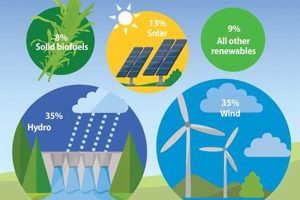
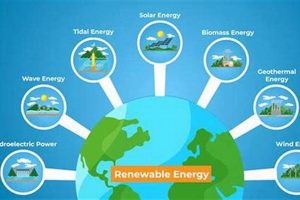
Energy derived from naturally replenishing processes is crucial for long-term sustainability. These resources, unlike finite fossil fuels, are continuously replenished by natural cycles. Examples include solar radiation, wind currents, geothermal heat, flowing water, and biomass.
The employment of these resources offers significant environmental and economic advantages. Utilizing energy from these resources reduces greenhouse gas emissions, mitigating climate change and improving air quality. Historically, societies relied heavily on these methods; contemporary technology enhances their efficiency and applicability.
This article delves into the various types of these energy resources, their implementation, the technologies involved in their utilization, and the potential challenges and opportunities associated with their broader adoption. Furthermore, governmental policies and economic incentives that promote the widespread use of these resources will be examined.
Harnessing Replenishable Power
Maximizing the effectiveness of naturally replenishing energy sources requires careful planning and execution. Adopting these strategies can optimize the integration of these energy sources into various sectors.
Tip 1: Diversify Energy Portfolio: Reduce reliance on single sources by integrating multiple energy systems. Solar power may be complemented by wind energy or geothermal energy, depending on geographical suitability.
Tip 2: Conduct Feasibility Studies: Thoroughly assess the potential of each energy source for a specific location. Factors such as average sunlight hours, wind speed, and geothermal gradient are critical.
Tip 3: Implement Energy Storage Solutions: Address the intermittent nature of some energy sources with effective storage. Battery technology, pumped hydro storage, and thermal storage enhance reliability.
Tip 4: Invest in Smart Grid Technologies: Improve energy distribution efficiency through smart grids. Advanced metering infrastructure and real-time monitoring enable optimized energy management.
Tip 5: Promote Community Engagement: Foster local acceptance and support for renewable projects through educational initiatives. Transparency and community involvement are key to success.
Tip 6: Prioritize Energy Efficiency: Reduce overall energy demand through efficiency measures. Building insulation, energy-efficient appliances, and optimized industrial processes minimize energy waste.
Tip 7: Advocate for Supportive Policies: Encourage government policies that incentivize development and adoption. Feed-in tariffs, tax credits, and renewable energy standards drive growth.
Effective utilization of these strategies will facilitate a more sustainable and resilient energy future. By addressing the challenges associated with intermittency, location dependency, and initial costs, these methods can ensure a reliable and environmentally responsible energy supply.
The following section will present a comprehensive overview of governmental support and economic frameworks designed to enhance the integration of sustainable energy sources.
1. Environmental sustainability

The nexus between environmental sustainability and energy from naturally replenished resources is fundamentally one of cause and effect. Reliance on finite sources such as fossil fuels precipitates adverse environmental consequences, including greenhouse gas emissions, air and water pollution, and habitat destruction. Conversely, the adoption of energy from naturally replenished resources aims to mitigate or eliminate these detrimental effects. The successful integration of these resources hinges on minimizing their environmental footprint throughout their lifecycle, encompassing manufacturing, operation, and decommissioning.
Environmental sustainability is not merely a peripheral benefit of naturally replenished resources; it constitutes an intrinsic component. Without prioritizing environmental protection, even these energy sources can pose ecological risks. For example, large-scale hydroelectric projects can disrupt river ecosystems, while improperly managed biomass harvesting can lead to deforestation. Therefore, comprehensive environmental impact assessments and mitigation strategies are crucial for ensuring that these energy sources genuinely contribute to sustainability. Furthermore, the responsible sourcing of materials for energy generation technologies, such as solar panels and wind turbines, is essential to prevent resource depletion and pollution during manufacturing. The use of recycled or sustainably sourced materials contributes significantly to the overall sustainability profile.
In summary, environmental sustainability forms the bedrock of responsible energy generation. The effectiveness of energy from naturally replenished resources in achieving a sustainable energy future depends on a holistic approach that considers ecological impacts at every stage. By prioritizing environmental stewardship and adopting best practices, societies can harness the potential of these resources to meet energy needs while safeguarding the planet for future generations. The challenge lies in continually refining technologies and policies to minimize environmental risks and maximize the long-term benefits.
2. Technological advancement

Technological advancement serves as a catalyst for the widespread adoption and enhanced efficacy of energy derived from naturally replenished sources. Innovation across various sectors is fundamentally reshaping the landscape of these energy resources, improving their performance, reducing costs, and enhancing their integration into existing energy infrastructures.
- Increased Efficiency of Solar Photovoltaics
The development of advanced materials and cell designs has significantly boosted the efficiency of solar panels. Thin-film technologies and multi-junction solar cells, for instance, capture a greater percentage of solar radiation and convert it into electricity. This increased efficiency translates into more power output from a given surface area, reducing the physical footprint and overall cost of solar energy systems.
- Enhanced Wind Turbine Design and Performance
Aerodynamic improvements and sophisticated control systems have led to more efficient and reliable wind turbines. Taller towers and longer rotor blades enable turbines to harness stronger and more consistent wind resources. Furthermore, advanced sensors and algorithms optimize turbine performance based on real-time wind conditions, maximizing energy generation and minimizing wear and tear.
- Advancements in Energy Storage Technologies
The intermittent nature of some sources necessitates effective energy storage solutions. Lithium-ion batteries, flow batteries, and pumped hydro storage systems are becoming increasingly sophisticated and cost-effective. These technologies allow for the storage of excess energy generated during peak production periods, ensuring a stable and reliable energy supply even when the original energy source is not directly available.
- Smart Grid Integration
The integration of renewable energy sources into the grid requires intelligent grid management systems. Smart grids utilize advanced sensors, communication networks, and control algorithms to optimize energy distribution, balance supply and demand, and enhance grid stability. These technologies enable the seamless integration of variable sources, improving the overall reliability and efficiency of the energy system.
These technological advancements collectively contribute to the increased viability and competitiveness of sources. As research and development efforts continue to yield breakthroughs in materials science, engineering, and information technology, naturally replenished energy sources are poised to play an increasingly dominant role in the global energy mix. These advances not only improve the performance of individual technologies but also facilitate the creation of integrated energy systems that are more resilient, efficient, and environmentally sustainable.
3. Economic competitiveness

The economic competitiveness of energy from naturally replenished sources is a determining factor in its widespread adoption and sustainable growth. Historically, high costs hindered the deployment of these resources relative to established fossil fuel technologies. However, ongoing technological advancements, economies of scale, and supportive policy frameworks are progressively enhancing the economic viability of naturally replenished energy.
The decreasing Levelized Cost of Energy (LCOE) for solar and wind power provides a concrete example. The LCOE, which represents the average net present cost of electricity generation for a plant over its lifetime, has declined dramatically in recent years. In many regions, new solar and wind installations are now cost-competitive with, or even cheaper than, new coal or natural gas plants. This cost reduction is driven by factors such as improved manufacturing processes, increased turbine sizes, and more efficient installation techniques. Government policies, such as tax credits, feed-in tariffs, and renewable energy mandates, further enhance the economic attractiveness of projects by reducing initial capital costs and providing stable revenue streams. The falling costs associated with energy storage, particularly batteries, further enhance the competitiveness of these intermittent sources by enabling them to provide a more reliable and dispatchable power supply.
In summary, the economic competitiveness of energy derived from naturally replenished sources is no longer a theoretical possibility but a tangible reality in many parts of the world. This economic viability, coupled with the environmental benefits and increasing energy security, makes these resources an increasingly attractive option for meeting global energy demands. However, challenges remain, including the need for grid modernization, addressing intermittency, and ensuring equitable access to these technologies. Overcoming these challenges will require sustained investment in research and development, supportive policy frameworks, and innovative financing mechanisms.
4. Resource availability

The effective utilization of replenishable energy is inextricably linked to the geographical distribution and temporal consistency of these resources. Variability in location and time significantly impacts the feasibility and scalability of different technologies.
- Solar Irradiance Distribution
The intensity of solar radiation varies substantially across the globe, influenced by latitude, cloud cover, and atmospheric conditions. Regions with high solar irradiance, such as deserts, exhibit greater potential for solar energy generation. However, even areas with lower average irradiance can effectively harness solar power through optimized system design and efficient technology. The seasonal variability in sunlight also necessitates energy storage solutions or grid integration strategies to ensure consistent power supply.
- Wind Resource Variability
Wind patterns are influenced by geographical features, pressure gradients, and atmospheric circulation. Coastal regions and mountainous areas often possess higher wind speeds, making them suitable for wind farms. However, wind resources are inherently intermittent, fluctuating on hourly, daily, and seasonal timescales. Understanding these variations is critical for optimizing turbine placement and predicting energy output. Furthermore, effective grid management and energy storage are essential for mitigating the impact of wind intermittency.
- Geothermal Gradient Distribution
Geothermal energy harnesses heat from the Earth’s interior. The geothermal gradient, which represents the rate of temperature increase with depth, varies across different geological regions. Areas with high geothermal gradients, such as volcanic regions and tectonic plate boundaries, offer the potential for geothermal power generation. However, geothermal resources are not universally accessible, and the development of geothermal power plants often requires significant capital investment and geological expertise.
- Hydrological Cycle Dependence
Hydropower relies on the availability of water resources, which are governed by the hydrological cycle. Regions with abundant rainfall and river systems are well-suited for hydroelectric power generation. However, variations in precipitation patterns, influenced by climate change, can impact the reliability of hydropower. Furthermore, the construction of large-scale dams can have significant environmental consequences, affecting river ecosystems and displacing local communities. Sustainable hydropower development requires careful consideration of water resource management and environmental impacts.
The availability of resources fundamentally dictates the geographic feasibility and economic viability of specific energy resources. A comprehensive assessment of resource potential, incorporating spatial and temporal variability, is essential for informed decision-making and effective planning in the energy sector. The development and deployment of technologies must align with the specific resource characteristics of each location to maximize efficiency and minimize environmental impact.
5. Policy support

Governmental policies and regulatory frameworks play a crucial role in accelerating the adoption and integration of resources into the energy landscape. These policies address market failures, incentivize investment, and create a level playing field for sources to compete with established technologies.
- Feed-in Tariffs (FITs)
Feed-in tariffs guarantee a fixed price for electricity generated from sources, providing a stable revenue stream for project developers. This mechanism reduces investment risk and encourages the deployment of technologies. Germany’s Energiewende is an example where FITs significantly boosted solar and wind energy capacity. The effectiveness of FITs depends on appropriate tariff levels and program design to avoid overcompensation and promote efficiency.
- Renewable Portfolio Standards (RPS)
Renewable Portfolio Standards mandate that a certain percentage of electricity sold by utilities comes from specified resources. These standards create a demand for sources, driving investment and innovation. Many U.S. states have implemented RPS policies, leading to substantial growth in solar, wind, and other technologies. The stringency of the RPS targets and the flexibility in compliance mechanisms influence the overall impact on the energy mix.
- Tax Incentives and Subsidies
Tax credits, grants, and subsidies reduce the upfront costs of projects, making them more financially attractive to investors. These financial incentives can stimulate demand, lower the payback period, and promote wider adoption. The U.S. Investment Tax Credit (ITC) for solar energy has been instrumental in driving the growth of the solar industry. The design of these incentives must balance effectiveness with efficiency to avoid distortions in the energy market.
- Carbon Pricing Mechanisms
Carbon taxes and cap-and-trade systems create a financial disincentive for emitting greenhouse gases, making technologies more competitive. By internalizing the environmental costs of fossil fuels, these mechanisms promote investment in cleaner energy alternatives. The European Union Emissions Trading System (EU ETS) is an example aimed at reducing carbon emissions across various sectors. The effectiveness of carbon pricing depends on the level of the carbon price and the scope of coverage.
These policy interventions collectively contribute to a more favorable environment for investment and deployment. By addressing market barriers and providing financial incentives, these policies accelerate the transition toward a more sustainable energy system. However, careful policy design, consistent implementation, and long-term stability are essential for maximizing the effectiveness of policy support and achieving desired environmental and economic outcomes.
Frequently Asked Questions Regarding Replenishable Energy Sources
The following section addresses common inquiries and clarifies prevailing misconceptions surrounding energy sourced from naturally replenished processes.
Question 1: What constitutes the primary distinction between replenishable and non-replenishable energy resources?
The fundamental difference lies in the rate of replenishment. Naturally replenished energy sources are renewed by natural processes within a human timescale, whereas non-replenishable resources, such as fossil fuels, require millions of years to form.
Question 2: Are all energy sources environmentally benign?
While possessing lower environmental impacts than fossil fuels, they are not entirely without ecological consequences. Hydropower can disrupt aquatic ecosystems, and biomass harvesting can lead to deforestation if not managed sustainably.
Question 3: Why aren’t sources more widely implemented, given their environmental advantages?
Barriers include intermittency, geographical limitations, and upfront costs. Technological advancements and supportive policies are crucial in overcoming these challenges.
Question 4: How do energy storage technologies enhance the reliability of sources?
Energy storage solutions, such as batteries and pumped hydro, enable the storage of excess energy generated during peak production periods. This stored energy can then be released when demand exceeds supply, enhancing grid stability.
Question 5: What role do governmental policies play in promoting the deployment of energy from naturally replenished processes?
Policies such as feed-in tariffs, renewable portfolio standards, and tax incentives provide financial incentives and regulatory frameworks that encourage investment and innovation in the field.
Question 6: How can individuals contribute to the adoption of naturally replenished energy sources?
Individuals can reduce their energy consumption through energy efficiency measures, support policies, and invest in distributed energy generation systems, such as rooftop solar panels.
In summary, energy sourced from naturally replenished processes offers a promising pathway toward a sustainable energy future. Addressing the challenges and maximizing the benefits requires sustained technological innovation, supportive policies, and informed public engagement.
The following section will provide a future outlook on global adaptations on energy sourced from naturally replenished processes.
Conclusion
This exploration has elucidated the multifaceted nature of what is the renewable source of energy. From detailed examinations of environmental sustainability and technological advancements to economic competitiveness, resource availability, and the pivotal role of policy support, the critical attributes of energy from naturally replenished sources have been thoroughly analyzed. The assessment underscores the imperative of embracing these resources to mitigate the detrimental effects of fossil fuels and foster a sustainable energy future.
The successful integration of energy from naturally replenished sources hinges on sustained innovation, strategic policymaking, and a collective commitment to environmental stewardship. While challenges persist, the potential benefits a cleaner environment, enhanced energy security, and a resilient economy warrant unwavering dedication to the advancement and deployment of these crucial energy alternatives. Further research, development, and international cooperation are essential to fully realize the promise of what is the renewable source of energy and ensure a sustainable energy future for all.