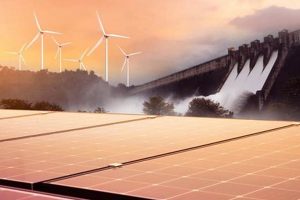
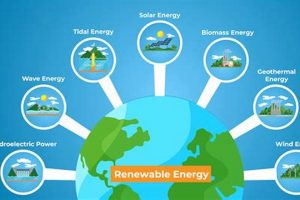
The pursuit of optimal power generation methods necessitates a thorough examination of various options. A determination requires evaluating factors such as environmental impact, economic viability, and long-term sustainability. Consider, for example, the comparative advantages of solar power against the consistency challenges of wind energy.
The identification and utilization of superior power generation methods are critical for global stability and economic progress. Historically, societies have transitioned from biomass to fossil fuels, and are now facing the imperative to shift towards cleaner and more renewable alternatives. This transition is driven by the need to mitigate climate change, ensure energy independence, and foster a sustainable future for subsequent generations.
This article will delve into the comparative analysis of renewable and non-renewable resources, examining their respective strengths and weaknesses. It will also consider the role of technological advancements in shaping the energy landscape and influencing future strategies for fulfilling global energy demands.
The selection of energy sources requires a strategic approach, considering multiple factors. These tips provide a framework for evaluating and optimizing energy choices for various applications.
Tip 1: Quantify Environmental Impact: Conduct a life cycle assessment of potential sources. Consider greenhouse gas emissions, waste generation, and land use. For instance, while nuclear energy has low emissions during operation, the waste disposal process presents a long-term environmental challenge.
Tip 2: Evaluate Long-Term Cost Projections: Analyze the total cost of ownership, including initial investment, maintenance, and fuel costs. Renewable sources often have high upfront costs but lower operating expenses. Fossil fuels may appear cheaper initially, but are subject to price volatility and environmental regulations.
Tip 3: Assess Energy Security and Reliability: Diversify energy sources to mitigate risks associated with supply disruptions or geopolitical instability. Consider the intermittency of renewable sources and the availability of energy storage solutions.
Tip 4: Investigate Grid Integration Capacity: Evaluate the capacity of the existing grid infrastructure to accommodate new energy sources. Significant upgrades may be required to integrate intermittent renewable sources effectively.
Tip 5: Monitor Technological Advancements: Remain informed about emerging technologies that can improve the efficiency and reduce the cost of energy production. This includes advancements in solar panel technology, battery storage, and carbon capture.
Tip 6: Factor in Regulatory and Policy Environments: Consider the impact of government policies, subsidies, and regulations on the economic viability of different energy sources. Policy changes can significantly alter the competitive landscape.
Tip 7: Promote Energy Efficiency: Implement energy-efficient technologies and practices to reduce overall energy demand. Reducing demand can decrease reliance on specific sources and lower associated costs and environmental impact.
Careful consideration of these factors will contribute to making informed decisions about energy source selection, leading to greater sustainability and improved outcomes.
The following section will delve deeper into comparing specific energy production methods and analyzing real-world case studies.
1. Sustainability

The concept of sustainability is inextricably linked to the determination of optimal power generation methods. An unsustainable energy source, by definition, cannot serve as the “best” option in the long term. The utilization of non-renewable resources, such as fossil fuels, presents a clear example. While these resources have historically provided abundant energy, their finite nature and associated environmental impactsincluding greenhouse gas emissions and ecosystem degradationrender them unsustainable. A direct consequence of reliance on such sources is climate change, with cascading effects on global ecosystems, economies, and human societies. The imperative to transition to more sustainable options stems directly from the unsustainable nature of current practices.
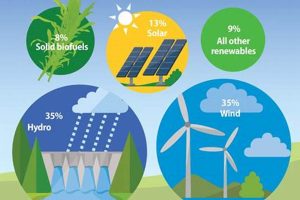
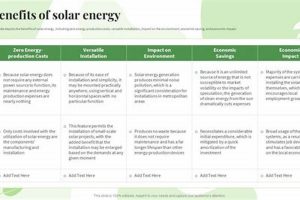
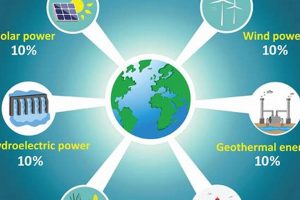
Renewable energy sources, such as solar, wind, hydro, and geothermal, offer more sustainable pathways. Solar power, for instance, harnesses energy from a virtually inexhaustible source. However, the sustainability of solar power is not absolute. The manufacturing of solar panels involves the use of raw materials and energy, and the disposal of panels at the end of their lifespan presents environmental challenges. Similarly, hydroelectric power, while renewable, can significantly alter river ecosystems and displace human populations. A holistic approach to sustainability necessitates considering the entire lifecycle of each energy source, from resource extraction and manufacturing to operation and waste disposal. Sustainable practices also include improvements of solar panels and promote recyclable materials to build them.
Achieving true sustainability in energy production requires a multifaceted strategy. This involves not only transitioning to renewable sources but also implementing energy efficiency measures, developing advanced energy storage solutions, and establishing robust environmental regulations. The pursuit of optimal power generation is, therefore, a continuous process of innovation and refinement. A truly sustainable approach considers not only the immediate energy needs but also the long-term well-being of the planet and its inhabitants. This perspective is essential for making informed decisions about energy investments and policies, ensuring a resilient and sustainable energy future. A continuous development ensures that even renewable energy sources will be environmental friendly.
2. Cost-Effectiveness

The economic feasibility of power generation methods is a central determinant in identifying optimal choices. A method’s cost-effectiveness encompasses initial capital investment, operational expenses, fuel costs (where applicable), maintenance, and decommissioning expenses. The perceived ‘best’ source must demonstrate a competitive economic profile relative to alternatives, considering its entire lifecycle. For instance, a power source with high upfront costs but minimal operating expenses may prove more economical over time compared to a cheaper alternative requiring continuous fuel input. The levelized cost of energy (LCOE) serves as a standard metric for comparing the economic viability of different sources, accounting for all costs over the lifespan of a generating asset. This measure facilitates informed decision-making, balancing economic considerations with other factors such as environmental impact and reliability.
Variations in cost-effectiveness can significantly influence energy policy and investment decisions. Government subsidies, tax incentives, and carbon pricing mechanisms can alter the economic landscape, favoring certain sources over others. For example, feed-in tariffs for renewable energy can improve the cost-competitiveness of solar and wind power, incentivizing their adoption. Conversely, carbon taxes on fossil fuels increase their cost, promoting the transition to lower-emission alternatives. Technological advancements also play a pivotal role in reducing costs. The rapid decline in the price of solar photovoltaic (PV) panels over the past decade has dramatically improved the economic attractiveness of solar energy. Continuous innovation in materials science, manufacturing processes, and energy storage technologies is expected to further drive down the costs of renewable energy, making them increasingly competitive with conventional sources.
Ultimately, cost-effectiveness is not solely about minimizing immediate expenses but rather optimizing long-term value. This includes considering the external costs associated with environmental damage and health impacts, which are often not fully reflected in market prices. A comprehensive assessment of economic viability requires integrating these externalities into the cost-benefit analysis. As the true costs of fossil fuels become more apparent, and as renewable energy technologies continue to mature and become more affordable, the economics will increasingly favor sustainable and efficient power generation methods. This evolution will drive the transition towards the identification and deployment of optimal choices, securing a sustainable and economically sound energy future.
3. Reliability

The attribute of reliability is a cornerstone in the evaluation of viable power generation options. An energy source deemed optimal must provide a consistent and predictable supply to meet demand, ensuring grid stability and minimizing disruptions. Reliability considerations are thus integral to determining the most suitable option.
- Intermittency and Grid Stability
Intermittent renewable resources, such as solar and wind, present unique challenges to grid stability. Their output fluctuates based on weather conditions, creating variability in supply. Integrating these sources requires advanced forecasting techniques, robust grid infrastructure, and energy storage solutions to smooth out fluctuations and maintain a reliable power supply. The capability to effectively manage intermittency is a critical determinant of a source’s suitability.
- Baseload Capacity
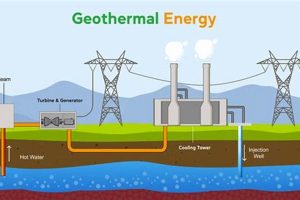
Baseload power refers to the minimum level of electricity demand required at all times. Historically, baseload has been provided by sources such as coal, nuclear, and large hydroelectric facilities, offering consistent and predictable generation. However, the environmental impacts of coal and the safety concerns associated with nuclear necessitate exploring alternative baseload options. Geothermal energy and advanced nuclear designs are emerging as potential candidates, offering lower-carbon baseload solutions. The availability of reliable baseload capacity is essential for ensuring grid stability and meeting continuous demand.
- Infrastructure Resilience
The resilience of energy infrastructure is paramount in maintaining reliability. Power grids must be designed to withstand extreme weather events, cyberattacks, and physical damage. Distributed generation and microgrids can enhance resilience by creating localized energy networks that can operate independently of the main grid during disruptions. Investing in grid hardening measures and diversifying energy sources can improve overall system reliability and minimize the impact of unforeseen events.
- Maintenance and Downtime
All power generation technologies require maintenance, resulting in periods of downtime. The frequency and duration of maintenance outages can significantly impact system reliability. Nuclear power plants, for example, require periodic refueling outages that can last for several weeks. Renewable energy facilities also require maintenance, but the distributed nature of these sources can mitigate the impact of individual outages. Optimizing maintenance schedules, investing in advanced diagnostic tools, and implementing proactive maintenance strategies are crucial for minimizing downtime and maximizing reliability.
The facets of intermittency, baseload capacity, infrastructure resilience, and maintenance underscore the multifaceted nature of reliability. Balancing these factors with economic and environmental considerations is essential for making informed decisions. The capacity to deliver a consistent, dependable power supply remains a defining characteristic of the ‘best’ option. Ongoing innovation in energy storage and grid management technologies will play a crucial role in enhancing the reliability of sustainable energy sources, solidifying their position in the future energy landscape.
4. Scalability

Scalability represents a crucial dimension when evaluating potential power generation methods. The capability to expand energy production in response to growing demand is essential for any source considered a superior choice. Limitations in scalability can restrict the widespread adoption of otherwise promising technologies, impacting their overall viability.
- Resource Availability and Geographic Constraints
The availability of required resources and geographic constraints can significantly impact scalability. Solar power, while abundant, requires vast land areas for large-scale deployment. Hydroelectric power is limited by the availability of suitable river systems. Geothermal energy is constrained by specific geological conditions. The ability to access and utilize resources efficiently is critical for scaling up energy production. The expansion potential of a given power source must align with the geographic and resource realities.
- Technological Maturity and Manufacturing Capacity
Technological maturity and the capacity to manufacture components at scale are essential for enabling rapid expansion. Emerging technologies, such as advanced nuclear reactors or novel energy storage systems, may offer significant advantages but require further development and demonstration before they can be deployed at a large scale. Even established technologies, like solar panels, require significant manufacturing capacity to meet growing demand. The ability to scale up production quickly and efficiently is a key factor in determining the potential of a power source.
- Grid Infrastructure and Transmission Capacity
The existing grid infrastructure and transmission capacity can present significant barriers to scalability. Integrating new power generation sources often requires upgrades to the grid to accommodate increased generation and manage variability. Transmission lines must be built to transport electricity from remote renewable energy facilities to population centers. The cost and complexity of grid upgrades can significantly impact the economic viability of scaling up certain power sources. The infrastructure must keep pace with planned energy generation capacity increases.
- Economic Investment and Financial Viability
Large-scale energy projects require significant capital investment. Securing financing and demonstrating the economic viability of projects are critical for enabling scalability. Government policies, subsidies, and carbon pricing mechanisms can play a significant role in attracting investment and reducing financial risk. The ability to attract private capital and demonstrate long-term economic returns is essential for scaling up energy production. Investment is crucial for expansion.
The intersection of resource limitations, manufacturing capability, infrastructure demands, and financial factors determines the true scalability of energy options. An optimal source must not only be sustainable, cost-effective, and reliable but also capable of expanding to meet future energy needs. Continuous innovation in technology, policy, and financing is essential to unlocking the scalability potential of diverse energy sources and transitioning towards a sustainable energy future.
5. Environmental Impact

The environmental consequence of energy production stands as a paramount consideration in the determination of optimal power generation methods. The selection of an energy source necessitates a thorough assessment of its ecological footprint, acknowledging that the environmental impact directly influences long-term sustainability and societal well-being. A source’s environmental impact is therefore intricately linked to any determination.
- Greenhouse Gas Emissions
The emission of greenhouse gases, primarily carbon dioxide, methane, and nitrous oxide, is a critical environmental concern associated with power generation. Fossil fuel combustion is a major contributor to these emissions, driving climate change and associated phenomena such as rising sea levels and extreme weather events. Renewable energy sources, such as solar and wind, generally have significantly lower greenhouse gas emissions over their lifecycle compared to fossil fuels. For instance, transitioning from a coal-fired power plant to a solar farm substantially reduces carbon dioxide emissions, mitigating climate change impacts. The selection of an energy source with minimal greenhouse gas emissions is crucial for minimizing its environmental footprint.
- Air and Water Pollution
Power generation can result in air and water pollution, posing risks to human health and ecosystems. Coal-fired power plants release pollutants such as particulate matter, sulfur dioxide, and nitrogen oxides, which can cause respiratory problems and acid rain. Nuclear power plants can release radioactive materials into the environment, although stringent safety measures are in place to minimize this risk. Hydropower dams can alter river ecosystems and impact water quality. The choice of an energy source must consider its potential to generate air and water pollution and its adherence to environmental regulations. Energy production must not harm communities with high volumes of harmful waste product.
- Land Use and Habitat Disruption
Energy infrastructure can require significant land use, leading to habitat disruption and ecosystem fragmentation. Large-scale solar farms and wind farms can require extensive land areas, potentially impacting wildlife habitats and agricultural land. Hydropower dams can inundate large areas of land, displacing human populations and altering river ecosystems. The extraction of fossil fuels, such as coal mining and oil drilling, can also cause significant habitat disruption. Minimizing land use and implementing mitigation measures to protect ecosystems are important considerations in the selection of an energy source. Efforts to protect wildlife will minimize environmental concerns.
- Waste Generation and Disposal
Certain power generation methods generate waste that requires careful management and disposal. Nuclear power plants produce radioactive waste that must be stored safely for thousands of years. Coal-fired power plants generate ash that can contain heavy metals and other pollutants. Renewable energy technologies, such as solar panels and wind turbines, also generate waste at the end of their lifespan. Proper waste management practices and recycling programs are essential for minimizing the environmental impact of energy production. Waste disposal must be handled in a manner that does not create additional pollution.
These dimensions of environmental impact offer critical benchmarks for the choice of energy sources. Sources minimizing greenhouse gas emissions, air and water pollution, land use, and waste generation are inherently preferable from an environmental perspective. Continual technological innovation in energy production and pollution control is crucial for minimizing these impacts and transitioning towards a more sustainable energy future.
6. Security of Supply
The robustness and reliability of energy provisioning are paramount considerations in identifying optimal power generation methods. Security of supply, defined as the uninterrupted availability of energy resources to meet demand, directly influences the viability and suitability of any potential energy source. Its role extends beyond mere availability, encompassing geopolitical factors, infrastructure resilience, and resource diversification. These components impact the sustainable function of energy markets and national security.
- Diversification of Energy Sources
Relying on a single energy source exposes a nation or region to supply disruptions due to geopolitical instability, natural disasters, or infrastructure failures. Diversification across multiple energy types reduces vulnerability. For instance, a country heavily dependent on imported natural gas faces significant economic and strategic risks if supply lines are interrupted. By investing in a mix of renewable energy, nuclear power, and domestic fossil fuel reserves, that country enhances its security of supply. Diversification mitigates the impact of potential disruptions affecting any single source, thus bolstering energy independence.
- Resilience of Infrastructure
Energy infrastructure, including power plants, transmission lines, and pipelines, is susceptible to physical and cyber attacks. Resilience measures, such as hardening critical infrastructure and implementing cybersecurity protocols, are essential for maintaining security of supply. A cyberattack on a major power grid, for example, could cause widespread blackouts and significant economic damage. Investing in smart grid technologies, distributed generation, and backup power systems enhances the grid’s ability to withstand disruptions and restore service quickly. A resilient infrastructure is a safeguard against interruptions and ensures continuous supply.
- Geopolitical Stability
The geographic location of energy resources and trade routes influences the security of supply. Nations heavily dependent on energy imports from politically unstable regions face risks of supply disruptions and price volatility. For example, conflicts in the Middle East have historically impacted global oil supplies. Developing domestic energy resources, diversifying import sources, and fostering international partnerships can mitigate these risks. Geopolitical stability fosters predictable and reliable energy markets.
- Storage and Backup Systems
Energy storage technologies and backup power systems play a crucial role in enhancing security of supply, particularly for intermittent renewable energy sources such as solar and wind. Battery storage systems can store excess energy generated during periods of high production and release it during periods of low production, smoothing out fluctuations and ensuring a consistent supply. Backup generators, fueled by natural gas or diesel, can provide power during emergencies or grid outages. These systems act as buffers, minimizing the impact of supply interruptions and ensuring continued operation.
These diverse elements interact to shape the security of supply landscape. An optimal power generation method must not only be environmentally sustainable and economically viable but also contribute to a secure and reliable energy system. Prioritizing resource diversification, infrastructure resilience, geopolitical stability, and storage solutions minimizes the risks of supply disruptions and enhances the overall robustness of the energy sector. Integrating these considerations facilitates the identification of energy sources that best meet the dual objectives of sustainability and security.
7. Technological Maturity

The assessment of viable power generation methods necessitates careful consideration of technological maturity. An immature technology, regardless of its potential benefits, may lack the reliability, scalability, and cost-effectiveness required for widespread deployment. Evaluating the developmental stage of various energy technologies is crucial in determining an optimal power source.
- Readiness Levels and Deployment Risks
Technology Readiness Levels (TRLs) provide a standardized metric for evaluating the maturity of a technology. A low TRL indicates a technology is still in the research and development phase, while a high TRL signifies that the technology has been demonstrated in an operational environment. Deploying immature technologies carries significant risks, including cost overruns, performance shortfalls, and reliability issues. For instance, fusion power, while promising, remains at a low TRL and faces substantial technological hurdles before commercial viability is achieved. Evaluating the TRL of energy technologies is crucial for assessing deployment readiness and managing risks.
- Learning Curves and Cost Reduction
Technological maturity is often associated with learning curves, where the cost of production decreases as experience accumulates. Solar photovoltaic (PV) technology provides a compelling example. Over the past several decades, continuous innovation in materials science, manufacturing processes, and installation techniques has driven down the cost of solar PV, making it increasingly competitive with conventional energy sources. Technologies that are further along the learning curve tend to be more cost-effective and easier to deploy at scale. Maturity allows companies to make their products in volume and reduce costs.
- Infrastructure Compatibility and Grid Integration
The ability to seamlessly integrate new energy technologies into existing infrastructure is a critical aspect of technological maturity. Wind and solar power, due to their intermittent nature, require advanced grid management systems, energy storage solutions, and upgraded transmission infrastructure. Technologies that are easily integrated into the grid and compatible with existing infrastructure tend to be more readily adopted. New technologies must work within existing energy production and delivery infrastructure.
- Operational Track Record and Reliability Data
A mature technology typically possesses a substantial operational track record, providing valuable data on its reliability, performance, and maintenance requirements. This data informs decision-making and allows for continuous improvement. Newer technologies may lack this historical data, making it difficult to assess their long-term performance. A proven track record is essential for demonstrating the dependability of an energy technology. New systems that have no proven track record cannot deliver what they promise.
The maturity of a technology is a key aspect in identifying an optimal energy source. Technologies with high TRLs, steep learning curves, seamless grid integration, and strong operational track records are more likely to deliver reliable, cost-effective, and scalable energy solutions. Continuous investment in research and development is crucial for advancing the maturity of promising energy technologies and transitioning towards a sustainable energy future.
Frequently Asked Questions
This section addresses common inquiries regarding the selection of appropriate energy sources. The responses provide clear and concise information, aiming to enhance understanding of the complexities involved.
Question 1: What criteria determine the most suitable power generation method?
The selection of appropriate energy sources is multifaceted. Criteria include environmental impact, economic viability, reliability, scalability, security of supply, and technological maturity. A thorough evaluation considers all factors, balancing trade-offs to achieve a desired outcome.
Question 2: Why is sustainability emphasized in discussions about superior power generation?
Sustainability ensures long-term resource availability and minimizes adverse environmental effects. Reliance on finite resources poses risks of depletion and ecological degradation. A shift towards renewable and sustainable energy sources is imperative for a resilient and responsible energy future.
Question 3: How do intermittent renewable energy sources impact grid stability?
Intermittent resources, such as solar and wind, introduce variability in electricity supply. Mitigating these fluctuations requires advanced grid management systems, energy storage solutions, and forecasting techniques. Effective integration of intermittent sources is essential for maintaining a consistent and reliable power supply.
Question 4: What role does technological innovation play in shaping future energy strategies?
Technological advancements drive down costs, improve efficiency, and enhance the scalability of power generation methods. Innovation in areas such as energy storage, smart grids, and advanced materials is crucial for accelerating the transition to sustainable energy systems.
Question 5: How does geopolitical instability affect the security of energy supply?
Reliance on energy imports from politically unstable regions increases the risk of supply disruptions and price volatility. Diversifying energy sources, developing domestic resources, and fostering international partnerships can enhance energy security and reduce vulnerability to geopolitical risks.
Question 6: What are the long-term economic implications of transitioning to renewable energy?
While renewable energy projects may require significant upfront investments, they often result in lower operating costs and reduced fuel expenses over time. Furthermore, the economic benefits of mitigating climate change and reducing air pollution far outweigh the costs of transitioning to renewable energy. A long-term perspective is essential for evaluating the economic viability of sustainable energy solutions.
These FAQs provide a foundational understanding of key considerations in selecting optimal power generation methods. Informed decision-making requires a comprehensive and nuanced evaluation of environmental, economic, and technological factors.
The following section will provide case studies and further analysis regarding energy implementation.
Conclusion
This article has explored the multifaceted dimensions of determining optimal power generation methods, including sustainability, cost-effectiveness, reliability, scalability, environmental impact, security of supply, and technological maturity. A comprehensive assessment necessitates careful consideration of all these interrelated factors, weighing trade-offs, and adapting to evolving technological landscapes and global energy demands. No single energy source universally satisfies all criteria, thus requiring a nuanced and context-specific approach.
The imperative for sustainable and secure energy solutions compels ongoing innovation, strategic investment, and informed policy decisions. Addressing this complex challenge demands continued research, development, and deployment of diverse energy technologies, coupled with a commitment to environmental stewardship and responsible resource management. The pursuit of improved power generation represents a collective responsibility to ensure a resilient, equitable, and sustainable energy future.