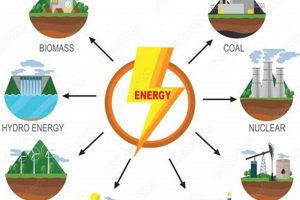
An energy resource is considered inexhaustible if it replenishes naturally on a human timescale. Examples include solar power derived from the sun, wind power harnessed from air currents, geothermal energy sourced from the Earth’s internal heat, and hydropower generated from flowing water. Biomass, although requiring careful management, can also be categorized within this group if its rate of consumption does not exceed its rate of regeneration.
Harnessing such sustainable resources is paramount for mitigating the environmental impact associated with traditional energy generation. Dependence on these resources reduces greenhouse gas emissions, lessens air and water pollution, and promotes energy security by diversifying energy portfolios and reducing reliance on finite fossil fuels. Historically, societies have utilized wind and water for mechanical power, but recent technological advancements have significantly expanded the scope and efficiency of tapping into these natural reservoirs of power.
The subsequent discussion will delve into specific types of these sustainable resources, examining their respective technologies, applications, and potential contributions to a cleaner and more sustainable energy future. Analysis will encompass the economic viability, environmental considerations, and scalability challenges associated with widespread adoption of these alternatives to conventional energy sources.
Harnessing Sustainable Resources
Effective integration of sustainable resources into existing energy infrastructure requires careful planning and execution. The following tips offer guidance for individuals, organizations, and policymakers seeking to maximize the benefits of these technologies.
Tip 1: Prioritize Resource Assessment: Conduct thorough site-specific assessments to determine the viability of specific resources. For instance, evaluate wind patterns, solar irradiance levels, geothermal gradients, or hydrological data before investing in related infrastructure.
Tip 2: Invest in Energy Storage Solutions: Address the intermittent nature of some forms of these sustainable resources through the implementation of energy storage technologies. Battery storage, pumped hydro, or thermal storage can stabilize energy supply and enhance grid reliability.
Tip 3: Modernize Grid Infrastructure: Upgrade existing electrical grids to accommodate distributed generation from diverse sources. Smart grid technologies, including advanced metering infrastructure and real-time monitoring systems, are crucial for efficient management and distribution.
Tip 4: Implement Supportive Policy Frameworks: Enact policies that incentivize the adoption of these sustainable resources. Feed-in tariffs, tax credits, and renewable portfolio standards can drive market demand and stimulate private investment.
Tip 5: Foster Public Awareness and Education: Promote public understanding of the benefits and limitations of these sustainable resource technologies. Educational campaigns can dispel misconceptions and encourage widespread acceptance.
Tip 6: Promote Technological Innovation: Support research and development efforts aimed at improving the efficiency and cost-effectiveness of resource technologies. Innovation in areas such as solar cell efficiency, wind turbine design, and geothermal drilling techniques is essential for continued progress.
Tip 7: Emphasize Life Cycle Analysis: Consider the entire environmental footprint of energy projects, from resource extraction to decommissioning. A comprehensive life cycle analysis can identify potential environmental impacts and inform sustainable practices.
Adhering to these guidelines will enable stakeholders to effectively integrate these sustainable resources into energy systems, fostering a cleaner, more secure, and sustainable energy future.
The subsequent sections will address the challenges associated with resource implementation, including economic barriers, environmental concerns, and the need for robust regulatory frameworks.
1. Inexhaustible Replenishment

Inexhaustible replenishment serves as a defining characteristic of energy sources categorized as alternatives to finite fossil fuels. It signifies a continual and naturally occurring restoration of the energy resource, ensuring its availability on a human timescale. This attribute distinguishes these sources from depletable reserves, impacting their long-term sustainability and environmental implications.
- Solar Radiation Equilibrium
The sun continuously emits vast amounts of radiant energy, a portion of which reaches the Earth. Solar technologies, such as photovoltaic cells and concentrated solar power systems, convert this energy into usable forms, including electricity and heat. The sun’s consistent energy output guarantees a perpetual supply of solar radiation, rendering solar power a prime example of inexhaustible replenishment.
- Hydrological Cycle and Water Flow
The hydrological cycle, driven by solar energy, maintains a continuous flow of water through evaporation, precipitation, and runoff. Hydropower facilities harness the kinetic energy of flowing water to generate electricity. The cyclical nature of water replenishment ensures a sustained supply for hydropower generation, provided that water resource management practices maintain ecological balance and prevent depletion.
- Atmospheric Dynamics and Wind Patterns
Uneven heating of the Earth’s surface by solar radiation creates pressure gradients that drive atmospheric air currents, resulting in wind. Wind turbines convert the kinetic energy of wind into electricity. Consistent global and regional wind patterns, influenced by solar irradiance and geographic factors, ensure the continuous availability of wind energy, making it a dynamically replenished resource.
- Geothermal Heat Flux
The Earth’s internal heat, generated by radioactive decay and residual heat from planetary formation, continuously flows towards the surface. Geothermal power plants extract this heat to produce electricity or provide direct heating. While localized depletion of geothermal reservoirs can occur, the overall geothermal heat flux represents a vast and constantly replenished energy resource, particularly in regions with high geothermal activity.
These examples illustrate the fundamental role of inexhaustible replenishment in defining the long-term viability and sustainability of energy sources. By harnessing energy flows that are continuously renewed by natural processes, these technologies offer a pathway towards a more secure and environmentally responsible energy future.
2. Environmental Sustainability

Environmental sustainability forms a critical nexus in the discourse of energy resources considered perpetually available. The deployment and utilization of these sustainable resources must align with principles of ecological preservation and minimal environmental impact to ensure genuine sustainability.
- Reduced Greenhouse Gas Emissions
Fossil fuel combustion releases significant quantities of carbon dioxide and other greenhouse gases, contributing to climate change. In contrast, energy from the sun, wind, and water produces minimal to no direct greenhouse gas emissions during operation. The displacement of fossil fuels by these resources reduces the carbon footprint of energy production, mitigating climate change impacts.
- Minimized Air and Water Pollution
Traditional energy sources often involve the release of pollutants that degrade air and water quality. Coal-fired power plants, for instance, emit sulfur dioxide, nitrogen oxides, and particulate matter, leading to respiratory problems and acid rain. Sustainable resources, such as solar and wind power, generate electricity without emitting such pollutants, resulting in cleaner air and water.
- Land Use and Ecosystem Impacts
The development of energy facilities, including those using energy resources considered inexhaustible, can impact land use and ecosystems. Large-scale solar farms and wind farms require land for infrastructure, potentially affecting habitat and biodiversity. Careful site selection, environmental impact assessments, and mitigation measures are essential to minimize these effects. Hydropower projects can alter river flows and affect aquatic ecosystems, necessitating responsible water resource management.
- Resource Depletion and Waste Generation
Fossil fuel extraction depletes finite natural resources and generates substantial waste products. Nuclear power, while low-carbon, produces radioactive waste that requires long-term storage and management. Energy resources considered perpetually available generally have lower resource depletion rates and generate less waste during operation. However, the manufacturing of solar panels, wind turbines, and batteries requires raw materials, and end-of-life management of these components presents recycling and waste disposal challenges.
These interconnected facets highlight the importance of environmental sustainability in the context of energy resources considered perpetually available. While offering significant advantages over conventional energy sources, responsible development and deployment practices are crucial to minimize environmental impacts and ensure the long-term ecological integrity of energy systems.
3. Resource Diversity

Resource diversity plays a pivotal role in the effective and resilient deployment of alternatives to conventional energy sources. A multifaceted approach to sourcing power enhances energy security, mitigates risks associated with reliance on single energy types, and optimizes resource utilization based on geographical and technological considerations.
- Geographic Optimization
Different geographical regions possess varying potentials for alternative energy generation. Coastal areas are well-suited for wind power, while regions with high solar irradiance are ideal for solar energy capture. Geothermal energy is accessible in areas with geothermal activity. Hydropower relies on suitable river systems and topographic features. Diversifying sources by leveraging geographically appropriate alternatives optimizes energy production and minimizes transmission losses.
- Technological Redundancy
Relying on a single alternative energy technology exposes energy systems to risks associated with technological limitations, supply chain disruptions, and unforeseen maintenance issues. Diversifying with a mix of solar, wind, geothermal, and hydropower technologies provides redundancy, ensuring a more stable and reliable energy supply. This approach also allows for the integration of emerging technologies, such as tidal and wave energy, as they become commercially viable.
- Grid Stability Enhancement
The intermittent nature of certain alternatives, such as solar and wind, can pose challenges for grid stability. Diversifying with a mix of resources, including dispatchable options like geothermal and hydropower, helps to balance supply and demand fluctuations. Energy storage solutions, such as batteries and pumped hydro, further enhance grid stability by storing excess energy during periods of high production and releasing it during periods of low production.
- Economic Resilience
Economic factors, such as fuel prices, technology costs, and government incentives, can significantly impact the competitiveness of different alternatives. Diversifying resource portfolios reduces exposure to price volatility and policy changes. A diverse portfolio also creates opportunities for cost optimization, as different resources may have varying capital and operating costs.
In summary, a diversified approach to securing power not only maximizes the potential of individual sources but also enhances the overall resilience and sustainability of energy systems. By leveraging the unique characteristics of various alternative energy technologies and geographical contexts, societies can build more robust, secure, and environmentally responsible energy infrastructures.
4. Technological Innovation

Technological innovation functions as an indispensable catalyst for the continued advancement and widespread adoption of power sources considered alternatives to traditional, finite fuels. It directly influences the efficiency, cost-effectiveness, and overall viability of such sources, shaping their potential to contribute significantly to global energy demands. Improvements in material science, engineering design, and grid integration techniques directly translate to enhanced performance and reduced environmental impact of these technologies.
For instance, advancements in photovoltaic cell technology have steadily increased the efficiency of solar panels, allowing for greater electricity generation from a given surface area. Similarly, innovations in wind turbine blade design and control systems have improved energy capture rates and reduced noise pollution. The development of advanced battery storage systems has addressed the intermittency challenges associated with solar and wind power, enabling a more reliable and dispatchable energy supply. These examples demonstrate how continuous technological refinement is crucial for overcoming the inherent limitations of power sources that are continuously replenished and expanding their applicability across diverse geographical and economic contexts. Furthermore, research into novel materials and manufacturing processes is driving down production costs, making them increasingly competitive with fossil fuel-based energy.
In conclusion, technological innovation is not merely an adjunct to the development of power sources considered alternatives to traditional energy resources but is integral to their sustained growth and success. Continued investment in research and development, coupled with supportive policy frameworks, is essential for unlocking the full potential of these sustainable technologies and transitioning towards a cleaner, more secure, and environmentally responsible energy future.
5. Economic Viability

Economic viability is a fundamental determinant in the widespread adoption of energy resources considered inexhaustible. The ability of such resources to compete effectively with established energy sources, both in terms of upfront costs and long-term operational expenses, dictates their market penetration and overall contribution to the global energy mix.
- Initial Investment Costs
One of the primary barriers to the adoption of technologies harnessing these sustainable resources has historically been the high initial investment costs. Solar panel installations, wind turbine construction, and geothermal power plant development often require substantial capital outlays compared to conventional power plants. However, technological advancements and economies of scale have steadily reduced these initial costs, making energy projects increasingly competitive. Government incentives, such as tax credits and feed-in tariffs, further mitigate the financial burden and promote investment.
- Operational and Maintenance Expenses
While the upfront costs can be significant, the operational and maintenance (O&M) expenses associated with resources that are naturally replenished are generally lower than those of fossil fuel-based power plants. Solar and wind facilities, for instance, require minimal fuel costs and reduced maintenance compared to coal or natural gas plants. Geothermal plants, while requiring specialized maintenance, benefit from a consistent and predictable energy source, leading to stable operational costs. Lower O&M expenses enhance the long-term economic viability of these resources.
- Levelized Cost of Energy (LCOE)
The levelized cost of energy (LCOE) is a widely used metric for comparing the economic competitiveness of different energy sources. It represents the average cost of producing electricity over the lifetime of a power plant, taking into account all capital, operating, and fuel expenses. As technology improves and costs decrease, the LCOE of power resources considered inexhaustible has become increasingly competitive with conventional energy sources. In many regions, solar and wind power now offer LCOE values that are comparable to or lower than those of fossil fuel-based generation.
- Externalities and Long-Term Value
Traditional economic analyses often fail to account for the external costs associated with fossil fuel combustion, such as air pollution, greenhouse gas emissions, and public health impacts. Resources considered perpetually available offer significant environmental benefits, which translate to long-term economic value through reduced healthcare costs, improved air quality, and mitigated climate change impacts. Factoring in these externalities enhances the overall economic viability and attractiveness of these sustainable energy options.
In conclusion, the economic viability of energy resources that are naturally replenished is a multifaceted issue influenced by capital costs, operational expenses, LCOE, and the consideration of externalities. As technology continues to advance and costs decline, these resources are poised to play an increasingly prominent role in meeting global energy demands in an economically sustainable manner.
6. Energy Security

Energy security, defined as the uninterrupted availability of energy sources at an affordable price, is intrinsically linked to the diversification of energy portfolios and reduced reliance on volatile global fossil fuel markets. The implementation of power resources considered perpetually available constitutes a strategic approach to bolstering energy security for nations and regions.
- Reduced Dependence on Fossil Fuel Imports
Reliance on imported fossil fuels exposes nations to geopolitical risks, price fluctuations, and supply disruptions. By developing domestic alternatives such as solar, wind, geothermal, and hydropower, countries can reduce their dependence on foreign energy sources, enhancing energy independence and security. For example, countries with limited fossil fuel reserves have invested heavily in alternatives to ensure a stable and reliable energy supply.
- Mitigation of Price Volatility
Fossil fuel prices are subject to significant volatility due to geopolitical events, supply disruptions, and market speculation. Resources that are naturally replenished offer price stability, as their operating costs are largely independent of fuel prices. Long-term contracts for these resources can provide predictable energy costs, shielding consumers and businesses from price shocks. This stability contributes to economic planning and energy affordability.
- Enhanced Grid Resilience
A diversified energy mix, including geographically distributed energy sources, enhances the resilience of electrical grids. Distributed generation reduces the risk of widespread outages caused by centralized power plant failures or transmission line disruptions. Smart grid technologies, coupled with dispatchable sources like geothermal and hydropower, further improve grid reliability and security.
- Creation of Domestic Industries and Jobs
Investing in energy resources that are perpetually available stimulates the growth of domestic industries and creates new jobs in manufacturing, installation, maintenance, and research. These economic benefits contribute to energy security by strengthening the domestic economy and reducing reliance on foreign suppliers for technology and expertise. This localized economic activity fosters greater energy independence and resilience.
In conclusion, the integration of energy resources that are continuously replenished into energy systems is a crucial strategy for enhancing energy security. By reducing dependence on fossil fuel imports, mitigating price volatility, enhancing grid resilience, and creating domestic industries, these resources contribute to a more secure and sustainable energy future.
7. Grid Integration

Effective grid integration represents a critical challenge and opportunity in the widespread adoption of energy resources considered inexhaustible. The seamless incorporation of these variable and distributed energy sources into existing electrical grids necessitates technological advancements, policy frameworks, and strategic planning to ensure grid stability, reliability, and efficiency.
- Variable Generation Management
Many energy resources that are continually replenished, such as solar and wind, exhibit variability in their power output due to fluctuating weather conditions. Grid operators must manage this variability to maintain a stable balance between electricity supply and demand. Forecasting tools, advanced control systems, and flexible generation resources are essential for mitigating the impact of variable generation on grid operations. For example, accurate weather forecasting allows grid operators to anticipate changes in solar and wind power output and adjust other generation sources accordingly.
- Distributed Generation Accommodation
Energy sources that are naturally replenished are often deployed as distributed generation (DG) resources, located closer to end-use consumers. The integration of DG into distribution networks requires upgrades to grid infrastructure, including advanced metering infrastructure (AMI) and smart grid technologies. These technologies enable bidirectional power flow, real-time monitoring, and automated control of DG resources, enhancing grid efficiency and resilience. Rooftop solar panels, for example, contribute to distributed generation, requiring careful management of voltage and power flow on distribution circuits.
- Energy Storage Integration
Energy storage systems, such as batteries, pumped hydro, and thermal storage, play a crucial role in integrating variable renewable energy into the grid. Energy storage can absorb excess electricity during periods of high generation and release it during periods of low generation, smoothing out fluctuations and enhancing grid stability. Grid-scale battery storage projects are increasingly common, providing valuable services such as frequency regulation and peak shaving to grid operators.
- Grid Modernization and Smart Grid Technologies
Grid modernization is essential for accommodating the increasing penetration of power resources that are perpetually available. Smart grid technologies, including advanced sensors, communication networks, and control algorithms, enable real-time monitoring, automated control, and optimized operation of the grid. These technologies enhance grid efficiency, reliability, and resilience, facilitating the seamless integration of diverse energy sources and improving overall grid performance. Smart meters, for instance, provide detailed information on energy consumption patterns, enabling consumers to optimize their energy use and participate in demand response programs.
These facets of grid integration highlight the complexities and opportunities associated with incorporating energy resources that are continuously replenished into modern electrical grids. Effective grid integration requires a holistic approach encompassing technological advancements, policy support, and strategic planning to ensure a reliable, efficient, and sustainable energy future.
Frequently Asked Questions
This section addresses common inquiries regarding the nature, application, and implications of power resources considered inexhaustible. The following questions and answers aim to provide clarity and dispel misconceptions surrounding these vital components of a sustainable energy future.
Question 1: Are all so-called “green” energy sources truly sustainable in the long term?
While many energy sources are marketed as “green,” true sustainability requires careful consideration of the entire life cycle, from resource extraction to waste disposal. Resources such as solar, wind, and geothermal are generally considered sustainable due to their reliance on continuously replenished natural processes. However, environmental impacts associated with manufacturing, land use, and material sourcing must be carefully managed to ensure genuine long-term sustainability.
Question 2: What are the primary limitations hindering the widespread adoption of these resources?
Several limitations impede the widespread adoption of resources considered perpetually available. Intermittency poses a significant challenge for resources like solar and wind, necessitating energy storage solutions and grid modernization. High upfront costs can deter investment, although these costs are declining rapidly. Land use considerations, environmental impacts, and regulatory hurdles also present obstacles to widespread deployment.
Question 3: How does energy storage contribute to the integration of resources that are naturally replenished into existing power grids?
Energy storage plays a crucial role in mitigating the variability of energy sources, such as solar and wind. Storage technologies, including batteries, pumped hydro, and thermal storage, can absorb excess electricity during periods of high generation and release it during periods of low generation. This capability enhances grid stability, improves reliability, and allows for a greater penetration of into the existing power infrastructure.
Question 4: What role do government policies play in promoting the development and deployment of power resources considered inexhaustible?
Government policies are instrumental in driving the development and deployment of power resources that are continuously replenished. Policies such as tax credits, feed-in tariffs, renewable portfolio standards, and carbon pricing mechanisms create incentives for investment and innovation. Supportive regulatory frameworks also streamline project development, reduce permitting delays, and foster a stable investment environment.
Question 5: Can these resources realistically meet the energy demands of large urban centers and industrialized nations?
While challenges remain, it is increasingly feasible to meet the energy demands of large urban centers and industrialized nations using a combination of energy efficiency measures, smart grid technologies, and a diversified portfolio of these sources. Investments in grid modernization, energy storage, and advanced transmission infrastructure are essential for accommodating the variable nature of such sources and ensuring a reliable energy supply.
Question 6: What is the long-term outlook for power resources that are naturally replenished in the context of climate change mitigation?
Resources that are perpetually available are positioned to play a central role in climate change mitigation. Decarbonizing the energy sector is essential for achieving global climate goals, and these sources offer a viable pathway for reducing greenhouse gas emissions. Continued innovation, policy support, and investment will accelerate the transition to a cleaner and more sustainable energy future.
In summary, understanding the nuances of the long-term benefits and practical limitations associated with power resources that are continuously replenished is essential for informed decision-making by energy consumers, investors, and policymakers.
The subsequent section will provide a comprehensive glossary of terms associated with the discourse, aiding in the comprehension of technical concepts and industry-specific jargon.
The Imperative of Renewable Energy Sources
This exposition has defined what is a renewable energy source, emphasizing its characteristics of inexhaustible replenishment, environmental sustainability, resource diversity, and technological innovation. The exploration has underscored the economic viability, energy security benefits, and the integral role of grid integration in facilitating the widespread adoption of these energy alternatives. A commitment to these sustainable energy options necessitates an acknowledgment of both the opportunities and challenges presented by their implementation.
The transition towards a global energy system predicated on what is a renewable energy source is not merely an aspiration but a necessity for environmental preservation and long-term societal well-being. Therefore, continued research, policy support, and infrastructure investment are crucial to realizing the full potential of these resources, ensuring a cleaner, more secure, and sustainable energy future for all.