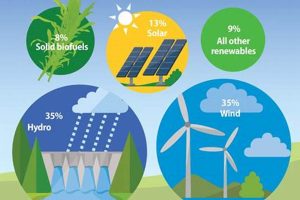
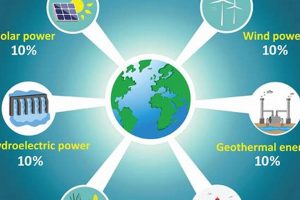
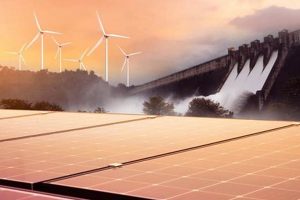
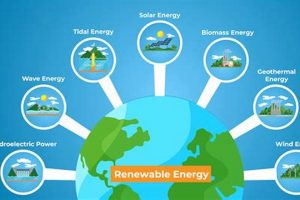
Harnessing power from naturally replenishing processes provides a sustainable alternative to finite resources. Examples include solar radiation, wind currents, geothermal heat, and flowing water. These resources are continuously available, or can be replenished within a human timescale.
Utilizing these inexhaustible supplies offers multiple advantages, mitigating environmental impact and reducing reliance on fossil fuels. Historically, societies have depended on these resources in various forms, but modern technology allows for more efficient and widespread implementation. The diminished carbon footprint and long-term resource security contribute to a more sustainable future.
The following sections will delve into specific types of these self-recharging power mechanisms, exploring their operational principles, advantages, limitations, and potential for integration into existing energy infrastructures. These will explore the technologies for capturing energy from sunlight, converting wind into electricity, tapping into geothermal gradients, and harnessing the power of water.
Strategic Implementation for Long-Term Sustainability
Maximizing the benefits of inexhaustible energy solutions requires careful planning and execution. The following considerations are crucial for successful integration and sustained positive impact.
Tip 1: Conduct Thorough Resource Assessment: Prior to investment, rigorously evaluate the availability and consistency of the specific resource at the proposed location. Wind speed data, solar irradiance levels, and geothermal gradients should be meticulously analyzed to ensure viable energy production.
Tip 2: Prioritize Energy Storage Solutions: The intermittent nature of some sources necessitates robust storage capabilities. Battery technology, pumped hydro storage, or thermal energy storage systems are essential for ensuring a reliable and continuous power supply.
Tip 3: Invest in Grid Modernization: Integrating decentralized power generation requires upgrading existing grid infrastructure. Smart grids with enhanced monitoring and control systems can optimize energy distribution and improve overall system efficiency.
Tip 4: Implement Supportive Policy Frameworks: Government policies play a crucial role in promoting adoption. Incentives, tax credits, and clear regulatory guidelines can encourage investment and facilitate the deployment of inexhaustible energy technologies.
Tip 5: Focus on Community Engagement: Public acceptance is vital for successful project implementation. Transparent communication, educational programs, and community ownership models can foster support and address potential concerns.
Tip 6: Optimize System Efficiency: Continuously monitor and improve the performance of installed systems. Regular maintenance, technological upgrades, and data-driven optimization strategies can maximize energy output and reduce operational costs.
Tip 7: Consider Life Cycle Assessments: Evaluate the environmental impact of the entire energy system, from manufacturing and installation to operation and decommissioning. This holistic approach helps ensure that these energy solutions truly contribute to a sustainable future.
Implementing these strategies will contribute to a more resilient, sustainable, and economically sound energy future. Careful planning and strategic execution are paramount to realizing the full potential of these endless power solutions.
The subsequent sections will explore the economic feasibility and long-term implications of transitioning to a system powered by these resources.
1. Sustainability

The concept of sustainability is inextricably linked to the viability of power generation from inexhaustible natural processes. Sustainability, in this context, signifies the capacity to meet present energy needs without compromising the ability of future generations to meet their own requirements. The use of self-replenishing resources directly addresses this principle, as it diminishes reliance on finite reserves that, once depleted, cannot be replaced within a relevant timeframe. For instance, continued reliance on fossil fuels leads to resource depletion and contributes to climate change, thereby jeopardizing future energy security and environmental health. In contrast, utilizing solar or wind power, which are continuously replenished by natural phenomena, provides a sustainable energy pathway.
The importance of sustainability as a component of any naturally replenished energy source cannot be overstated. Without a focus on sustainable practices throughout the lifecycle of such systems, the purported benefits can be undermined. For example, the manufacturing of solar panels involves the use of certain materials and energy, and proper end-of-life recycling is crucial to prevent environmental harm. Similarly, the construction of hydroelectric dams can have significant ecological impacts if not carefully managed. The certification of wind turbine blades through an environmentally-conscious and sustainable disposal process helps alleviate any negative impact. Therefore, a comprehensive approach that considers the entire supply chain and incorporates responsible resource management is essential for ensuring the true sustainability of such energies.
In conclusion, sustainability is not merely an ancillary benefit but rather a foundational requirement for these alternative energy production methods. Its successful integration depends on a holistic perspective that encompasses resource extraction, manufacturing, operation, and end-of-life management. By prioritizing sustainable practices, it is possible to create energy systems that not only reduce environmental impact and preserve resources for future generations but also foster long-term economic stability and social well-being.
2. Availability

The concept of availability is central to defining the efficacy of a replenishing power resource. A consistent and predictable supply directly influences the practicality and economic feasibility of relying on such a source. For instance, solar energy, while abundant, exhibits diurnal and seasonal variations, impacting power generation consistency. Similarly, wind energy is subject to geographical and meteorological fluctuations. These variabilities necessitate the implementation of energy storage solutions or grid management strategies to ensure a stable and reliable power supply. Without adequate availability, reliance on these resources becomes problematic, hindering their widespread adoption.
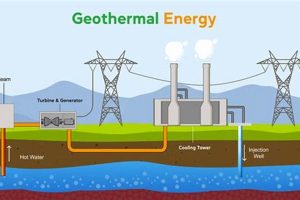
The geographic distribution of these self-recharging energy resources further influences their availability. Some regions possess abundant sunlight, making solar energy particularly viable, while others experience consistent wind patterns, favoring wind energy production. Geothermal energy is similarly restricted to areas with accessible geothermal resources. The successful integration of these power sources requires careful assessment of local resource availability. Furthermore, technological advancements play a crucial role in enhancing resource accessibility. For example, advancements in deep drilling techniques have expanded the availability of geothermal energy, while improved solar panel efficiency has increased energy capture in less sunny regions.
In conclusion, the reliable energy production of a replenishing power resource is fundamentally dependent on its availability. Understanding and addressing the challenges associated with resource variability and geographic distribution are essential for ensuring the widespread adoption and long-term success of these inexhaustible energy solutions. The development of effective storage solutions, grid management strategies, and technological advancements are crucial to optimizing the availability and harnessing the full potential of these resources for a sustainable energy future.
3. Efficiency
Efficiency is a crucial determinant of the economic viability and environmental benefit derived from any replenishable power system. It refers to the ratio of useful energy output to the total energy input within the system. Higher efficiency translates to greater energy production from a given resource, reducing the overall cost and environmental impact per unit of energy generated.
- Energy Conversion Efficiency
This facet pertains to the effectiveness with which a resource is converted into usable electricity or heat. For instance, solar panel efficiency dictates the percentage of sunlight converted into electricity, while wind turbine efficiency determines the proportion of wind energy captured and transformed. Improvements in conversion technologies directly enhance energy output and reduce land use requirements. The technological advancement in solar cell materials, such as perovskites, has led to potentially higher conversion efficiencies compared to traditional silicon-based cells.
- System Integration Efficiency
This aspect addresses losses associated with energy storage, transmission, and distribution. Inefficient storage systems can result in significant energy wastage, diminishing the overall system performance. Similarly, long-distance transmission can incur considerable energy losses due to resistance in power lines. Implementing smart grid technologies and optimized storage solutions, such as advanced battery systems or pumped hydro storage, minimizes these losses and improves overall power system efficacy.
- Resource Utilization Efficiency
This aspect focuses on optimizing the use of the resource itself. For example, siting wind turbines in locations with consistent and strong winds maximizes energy capture. Similarly, orienting solar panels to track the sun throughout the day increases energy production. Careful site selection and advanced tracking mechanisms enhance resource utilization and improve overall system proficiency. Geothermal power plants are strategically located to harness the earth’s heat efficiently.
- Operational and Maintenance Efficiency
Proper maintenance and efficient operation are essential for sustaining optimal energy production. Regular inspections, timely repairs, and optimized operational parameters prevent energy losses and extend the lifespan of energy conversion technologies. Predictive maintenance strategies and remote monitoring systems can detect potential issues before they lead to significant performance declines, ensuring long-term sustainability of a self-recharging energy installation.
Optimizing each of these efficiency facets is crucial for maximizing the economic and environmental benefits of power generation from inexhaustible sources. Continuous improvements in energy conversion technologies, grid infrastructure, resource utilization strategies, and operational practices are essential for transitioning to a sustainable energy future. Greater overall efficiency lowers costs, lessens environmental impact, and enhances reliability, thereby accelerating the deployment and adoption of these power-generating systems.
4. Infrastructure
The effective harnessing of self-replenishing power sources is intrinsically linked to the existing and required physical infrastructure. Without adequate systems for collecting, converting, storing, and distributing the energy, the potential of these resources remains unrealized. Infrastructure considerations are paramount to the feasibility and scalability of these energy solutions.
- Transmission Networks
The ability to transport energy from generation sites to consumption centers is crucial. This involves high-voltage transmission lines, substations, and smart grid technologies. Solar farms located in remote deserts, for example, require extensive transmission networks to deliver electricity to urban areas. Existing grid infrastructure may need upgrades or expansions to accommodate the intermittent nature of some inexhaustible power sources and to prevent congestion. Smart grids, with advanced monitoring and control systems, optimize energy flow and enhance grid stability.
- Energy Storage Facilities
Many forms of self-recharging energy, such as solar and wind, are intermittent. Energy storage solutions are essential to ensuring a reliable power supply. Options include battery storage systems, pumped hydro storage, compressed air energy storage, and thermal energy storage. Large-scale battery storage installations can smooth out fluctuations in solar and wind power output, providing a more consistent energy supply to consumers. Pumped hydro storage utilizes excess energy to pump water uphill, which can then be released to generate electricity when needed.
- Manufacturing and Supply Chains
The production and deployment of these alternative energy technologies rely on robust manufacturing and supply chains. This includes the extraction of raw materials, the manufacturing of components like solar panels and wind turbines, and the transportation of these components to installation sites. Establishing domestic manufacturing capabilities can reduce reliance on foreign suppliers and create local jobs. Furthermore, sustainable manufacturing practices are crucial to minimizing the environmental impact of these energy systems.
- Distribution Networks
Local distribution networks are required to deliver electricity from substations to homes and businesses. These networks include distribution lines, transformers, and smart meters. Upgrading distribution networks to accommodate decentralized energy generation is essential. Smart meters enable real-time monitoring of energy consumption, facilitating demand response programs and improving grid efficiency. Integrating distributed power generation, such as rooftop solar panels, requires sophisticated grid management and control systems.
These infrastructural elements are critical to the successful implementation of energy systems powered by naturally replenished sources. Addressing the challenges associated with building and maintaining these infrastructures is essential for realizing the full potential of these renewable energy solutions and achieving a sustainable energy future. Adequate investments in infrastructure, coupled with technological innovation, are vital for transitioning to a cleaner and more reliable energy system.
5. Environment
The utilization of self-replenishing power sources has a direct and significant connection to the environment. This relationship is characterized by a reduction in greenhouse gas emissions, a decrease in air and water pollution, and the preservation of natural resources. Traditional energy sources, such as coal and natural gas, release substantial quantities of carbon dioxide when burned, contributing to global warming and climate change. Conversely, power generation from sources like solar, wind, and hydropower, produces minimal or no greenhouse gas emissions during operation. Wind farms and solar arrays displace carbon-intensive energy production, leading to a net reduction in atmospheric carbon concentrations.
Furthermore, the extraction and processing of fossil fuels often result in habitat destruction, water contamination, and other forms of environmental degradation. Oil spills, mining operations, and fracking activities can have devastating consequences for ecosystems and human health. The shift towards sources with self-generating potential mitigates these risks by reducing the need for resource extraction and minimizing the potential for environmental accidents. For example, replacing a coal-fired power plant with a geothermal plant eliminates the air pollution associated with coal combustion and reduces the need for destructive mining practices. The preservation of natural resources and the protection of ecosystems are thus integral components of harnessing the power of these self-sustaining energy solutions.
In conclusion, the connection between these power sources and the environment is fundamentally one of positive impact. By reducing emissions, minimizing pollution, and preserving natural resources, power generation from perpetually available sources offers a pathway to a more sustainable and environmentally sound future. Careful planning and responsible implementation are essential to maximizing these benefits and minimizing any potential negative impacts. Understanding and prioritizing this relationship is crucial for fostering a cleaner, healthier, and more resilient planet.
6. Cost
Cost is a pivotal factor influencing the widespread adoption of replenishable power sources. The economic feasibility of these energy systems dictates their competitiveness with traditional fossil fuel-based alternatives. Initial capital investments for renewable energy projects, such as solar farms or wind turbine installations, can be substantial. However, these upfront costs must be weighed against the long-term operational savings associated with the minimal fuel requirements. A comprehensive cost analysis encompasses not only the initial investment but also ongoing maintenance expenses, land usage fees, and potential grid integration charges. The levelized cost of energy (LCOE), which calculates the total cost of building and operating a power plant over its lifetime divided by the total power output, serves as a critical metric for comparing the economic viability of different energy sources. For instance, the LCOE of solar and wind energy has significantly decreased in recent years, making them increasingly competitive with conventional power generation methods.
Government subsidies, tax incentives, and carbon pricing policies play a crucial role in influencing the economic landscape of self-recharging energy. These financial mechanisms can offset the higher upfront costs, encouraging private investment and accelerating the deployment of sustainable energy technologies. Feed-in tariffs, which guarantee a fixed price for electricity generated from power generation that use naturally replenished processes, have proven effective in promoting their adoption in many countries. Additionally, the cost of inaction, such as the environmental damage and healthcare expenses associated with fossil fuel pollution, should be factored into the overall cost assessment. Ignoring these external costs can lead to an underestimation of the true economic advantages of investing in clean, sustainable energy solutions. The European Union’s Emissions Trading System (ETS) aims to internalize the cost of carbon emissions, thereby making power sources that leverage naturally replenished processes more economically attractive.
Ultimately, the cost-effectiveness of these power sources is not solely determined by economic factors but also by technological advancements and policy decisions. Continued innovation in areas such as energy storage, grid management, and materials science can further reduce costs and enhance the competitiveness of these energy systems. Supportive government policies, such as renewable energy mandates and carbon pricing mechanisms, create a level playing field and accelerate the transition to a cleaner, more sustainable energy future. The economic benefits of this transition extend beyond energy production, encompassing job creation, technological innovation, and improved public health. A holistic approach that considers both the direct and indirect costs and benefits is essential for making informed decisions and unlocking the full potential of self-sustaining energy as a cost-effective and environmentally responsible energy solution.
Frequently Asked Questions Regarding Renewable Energy Sources
The following questions address common inquiries and concerns about energy derived from self-replenishing resources. These responses aim to provide clear and objective information to promote a comprehensive understanding of the topic.
Question 1: Are these power solutions consistently reliable given their dependency on natural phenomena?
The intermittent nature of some self-replenishing power systems, such as solar and wind, necessitates energy storage solutions or grid management strategies. Technological advancements in battery storage and smart grid technologies are improving the reliability and stability of these energy sources.
Question 2: What is the environmental impact of manufacturing and deploying self-replenishing energy technologies?
The manufacturing process involves the use of certain materials and energy, and proper end-of-life recycling is crucial to prevent environmental harm. Sustainable manufacturing practices and responsible resource management are essential for minimizing the environmental footprint.
Question 3: How do government policies influence the adoption of sustainable power solutions?
Government subsidies, tax incentives, and carbon pricing policies play a crucial role in promoting the adoption of power solutions from naturally replenished resources. These financial mechanisms can offset upfront costs and create a level playing field with traditional energy sources.
Question 4: What are the long-term economic benefits of transitioning to self-recharging energy systems?
The economic benefits extend beyond energy production, encompassing job creation, technological innovation, and improved public health. Reduced reliance on fossil fuels can also enhance energy security and mitigate the economic risks associated with volatile fuel prices.
Question 5: Can these power solutions meet the growing global energy demand?
With continued technological advancements and strategic deployment, power solutions derived from continuously replenished sources have the potential to meet a significant portion of global energy demand. Diversifying the energy mix and integrating various power sources is essential for ensuring a reliable and sustainable energy supply.
Question 6: What role does infrastructure play in enabling the widespread use of power solutions derived from naturally replenished sources?
Adequate transmission networks, energy storage facilities, and distribution networks are essential for effectively harnessing and delivering power from these sources. Investments in grid modernization and smart grid technologies are crucial for integrating these power systems into existing energy infrastructures.
The integration of power solutions relying on self-replenishing sources requires a holistic approach that considers technological advancements, economic incentives, environmental impacts, and infrastructure development. Addressing these factors is essential for realizing the full potential of these energy sources.
The subsequent sections will explore the future prospects and potential innovations in the field of continually recharged power solutions.
The Enduring Promise of Self-Replenishing Power
The preceding discussion has explored the multifaceted nature of obtaining power from naturally renewing processes. These sources offer a compelling alternative to conventional energy production, addressing critical concerns related to environmental sustainability, resource depletion, and long-term energy security. Considerations regarding availability, efficiency, infrastructure, environmental impact, and cost have been examined, underscoring the importance of a holistic approach to their integration.
The future of energy increasingly hinges on the responsible development and deployment of these inexhaustible supplies. Continued research, technological innovation, and supportive policy frameworks are essential to realizing their full potential. The commitment to pursuing cleaner, more sustainable energy systems is not merely an option, but a necessity for safeguarding the future well-being of both the planet and its inhabitants.