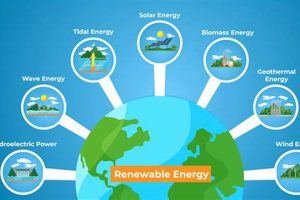
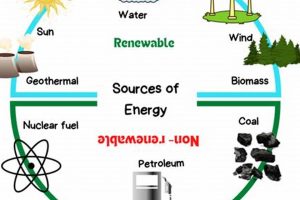
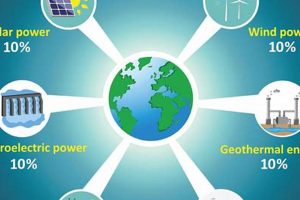
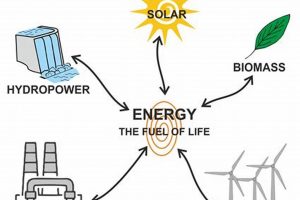
Harnessing power from naturally replenishing resources offers multiple benefits. This approach differs significantly from reliance on finite reserves, representing a shift towards sustainable practices in energy production. For example, solar, wind, geothermal, and hydro-electric systems utilize readily available environmental elements to generate electricity.
The importance of these energy systems stems from their capacity to mitigate environmental impact. Reduced greenhouse gas emissions, decreased air and water pollution, and lessened dependence on volatile global fossil fuel markets are key outcomes. Historically, development of these technologies has faced challenges related to cost and infrastructure, but ongoing advancements are improving their economic viability and accessibility.
The economic, environmental, and social aspects highlight key considerations. Each presents unique opportunities for discussion and analysis, particularly regarding long-term energy security and the creation of a cleaner, more sustainable future.
Considerations for Implementing Sustainable Power Generation
Prudent application of sustainable power generation methods requires careful planning and execution. Several key factors influence the successful integration of such systems into existing energy infrastructure.
Tip 1: Conduct a Thorough Resource Assessment: Prior to investment, comprehensively evaluate the availability and consistency of renewable resources. For example, wind speed data and solar irradiance levels are crucial for determining the potential output of wind and solar installations, respectively.
Tip 2: Prioritize Grid Integration Strategies: Plan for the seamless integration of renewable energy sources into the existing power grid. This includes addressing intermittency challenges through energy storage solutions or advanced grid management technologies.
Tip 3: Evaluate Life Cycle Costs: Consider the entire lifespan of a renewable energy project, from initial investment to decommissioning. This approach provides a more accurate understanding of the true economic benefits compared to focusing solely on upfront costs.
Tip 4: Foster Collaboration and Community Engagement: Engage local communities in the planning and implementation phases. Public acceptance and support are vital for the long-term success of renewable energy projects.
Tip 5: Adhere to Environmental Best Practices: Implement stringent environmental safeguards throughout the project lifecycle. This includes minimizing land use impacts, protecting biodiversity, and managing waste effectively.
Tip 6: Stay Informed on Policy and Incentives: Remain current with evolving government regulations, tax incentives, and grant programs. These factors can significantly influence the financial viability of renewable energy initiatives.
By focusing on these considerations, stakeholders can maximize the potential benefits and minimize the risks associated with renewable energy deployment, driving progress toward a more sustainable energy future.
These points provide a foundational understanding for responsible implementation of alternative power solutions, facilitating long-term energy security and environmental protection.
1. Reduced Emissions

Mitigating the release of harmful substances into the atmosphere constitutes a primary driver for transitioning to alternative energy paradigms. The correlation between power generation methods and environmental degradation necessitates a shift toward cleaner technologies.
- Decreased Greenhouse Gas Production
Reliance on solar, wind, and hydro power drastically diminishes carbon dioxide output. These resources do not require the combustion of fossil fuels, thereby reducing the primary contributor to climate change. Implementation of wind farms, for instance, directly displaces the need for coal-fired power plants, resulting in significant reductions in carbon emissions.
- Improved Air Quality
Combustion processes inherent in traditional power plants release particulate matter and nitrogen oxides, leading to respiratory ailments and other health issues. Renewable energy sources, with minimal or no combustion, contribute to cleaner air. Solar energy, as a direct example, replaces the need for fossil fuel combustion, reducing the emission of harmful air pollutants.
- Reduced Acid Rain Precursors
Sulfur dioxide emissions from coal-fired power plants contribute to acid rain, damaging ecosystems and infrastructure. Renewable energy alternatives minimize the release of these precursors. Geothermal energy, when harnessed responsibly, can provide power with substantially lower sulfur dioxide emissions compared to coal.
- Diminished Nuclear Waste
While nuclear energy is low-carbon, it produces radioactive waste that requires long-term storage. Many renewable energy sources do not generate hazardous waste. Shifting toward renewable sources, like biomass and hydro, reduces the environmental risk factors.
The multifaceted benefits of minimizing atmospheric pollutants reinforce the significance of renewable energy integration. The impact extends beyond environmental protection, encompassing public health and long-term ecological stability. The transition reduces dependence on polluting practices and secures a more sustainable energy future.
2. Energy Independence
Energy independence, defined as a nation’s ability to meet its energy needs without reliance on external sources, is intrinsically linked to the advantages derived from deploying renewable energy systems. This connection stems from the geographic distribution and inexhaustible nature of resources such as solar, wind, geothermal, and hydropower. A country investing in these domestic resources enhances its control over its energy supply chain, reducing vulnerability to geopolitical instability and fluctuating global fossil fuel markets. For example, Iceland’s near-total reliance on geothermal and hydro power allows it to operate with minimal dependence on imported energy sources, demonstrating the potential for complete energy autonomy.
The development of renewable energy infrastructure stimulates domestic economic activity. Manufacturing, installation, maintenance, and research within the renewable energy sector create employment opportunities and foster technological innovation. Furthermore, decentralizing energy production through distributed renewable energy systems, such as rooftop solar panels or community wind farms, enhances energy security by reducing reliance on centralized infrastructure susceptible to disruptions. Germany’s Energiewende, a national policy promoting renewable energy, exemplifies this approach by diversifying energy sources and empowering local communities to participate in energy production. The economic benefits and security advantages of distributed systems make them a key component of comprehensive energy independence strategies.
Achieving energy independence through renewable energy sources presents challenges, including intermittent power generation and the need for grid modernization. However, the long-term benefits of reduced reliance on volatile global markets, decreased environmental impact, and enhanced energy security outweigh these challenges. Governments and private sector entities must collaborate to develop robust energy storage solutions, upgrade grid infrastructure, and implement supportive policies that facilitate the widespread adoption of renewable energy technologies. The pursuit of energy independence through renewable resources is not merely an economic or environmental imperative but also a strategic imperative for national security and long-term sustainability.
3. Resource Availability

The abundance and accessibility of naturally replenishing resources form a cornerstone of the benefits associated with renewable energy systems. This factor directly impacts energy security, cost-effectiveness, and long-term sustainability.
- Solar Irradiance and Energy Potential
The sun provides a virtually inexhaustible source of energy, and the amount of solar irradiance reaching the Earth’s surface is immense. Even regions with moderate sunlight can generate substantial electricity through photovoltaic systems. The scalability of solar energy, from individual rooftops to large-scale solar farms, underscores its versatility. For instance, desert regions with high solar irradiance represent untapped potential for large-scale electricity generation.
- Wind Patterns and Turbine Efficiency
Wind is a widely distributed resource, and advancements in turbine technology have increased the efficiency of harnessing its kinetic energy. Coastal areas, mountain passes, and open plains often experience consistent wind patterns suitable for wind farm development. The ability to locate wind farms both onshore and offshore further expands the availability of this resource.
- Hydrological Cycles and Hydroelectric Power
The continuous cycle of water evaporation, precipitation, and runoff creates a readily available source of energy for hydroelectric power generation. Rivers and dams can be utilized to generate electricity with minimal greenhouse gas emissions. Hydropower plants provide a reliable and dispatchable source of renewable energy, contributing to grid stability. Norway, with its abundant hydropower resources, demonstrates the potential for relying heavily on this renewable energy source.
- Geothermal Gradients and Earth’s Internal Heat
The Earth’s internal heat provides a constant source of energy that can be tapped through geothermal power plants. Geothermal energy can be used for electricity generation, direct heating, and cooling applications. Iceland, located on a geologically active region, exemplifies the potential for utilizing geothermal resources to meet a significant portion of its energy needs.
The widespread availability and diversity of renewable energy resources enhance energy security by reducing reliance on finite fossil fuels. The ability to harness these resources locally fosters economic development and reduces vulnerability to global energy price fluctuations. The continued development and deployment of renewable energy technologies are crucial for maximizing the benefits of resource availability and transitioning towards a sustainable energy future.
4. Job Creation

The expansion of renewable energy sectors inherently stimulates job growth. The construction, manufacturing, installation, and maintenance of renewable energy systems necessitate a skilled workforce. Increased investments in solar, wind, hydro, and geothermal projects directly correlate with heightened employment opportunities. This contrasts with the fossil fuel industry, where automation and extraction efficiencies often lead to net job losses. For example, the installation of solar panels creates local jobs for installers, electricians, and technicians, contributing to economic development within communities.
The renewable energy sector offers diverse employment opportunities ranging from entry-level positions to highly specialized engineering and research roles. Manufacturing facilities for wind turbines, solar panels, and other components generate industrial jobs. Furthermore, the operation and maintenance of renewable energy infrastructure require ongoing employment for technicians and engineers. The emergence of new technologies within the renewable energy sector, such as energy storage solutions and smart grid technologies, creates additional avenues for job creation. The German Energiewende policy, for instance, has led to the creation of hundreds of thousands of jobs in the renewable energy sector, demonstrating the potential for large-scale employment generation.
In summary, the correlation between renewable energy development and job creation is significant. The transition to sustainable energy systems fosters economic growth by generating diverse employment opportunities across various skill levels and sectors. This aspect of renewable energy development bolsters economic stability while simultaneously addressing environmental concerns and energy security, forming a multifaceted benefit within the broader context of renewable energy adoption. Addressing workforce training and educational needs will be critical to capitalize on these emerging job opportunities.
5. Lower Running Costs

The diminished operational expenditures associated with renewable energy systems constitute a significant advantage compared to fossil fuel-based power generation. Once the initial investment in infrastructure is made, solar, wind, hydro, and geothermal facilities benefit from minimal fuel costs. The sun, wind, and geothermal heat are freely available resources, eliminating the need to purchase and transport fuels. This absence of fuel costs translates directly into reduced operating expenses and greater price stability for consumers. For example, wind farms, after the initial construction, have operational costs primarily related to maintenance and personnel, substantially less than the ongoing fuel expenses of a natural gas power plant.
The decreasing levelized cost of energy (LCOE) for renewable technologies further underscores the economic benefits. LCOE considers the total cost of building and operating a power plant over its lifetime divided by the total electricity generated. Advancements in technology and economies of scale have dramatically lowered the LCOE for solar and wind power, making them increasingly competitive with traditional energy sources. In many regions, new renewable energy projects are now cheaper than building new coal or natural gas plants, demonstrating the economic viability of renewable energy. Moreover, distributed renewable energy systems, such as rooftop solar panels, allow consumers to generate their own electricity, reducing reliance on the grid and lowering their monthly electricity bills. Net metering policies, which allow consumers to sell excess electricity back to the grid, provide additional financial incentives for adopting renewable energy.
In conclusion, the reduced operational costs associated with renewable energy systems are a fundamental driver of their increasing adoption. The elimination of fuel costs, coupled with decreasing LCOE and supportive government policies, creates a compelling economic argument for transitioning to a sustainable energy future. While initial investment costs remain a barrier in some cases, the long-term economic benefits of lower running costs, price stability, and reduced reliance on volatile fossil fuel markets outweigh these initial hurdles. These economic advantages, in conjunction with environmental and social benefits, position renewable energy as a key component of a comprehensive energy strategy.
6. Grid Stability
Maintaining the reliable operation of the electrical grid presents a critical challenge and a key opportunity within the context of shifting towards renewable energy sources. The integration of variable renewable energy (VRE) resources like solar and wind requires careful management to ensure a consistent power supply.
- Enhanced Forecasting and Dispatch
Accurate prediction of solar and wind power generation is essential for grid operators to balance supply and demand. Advanced forecasting models, utilizing weather data and machine learning, enable operators to anticipate fluctuations in renewable energy output and dispatch other resources accordingly. For example, grid operators use detailed weather forecasts to predict the output of wind farms and adjust the output of natural gas plants to maintain grid stability. Improved forecasting capabilities, combined with flexible generation resources, enhance grid resilience and allow for greater penetration of renewable energy.
- Advanced Grid Management Technologies
Smart grid technologies, including advanced metering infrastructure (AMI) and dynamic line rating (DLR), improve the efficiency and reliability of the grid. AMI enables real-time monitoring of electricity consumption and generation, allowing for better demand response programs. DLR dynamically adjusts transmission line capacity based on weather conditions, increasing the amount of power that can be transmitted. These technologies enhance grid flexibility and allow for the integration of higher percentages of renewable energy without compromising stability. For example, smart grids can detect and respond to disruptions in renewable energy supply, such as a sudden drop in wind speed, by automatically adjusting the output of other generators.
- Energy Storage Solutions
Energy storage technologies, such as batteries, pumped hydro storage, and compressed air energy storage, play a critical role in mitigating the intermittency of renewable energy sources. These technologies store excess energy generated during periods of high renewable energy output and release it during periods of low output. Energy storage provides a buffer against fluctuations in renewable energy supply, improving grid stability and reliability. For example, battery storage systems can quickly respond to changes in grid frequency, helping to maintain grid stability and prevent blackouts.
- Geographic Diversification
Distributing renewable energy generation across a wider geographic area can reduce the impact of local weather patterns on grid stability. For example, if wind power generation decreases in one region due to low wind speeds, wind farms in other regions may still be generating power. This geographic diversity helps to smooth out fluctuations in renewable energy supply and improve grid reliability. Interconnecting regional grids allows for the transfer of electricity from areas with high renewable energy output to areas with low output, further enhancing grid stability. Large scale interconnections are often cited as a critical component in increasing renewable energy deployment while maintaining grid reliability.
The integration of these strategies strengthens grid infrastructure, facilitating the greater integration of renewable energy. These investments lead to a more reliable and sustainable power system, improving energy security and decreasing reliance on volatile fossil fuel markets. The advancements in these technologies underscores the feasibility and advantages of a grid powered by renewable resources.
7. Technological Advancement
Ongoing innovation in renewable energy technologies is pivotal for enhancing their efficiency, affordability, and integration into existing energy infrastructure. Progress in these areas directly amplifies the advantages associated with renewable energy sources, driving broader adoption and accelerating the transition to a sustainable energy future.
- Increased Efficiency of Solar Cells
Advancements in materials science and manufacturing processes have led to substantial improvements in the efficiency of solar cells. Higher efficiency translates to greater electricity generation from the same surface area, reducing land use requirements and lowering the overall cost of solar energy. For example, perovskite solar cells, a relatively new technology, have demonstrated rapidly increasing efficiency, potentially surpassing traditional silicon-based cells. This improvement in efficiency enhances the economic viability and broadens the applicability of solar power.
- Enhanced Wind Turbine Design and Performance
Technological advancements in wind turbine design have increased their energy capture capabilities and reduced their operating costs. Taller towers, longer blades, and improved aerodynamics enable turbines to harness more wind energy, even in areas with lower wind speeds. Furthermore, innovations in blade materials and control systems have reduced maintenance requirements and extended the lifespan of turbines. The development of floating offshore wind turbines allows for the deployment of wind farms in deeper waters, accessing stronger and more consistent winds, further enhancing the efficiency and economic viability of wind power. Improvements in turbine design directly improve the economic competitiveness of wind power relative to fossil fuels.
- Improved Energy Storage Technologies
The intermittent nature of solar and wind power necessitates robust energy storage solutions to ensure a reliable electricity supply. Technological advancements in battery storage, pumped hydro storage, and other energy storage technologies are improving their capacity, efficiency, and affordability. Lithium-ion batteries, for example, have become increasingly cost-effective and are being deployed in large-scale grid storage projects. Advances in flow batteries and solid-state batteries promise even higher energy density and longer lifecycles. Effective energy storage solutions enable greater integration of renewable energy into the grid, improving grid stability and reliability.
- Smart Grid Technologies and Grid Integration
Smart grid technologies, including advanced sensors, communication networks, and control systems, are enabling more efficient and reliable management of the electricity grid. These technologies allow for real-time monitoring of grid conditions, improved demand response, and enhanced integration of distributed renewable energy resources. Smart grids also facilitate the bidirectional flow of electricity, allowing consumers to generate their own power and sell excess energy back to the grid. These advancements enhance grid resilience and enable the seamless integration of renewable energy sources, improving overall system efficiency and reducing costs.
The multifaceted impact of technological advancements underscores their crucial role in unlocking the full potential of renewable energy sources. These innovations not only enhance the performance and affordability of renewable energy technologies but also facilitate their seamless integration into existing energy systems. Continued investment in research and development is essential for driving further technological progress and accelerating the transition to a sustainable and reliable energy future.
Frequently Asked Questions
The following addresses common inquiries regarding the merits of transitioning to energy sources derived from replenishing natural processes.
Question 1: Are renewable energy sources truly cost-competitive with traditional fossil fuels?
The Levelized Cost of Energy (LCOE) for renewable technologies, such as solar and wind, has decreased significantly in recent years. In many regions, new renewable energy projects are now economically competitive with, or even cheaper than, new fossil fuel-based power plants. This trend is expected to continue as technology improves and economies of scale are achieved. Furthermore, factoring in the external costs associated with fossil fuels, such as pollution and climate change impacts, further strengthens the economic case for renewable energy.
Question 2: How reliable are renewable energy sources, given their intermittent nature?
The reliability of renewable energy systems is addressed through a combination of strategies. Enhanced weather forecasting, advanced grid management technologies, and energy storage solutions mitigate the challenges posed by intermittent resources like solar and wind. Geographic diversification of renewable energy generation and interconnection of regional grids further improve grid stability. These approaches, combined with the inherent reliability of baseload renewable sources like geothermal and hydro, ensure a consistent and dependable electricity supply.
Question 3: What is the environmental impact of manufacturing renewable energy technologies?
While the operation of renewable energy systems produces minimal emissions, the manufacturing of components such as solar panels and wind turbines does involve some environmental impact. However, life cycle assessments consistently demonstrate that the overall environmental footprint of renewable energy is significantly lower than that of fossil fuels. Furthermore, ongoing research and development efforts are focused on reducing the environmental impact of manufacturing renewable energy technologies, including the use of recycled materials and more sustainable production processes.
Question 4: Can renewable energy sources meet the growing global demand for electricity?
Studies indicate that renewable energy resources possess the technical potential to meet, and even exceed, global electricity demand. The widespread availability of solar, wind, hydro, and geothermal resources, coupled with advancements in energy storage and grid management, enables a transition to a fully renewable energy-based power system. Achieving this transition requires significant investment in infrastructure and supportive policies, but the technical capabilities exist to meet future energy needs with renewable resources.
Question 5: What are the policy measures needed to promote the widespread adoption of renewable energy?
Supportive policy frameworks are crucial for accelerating the deployment of renewable energy technologies. These policies include feed-in tariffs, renewable portfolio standards, tax incentives, and carbon pricing mechanisms. Streamlining permitting processes, investing in grid infrastructure, and supporting research and development are also essential. Effective policies create a stable and predictable investment environment, fostering innovation and driving down the cost of renewable energy.
Question 6: How does the transition to renewable energy impact energy security?
Diversifying energy sources through renewable energy enhances energy security by reducing reliance on volatile global fossil fuel markets. Renewable resources are domestically available in most regions, strengthening national energy independence and decreasing vulnerability to geopolitical instability. Investing in renewable energy infrastructure also creates local jobs and stimulates economic growth, further bolstering energy security.
Understanding the multifaceted benefits and addressing common misconceptions is critical for promoting the widespread adoption of sustainable energy solutions. The ongoing transition to renewable resources ensures a stable energy future.
Further discussions will elaborate on these topics to aid in a complete understanding of this paradigm shift.
Conclusion
This exploration of the advantages of using renewable energy sources underscores their multifaceted benefits. These encompass reduced emissions, enhanced energy independence, resource abundance, job creation, lower operational costs, improved grid stability, and continuous technological advancement. These combined factors establish a strong rationale for transitioning away from fossil fuels.
The information presented highlights not only the environmental and economic benefits, but also the strategic advantages of renewable energy adoption. Continued investment in technological advancement, coupled with supportive policy frameworks, is crucial for maximizing these advantages and securing a sustainable energy future. The ongoing shift towards these resources is not merely an option, but a necessity for long-term global stability and prosperity.