Fossil fuels, formed over millions of years from the remains of ancient organisms, constitute a finite supply of energy. These subterranean deposits, once depleted, cannot be replenished within a human lifespan. The substance in question, a mixture of hydrocarbons primarily composed of methane, falls squarely into this category of exhaustible reserves. Unlike solar or wind energy, its formation requires geological timescales far exceeding rates of consumption.
The significance of understanding the limitations associated with this energy source lies in its current widespread use for electricity generation, heating, and industrial processes. Historically, its abundance and relatively cleaner burning characteristics compared to coal have driven its adoption. However, continued reliance on this finite commodity necessitates careful resource management and a proactive exploration of alternative, sustainable energy solutions.
Therefore, a discussion of energy policy must acknowledge the nature of this resource as a non-renewable entity. Subsequent analysis will address strategies for mitigating dependence, exploring renewable alternatives, and optimizing the utilization of existing reserves to ensure a sustainable energy future. Furthermore, the economic and environmental implications of this reality warrant careful consideration in shaping long-term energy plans.
Strategic Considerations Regarding Finite Gaseous Hydrocarbon Reserves
Given the geological constraints on the formation of certain gaseous hydrocarbons, prudent strategies are essential for responsible consumption and the transition to sustainable energy practices.
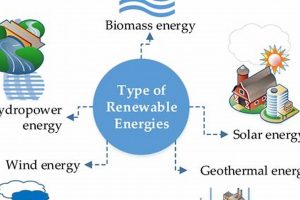
Tip 1: Diversify Energy Portfolio: Reduce dependence through active investment in renewable energy sources such as solar, wind, and geothermal. This mitigates reliance on a diminishing resource and fosters energy security.
Tip 2: Enhance Energy Efficiency: Implement measures to minimize consumption across all sectors. This includes upgrading building insulation, adopting energy-efficient appliances, and optimizing industrial processes to reduce waste.
Tip 3: Invest in Carbon Capture Technologies: Explore and develop technologies to capture and store carbon dioxide emissions from the combustion of gaseous hydrocarbons. This mitigates environmental impact during the transition period.
Tip 4: Support Research and Development: Allocate funding to research and development of alternative energy technologies, including advanced battery storage, hydrogen production, and nuclear fusion, to accelerate the transition to sustainable solutions.
Tip 5: Implement Carbon Pricing Mechanisms: Introduce carbon taxes or cap-and-trade systems to incentivize the reduction of greenhouse gas emissions and promote the adoption of cleaner energy alternatives.
Tip 6: Promote Public Awareness: Educate the public about the limitations and environmental consequences associated with reliance on geological hydrocarbons and the benefits of adopting sustainable practices.
Tip 7: Strengthen International Cooperation: Collaborate with other nations to share knowledge, technology, and best practices in the transition to a sustainable energy future. Addressing global energy challenges requires coordinated efforts.
These strategies, when implemented comprehensively, provide a pathway towards a more secure and environmentally responsible energy landscape, acknowledging the finite nature of subterranean gaseous hydrocarbon resources.
Adopting these strategies proactively will contribute to a sustainable energy future and lessen the environmental implications stemming from hydrocarbon utilization. The following sections will further explore the implications of this energy reality.
1. Depletion

The phenomenon of depletion is intrinsically linked to the understanding of geological gaseous hydrocarbons as a finite resource. Depletion refers to the reduction in the available quantity of this resource due to extraction and consumption. Because the formation processes of such hydrocarbons require millions of years, extraction rates far outpace any natural replenishment, rendering the resource effectively non-renewable. The consequences of depletion are multifaceted, impacting energy security, economic stability, and environmental sustainability.
A real-world example of the effects of depletion can be seen in regions heavily reliant on gaseous hydrocarbons for electricity generation and heating. As reserves dwindle, the cost of extraction increases, leading to higher energy prices for consumers and industries. Furthermore, the geopolitical implications of diminishing supplies can create instability as nations compete for access to remaining resources. The North Sea gaseous hydrocarbon fields, once a major source for Europe, now face declining production, prompting increased reliance on imports and highlighting the practical significance of understanding resource limitations.
In summary, depletion serves as a critical component in defining a geological gaseous hydrocarbon as a non-renewable resource. The irreversible reduction in available quantities necessitates a shift towards sustainable energy alternatives. Addressing the challenges posed by depletion requires proactive measures, including investment in renewable energy technologies, enhanced energy efficiency, and responsible resource management to mitigate the adverse impacts of declining supplies.
2. Fossil Origin

The term “Fossil Origin” directly underpins the categorization of natural gas as a non-renewable resource. It denotes the specific process by which the resource is formed, a process that occurs over geological timescales and involves the transformation of ancient organic matter under specific conditions of heat and pressure. This origin dictates the finite nature of the resource.
- Organic Matter Accumulation
The initial stage involves the accumulation of vast quantities of organic material, primarily the remains of marine organisms like plankton and algae, on the ocean floor. Over millions of years, these deposits are buried under layers of sediment. The sheer volume of organic matter required for significant natural gas deposits necessitates specific environmental conditions, such as anaerobic environments that prevent decomposition and allow for the accumulation of carbon-rich materials. These conditions are not readily replicable, emphasizing the non-renewable aspect.
- Transformation Process
As the organic matter is buried deeper, it is subjected to increasing temperature and pressure. This initiates a series of chemical transformations, converting the organic matter into kerogen, a solid, waxy substance. With further increases in temperature, the kerogen cracks, breaking down into simpler hydrocarbon molecules, including methane, the primary component of natural gas. The specific temperature range required for this process, known as the “oil window” and “gas window,” further restricts the formation of natural gas to specific geological settings. The multi-stage and time-dependent nature of this transformation classifies geological gaseous hydrocarbon as a finite resource.
- Geological Trapping
Once formed, natural gas migrates through porous and permeable rock layers. However, for a commercially viable accumulation to occur, the gas must be trapped by impermeable rock formations, such as shale or salt domes. These traps prevent the gas from escaping to the surface and allow it to accumulate in significant quantities. The presence of suitable geological traps is a critical factor in the formation of geological gaseous hydrocarbon reservoirs. The rarity of optimal trap formations contributes to the limited availability of the resource.
- Time Scale
The entire process, from the initial accumulation of organic matter to the formation and trapping of geological gaseous hydrocarbons, spans millions of years. This timescale far exceeds the rate at which humans consume the resource. The extraction of geological gaseous hydrocarbon occurs at a pace orders of magnitude faster than its natural formation. This fundamental disparity highlights the non-renewable nature of geological gaseous hydrocarbons and underscores the need for sustainable energy alternatives.
In summary, the “Fossil Origin” of geological gaseous hydrocarbon elucidates its inherent non-renewable nature. The process necessitates specific environmental conditions, geological formations, and vast spans of time, rendering it unsustainable for long-term human consumption. The understanding of this origin is paramount for informed energy policy and the transition to renewable energy sources.
3. Finite Quantity
The concept of “Finite Quantity” is fundamental to understanding the nature of natural gas as a non-renewable resource. It signifies that the total amount of this substance available within the Earth’s crust is limited and subject to depletion upon extraction. This limitation dictates long-term availability and shapes strategic approaches to energy management.
- Limited Reserves
Identifiable reserves of natural gas, while geographically widespread, represent a fixed volume. Geological surveys and exploration efforts provide estimations of these reserves, but the total quantity remains finite. Extraction from these reserves inevitably reduces the remaining supply. For example, projections regarding the longevity of proven reserves in specific regions influence investment decisions and policy development concerning alternative energy sources. The demonstrable limitation of reserves underpins the imperative for diversification.
- Uneven Distribution
The Earth’s natural gas resources are not evenly distributed. Certain regions possess substantial reserves, while others have limited or no indigenous supplies. This disparity creates geopolitical considerations and affects the security of energy supply for nations dependent on imports. The strategic importance of regions with significant natural gas reserves highlights the impact of finite quantity on international relations and energy security planning.
- Extraction Costs and Technology
The economic viability of extracting natural gas is influenced by the depth and complexity of the geological formations in which it is found. As readily accessible reserves are depleted, extraction shifts towards more challenging and costly sources, such as shale gas requiring hydraulic fracturing. This increasing cost of extraction, driven by the finite nature of easily accessible resources, further emphasizes the need for energy alternatives and improved extraction technologies.
- Long-Term Availability
The finite quantity of natural gas dictates its long-term availability as a primary energy source. While technological advancements may extend the lifespan of existing reserves, the eventual depletion of this resource is inevitable. Planning for a transition to sustainable energy systems is contingent on acknowledging this long-term limitation. Forecasting models that incorporate depletion rates and technological advancements are crucial for shaping realistic energy policies.
In conclusion, the finite quantity of natural gas, characterized by limited reserves, uneven distribution, increasing extraction costs, and constrained long-term availability, underscores its status as a non-renewable resource. Acknowledging these facets is paramount for guiding energy policies and promoting investments in sustainable alternatives to ensure a secure and environmentally responsible energy future.
4. Environmental Impact

The environmental impact associated with geological gaseous hydrocarbon extraction, processing, transportation, and combustion is a critical consideration when assessing its classification as a non-renewable resource. These impacts span a range of ecological and atmospheric concerns, influencing the rationale for transitioning to sustainable energy alternatives. Extraction processes, such as hydraulic fracturing, can lead to habitat disruption, water contamination, and induced seismicity. The transportation of natural gas via pipelines and tankers poses risks of leaks and spills, releasing methane, a potent greenhouse gas, into the atmosphere. Combustion of natural gas, while producing less carbon dioxide than coal, still contributes to greenhouse gas emissions and climate change. These cumulative environmental effects highlight the unsustainable nature of continued reliance on geological gaseous hydrocarbons.
One practical example of the environmental impact is the ongoing issue of methane leakage from natural gas infrastructure. Methane, a significantly more potent greenhouse gas than carbon dioxide over a shorter timeframe, escapes during extraction, processing, and transportation. Studies have shown that these fugitive emissions can offset some of the climate benefits of switching from coal to natural gas. Another example lies in the impact of hydraulic fracturing on local water resources. The process requires large volumes of water, potentially depleting aquifers and contaminating surface water with chemicals used in the fracturing fluid. The disposal of wastewater from hydraulic fracturing poses additional environmental challenges. These examples underscore the need for stringent environmental regulations and improved monitoring of natural gas operations.
In conclusion, the environmental impact associated with geological gaseous hydrocarbon production and consumption is inextricably linked to its status as a non-renewable resource. The negative consequences, ranging from habitat destruction and water contamination to greenhouse gas emissions and climate change, reinforce the urgency of transitioning to cleaner, renewable energy sources. Addressing these environmental challenges requires a comprehensive approach, encompassing improved extraction practices, reduced methane leakage, and investments in sustainable energy technologies, to mitigate the long-term environmental consequences of geological gaseous hydrocarbon reliance.
5. Future Scarcity

The principle of “Future Scarcity” is inextricably linked to the understanding of natural gas as a non-renewable resource. It represents the projected decline in the availability of this energy source over time, driven by the finite nature of its reserves and the continued rate of extraction. This anticipated scarcity is not a hypothetical concern, but a tangible consequence of present-day consumption patterns. The impending limitation necessitates strategic planning and a proactive transition to alternative energy solutions. The depletion of easily accessible reserves, coupled with increasing global demand, serves as a primary driver of this projected scarcity. The understanding of this impending situation is crucial for policymakers, energy companies, and consumers to make informed decisions regarding resource management and energy investments.
Real-world examples illustrate the practical significance of considering future scarcity. The decline in natural gas production from established fields, such as those in the North Sea, underscores the inevitable trajectory of resource depletion. As traditional sources diminish, reliance shifts towards unconventional sources, such as shale gas, which entail higher extraction costs and potentially greater environmental impacts. Furthermore, geopolitical tensions in regions with significant natural gas reserves can exacerbate concerns about future supply disruptions and price volatility. Strategic reserves, while providing a buffer against short-term shortages, do not address the fundamental issue of diminishing long-term availability. The economic and social consequences of future scarcity are far-reaching, potentially impacting industrial production, transportation, and residential heating. These scenarios underscore the importance of developing robust renewable energy infrastructures and implementing energy efficiency measures to mitigate the effects of anticipated shortages.
In summary, the concept of “Future Scarcity” highlights the urgency of addressing the limitations associated with natural gas as a non-renewable resource. The projected decline in availability necessitates a fundamental shift towards sustainable energy practices, encompassing diversification of energy sources, enhanced energy efficiency, and strategic resource management. Failure to acknowledge and proactively address this impending scarcity will result in economic instability, environmental degradation, and increased geopolitical tensions. The transition to a sustainable energy future requires a comprehensive understanding of the implications of future scarcity and a commitment to implementing long-term solutions.
6. Transition Urgency
Acknowledging that natural gas is a non-renewable resource necessitates a focused examination of the urgency associated with transitioning to alternative energy sources. The finite nature of geological gaseous hydrocarbon reserves, coupled with its environmental consequences, compels a rapid and comprehensive shift towards sustainable energy practices. The pace at which this transition occurs is critical in mitigating both the economic and environmental risks associated with continued reliance on a diminishing resource.
- Climate Change Mitigation
Delaying the transition from geological gaseous hydrocarbons intensifies the effects of climate change. The combustion of this resource releases greenhouse gases, contributing to global warming and associated environmental impacts such as rising sea levels, extreme weather events, and disruptions to ecosystems. The urgency stems from the need to curtail these emissions rapidly to limit the extent of climate change and its potentially irreversible consequences. For example, the increasing frequency and intensity of extreme weather events worldwide serve as a stark reminder of the need for immediate action to reduce greenhouse gas emissions from fossil fuels.
- Resource Depletion Management
The rate at which natural gas reserves are being depleted underscores the urgency of transitioning to renewable energy alternatives. Continued reliance on this finite resource will inevitably lead to scarcity, price volatility, and economic instability. A proactive transition allows for the phased replacement of geological gaseous hydrocarbons with sustainable alternatives, mitigating the disruptive effects of abrupt supply shortages. The experience of countries heavily dependent on imported natural gas highlights the economic risks associated with relying on a diminishing and geographically concentrated resource.
- Technological Advancement Opportunities
The transition to renewable energy sources presents significant opportunities for technological innovation and economic growth. Investment in renewable energy technologies, such as solar, wind, and geothermal, drives advancements in energy storage, grid management, and energy efficiency. A rapid transition accelerates the development and deployment of these technologies, fostering economic competitiveness and creating new employment opportunities. For instance, the rapid growth of the solar industry in many countries demonstrates the potential for renewable energy to stimulate economic activity and create high-skilled jobs.
- Environmental Protection Imperative
The environmental impacts associated with the extraction, transportation, and combustion of geological gaseous hydrocarbons demand urgent action to protect ecosystems and human health. A swift transition to cleaner energy sources reduces the pollution of air and water resources, minimizes habitat destruction, and mitigates the risks associated with methane leakage and other environmental hazards. The documented cases of water contamination and habitat disruption associated with hydraulic fracturing operations serve as a compelling argument for expediting the transition to less environmentally harmful energy alternatives.
These facets emphasize that transition urgency is not merely a policy preference but a necessity dictated by the non-renewable nature of natural gas and its associated consequences. Proactive measures, encompassing policy interventions, technological innovation, and behavioral changes, are essential to ensure a sustainable and secure energy future. The longer the delay, the greater the economic and environmental risks, underscoring the need for immediate and concerted action.
Frequently Asked Questions
The following questions address common inquiries regarding the nature of natural gas as a non-renewable resource, providing clear and concise explanations grounded in scientific and economic principles.
Question 1: What fundamentally defines natural gas as a non-renewable resource?
The classification stems from its origin and formation process. Natural gas is a fossil fuel formed over millions of years from the remains of ancient organic matter subjected to intense heat and pressure within the Earth’s crust. The rate of formation is infinitesimally slow compared to the rate of human consumption, rendering it unsustainable for long-term use.
Question 2: How does the concept of “reserves” relate to the non-renewable nature of natural gas?
Proven reserves represent the estimated quantities of natural gas that can be economically extracted with current technology. While exploration efforts may discover new reserves, the total global quantity remains finite. Continued extraction inevitably depletes these reserves, reinforcing the non-renewable classification.
Question 3: Does the abundance of shale gas alter the categorization of natural gas as non-renewable?
The increased availability of shale gas, accessed through hydraulic fracturing, expands the accessible resource base but does not change the fundamental classification. Shale gas, like conventional natural gas, is a finite resource subject to depletion. The exploitation of shale gas introduces additional environmental concerns, further emphasizing the need for sustainable alternatives.
Question 4: What are the primary environmental concerns associated with the use of a non-renewable resource like natural gas?
The environmental concerns are multifaceted. Combustion of natural gas releases greenhouse gases, contributing to climate change. Extraction and transportation processes can lead to methane leakage, a potent greenhouse gas. Hydraulic fracturing, used to extract shale gas, raises concerns about water contamination, habitat disruption, and induced seismicity.
Question 5: What are the economic implications of relying on a non-renewable resource like natural gas?
Reliance on natural gas carries several economic risks. Depletion of reserves can lead to price volatility and increased energy costs. Dependence on imports from politically unstable regions exposes nations to supply disruptions. Investments in natural gas infrastructure may become stranded assets as the world transitions to renewable energy sources.
Question 6: What strategies are essential for mitigating the risks associated with natural gas as a non-renewable resource?
Mitigation strategies include diversifying energy sources through investment in renewable energy technologies, enhancing energy efficiency to reduce consumption, implementing carbon capture and storage technologies, and supporting research and development of alternative energy solutions. Policy interventions, such as carbon pricing mechanisms, can incentivize the transition to sustainable energy practices.
Understanding the limitations and consequences associated with geological gaseous hydrocarbon utilization is vital for informed decision-making and the development of sustainable energy policies. These FAQs address key aspects of this critical issue.
The following sections will delve deeper into the specific strategies and technologies that can facilitate a transition away from reliance on geological gaseous hydrocarbon, fostering a more sustainable and secure energy future.
The Imperative of Recognizing Natural Gas as a Non-Renewable Resource
The preceding exposition has detailed the fundamental characteristics of geological gaseous hydrocarbon that categorize it as a non-renewable resource. The finite nature of its reserves, its origin in geological timescales, and the environmental consequences associated with its extraction and combustion collectively underscore the unsustainable nature of continued reliance. Failure to acknowledge and address this reality carries significant economic, environmental, and geopolitical risks.
The transition to a sustainable energy future necessitates a comprehensive strategy encompassing diversification of energy sources, enhanced energy efficiency, and technological innovation. Policymakers, industry leaders, and individuals must embrace the urgency of this transition, recognizing that the responsible management of energy resources is paramount for the well-being of future generations. The time for decisive action is now, ensuring a future where energy security and environmental stewardship are inextricably linked.