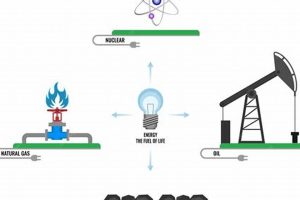
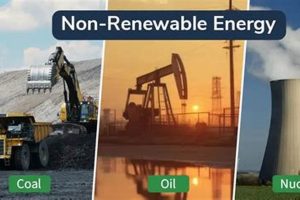
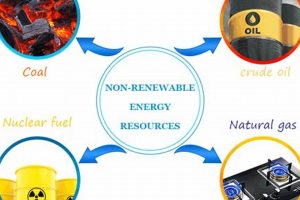
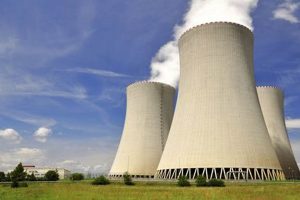
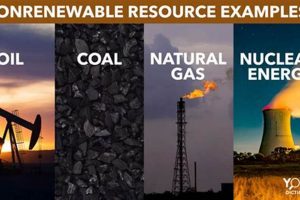
Fossil fuelscoal, oil, and natural gasrepresent the dominant forms of these energy resources. Nuclear energy, derived from the fission of uranium atoms, and certain types of geothermal energy, reliant on the heat from Earth’s interior, also belong to this category. These resources are finite and their extraction and utilization have profound environmental consequences.
Historically, these energy sources have fueled industrialization and global development, providing a readily available, high-density power source. Their affordability and established infrastructure have contributed significantly to their widespread adoption. However, the depletion of these resources and the environmental impacts associated with their combustion, including greenhouse gas emissions and air pollution, necessitate a transition to more sustainable alternatives.
This article will explore coal, petroleum, natural gas, nuclear power, and specific forms of geothermal energy in detail, examining their extraction processes, applications, and the environmental challenges associated with each.
Practical Steps for Engaging with Non-Renewable Energy Sources
Given the finite nature and environmental impact of non-renewable energy sources, careful consideration and strategic approaches are essential for their utilization.
Tip 1: Maximize Efficiency: Improving energy efficiency in buildings, transportation, and industrial processes reduces overall energy demand, thereby minimizing reliance on non-renewable sources. Implementing technologies like high-efficiency appliances, better insulation, and hybrid vehicles can significantly contribute.
Tip 2: Support Renewable Energy Development: Investing in and advocating for renewable energy technologies like solar, wind, and hydropower offers a pathway to a more sustainable energy future, reducing dependence on finite resources.
Tip 3: Advocate for Policy Changes: Supporting policies that encourage energy conservation, promote renewable energy adoption, and regulate emissions from non-renewable sources is crucial for a sustainable energy transition.
Tip 4: Educate and Raise Awareness: Promoting public understanding of the environmental impacts and limitations of non-renewable resources can encourage responsible energy consumption and support for sustainable practices.
Tip 5: Invest in Research and Development: Furthering research into carbon capture and storage technologies, advanced nuclear reactor designs, and enhanced geothermal systems can help mitigate the environmental impacts associated with non-renewable energy use.
Tip 6: Diversify Energy Sources: Reducing reliance on any single energy source, even within the non-renewable category, enhances energy security and reduces vulnerability to supply disruptions or price fluctuations.
Tip 7: Plan for a Transition: Recognizing the finite nature of non-renewable resources necessitates proactive planning for a future powered by sustainable alternatives. This includes investing in infrastructure, developing new technologies, and adapting existing systems.
Implementing these strategies can contribute to a more responsible and sustainable approach to energy consumption, mitigating the environmental impacts associated with non-renewable energy sources and paving the way for a cleaner energy future.
By understanding the limitations and challenges associated with non-renewable energy sources, informed decisions can be made to promote a more sustainable and secure energy future.
1. Fossil Fuels (Coal, Oil, Gas)

Fossil fuelscoal, oil, and natural gasconstitute a significant portion of the five primary types of non-renewable energy. Formed from the remains of prehistoric organisms over millions of years, these resources store substantial amounts of energy, released through combustion. This process, while providing a readily available energy source, generates greenhouse gas emissions, primarily carbon dioxide, contributing significantly to climate change. The extraction and processing of fossil fuels also present environmental challenges, including habitat disruption, water pollution, and air quality degradation. For instance, coal mining can lead to deforestation and soil erosion, while oil spills devastate marine ecosystems. Natural gas extraction, often through hydraulic fracturing (“fracking”), raises concerns about groundwater contamination and induced seismicity.
The historical reliance on fossil fuels stems from their high energy density and relative affordability. These resources have fueled industrialization, transportation, and electricity generation for centuries. However, their finite nature presents a long-term challenge. Depletion rates, coupled with growing global energy demand, underscore the need for a transition to sustainable energy sources. Furthermore, the environmental consequences associated with fossil fuel combustion necessitate a shift towards cleaner alternatives to mitigate climate change and protect ecological systems. Examples of this transition include the increasing adoption of renewable energy technologies like solar and wind power, as well as advancements in energy efficiency measures.
Understanding the role of fossil fuels within the broader context of non-renewable energy is crucial for informed decision-making regarding energy policy and resource management. Recognizing the limitations and environmental impacts associated with these resources emphasizes the urgency of developing and implementing sustainable energy solutions. The future of energy relies on diversifying energy portfolios, investing in renewable technologies, and promoting responsible energy consumption patterns to ensure a sustainable and secure energy future.
2. Nuclear Fission

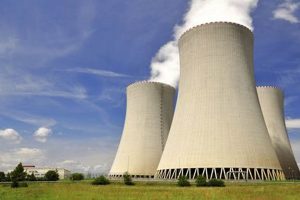
Nuclear fission represents a distinct category within the five primary types of non-renewable energy. Unlike fossil fuels, which derive energy from chemical combustion, nuclear fission harnesses the energy released when the nucleus of a heavy atom, typically uranium, splits into smaller nuclei. This process generates substantial heat, used to produce steam, which drives turbines to generate electricity. While not contributing to greenhouse gas emissions like fossil fuels, nuclear fission presents unique challenges related to nuclear waste disposal and the potential for accidents.
- Uranium and the Fuel Cycle:
Uranium, a naturally occurring radioactive element, serves as the primary fuel for nuclear fission. The nuclear fuel cycle encompasses uranium mining, processing, enrichment, reactor use, and waste disposal. Each stage presents specific environmental and safety considerations. Uranium mining can impact local ecosystems and water resources, while the disposal of radioactive waste requires long-term storage solutions due to its extended half-life. For instance, spent nuclear fuel remains radioactive for thousands of years, necessitating secure geological repositories.
- Reactor Technology and Safety:
Nuclear reactors house the controlled fission process. Different reactor designs, such as pressurized water reactors and boiling water reactors, employ varying methods for controlling the chain reaction and generating steam. Stringent safety protocols and redundant systems are essential to prevent accidents and contain radioactive materials. The Chernobyl and Fukushima disasters underscore the critical importance of robust safety measures and emergency response plans in nuclear power operations.
- Waste Disposal and Environmental Impact:
The long-term disposal of radioactive waste remains a significant challenge. High-level waste, including spent nuclear fuel, requires specialized storage facilities to isolate it from the environment for thousands of years. Finding suitable geological formations and developing robust containment technologies are crucial for safe and responsible waste management. While nuclear fission does not contribute to greenhouse gas emissions during operation, the entire fuel cycle, including uranium mining and processing, has environmental impacts that require consideration.
- Energy Security and Geopolitics:
Nuclear fission offers a degree of energy independence for countries with uranium resources, reducing reliance on imported fossil fuels. However, the concentration of uranium reserves in specific regions and the sensitive nature of nuclear technology can influence geopolitical dynamics. Furthermore, the proliferation risks associated with nuclear materials necessitate strict international safeguards and cooperation to prevent the misuse of nuclear technology.
Understanding the complexities of nuclear fission within the broader context of non-renewable energy sources is crucial for informed policy decisions. While offering a carbon-free electricity source, the challenges associated with waste disposal, safety, and proliferation necessitate careful consideration. The future role of nuclear fission in the global energy mix will depend on advancements in reactor technology, waste management solutions, and ongoing public discourse surrounding its risks and benefits. Comparing nuclear fission to other non-renewable sources like fossil fuels reveals a complex trade-off between environmental impacts, energy security, and long-term sustainability.
3. Limited Availability

The defining characteristic of the five primary types of non-renewable energycoal, oil, natural gas, nuclear fission (dependent on uranium), and certain types of geothermal energyis their finite nature. This limited availability presents significant challenges for long-term energy security and necessitates a transition to sustainable alternatives. Understanding the implications of resource depletion requires examining various facets of this constraint.
- Resource Depletion:
Continuous extraction diminishes the remaining reserves of non-renewable resources. Depletion rates vary depending on the resource and extraction technologies. For instance, easily accessible oil reserves are dwindling, leading to exploration in more challenging and environmentally sensitive areas, such as deep-sea drilling and arctic exploration. This pursuit of increasingly difficult-to-extract resources raises both production costs and environmental risks.
- Geological Distribution:
Non-renewable resources are not uniformly distributed across the globe. This uneven distribution creates geopolitical dependencies and can influence energy prices. For example, the concentration of oil reserves in the Middle East has historically shaped international relations and energy markets. Similarly, the distribution of uranium, essential for nuclear fission, influences the accessibility of this energy source for different nations.
- Extraction Challenges:
As readily accessible reserves are depleted, extraction becomes increasingly complex and expensive. Advanced technologies, such as hydraulic fracturing for natural gas and deep-sea drilling for oil, are required to access remaining resources. These methods often carry higher environmental risks and costs. For example, fracking raises concerns about groundwater contamination, while deep-sea drilling poses risks of oil spills with devastating ecological consequences.
- Timeframes for Renewal:
Non-renewable resources are formed over geological timescales, millions of years, making their replenishment within human timeframes impossible. This inherent limitation necessitates a shift toward renewable energy sources that can be replenished continuously. For example, solar and wind power offer sustainable alternatives to fossil fuels, while geothermal energy harnesses Earth’s internal heat, a resource effectively renewed over geological time.
The limited availability of non-renewable energy sources has profound implications for future energy planning. Recognizing the finite nature of these resources underscores the urgency of transitioning to a sustainable energy future. This transition involves diversifying energy portfolios, investing in renewable energy technologies, improving energy efficiency, and promoting responsible consumption patterns. Ultimately, addressing the challenges posed by limited availability is crucial for ensuring long-term energy security and environmental sustainability.
4. Environmental Impact

The environmental impact of the five primary non-renewable energy sourcescoal, oil, natural gas, nuclear fission, and certain types of geothermal energypresents a critical challenge in the pursuit of sustainable development. Extraction, processing, and utilization of these resources generate diverse environmental consequences, necessitating careful consideration and mitigation strategies.
- Greenhouse Gas Emissions:
Combustion of fossil fuels (coal, oil, and natural gas) releases substantial amounts of greenhouse gases, primarily carbon dioxide, into the atmosphere. These emissions contribute significantly to climate change, driving global warming, sea-level rise, and extreme weather events. The long-term consequences of these climatic shifts pose significant threats to ecosystems, human health, and global economies. For example, increased atmospheric carbon dioxide concentrations contribute to ocean acidification, jeopardizing marine life.
- Air and Water Pollution:
Extraction and processing of non-renewable energy resources can lead to significant air and water pollution. Coal mining can release particulate matter and heavy metals into the air, impacting respiratory health. Oil spills contaminate marine and coastal ecosystems, causing widespread ecological damage. Fracking, used in natural gas extraction, raises concerns about groundwater contamination from chemicals used in the process. These pollution events have far-reaching consequences for human health and the environment. For instance, air pollution from coal-fired power plants can exacerbate respiratory illnesses.
- Land Use and Habitat Degradation:
Non-renewable energy extraction often requires extensive land use, leading to habitat destruction and fragmentation. Coal mining can result in deforestation and soil erosion, disrupting ecosystems and impacting biodiversity. Oil and gas drilling operations can disturb wildlife habitats and migration patterns. These land use changes have long-term consequences for ecological integrity. For example, mountaintop removal mining for coal drastically alters landscapes and disrupts ecosystems.
- Waste Disposal:
Non-renewable energy sources generate various waste products that require careful management. Nuclear fission produces radioactive waste that necessitates long-term storage in secure geological repositories. Fossil fuel combustion generates ash and other byproducts that can contaminate soil and water. Effective waste management strategies are essential to minimize environmental risks. For instance, improper disposal of coal ash can lead to heavy metal contamination of water sources.
The environmental impacts associated with non-renewable energy sources underscore the need for a transition to more sustainable alternatives. Mitigating these impacts requires a multi-faceted approach, including investing in renewable energy technologies, improving energy efficiency, implementing stricter environmental regulations, and promoting responsible consumption patterns. Addressing these challenges is crucial for ensuring a healthy planet and a sustainable future.
5. Energy Density

Energy density, the amount of energy stored per unit volume or mass, represents a key factor in the utilization of the five primary types of non-renewable energy: coal, oil, natural gas, nuclear fission, and certain forms of geothermal energy. High energy density contributes significantly to the historical dominance of these resources, enabling efficient energy storage, transportation, and utilization across various applications. This characteristic allows for substantial energy generation from relatively small quantities of fuel, making them particularly suitable for transportation, industrial processes, and electricity generation. For instance, the high energy density of gasoline enables vehicles to travel long distances on a single tank, while the energy density of coal allows power plants to generate significant electricity output.
Variations in energy density exist among non-renewable resources. Oil generally possesses a higher energy density than coal, enabling more efficient energy generation per unit volume. Natural gas, while having a lower energy density than oil, offers advantages in terms of cleaner combustion and reduced air pollution. Nuclear fission exhibits exceptionally high energy density due to the immense energy released during nuclear reactions. A small amount of uranium fuel can power a nuclear reactor for an extended period, highlighting the significant energy potential of this resource. This difference in energy density influences the suitability of each resource for specific applications. For instance, the high energy density of oil makes it ideal for aviation fuel, while coal’s lower energy density makes it more suitable for stationary power generation.
Understanding the energy density of non-renewable resources provides crucial insights into their practical applications and limitations. While high energy density contributes to the widespread use of these resources, their finite nature and environmental impacts necessitate a transition to sustainable alternatives. The development and implementation of renewable energy technologies, such as solar and wind power, offer pathways to a future less reliant on finite resources. Considering energy density alongside environmental impact, cost, and availability informs strategic decision-making for a sustainable energy future. The ongoing challenge lies in balancing the benefits of high energy density with the environmental and economic costs associated with non-renewable resource extraction and utilization.
6. Established Infrastructure

A significant factor contributing to the historical dominance of the five primary non-renewable energy sourcescoal, oil, natural gas, nuclear fission, and certain geothermal resourcesis the extensive established infrastructure designed for their extraction, processing, distribution, and utilization. This infrastructure represents substantial investments over decades, shaping energy systems globally. Pipelines transport oil and gas across continents; power plants are engineered to burn coal or utilize nuclear fission; and refineries process crude oil into usable fuels. This existing infrastructure creates a significant barrier to transitioning away from non-renewable resources, despite their finite nature and environmental consequences. For example, shifting from gasoline-powered vehicles to electric vehicles requires not only new vehicle production but also widespread charging station infrastructure development.
The established infrastructure surrounding non-renewable energy creates complex interdependencies within various sectors. Power grids rely heavily on coal and natural gas power plants, transportation systems depend on gasoline and diesel fuels, and industrial processes often utilize fossil fuels for heat and energy. Disrupting these established systems requires significant investment and coordinated efforts to develop and integrate alternative energy sources and technologies. For instance, transitioning to renewable energy sources like solar and wind power requires integrating these intermittent resources into existing power grids, potentially necessitating grid modernization and energy storage solutions. Similarly, shifting away from fossil fuel-based transportation requires developing alternative fuel sources or battery technologies alongside supporting infrastructure.
Understanding the role of established infrastructure in the context of non-renewable energy is crucial for planning a sustainable energy transition. While the existing infrastructure presents a significant challenge, it also offers opportunities for repurposing and adaptation. Existing pipelines could be repurposed for transporting hydrogen or other renewable fuels, and power plants could be retrofitted to utilize biomass or other alternative energy sources. Strategic investments in research, development, and deployment of new technologies are essential for overcoming the inertia of established infrastructure and facilitating a shift towards a more sustainable energy future. The transition necessitates a balanced approach that considers economic realities, technological advancements, and environmental imperatives. Addressing this challenge is crucial for mitigating the risks associated with resource depletion and climate change.
7. Finite Resources
The finite nature of non-renewable energy sourcescoal, oil, natural gas, nuclear fission (dependent on uranium), and certain types of geothermal energyforms an intrinsic link to their definition and long-term viability. These resources, formed over geological timescales, exist in limited quantities within Earth’s crust. Continuous extraction and consumption inevitably lead to depletion, posing significant challenges for future energy security. This inherent limitation distinguishes them from renewable sources like solar and wind energy, which are replenished naturally within human timeframes. The finite nature of these resources necessitates a fundamental shift in energy strategies, focusing on conservation, efficiency improvements, and the development of sustainable alternatives. For example, proven oil reserves, while substantial, are ultimately finite, and their depletion necessitates exploration in increasingly challenging and environmentally sensitive locations, highlighting the inherent limitations of this resource.
The finite nature of these resources has profound practical implications. Depletion of readily accessible reserves leads to increased extraction costs, potentially driving up energy prices and impacting economic stability. Furthermore, the geographic distribution of these resources is uneven, creating geopolitical dependencies and vulnerabilities. Reliance on finite resources necessitates careful resource management, strategic planning, and international cooperation to ensure equitable access and mitigate potential conflicts. For example, the concentration of uranium reserves in a limited number of countries necessitates international cooperation and stringent safeguards to ensure responsible use and prevent proliferation risks. This reliance also necessitates exploration of alternative nuclear fuel cycles and reactor designs to enhance long-term sustainability.
Understanding the finite nature of these energy sources is paramount for informed decision-making regarding future energy policies and technological development. Transitioning towards a sustainable energy future requires recognizing the limitations of these resources and actively pursuing alternative energy sources. This transition involves not only technological innovation but also societal adaptation, economic adjustments, and policy changes to facilitate a shift towards renewable energy, enhanced energy efficiency, and responsible consumption patterns. The challenge lies in balancing current energy demands with the imperative of ensuring long-term energy security and mitigating the environmental consequences of resource depletion.
Frequently Asked Questions
This section addresses common inquiries regarding non-renewable energy sources, providing concise and informative responses.
Question 1: What distinguishes non-renewable from renewable energy sources?
Non-renewable energy sources, such as fossil fuels and nuclear fission, exist in finite quantities and are depleted with use. Renewable sources, like solar and wind power, replenish naturally within human timeframes.
Question 2: Why are non-renewable energy sources still widely used despite their environmental impact?
Established infrastructure, high energy density, and relatively low cost contribute to continued reliance on non-renewable sources. Transitioning to alternatives requires significant investment and infrastructure development.
Question 3: What are the primary environmental concerns associated with fossil fuel use?
Greenhouse gas emissions, contributing to climate change, represent a significant concern. Air and water pollution from extraction and combustion processes, along with habitat disruption, also pose environmental challenges.
Question 4: Is nuclear energy a clean energy source?
While nuclear fission doesn’t emit greenhouse gases during operation, it generates radioactive waste requiring long-term storage. The nuclear fuel cycle, including uranium mining and processing, also has environmental impacts.
Question 5: What role does energy conservation play in addressing the limitations of non-renewable resources?
Improved energy efficiency reduces overall energy demand, lessening reliance on finite resources and mitigating environmental impacts. Conservation measures, such as building insulation and efficient appliances, play a crucial role in sustainable energy management.
Question 6: How does the geographic distribution of non-renewable resources affect global energy security?
Uneven distribution creates dependencies and potential vulnerabilities. Nations reliant on imports face price volatility and potential supply disruptions, highlighting the geopolitical implications of resource distribution.
Understanding the characteristics, limitations, and environmental consequences of non-renewable energy sources is crucial for informed decision-making and the transition toward a sustainable energy future.
For further exploration, the subsequent section delves deeper into specific examples and case studies related to non-renewable energy utilization and its global implications.
Conclusion
Examination of the five primary non-renewable energy sourcescoal, oil, natural gas, nuclear fission, and certain geothermal resourcesreveals inherent limitations and significant environmental consequences. Their finite nature necessitates strategic planning for a future reliant on sustainable alternatives. While high energy density and established infrastructure contribute to their continued prevalence, the environmental impacts, including greenhouse gas emissions, air and water pollution, and habitat disruption, underscore the urgency of transitioning to cleaner energy solutions. Nuclear fission, while offering a carbon-free electricity source, presents unique challenges related to waste disposal and safety. The geographic distribution of these resources also introduces geopolitical complexities and vulnerabilities.
A sustainable energy future requires a multifaceted approach. Investing in renewable energy technologies, improving energy efficiency, implementing responsible resource management practices, and fostering international cooperation are crucial steps in mitigating the challenges associated with non-renewable energy dependence. The transition necessitates not only technological advancements but also societal adaptation, policy changes, and a fundamental shift in energy consumption patterns. The choices made today will determine the long-term sustainability and security of the global energy landscape.