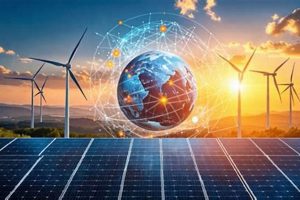
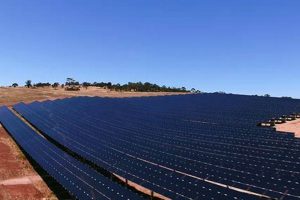
The People’s Republic of China holds a dominant global position in the renewable energy sector, possessing the largest installed capacity of renewable power generation. This encompasses diverse technologies such as hydropower, wind, solar, and bioenergy. For instance, China’s investments and deployments in solar photovoltaic capacity significantly outpace all other nations.
This leadership carries substantial implications for global climate change mitigation efforts and energy security. China’s significant investments and rapid deployment of renewable energy technologies contribute to reductions in greenhouse gas emissions and decreased reliance on fossil fuels. Historically, this commitment has evolved from a focus on energy access and security to encompass broader environmental concerns and industrial development. This transition has fostered technological innovation and spurred the growth of a robust domestic renewable energy industry.
Further exploration of this topic will cover specific renewable energy sectors within China, including their growth trajectories, technological advancements, government policies, and challenges faced. Additionally, the geopolitical implications of China’s leading role in renewable energy, its impact on global energy markets, and its contributions to international climate goals will be examined.
Tips for Understanding Global Renewable Energy Leadership
The dominance of a single nation in renewable energy capacity has significant global implications. Understanding the nuances of this leadership is crucial for informed decision-making in policy, investment, and technological development.
Tip 1: Consider the Scope of Deployment: Evaluating leadership requires examining the scale of deployed technologies. Mere capacity figures can be misleading without considering actual power generation and grid integration.
Tip 2: Analyze the Technological Diversity: Dominance in a single renewable energy technology does not necessarily translate to overall leadership. A diversified portfolio across various technologies indicates greater resilience and adaptability.
Tip 3: Investigate Government Policies and Incentives: Supportive government policies and financial incentives play a crucial role in accelerating renewable energy development and deployment.
Tip 4: Assess Manufacturing Capacity and Supply Chains: Leadership in renewable energy often involves control over the manufacturing and supply of key components, influencing global markets.
Tip 5: Evaluate Research and Development Investments: Continuous innovation is essential for sustained leadership. Examine investments in research and development to gauge long-term prospects.
Tip 6: Consider Environmental and Social Impacts: Renewable energy development should be evaluated against its environmental and social impacts, including land use, resource consumption, and community engagement.
Tip 7: Monitor International Collaboration and Competition: Global leadership in renewable energy influences international relations and can drive both collaboration and competition among nations.
By considering these factors, one can gain a more comprehensive understanding of the complexities and implications of national leadership in the renewable energy sector.
These insights provide a foundation for further exploration of the challenges and opportunities associated with the global transition to sustainable energy systems.
1. Capacity

China’s leadership in renewable energy is inextricably linked to its massive installed capacity. This capacity, exceeding that of any other nation, spans diverse technologies, including hydro, solar, wind, and bioenergy. The sheer scale of deployment is a crucial factor in driving down global prices for renewable energy technologies, particularly solar photovoltaics and wind turbines. For example, China’s dominance in solar panel manufacturing has significantly reduced production costs, making solar power increasingly competitive with fossil fuels globally. This large-scale deployment also stimulates further technological advancements and economies of scale, creating a positive feedback loop for continued growth. The substantial capacity provides practical benefits domestically, enhancing energy security and reducing reliance on imported fossil fuels.
The development of this capacity is a result of sustained policy support, significant state investment, and a focus on industrial development. Government targets and incentives have encouraged rapid deployment, leading to the creation of a robust domestic renewable energy industry. This capacity not only contributes to China’s own emissions reduction targets but also impacts global supply chains and markets. For instance, the availability of affordable solar panels manufactured in China has facilitated the growth of solar energy in other countries, accelerating the global energy transition. However, the environmental and social impacts of such rapid large-scale development, including land use and resource consumption, require careful consideration and mitigation strategies.
In summary, China’s substantial renewable energy capacity is a defining characteristic of its global leadership in the sector. This capacity is a product of deliberate policy choices and industrial development, with significant consequences for global energy markets, technological innovation, and the trajectory of the global energy transition. Further analysis of the specific technologies and policies driving this capacity growth provides crucial insights for understanding the complexities and challenges of achieving a sustainable energy future.
2. Investment

Sustained and substantial financial investment forms a cornerstone of China’s leading position in renewable energy. This investment spans research and development, manufacturing capacity expansion, and deployment incentives. Directed both by state-owned enterprises and private companies, these investments create a virtuous cycle. For example, government subsidies for solar panel production have enabled manufacturers to scale operations, leading to lower costs and further stimulating market growth. This investment-driven cost reduction facilitates greater accessibility to renewable energy technologies, both domestically and internationally. Furthermore, significant investments in grid infrastructure are essential for integrating the growing renewable energy capacity into the national power system.
Targeted investment in research and development fosters technological innovation, ensuring continued advancements in efficiency and performance. This focus on innovation allows China to maintain a competitive edge in the global renewable energy market. For instance, investments in battery storage technology are crucial for addressing the intermittency challenges associated with solar and wind power. Moreover, strategic investments in international collaborations and partnerships expand market access and facilitate the transfer of knowledge and expertise. The Belt and Road Initiative, for example, includes significant investments in renewable energy projects across participating countries, further extending China’s influence in the sector.
In conclusion, strategic and substantial financial investment is a fundamental driver of China’s dominance in renewable energy. This investment fuels technological innovation, scales manufacturing capacity, and supports deployment. The resulting cost reductions and market expansion have profound implications for global energy markets and the transition to a sustainable energy future. However, future investment strategies must prioritize sustainability and environmental considerations to ensure long-term positive impacts.
3. Manufacturing

China’s global leadership in renewable energy is intrinsically tied to its dominance in the manufacturing of key technologies, particularly solar photovoltaics (PV) and wind turbines. This manufacturing prowess results from a confluence of factors, including strategic government support, access to raw materials, a skilled workforce, and economies of scale. The effect of this dominance is a significant reduction in the global cost of renewable energy technologies, making them increasingly competitive with fossil fuels. For example, the large-scale production of silicon ingots and wafers in China has dramatically lowered the price of solar PV modules, facilitating wider adoption globally.
The importance of manufacturing as a component of China’s renewable energy leadership cannot be overstated. Control over the production of essential components strengthens its position in global supply chains and influences international energy markets. This manufacturing capacity allows China to not only meet domestic demand but also export technologies worldwide, driving the global energy transition. The concentration of manufacturing within China presents both opportunities and challenges. While it contributes to cost reductions and accelerates deployment, it also raises concerns about potential supply chain vulnerabilities and geopolitical implications. Diversification of manufacturing locations and securing sustainable supply chains are crucial for long-term stability and resilience.
In summary, China’s manufacturing dominance plays a crucial role in its leading position in renewable energy. This capacity has profound implications for global energy markets, technological advancement, and the ongoing transition to a sustainable energy future. However, addressing potential vulnerabilities and ensuring equitable access to these technologies are crucial for maximizing the positive impacts and mitigating potential risks.
4. Innovation

Technological innovation is a critical driver of China’s leading position in the renewable energy sector. Continuous advancements in key technologies, coupled with a supportive policy environment, enable cost reductions, performance improvements, and wider adoption of renewable energy solutions. This commitment to innovation is essential for maintaining competitiveness in the global market and for achieving long-term sustainability goals.
- Research and Development
Significant investments in research and development across various renewable energy technologies, including solar photovoltaics, wind power, energy storage, and smart grids, are propelling advancements. For example, research into perovskite solar cells promises higher efficiencies and lower manufacturing costs compared to traditional silicon-based cells. These advancements contribute to performance improvements, cost reductions, and the development of next-generation renewable energy technologies.
- Technology Transfer and Adoption
China actively promotes the transfer and adoption of renewable energy technologies both domestically and internationally. Collaborations with international research institutions and companies facilitate knowledge sharing and accelerate the commercialization of new technologies. The Belt and Road Initiative, for instance, supports the development of renewable energy projects in partner countries, promoting the wider adoption of Chinese technologies and expertise.
- Manufacturing Process Improvements
Innovation extends beyond the technologies themselves to encompass manufacturing processes. Continuous improvements in manufacturing techniques and automation lead to higher production efficiency, lower costs, and improved product quality. For example, advancements in automated production lines for solar PV modules have significantly increased production capacity and reduced manufacturing costs, making solar power more accessible globally.
- Policy and Regulatory Frameworks
Supportive government policies and regulatory frameworks incentivize innovation and create a favorable environment for the development and deployment of new technologies. Feed-in tariffs, tax incentives, and research grants encourage investment in renewable energy innovation. Furthermore, policies promoting grid modernization and smart grid technologies facilitate the integration of renewable energy sources into the power system.
These interconnected facets of innovation solidify China’s leadership in renewable energy and contribute significantly to the global transition towards sustainable energy systems. Continued investment in research and development, coupled with supportive policies and international collaborations, will be essential for maintaining this leadership position and addressing future energy challenges. This focus on innovation not only benefits China domestically but also has far-reaching implications for global climate change mitigation and sustainable development.
5. Geopolitics
China’s leading role in renewable energy has profound geopolitical implications, influencing international relations, trade dynamics, and global efforts to address climate change. This leadership position provides China with significant leverage in shaping the future of the global energy landscape and advancing its strategic interests. Understanding these geopolitical dimensions is crucial for navigating the complexities of the global energy transition.
- Energy Security and Resource Independence
China’s focus on renewable energy enhances its energy security by reducing reliance on imported fossil fuels, mitigating vulnerabilities associated with volatile global energy markets and geopolitical instability. This pursuit of energy independence strengthens China’s domestic energy supply and reduces its susceptibility to external disruptions, bolstering its overall national security.
- International Influence and Soft Power
China’s dominance in renewable energy manufacturing and deployment provides a platform for expanding its international influence and projecting soft power. Through investments in renewable energy projects in other countries, particularly through the Belt and Road Initiative, China strengthens diplomatic ties, fosters economic partnerships, and positions itself as a leader in the global fight against climate change. This engagement enhances China’s global standing and promotes its development model.
- Trade and Economic Competition
China’s leadership in renewable energy manufacturing creates significant competitive advantages in global trade. The lower production costs associated with its large-scale manufacturing capacity allow Chinese companies to compete effectively in international markets, potentially displacing established players in the traditional energy sector. This competitive edge can influence trade balances and reshape global economic relationships.
- Climate Diplomacy and Global Governance
China’s commitment to renewable energy development plays a crucial role in international climate negotiations and global governance frameworks. Its leadership in deploying renewable energy technologies enhances its credibility in advocating for stronger global climate action. This active participation in international forums allows China to shape the agenda and influence the direction of global climate policy.
In conclusion, China’s leading role in renewable energy is inextricably linked to geopolitics, influencing energy security, international relations, trade dynamics, and global climate governance. Understanding these complex interconnections is crucial for navigating the evolving global energy landscape and addressing the challenges and opportunities associated with the transition to a sustainable energy future. As the global competition in renewable energy intensifies, China’s strategic choices will continue to shape the geopolitical landscape and influence the trajectory of global climate action.
6. Sustainability

China’s dominance in renewable energy production and deployment has significant implications for global sustainability. While the transition to renewable energy sources is inherently linked to environmental protection and sustainable development, the complexities of China’s approach require nuanced analysis. Examining specific facets of sustainability within the context of China’s renewable energy leadership provides crucial insights into both the benefits and challenges associated with this global shift.
- Environmental Impact Reduction
The shift towards renewable energy sources like solar and wind power inherently reduces reliance on fossil fuels, mitigating greenhouse gas emissions and air pollution. China’s large-scale deployment of these technologies contributes significantly to global emissions reductions, playing a crucial role in mitigating climate change. However, the manufacturing processes for renewable energy components and the disposal of retired equipment present environmental challenges that require ongoing attention. Life-cycle assessments and sustainable manufacturing practices are crucial for minimizing the overall environmental footprint of renewable energy technologies.
- Resource Management
Renewable energy technologies require significant resource inputs, including rare earth minerals and other materials. China’s dominance in the manufacturing of these technologies raises concerns about resource depletion and the environmental impacts of mining and processing. Sustainable resource management practices, including recycling and the development of alternative materials, are essential for ensuring the long-term viability of renewable energy and minimizing its environmental footprint. Furthermore, responsible sourcing and ethical supply chains are crucial for mitigating potential social and environmental harms associated with resource extraction.
- Social and Economic Development
The growth of the renewable energy sector in China creates jobs, stimulates economic growth, and improves energy access in rural areas. This development contributes to poverty reduction and improved living standards. However, ensuring equitable access to the benefits of renewable energy and addressing potential social disruptions associated with the transition from traditional energy industries are crucial for achieving sustainable and inclusive development. Investing in workforce training and supporting communities affected by the energy transition are essential for maximizing the positive social impacts.
- Long-Term Energy Security
China’s investment in renewable energy enhances its long-term energy security by diversifying energy sources and reducing reliance on imported fossil fuels. This diversification mitigates vulnerabilities to price volatility and geopolitical instability. However, the intermittency of renewable energy sources like solar and wind power requires investments in grid infrastructure and energy storage solutions to ensure a stable and reliable energy supply. Balancing the deployment of renewable energy with other energy sources and developing smart grid technologies are essential for achieving long-term energy security.
China’s global leadership in renewable energy presents a complex interplay of factors that contribute to global sustainability efforts while also posing significant challenges. While the shift towards renewable energy sources offers substantial environmental benefits, careful consideration of resource management, social equity, and long-term energy security is crucial for ensuring a truly sustainable energy future. China’s continued dominance in this sector presents both opportunities and responsibilities for shaping a sustainable global energy landscape. Balancing rapid technological advancement with environmental protection and social equity will be crucial for maximizing the positive impacts and mitigating potential risks associated with this ongoing energy transition.
Frequently Asked Questions
This section addresses common inquiries regarding the global leadership position held by the People’s Republic of China in the renewable energy sector.
Question 1: Does China’s leading installed capacity automatically translate to superior sustainability practices?
While substantial capacity contributes to emissions reductions, leadership requires comprehensive sustainable practices throughout the entire lifecycle of renewable energy technologies, from resource extraction to manufacturing and disposal.
Question 2: How does China’s dominance in renewable energy manufacturing affect global markets?
Large-scale manufacturing reduces global prices, increasing accessibility. However, it also raises concerns about potential supply chain vulnerabilities and the need for diversified manufacturing locations.
Question 3: What role does government policy play in China’s renewable energy leadership?
Supportive policies, including subsidies, tax incentives, and research funding, are crucial drivers of innovation, manufacturing expansion, and deployment.
Question 4: What are the geopolitical implications of China’s renewable energy leadership?
This leadership enhances China’s energy security, expands its international influence, and strengthens its position in global climate negotiations.
Question 5: How does China address the intermittency challenges of renewable energy sources?
Investments in grid infrastructure, energy storage technologies, and smart grid solutions are crucial for integrating intermittent renewable sources and ensuring grid stability.
Question 6: Does China’s focus on renewable energy negate its continued reliance on coal power?
While renewable energy capacity continues to grow rapidly, China’s energy transition remains complex. Coal power still plays a significant role, highlighting the ongoing challenges of balancing economic development with environmental sustainability.
Understanding these complexities is crucial for a comprehensive perspective on China’s role in the global renewable energy landscape.
Further exploration should consider the specific technologies, policies, and challenges that shape the future of renewable energy in China and its impact on the global energy transition.
China Leads the World in Renewable Energy
China’s dominance in renewable energy capacity, investment, manufacturing, and innovation has reshaped the global energy landscape. This leadership position presents a complex interplay of economic, environmental, and geopolitical factors. While contributing significantly to global emissions reductions and the affordability of renewable energy technologies, challenges remain regarding resource management, supply chain security, and the integration of intermittent renewable sources. Furthermore, the continued reliance on coal power underscores the complexities of China’s energy transition.
The future trajectory of global renewable energy development is inextricably linked to China’s strategic choices and technological advancements. Sustained innovation, responsible resource management, and international collaboration are essential for navigating the opportunities and challenges presented by this leadership position. A comprehensive understanding of these factors is crucial for shaping effective policies, fostering sustainable development, and ensuring a stable and equitable global energy future.