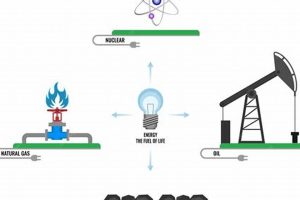
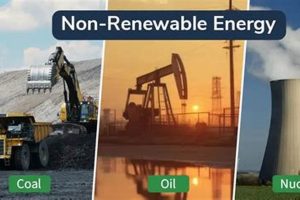
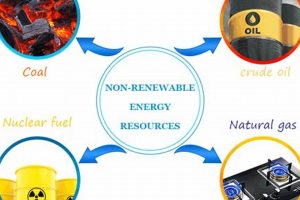
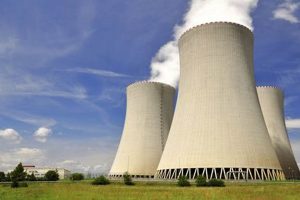
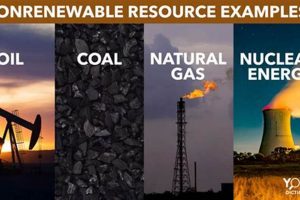
Fossil fuels (coal, oil, and natural gas) and nuclear energy are finite resources extracted from the Earth. Fossil fuels formed from ancient organic matter over millions of years, while uranium, the fuel for nuclear power, is mined from specific geological deposits. Burning fossil fuels releases energy through combustion, while nuclear fission splits uranium atoms, generating substantial heat. The National Geographic Society has extensively documented the science, environmental impacts, and geopolitical implications of these energy sources.
These energy sources have played a pivotal role in powering industrialization and modern societies. They offer high energy density, making them efficient for large-scale electricity generation and transportation. However, their finite nature and environmental consequences necessitate a shift toward sustainable alternatives. Historically, National Geographic has chronicled both the benefits and drawbacks of these energy sources, from early oil exploration to the development of nuclear technology, providing valuable context for contemporary energy discussions.
Further exploration of specific energy types, their environmental effects, and the transition to renewable sources can be found in National Geographic’s extensive archive of articles, documentaries, and multimedia resources. This body of work provides a crucial foundation for understanding the complexities of energy production and consumption in the 21st century.
Tips for Understanding Energy Resources
Informed decision-making regarding energy consumption requires a grasp of the complexities surrounding both renewable and non-renewable resources. The following tips offer guidance for navigating this critical issue.
Tip 1: Research Energy Sources: Investigate the origins, extraction processes, and environmental impacts of various energy sources, including fossil fuels and nuclear energy. Understanding the full life cycle of these resources is crucial.
Tip 2: Consider Energy Efficiency: Explore methods for reducing energy consumption at home, in the workplace, and during transportation. Improvements in energy efficiency can lessen reliance on finite resources.
Tip 3: Explore Renewable Alternatives: Investigate the potential of solar, wind, hydro, and geothermal energy as sustainable alternatives to non-renewable sources. Understanding their advantages and limitations is key to a balanced energy strategy.
Tip 4: Stay Informed About Energy Policy: Keep abreast of local, national, and international policies related to energy production and consumption. Policy decisions play a significant role in shaping the future of energy.
Tip 5: Support Sustainable Practices: Advocate for responsible energy practices and support initiatives that promote the transition to a sustainable energy future. Individual and collective action are essential for meaningful change.
Tip 6: Evaluate Energy Information Critically: Be discerning about the source of information regarding energy. Seek out credible sources such as scientific journals, reputable news organizations, and academic institutions.
By understanding the nuances of energy production and consumption, individuals can make more informed choices that contribute to a sustainable energy future. These informed choices are vital for mitigating the environmental impacts associated with energy use.
This understanding provides a foundation for further exploration of the complex interplay between energy, the environment, and the global economy. A thorough understanding of these relationships is essential for addressing future energy challenges.
1. Fossil Fuels

Fossil fuels represent a central theme within National Geographic’s coverage of non-renewable energy. Understanding their formation, extraction, utilization, and environmental consequences is crucial for comprehending the broader energy landscape.
- Formation and Composition
Fossil fuels originated from decaying organic matter subjected to immense pressure and heat over geological timescales. Coal formed primarily from plant matter, while oil and natural gas derived from marine organisms. Their composition, primarily hydrocarbons, determines their energy density and combustion properties. National Geographic has documented the geological processes behind fossil fuel formation, providing visual context through maps and diagrams.
- Extraction and Processing
Extracting fossil fuels involves diverse methods tailored to each resource. Coal mining ranges from surface strip mining to underground shaft mining. Oil and natural gas extraction utilize drilling techniques, including offshore platforms and hydraulic fracturing (fracking). National Geographic has explored these extraction methods, highlighting their environmental and social impacts. Processing, such as refining crude oil into gasoline and other products, adds further complexity to the fossil fuel supply chain.
- Energy Production and Consumption
Fossil fuels serve as the primary energy source globally, powering electricity generation, transportation, and industrial processes. Combustion releases the stored chemical energy as heat, which can then be converted into other forms of energy. National Geographic has examined global energy consumption patterns, illustrating the dependence on fossil fuels and the resulting greenhouse gas emissions. The organization’s work also highlights the disproportionate impact of energy consumption on different regions and populations.
- Environmental Impacts
Burning fossil fuels releases greenhouse gases, primarily carbon dioxide, contributing significantly to climate change. Extraction processes can disrupt ecosystems, pollute water sources, and release methane, a potent greenhouse gas. National Geographic has extensively documented the environmental consequences of fossil fuel use, from air and water pollution to habitat destruction and the impacts on wildlife. This documentation underscores the urgency of transitioning to cleaner energy sources.
National Geographic’s coverage of fossil fuels provides a comprehensive perspective on their role in the global energy system. By exploring their formation, extraction, utilization, and environmental impacts, the organization illuminates the complex challenges associated with non-renewable energy sources and the necessity of pursuing sustainable alternatives.
2. Nuclear Power

Nuclear power, a complex and often controversial topic within the broader context of non-renewable energy, receives significant attention from National Geographic. Its inclusion stems from its unique characteristics: while not a fossil fuel, it relies on finite uranium resources and presents distinct environmental and safety considerations. Understanding nuclear power requires examining its various facets, from the underlying physics to its geopolitical implications.
- Uranium: The Fuel Source
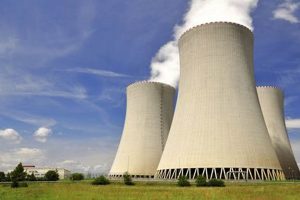
Nuclear power plants utilize uranium, a naturally occurring radioactive element, as fuel. Uranium-235, a specific isotope of uranium, undergoes nuclear fission, a process where the atom splits, releasing immense energy in the form of heat. This heat generates steam, which drives turbines to produce electricity. National Geographic’s coverage often delves into the geological origins and distribution of uranium, emphasizing its finite nature and the potential environmental impacts of uranium mining.
- Nuclear Fission and Energy Production
The controlled fission of uranium atoms within a nuclear reactor is the core process of nuclear power generation. The process requires careful management and control systems to prevent runaway reactions. National Geographic has explored the intricate engineering and safety mechanisms employed in nuclear power plants, including containment structures and emergency protocols. Visualizations and diagrams often accompany these explanations to enhance understanding.
- Waste Disposal and Environmental Concerns
Nuclear power generation produces radioactive waste, which requires long-term storage and management. The disposal of spent nuclear fuel remains a significant challenge, raising concerns about potential environmental contamination. National Geographic has investigated various waste disposal methods, including deep geological repositories and reprocessing techniques. The organization also examines the potential risks associated with nuclear accidents, such as the Chernobyl and Fukushima disasters, and their long-term environmental consequences.
- Geopolitical Implications and Energy Security
Nuclear power plays a role in energy security and international relations. The concentration of uranium resources in certain countries and the specialized technology required for nuclear power generation can influence geopolitical dynamics. National Geographic has explored the intersection of nuclear energy and international security, including the proliferation of nuclear weapons technology. The organization’s coverage also considers the role of nuclear power in diversifying energy sources and reducing reliance on fossil fuels.
Nuclear power presents a complex set of advantages and disadvantages within the broader context of non-renewable energy. While it offers a carbon-free source of electricity and contributes to energy security, it also raises concerns about waste disposal, safety, and the potential for proliferation. National Geographic’s coverage provides a comprehensive overview of these complex issues, enabling informed discussions about the role of nuclear power in the global energy landscape and its relationship to the transition toward more sustainable energy sources.
3. Environmental Impact

Extensive documentation by National Geographic reveals a strong link between non-renewable energy sources and substantial environmental impacts. These impacts span various ecosystems and have long-term consequences, demanding careful consideration in energy policy and resource management. A central concern is the release of greenhouse gases, primarily carbon dioxide, from the combustion of fossil fuels. This contributes significantly to climate change, resulting in rising global temperatures, altered weather patterns, and rising sea levels. National Geographic’s research, including expeditions to polar regions and studies of impacted wildlife populations, provides compelling evidence of these effects.
Beyond greenhouse gas emissions, non-renewable energy extraction and processing present further environmental challenges. Coal mining, for example, can lead to habitat destruction, soil erosion, and water contamination. Oil and gas drilling, including hydraulic fracturing, can contaminate groundwater and release methane, a potent greenhouse gas. Uranium mining, essential for nuclear power, carries the risk of radioactive contamination and disruption of delicate ecosystems. National Geographic has documented these impacts through photojournalism and investigative reporting, providing visual evidence of the environmental trade-offs associated with non-renewable energy sources. Examples such as the Deepwater Horizon oil spill and the ongoing impacts of coal ash disposal illustrate the significant environmental risks involved.
Understanding the environmental impact of non-renewable energy is crucial for informed decision-making regarding energy policy and the transition to sustainable alternatives. National Geographic’s work emphasizes the interconnectedness of energy systems and environmental health. This understanding necessitates a shift toward renewable energy sources, improved energy efficiency, and responsible resource management. Addressing these challenges requires a global commitment to mitigating the environmental consequences of energy production and consumption, ensuring a sustainable future for generations to come. National Geographic’s continued coverage plays a vital role in informing public discourse and promoting environmentally responsible energy practices.
4. Resource Depletion
Resource depletion is an intrinsic consequence of reliance on non-renewable energy sources, a theme extensively documented by National Geographic. Fossil fuels and uranium, the primary fuels for non-renewable energy production, exist in finite quantities. Continuous extraction and consumption inevitably lead to their depletion. This poses significant challenges for long-term energy security and necessitates a transition to sustainable alternatives. The cause-and-effect relationship is straightforward: extraction diminishes remaining reserves. The rate of depletion depends on consumption rates and the discovery of new reserves, but the ultimate consequence is the exhaustion of these finite resources. For instance, proven oil reserves, while constantly being reassessed, are ultimately finite. National Geographic’s coverage often features maps and data visualizations illustrating the distribution and projected lifespan of these resources, providing a tangible understanding of their limited nature.
The importance of resource depletion as a component of understanding non-renewable energy lies in its implications for future generations. Depleted resources become increasingly difficult and expensive to extract, impacting energy accessibility and affordability. This scarcity can also drive geopolitical tensions as nations compete for dwindling supplies. Practical examples include the historical fluctuations in oil prices driven by supply constraints and the ongoing debates surrounding access to Arctic oil reserves. Understanding resource depletion encourages proactive measures, such as investments in renewable energy technologies, improvements in energy efficiency, and the development of sustainable resource management practices. National Geographic’s coverage emphasizes the urgency of these measures through documentaries and articles that highlight the global implications of resource depletion.
Resource depletion presents a fundamental challenge to continued reliance on non-renewable energy. Recognizing this finite nature is crucial for driving innovation and policy changes necessary for a sustainable energy future. Challenges include developing cost-effective renewable energy technologies, managing the transition away from existing energy infrastructure, and fostering international cooperation in resource management. The practical significance of understanding resource depletion extends beyond energy security; it underscores the interconnectedness of resource availability, economic stability, and environmental sustainability. National Geographic’s work contributes significantly to raising awareness of these interconnected issues and promoting a more sustainable approach to energy production and consumption.
5. Geopolitical Implications

The uneven distribution of non-renewable energy resources worldwide, as documented by National Geographic, creates complex geopolitical dynamics. Control over these resources, particularly fossil fuels and uranium, significantly influences international relations, trade, and security. Understanding these geopolitical implications is crucial for navigating the global energy landscape and promoting stability.
- Resource Nationalism
Nations with abundant non-renewable energy resources often exert greater influence on the global stage. This can manifest as resource nationalism, where governments prioritize domestic energy needs over international markets, potentially leading to export restrictions or price manipulation. Examples include OPEC’s influence on oil prices and Russia’s leverage over natural gas supplies to Europe. National Geographic has explored how resource nationalism can exacerbate international tensions and create energy insecurity for resource-dependent nations.
- International Conflicts
Competition for access to and control over non-renewable energy resources has historically been a driver of international conflicts. The Middle East, rich in oil reserves, has witnessed numerous conflicts influenced by resource competition. National Geographic has documented the social and environmental consequences of such conflicts, including displacement of populations and environmental degradation. Understanding these historical patterns is crucial for preventing future conflicts and promoting peaceful resource management.
- Energy Security
Reliance on non-renewable energy imports creates vulnerabilities for nations dependent on external sources. Energy security becomes a paramount concern, prompting nations to diversify their energy sources, forge strategic alliances, and invest in energy infrastructure. National Geographic has examined how energy security concerns drive geopolitical strategies and influence international cooperation and competition. The organization’s work highlights the importance of transitioning to renewable energy sources to enhance energy independence and reduce reliance on volatile global markets.
- Economic Influence
Control over non-renewable energy resources translates into significant economic influence. Resource-rich nations can leverage their energy exports to shape global markets and influence economic policy. Examples include the impact of oil prices on global inflation and the economic power wielded by major oil-producing nations. National Geographic has explored the economic implications of non-renewable energy dependence, highlighting the need for economic diversification and sustainable development strategies. The organization’s reporting also emphasizes the role of energy in global trade and the interconnectedness of national economies.
The geopolitical implications of non-renewable energy resources are complex and far-reaching. National Geographic’s coverage underscores the need for international cooperation, sustainable resource management, and a transition to renewable energy to mitigate the risks associated with resource competition and promote global stability. The exploration of these complex relationships reveals the critical intersection of energy, environment, and international affairs, highlighting the need for informed and proactive policy decisions.
6. Energy Transition

The concept of energy transition is inextricably linked to the understanding of non-renewable energy resources, a connection extensively explored by National Geographic. The finite nature and environmental consequences of fossil fuels and uranium necessitate a shift toward sustainable energy sources. This transition represents a fundamental change in how societies produce and consume energy, moving away from non-renewable resources toward renewable alternatives like solar, wind, hydro, and geothermal power. Cause and effect are clear: the depletion of non-renewable resources and the growing urgency to mitigate climate change drive the imperative for energy transition. National Geographic’s coverage highlights this connection through documentaries showcasing the impacts of climate change and the potential of renewable energy technologies. Articles explore the economic and social implications of transitioning away from fossil fuels, including job creation in the renewable energy sector and the challenges faced by communities dependent on fossil fuel industries. Real-world examples, such as the growth of solar and wind power in various countries and the development of smart grids, illustrate the ongoing energy transition.
The importance of energy transition as a component of understanding non-renewable energy lies in its potential to mitigate the negative consequences associated with their use. Transitioning to renewable energy sources reduces greenhouse gas emissions, lessening the severity of climate change. It also reduces dependence on finite resources, enhancing energy security and reducing geopolitical tensions related to resource control. Furthermore, diversification of energy sources promotes greater energy independence and resilience in the face of global market fluctuations. Practical examples include countries investing in large-scale renewable energy projects to reduce their reliance on imported fossil fuels, creating new industries and jobs in the process. National Geographic often features case studies of successful energy transitions in different regions, highlighting best practices and lessons learned.
Understanding energy transition is not merely about adopting new technologies; it requires a comprehensive shift in energy policy, infrastructure, and societal behavior. Challenges include the intermittency of some renewable energy sources, the need for substantial investments in new infrastructure, and the management of social and economic impacts on communities tied to fossil fuel industries. National Geographic’s coverage acknowledges these challenges, exploring potential solutions such as energy storage technologies, smart grids, and policy frameworks that support a just and equitable transition. The practical significance of understanding energy transition is paramount: it represents a crucial step towards a sustainable energy future, mitigating the environmental impacts of non-renewable energy, enhancing energy security, and promoting a more stable and equitable global energy landscape. National Geographic’s continued focus on this topic provides valuable insights and fosters informed dialogue essential for navigating this complex transition.
Frequently Asked Questions About Non-Renewable Energy
This FAQ section addresses common inquiries regarding non-renewable energy sources, drawing upon insights from National Geographic’s extensive coverage.
Question 1: What are the primary types of non-renewable energy?
The primary types of non-renewable energy are fossil fuels (coal, oil, and natural gas) and nuclear energy, derived from uranium. These resources are finite and are extracted from the Earth.
Question 2: Why are non-renewable energy sources considered unsustainable?
Non-renewable energy sources are unsustainable due to their finite nature. Extraction and consumption deplete these resources, ultimately leading to their exhaustion. Additionally, their use, particularly the combustion of fossil fuels, contributes significantly to climate change and other environmental problems.
Question 3: What is the link between non-renewable energy and climate change?
The combustion of fossil fuels releases greenhouse gases, primarily carbon dioxide, which trap heat in the atmosphere and contribute to global warming and climate change. This alters weather patterns, increases the frequency and intensity of extreme weather events, and contributes to rising sea levels.
Question 4: What are the geopolitical implications of non-renewable energy resources?
The uneven distribution of non-renewable energy resources worldwide creates geopolitical complexities. Control over these resources can influence international relations, trade, and security, leading to resource nationalism, conflicts, and economic inequalities.
Question 5: What is the significance of energy transition?
Energy transition refers to the global shift from non-renewable energy sources to renewable alternatives like solar, wind, hydro, and geothermal energy. This transition is crucial for mitigating climate change, enhancing energy security, and promoting a sustainable energy future.
Question 6: What are the challenges associated with transitioning away from non-renewable energy?
Transitioning away from non-renewable energy presents several challenges, including the intermittency of some renewable sources, the need for substantial investments in new infrastructure, and the management of social and economic impacts on communities dependent on fossil fuel industries. Overcoming these challenges requires technological innovation, policy changes, and international cooperation.
Understanding non-renewable energy sources, their environmental impact, and the importance of transitioning to sustainable alternatives are crucial for informed decision-making and responsible energy consumption. Continued exploration of these topics through resources like National Geographic is essential for promoting a sustainable energy future.
Further sections will delve into specific aspects of non-renewable energy, exploring the science, technology, and policy surrounding their use and the ongoing transition to renewable energy sources. These topics warrant further exploration given their significant impact on the global environment, economy, and international relations.
Non-Renewable Energy
This exploration of non-renewable energy, informed by National Geographic’s extensive coverage, has highlighted the multifaceted nature of this critical topic. From the geological origins of fossil fuels to the complex processes of nuclear fission, the finite nature of these resources underscores the imperative for a global energy transition. The environmental consequences of non-renewable energy use, particularly the contribution to climate change, demand urgent action. Furthermore, the geopolitical implications of resource distribution and control add layers of complexity to the global energy landscape. The examination of resource depletion, environmental impact, and the challenges of energy transition reveals the interconnectedness of energy systems, environmental sustainability, and international stability.
The future of energy hinges on informed decision-making, responsible resource management, and a commitment to sustainable practices. Continued exploration of renewable energy technologies, coupled with policies that promote energy efficiency and a just transition, offers a pathway toward a more secure and sustainable energy future. The insights provided by organizations like National Geographic are crucial for fostering informed public discourse and driving meaningful change toward a world powered by sustainable energy sources. The urgency of this transition cannot be overstated; the choices made today will determine the energy landscape of tomorrow and the well-being of generations to come.