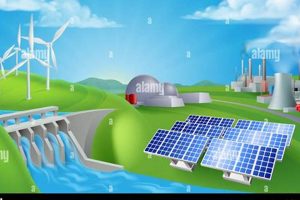
Harnessing naturally replenishing resources like sunlight, wind, water, and geothermal heat to produce electricity or thermal energy offers a sustainable alternative to finite fossil fuels. For example, photovoltaic panels convert sunlight directly into electricity, while hydroelectric dams utilize the potential energy of water stored at height.
This approach to energy production offers significant advantages, including a reduction in greenhouse gas emissions, decreased reliance on volatile global fuel markets, and the creation of new economic opportunities in rural communities. Historically, reliance on these resources has ebbed and flowed, with recent technological advancements and growing environmental awareness driving a resurgence in their utilization.
The following sections delve into the specific technologies, policies, and economic factors driving the growth of sustainable energy production, exploring both the opportunities and challenges inherent in this critical transition.
Tips for Supporting Sustainable Energy Development
The transition to a cleaner energy future requires a multifaceted approach involving individual actions, policy changes, and technological innovation. The following tips offer practical guidance for promoting and supporting sustainable energy development.
Tip 1: Invest in Energy-Efficient Appliances: Choosing appliances with high energy efficiency ratings can significantly reduce household energy consumption and lower electricity bills. Look for labels like Energy Star when making purchasing decisions.
Tip 2: Support Renewable Energy Policies: Advocate for policies that incentivize the development and adoption of sustainable energy technologies. This includes supporting renewable portfolio standards, tax credits, and streamlined permitting processes.
Tip 3: Reduce Energy Consumption: Simple actions like turning off lights when leaving a room, unplugging electronics not in use, and using programmable thermostats can collectively make a substantial difference in overall energy demand.
Tip 4: Explore Community Solar or Wind Projects: Participating in community-based renewable energy projects can provide access to clean energy even for those who cannot install their own systems.
Tip 5: Consider Rooftop Solar or Small-Scale Wind: If feasible, installing rooftop solar panels or a small wind turbine can generate clean energy directly for homes or businesses.
Tip 6: Invest in Sustainable Energy Companies: Supporting companies that develop, manufacture, or install sustainable energy technologies can help drive innovation and market growth.
Tip 7: Educate Yourself and Others: Staying informed about advancements in sustainable energy technologies and sharing this knowledge with others can help raise awareness and encourage broader adoption.
By adopting these practices, individuals and communities can actively contribute to a cleaner, more sustainable energy future. These individual actions, combined with supportive policies and technological innovation, are essential for achieving a successful energy transition.
The concluding section will summarize the key opportunities and challenges associated with the transition to a sustainable energy future.
1. Sustainable Sources

Sustainable sources form the foundation of renewable generation, providing the raw energy that powers these systems. Understanding these sources is crucial for comprehending the potential and limitations of renewable energy technologies. This section explores the key facets of sustainable sources and their connection to renewable generation.
- Solar Energy
Sunlight offers a virtually inexhaustible energy source. Photovoltaic cells and concentrated solar power systems convert sunlight into electricity. The widespread availability of solar energy, even in remote locations, makes it a highly versatile resource for renewable generation. For example, rooftop solar installations can provide power directly to homes and businesses.
- Wind Energy
Kinetic energy from wind drives turbines, generating electricity. Wind farms, both onshore and offshore, harness this energy. While wind resources are geographically dependent, advancements in turbine technology continue to expand the potential of wind energy for renewable generation. Offshore wind farms, for instance, can tap into stronger and more consistent winds.
- Hydropower
The potential energy of water stored at height, such as in dams or reservoirs, is utilized to generate electricity. Hydropower offers a reliable and established technology for renewable generation. However, environmental considerations, such as impacts on river ecosystems, necessitate careful planning and management of hydropower projects. Run-of-river hydropower minimizes environmental impact by using the natural flow of rivers.
- Geothermal Energy
Heat from the Earth’s interior can be accessed to generate electricity or provide direct heating. Geothermal power plants utilize steam or hot water from geothermal reservoirs. While geothermal resources are geographically limited, they offer a consistent and reliable source of renewable generation. Geothermal heat pumps can also provide highly efficient heating and cooling for buildings.
The diversity of sustainable sources offers significant advantages for renewable generation, providing flexibility and resilience in energy systems. Further exploration of these sources, including emerging technologies like wave and tidal power, reveals the vast potential of renewable energy to meet global energy demands sustainably. This diversified approach minimizes reliance on any single resource and enhances energy security.
2. Energy Conversion

Energy conversion represents a critical link between renewable resources and usable energy. The efficiency and effectiveness of these conversion processes directly impact the viability and scalability of renewable generation technologies. Understanding these processes is essential for evaluating the overall performance and potential of renewable energy systems. This section examines key facets of energy conversion within the context of renewable generation.
- Photovoltaic Conversion
Photovoltaic (PV) cells directly convert sunlight into electricity using semiconductor materials. The efficiency of PV cells continues to improve, driving down the cost of solar energy. Rooftop solar installations exemplify the direct application of photovoltaic conversion for renewable generation. Advancements in PV technology, such as thin-film solar cells, expand the applications and reduce the manufacturing costs of solar panels.
- Mechanical Conversion
Wind turbines utilize mechanical conversion, capturing the kinetic energy of wind and transforming it into rotational energy that drives a generator to produce electricity. The size and design of wind turbines influence their efficiency in capturing wind energy. Large-scale wind farms, both onshore and offshore, demonstrate the effective use of mechanical conversion for renewable generation. Improvements in turbine design, such as variable-pitch blades, optimize energy capture in varying wind conditions.
- Gravitational Conversion
Hydroelectric power plants rely on gravitational conversion, harnessing the potential energy of water stored at height. Water released from dams flows through turbines, generating electricity. Pumped hydro storage systems utilize gravitational conversion to store excess energy and release it during peak demand periods. This technology plays a crucial role in grid stability and balancing intermittent renewable sources like solar and wind.
- Thermal Conversion
Geothermal power plants employ thermal conversion, utilizing heat from the Earth’s interior to generate electricity. Steam or hot water from geothermal reservoirs drives turbines. Geothermal heat pumps also use thermal conversion for highly efficient heating and cooling in buildings. Enhanced geothermal systems (EGS) expand the reach of geothermal energy by accessing heat from dry rock formations, broadening the potential for thermal conversion in renewable generation.
The ongoing development and refinement of energy conversion technologies play a crucial role in advancing renewable generation. Improving the efficiency and reducing the cost of these processes enhances the competitiveness and scalability of renewable energy sources. Further research and innovation in energy conversion are essential for achieving a sustainable energy future, unlocking the full potential of renewable resources to meet global energy demands.
3. Environmental Benefits
Renewable generation offers substantial environmental advantages compared to conventional fossil fuel-based power generation. The most significant benefit stems from the reduction of greenhouse gas emissions. Fossil fuel combustion releases substantial amounts of carbon dioxide, a primary driver of climate change. Renewable sources, in contrast, produce little to no greenhouse gases during operation. This reduction in emissions is crucial for mitigating the effects of climate change and transitioning towards a more sustainable energy future. For example, replacing a coal-fired power plant with a wind farm significantly reduces carbon dioxide emissions, contributing to cleaner air and a healthier environment.
Beyond greenhouse gas reductions, renewable generation also minimizes other environmental impacts. Fossil fuel extraction and transportation can lead to habitat destruction, water pollution, and soil contamination. Renewable energy sources generally have a smaller environmental footprint during their lifecycle. Solar and wind farms, while requiring land use, can often be integrated with other land uses, such as agriculture or grazing. Hydropower projects can impact aquatic ecosystems, but careful planning and mitigation measures can minimize these effects. The reduced reliance on fossil fuels also diminishes the risks associated with oil spills and coal ash disposal, further protecting ecosystems and human health. For instance, utilizing abandoned industrial sites for solar installations can revitalize these areas while generating clean energy.
The environmental benefits of renewable generation are integral to its overall value proposition. These benefits extend beyond immediate environmental improvements, contributing to long-term ecological sustainability and human well-being. Addressing the environmental challenges associated with energy production is critical for ensuring a healthy planet for future generations. Transitioning to renewable generation represents a significant step towards achieving this goal, offering a pathway to a cleaner, more sustainable energy future. However, it is crucial to acknowledge that even renewable energy technologies have some environmental impacts, and careful planning and management are essential to minimize these effects and maximize the overall environmental benefits.
4. Technological Advancements

Technological advancements are inextricably linked to the progress and viability of renewable generation. Improvements in materials science, manufacturing processes, and energy storage solutions directly impact the efficiency, cost-effectiveness, and scalability of renewable energy technologies. These advancements drive down the cost of renewable energy, making it increasingly competitive with conventional fossil fuels. For example, advancements in photovoltaic cell technology have led to significant increases in solar panel efficiency and a dramatic reduction in their cost, enabling wider adoption of solar energy. Similarly, advancements in wind turbine design, such as larger rotor diameters and improved blade aerodynamics, allow for more efficient capture of wind energy, even in areas with lower wind speeds. Furthermore, developments in energy storage technologies, such as advanced battery systems and pumped hydro storage, address the intermittency challenges associated with some renewable sources, enabling more reliable and consistent power delivery.
The practical significance of these technological advancements extends beyond cost reductions and improved efficiency. They also contribute to enhanced grid stability, reduced reliance on fossil fuel imports, and the creation of new economic opportunities in the renewable energy sector. For instance, the development of smart grids, incorporating advanced sensors and communication technologies, enables more efficient integration of renewable energy sources into the electricity grid, optimizing power distribution and minimizing transmission losses. Moreover, advancements in energy storage technologies enable greater grid flexibility and reliability, facilitating the transition to a higher penetration of renewable energy. The growth of the renewable energy industry also stimulates innovation and creates jobs in manufacturing, installation, maintenance, and research, contributing to economic growth and diversification.
Continued technological advancements are essential for realizing the full potential of renewable generation. Addressing challenges such as improving energy storage capacity, developing more efficient conversion technologies, and integrating renewable energy sources seamlessly into existing infrastructure requires ongoing research and innovation. Overcoming these challenges will pave the way for a more sustainable energy future, reducing reliance on fossil fuels and mitigating the impacts of climate change. The progress achieved thus far demonstrates the transformative power of technological advancements in the renewable energy sector, and continued investment in research and development will be crucial for accelerating the transition to a cleaner and more sustainable energy system.
5. Economic Opportunities
Renewable generation presents significant economic opportunities across various sectors, driving job creation, stimulating investment, and fostering economic diversification. The transition to renewable energy sources necessitates the development and deployment of new technologies, creating demand for skilled labor in manufacturing, installation, maintenance, and research. For example, the growth of the solar industry has led to a substantial increase in jobs related to solar panel manufacturing, installation, and maintenance. Similarly, the wind energy sector requires skilled technicians for turbine installation, operation, and repair. This demand for skilled labor stimulates economic growth and provides employment opportunities in both urban and rural areas, particularly in communities impacted by the decline of traditional fossil fuel industries. Furthermore, investments in renewable energy projects generate economic activity throughout the supply chain, from raw material extraction to component manufacturing and project development. This investment stimulates local economies and contributes to overall economic growth.
Beyond direct job creation, renewable generation also fosters economic diversification and enhances energy independence. By reducing reliance on imported fossil fuels, countries can strengthen their energy security and reduce vulnerability to volatile global energy markets. Investing in domestic renewable energy resources creates a more resilient and sustainable energy system, shielding economies from the fluctuations of international fuel prices. This energy independence also reduces the outflow of capital to foreign energy producers, keeping more financial resources within the local economy. Moreover, the development of renewable energy technologies fosters innovation and technological advancements, creating new export opportunities and enhancing national competitiveness in the global clean energy market. For instance, countries with advanced renewable energy technologies can export their expertise and products to other nations seeking to transition to cleaner energy sources, generating revenue and promoting economic growth.
The economic benefits of renewable generation are integral to its overall value proposition, extending beyond environmental advantages to encompass job creation, economic diversification, and enhanced energy security. Realizing the full economic potential of renewable energy requires supportive policies, targeted investments, and ongoing technological innovation. Addressing challenges such as grid integration, energy storage, and workforce development is crucial for maximizing the economic benefits of the clean energy transition. By fostering a supportive policy environment and investing in research and development, governments can unlock the economic opportunities associated with renewable generation, creating a more sustainable and prosperous future.
Frequently Asked Questions about Renewable Generation
This section addresses common inquiries regarding renewable generation, aiming to provide clear and concise information.
Question 1: What are the primary types of renewable generation technologies?
The most prevalent forms include solar, wind, hydro, geothermal, and biomass energy. Each harnesses a different naturally replenishing resource to generate power.
Question 2: How does renewable generation contribute to environmental sustainability?
Renewable generation significantly reduces reliance on finite fossil fuels, mitigating greenhouse gas emissions and promoting cleaner air and water. This contributes substantially to combating climate change and preserving ecosystems.
Question 3: What are the economic implications of transitioning to renewable generation?
Shifting to renewable energy creates new industries and employment opportunities in manufacturing, installation, maintenance, and research. It also stimulates investment and fosters economic diversification.
Question 4: What are the key challenges facing the widespread adoption of renewable generation?
Intermittency of certain renewable sources like solar and wind, grid integration complexities, energy storage limitations, and initial capital costs represent significant hurdles.
Question 5: How do government policies influence the development of renewable generation?
Government incentives, such as tax credits, subsidies, and renewable portfolio standards, play a crucial role in promoting investment and accelerating the adoption of renewable energy technologies.
Question 6: What role does energy storage play in maximizing the effectiveness of renewable generation?
Energy storage technologies, like batteries and pumped hydro, address the intermittent nature of renewable sources, enabling a more consistent and reliable power supply and facilitating greater grid stability.
Understanding the benefits and challenges associated with renewable generation is crucial for informed decision-making and effective policy implementation. Continued research, technological advancements, and supportive policies are essential for maximizing the potential of renewable energy to meet global energy demands sustainably.
The subsequent section will delve into specific case studies of successful renewable generation projects worldwide.
Conclusion
Renewable generation offers a multifaceted solution to the pressing challenges of climate change and energy security. Exploration of this topic has revealed the diverse range of technologies available, from established sources like hydropower and wind to rapidly evolving solar and geothermal systems. The environmental benefits of reduced greenhouse gas emissions and minimized ecological impact are undeniable. Furthermore, the economic opportunities associated with renewable generation, including job creation, investment stimulation, and enhanced energy independence, are substantial. However, addressing the inherent challenges, such as intermittency, grid integration, and energy storage limitations, remains crucial for widespread adoption.
The transition to a sustainable energy future necessitates a concerted effort across all sectors. Continued technological advancements, supportive government policies, and increased public awareness are essential for realizing the full potential of renewable generation. The future of energy lies in embracing these sustainable solutions, ensuring a cleaner, more secure, and prosperous future for generations to come. The choices made today will determine the energy landscape of tomorrow, underscoring the urgency and importance of embracing renewable generation as a cornerstone of a sustainable energy strategy.