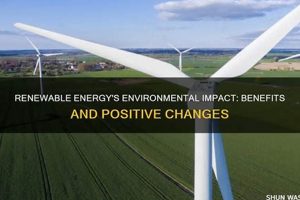
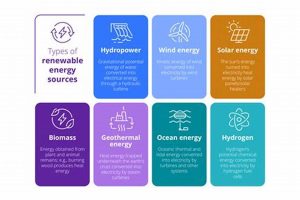
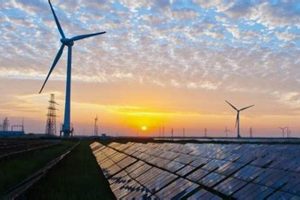
Harnessing power from sources like solar, wind, hydro, and biomass is vital to the nation’s energy security and sustainable development. For instance, large solar parks in Rajasthan and Gujarat contribute significantly to the national grid, while wind farms across the country, notably in Tamil Nadu, capture the power of the wind. Decentralized renewable energy systems also play a crucial role, empowering rural communities with access to clean and reliable power.
This shift towards sustainable power generation offers multiple advantages, including reduced reliance on fossil fuels, decreased greenhouse gas emissions, improved air quality, and the creation of new employment opportunities in the green energy sector. Historically, energy access has been a challenge. The pursuit of sustainable sources addresses this challenge while mitigating the environmental impact of traditional energy production. This commitment to sustainability aligns with global efforts to combat climate change and fosters a healthier environment for future generations.
This exploration will delve deeper into the specific technologies driving this transformation, the policy landscape fostering growth, the challenges faced by the sector, and the future prospects for continued expansion and innovation in sustainable power solutions across the country.
Tips for Supporting Sustainable Power Growth
Promoting the expansion of clean energy sources requires a multifaceted approach involving policy support, technological advancements, and public awareness. The following tips offer practical guidance for stakeholders at all levels.
Tip 1: Invest in Research and Development: Continued innovation in renewable energy technologies is crucial for enhancing efficiency and reducing costs. Investing in research and development, particularly in areas like energy storage and smart grid technologies, can accelerate the transition to a cleaner energy future.
Tip 2: Streamline Regulatory Processes: Simplifying approval processes for renewable energy projects can significantly reduce development timelines and encourage greater investment in the sector. Clear and consistent regulations are essential for fostering a stable and predictable market environment.
Tip 3: Promote Public Awareness: Educating the public about the benefits of renewable energy can build broader support for its adoption. Public awareness campaigns can highlight the positive impacts on the environment, public health, and the economy.
Tip 4: Encourage Community Participation: Engaging local communities in renewable energy projects can foster ownership and ensure that the benefits are shared equitably. Community-based renewable energy initiatives can empower local residents and create sustainable livelihoods.
Tip 5: Foster International Collaboration: Sharing best practices and collaborating with international partners can accelerate the development and deployment of renewable energy technologies. International cooperation can facilitate access to expertise, funding, and advanced technologies.
Tip 6: Develop Skilled Workforce: Training and education programs focused on renewable energy technologies can equip individuals with the skills needed to support the growing industry. A skilled workforce is essential for the installation, operation, and maintenance of renewable energy systems.
Tip 7: Support Grid Modernization: Investing in grid modernization is crucial for integrating renewable energy sources effectively. Smart grid technologies can improve grid stability, optimize energy distribution, and enhance the reliability of renewable power.
By adopting these strategies, significant progress can be made toward a cleaner, more sustainable energy future. These collective efforts will contribute to a more resilient energy infrastructure, a healthier environment, and a stronger economy.
The transition to sustainable power sources requires a sustained commitment from all stakeholders. The following concluding remarks will summarize the key opportunities and challenges for the sector’s continued growth.
1. Solar Power Expansion

Solar power expansion represents a cornerstone of India’s renewable energy production growth. The country’s abundant solar resource, coupled with decreasing technology costs and supportive government policies, has positioned solar as a key driver of the nation’s sustainable energy transition. This focus on solar energy contributes significantly to reducing reliance on fossil fuels and mitigating climate change impacts.
- Large-Scale Solar Parks
India has commissioned numerous large-scale solar parks, such as the Bhadla Solar Park and the Pavagada Solar Park, which are among the largest in the world. These projects contribute significantly to national grid capacity, demonstrating the scalability and impact of solar power in transforming the energy landscape.
- Rooftop Solar Installations
Rooftop solar installations are rapidly gaining traction, offering decentralized power generation for residential, commercial, and industrial consumers. Government incentives and net metering policies encourage the adoption of rooftop solar, empowering individuals and businesses to contribute to renewable energy production.
- Technological Advancements
Continuous advancements in solar photovoltaic (PV) technology, including improved efficiency and reduced manufacturing costs, have made solar power increasingly competitive with conventional energy sources. Research and development efforts further enhance the potential of solar energy to meet growing energy demands.
- Policy and Regulatory Framework
Supportive government policies, including feed-in tariffs, tax incentives, and renewable purchase obligations, have played a crucial role in accelerating solar power deployment. These policies provide a stable investment environment and encourage private sector participation in the solar energy sector.
These facets of solar power expansion demonstrate its pivotal role in India’s renewable energy production landscape. The continued growth of solar energy capacity is essential for achieving the nation’s ambitious renewable energy targets and ensuring a sustainable energy future. This expansion not only contributes to reducing carbon emissions but also fosters economic growth and energy security.
2. Wind Energy Growth

Wind energy represents a significant and growing component of India’s renewable energy production. Leveraging the country’s diverse geographical features, including extensive coastlines and elevated terrains, wind power plays a crucial role in diversifying the energy mix and reducing reliance on fossil fuels. This sector’s development contributes substantially to national energy security and environmental sustainability goals.
- Onshore Wind Farms
India boasts substantial onshore wind capacity, concentrated primarily in states like Tamil Nadu, Gujarat, and Maharashtra. These wind farms, comprising numerous wind turbines, harness the kinetic energy of wind to generate electricity, contributing significantly to the national grid and reducing carbon emissions.
- Offshore Wind Potential
India possesses significant untapped potential in offshore wind energy. Harnessing the stronger and more consistent winds available offshore presents an opportunity to further expand wind power generation capacity. Exploration and development of offshore wind projects are gaining momentum, promising substantial contributions to future energy production.
- Technological Advancements
Advancements in wind turbine technology, including larger rotor diameters and improved efficiency, are enhancing the capacity factor of wind farms. These technological advancements contribute to increased power output and reduced costs, making wind energy increasingly competitive with conventional power sources.
- Policy and Regulatory Support
Government policies, such as wind energy feed-in tariffs and renewable energy certificates, provide incentives for investment in the wind energy sector. These policies create a favorable market environment, encouraging private sector participation and driving the growth of wind power capacity.
The continued growth of wind energy capacity is essential for India’s transition to a sustainable energy future. Wind power, alongside other renewable energy sources, contributes significantly to reducing greenhouse gas emissions, enhancing energy security, and creating economic opportunities in the renewable energy sector. The ongoing development and integration of wind energy into the national grid are crucial for achieving the nation’s renewable energy targets and fostering a cleaner, more sustainable energy landscape.
3. Hydropower Contribution

Hydropower represents a significant and established component of India’s renewable energy production. Leveraging the nation’s river systems and topography, hydropower plants contribute substantially to the country’s electricity generation capacity. This reliance on hydropower plays a crucial role in meeting baseload power demand and balancing the intermittency of other renewable energy sources like solar and wind. Major hydropower projects, such as the Tehri Dam and the Koyna Hydroelectric Project, exemplify the scale and impact of hydropower on India’s energy landscape. These projects not only generate substantial electricity but also contribute to water management and irrigation, showcasing the multifaceted benefits of hydropower development.
The integration of hydropower with other renewable energy sources is crucial for optimizing grid stability and reliability. Hydropower’s ability to provide dispatchable power, meaning it can be adjusted to meet fluctuating demand, complements the intermittent nature of solar and wind power. Pumped hydro storage, a technology that utilizes excess renewable energy to pump water uphill for later release to generate electricity, further enhances grid flexibility and integration of variable renewable sources. This strategic combination of hydropower with other renewable energy technologies enables a more resilient and sustainable power system, reducing reliance on fossil fuels and mitigating climate change impacts.
Despite its significance, hydropower development faces challenges related to environmental and social impacts, including displacement of communities and alteration of river ecosystems. Balancing the benefits of hydropower with these potential impacts requires careful planning, environmental impact assessments, and stakeholder engagement. Sustainable hydropower development, incorporating mitigation measures and considering ecological and social factors, is essential for ensuring the long-term viability and positive contribution of hydropower to India’s renewable energy production. Addressing these challenges effectively will enable hydropower to continue playing a crucial role in the nation’s sustainable energy transition.
4. Biomass Utilization
Biomass utilization constitutes a significant component of India’s renewable energy production, offering a sustainable pathway to leverage agricultural residues, organic waste, and dedicated energy crops for power generation. This approach not only diversifies energy sources but also contributes to waste management and rural development. Biomass energy offers a valuable opportunity to reduce reliance on fossil fuels and mitigate environmental impacts, particularly in rural communities.
- Agricultural Residue Power Generation
Agricultural residues, such as rice husk, sugarcane bagasse, and cotton stalks, represent a substantial biomass resource in India. These residues can be utilized in power plants to generate electricity, providing a sustainable alternative to fossil fuels and reducing agricultural waste burning, a major source of air pollution. This practice also creates income opportunities for farmers and contributes to rural economic development.
- Biogas Production
Biogas, produced through anaerobic digestion of organic matter like animal manure and food waste, serves as a clean cooking fuel and can also be used for electricity generation. Biogas digesters, particularly in rural areas, provide a sustainable solution for waste management, improve sanitation, and offer a renewable energy source for households and communities.
- Biofuel Production
Biofuels, derived from biomass sources like jatropha and algae, offer a renewable alternative to conventional transportation fuels. Promoting biofuel production can reduce dependence on imported fossil fuels, mitigate greenhouse gas emissions from the transportation sector, and create opportunities for rural development and employment.
- Technological Advancements and Policy Support
Advancements in biomass gasification and pyrolysis technologies enhance the efficiency and versatility of biomass utilization for energy production. Government policies, including subsidies and incentives for biomass power projects, play a crucial role in fostering the growth of this sector and encouraging wider adoption of biomass energy solutions. These initiatives support the development of sustainable bioenergy value chains and contribute to achieving renewable energy targets.
Biomass utilization represents a crucial element of India’s renewable energy portfolio, offering a pathway to sustainable development by integrating energy production with waste management and rural economic empowerment. By effectively leveraging biomass resources, the nation can further diversify its energy mix, reduce reliance on fossil fuels, mitigate climate change impacts, and enhance energy security, particularly in rural areas where access to reliable and sustainable energy remains a critical need. The continued development and integration of biomass energy solutions are essential for achieving a cleaner, more resilient, and equitable energy future for all.
5. Policy and Investment

Policy and investment are crucial drivers of growth in India’s renewable energy production. Supportive government policies create a favorable environment for investment, innovation, and deployment of renewable energy technologies. Attracting both domestic and international investment is essential for scaling up renewable energy projects and achieving national renewable energy targets. The interplay between policy and investment directly impacts the sector’s trajectory and its contribution to sustainable development.
- Renewable Purchase Obligations (RPOs)
RPOs mandate that electricity distribution companies procure a certain percentage of their electricity from renewable sources. This policy instrument creates demand for renewable energy, encouraging investment in renewable energy projects and driving capacity additions. The enforcement of RPOs has been instrumental in stimulating market growth and ensuring consistent progress toward renewable energy targets.
- Feed-in Tariffs (FITs)
FITs provide a guaranteed price for renewable energy fed into the grid, offering price stability and encouraging investment in renewable energy projects. While FITs have been effective in the early stages of renewable energy development, they are gradually being replaced by competitive bidding mechanisms as the sector matures and costs decline. This transition reflects the increasing competitiveness of renewable energy technologies.
- Tax Incentives and Subsidies
Tax incentives, such as accelerated depreciation and tax holidays, reduce the financial burden on renewable energy projects, making them more attractive to investors. Subsidies on capital costs and interest rates further enhance the financial viability of renewable energy investments, stimulating private sector participation and accelerating deployment. These financial instruments play a crucial role in driving growth across the renewable energy sector.
- International Climate Finance
International climate finance, through mechanisms like the Green Climate Fund and bilateral agreements, provides financial support for renewable energy projects in developing countries, including India. Accessing international climate finance is crucial for scaling up renewable energy deployment and achieving ambitious climate change mitigation targets. These financial resources supplement domestic investment and accelerate the transition to a low-carbon economy.
The effectiveness of policy and investment mechanisms in driving India’s renewable energy production is evident in the significant capacity additions witnessed in recent years across various renewable energy technologies. Continued policy support, innovative financing mechanisms, and a stable investment environment are essential for sustaining this growth trajectory and achieving the nation’s long-term renewable energy goals. The strategic alignment of policy and investment will determine the sector’s success in driving sustainable development and contributing to a cleaner energy future.
Frequently Asked Questions
This section addresses common inquiries regarding the development and utilization of sustainable power sources within the country.
Question 1: What is the current contribution of renewable energy sources to India’s total electricity generation capacity?
Renewable energy sources, including solar, wind, hydro, and biomass, currently constitute a substantial portion of India’s total installed electricity generation capacity, and their contribution is continuously increasing as new projects are commissioned and grid integration expands.
Question 2: What are the key government targets for renewable energy capacity addition in the coming years?
The government has set ambitious targets for renewable energy capacity addition, aiming to significantly increase the share of renewable energy in the overall energy mix by the end of the decade. These targets drive policy initiatives and investment decisions in the renewable energy sector.
Question 3: How does the cost of renewable energy compare with that of conventional fossil fuel-based power generation?
The cost of renewable energy, particularly solar and wind, has decreased significantly in recent years, making it increasingly competitive with conventional fossil fuel-based power generation. In many cases, renewable energy is now cost-competitive or even cheaper than fossil fuels, driving further adoption and investment.
Question 4: What are the major challenges facing the renewable energy sector in India?
Challenges include land acquisition, grid integration, financing, and ensuring a skilled workforce. Addressing these challenges effectively is crucial for sustained growth and realizing the full potential of renewable energy.
Question 5: How does renewable energy development contribute to job creation and economic growth?
Renewable energy development creates numerous employment opportunities across the value chain, from manufacturing and installation to operation and maintenance. This sector’s growth contributes significantly to economic development, particularly in rural areas.
Question 6: What role does international cooperation play in advancing India’s renewable energy goals?
International cooperation facilitates technology transfer, knowledge sharing, and access to climate finance, accelerating the deployment of renewable energy technologies and supporting India’s transition to a sustainable energy future.
Understanding these aspects is crucial for informed decision-making and effective participation in the ongoing transition to a sustainable energy future. Addressing these frequently asked questions provides clarity on key aspects of the renewable energy landscape and its role in shaping a cleaner, more secure, and sustainable energy future for generations to come.
Further exploration of specific renewable energy technologies will provide deeper insights into their unique contributions and potential.
India’s Renewable Energy Production
This exploration has examined the multifaceted landscape of renewable energy production within India, encompassing solar, wind, hydro, and biomass resources. Key drivers, including supportive government policies, declining technology costs, and increasing investor interest, have propelled significant growth in the sector. The analysis has highlighted the crucial role of renewable energy in addressing energy security concerns, mitigating climate change impacts, and fostering sustainable economic development. Overcoming challenges related to grid integration, land acquisition, and financing remains critical for realizing the full potential of these resources.
The transition to a sustainable energy future requires sustained commitment, ongoing innovation, and collaborative efforts across all stakeholders. Continued investment in research and development, coupled with policy frameworks that encourage private sector participation, will be essential for ensuring long-term growth and maximizing the socio-economic benefits of renewable energy production. The pursuit of sustainable power solutions is not merely an environmental imperative but a strategic necessity for ensuring a secure, prosperous, and sustainable future for generations to come.