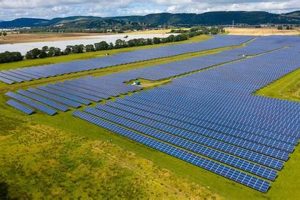
The study of natural systems and human impact upon them provides a crucial foundation for developing sustainable energy solutions. For example, understanding ecosystem dynamics informs the placement and management of wind farms to minimize disruption to wildlife, while the study of atmospheric chemistry is essential for assessing the impact of different energy sources on air quality. The development and implementation of sustainable power sources, like solar, wind, hydro, and geothermal, offers a pathway towards reducing reliance on fossil fuels.
Transitioning to sustainable practices offers significant advantages, including reduced greenhouse gas emissions, decreased air and water pollution, and enhanced energy security. Historically, energy production has relied heavily on finite resources with detrimental environmental consequences. The growing awareness of these consequences has spurred research and development in sustainable energy technologies, leading to significant advancements in efficiency and affordability.
This discussion will further explore specific sustainable energy technologies, their environmental impact, and the challenges and opportunities associated with their widespread adoption. It will also delve into the role of policy and public awareness in fostering a sustainable energy future.
Tips for Sustainable Practices
Implementing sustainable practices requires a multifaceted approach encompassing individual actions, community initiatives, and policy changes. The following tips offer practical guidance for contributing to a more sustainable future.
Tip 1: Reduce Energy Consumption: Simple changes in daily habits can significantly reduce energy use. Examples include lowering thermostat settings, using energy-efficient appliances, and minimizing reliance on private vehicles.
Tip 2: Support Sustainable Businesses: Choosing products and services from companies committed to environmental responsibility encourages wider adoption of sustainable practices. Look for certifications and labels indicating sustainable sourcing and manufacturing processes.
Tip 3: Advocate for Policy Changes: Supporting policies that promote sustainable energy development and incentivize responsible resource management is crucial for systemic change. Contacting elected officials and participating in public forums can amplify the call for sustainable practices.
Tip 4: Invest in Renewable Energy: Exploring opportunities to invest in renewable energy projects, such as community solar or wind farms, directly supports the growth of the sustainable energy sector.
Tip 5: Educate and Engage: Sharing information about sustainable practices with friends, family, and colleagues raises awareness and encourages broader participation in building a sustainable future.
Tip 6: Minimize Waste: Reducing, reusing, and recycling materials minimizes landfill waste and conserves resources. Composting organic waste reduces methane emissions and creates nutrient-rich soil.
Tip 7: Conserve Water: Implementing water-efficient practices, such as fixing leaks, installing low-flow fixtures, and practicing mindful landscaping, conserves a precious resource.
By adopting these tips, individuals and communities can contribute to a more sustainable future, mitigating environmental impact and fostering a healthier planet.
The transition to a sustainable future requires collective action and a commitment to responsible resource management. The following conclusion will summarize key takeaways and offer a vision for the path forward.
1. Ecosystem Impacts

Ecosystem impacts represent a crucial consideration within the development and implementation of renewable energy technologies. Understanding these impacts, through the lens of environmental science, is essential for ensuring sustainable practices. The transition from fossil fuels to renewable energy sources offers substantial environmental benefits, but careful analysis and mitigation strategies are necessary to minimize unintended consequences for ecosystems.
For example, hydroelectric dams, while providing a renewable energy source, can alter river flow regimes, impacting aquatic habitats and fish migration patterns. Wind turbine placement requires careful consideration of bird and bat migration routes to minimize collision risks. Solar farms, while generally having a lower environmental impact, can still affect land use and local ecosystems. Life cycle assessments, a key tool in environmental science, help evaluate the overall ecological footprint of different renewable energy technologies, from resource extraction to decommissioning, allowing for informed decision-making.
Understanding these complex interactions is crucial for developing mitigation strategies. This includes careful site selection for renewable energy projects, implementing technologies to reduce environmental impact, and ongoing monitoring of ecosystems. Environmental science provides the framework for assessing and addressing these challenges, guiding the development and deployment of renewable energy in a way that minimizes ecological disruption and maximizes sustainability. This understanding ultimately fosters a more balanced approach to energy production, promoting both human progress and environmental stewardship.
2. Resource Availability

Resource availability plays a critical role in the feasibility and sustainability of renewable energy systems. Environmental science provides the tools and methodologies to assess resource potential, analyze extraction and processing impacts, and guide the development of responsible resource management strategies. The availability of resources such as sunlight, wind, water, and geothermal energy dictates the viability of specific renewable technologies in different geographic locations. For example, regions with high solar irradiance are ideal for solar power generation, while areas with consistent wind patterns are suitable for wind farms. Furthermore, the materials required for manufacturing renewable energy technologies, such as rare earth minerals for wind turbine magnets and silicon for solar panels, must be considered. Their availability, along with the environmental and social impacts of their extraction and processing, influences the overall sustainability of these technologies.
Understanding the lifecycle of resources used in renewable energy systems is crucial for informed decision-making. Life cycle assessments, a core component of environmental science, evaluate the environmental impacts associated with every stage of a product’s life, from raw material extraction to manufacturing, use, and disposal. This analysis helps identify potential bottlenecks, environmental trade-offs, and opportunities for improvement in resource efficiency and sustainability. For instance, assessing the water usage and potential for water contamination associated with lithium extraction for batteries used in electric vehicles, which are often powered by renewable energy, informs strategies for responsible sourcing and water management. Similarly, analyzing the land use change associated with large-scale solar farms guides sustainable land management practices.
Sustainable resource management is essential for ensuring the long-term viability of renewable energy. This requires strategies that minimize environmental impact, promote resource efficiency, and consider social and economic factors. Circular economy principles, such as reducing material consumption, reusing components, and recycling materials, can minimize waste and reduce pressure on resource extraction. Furthermore, diversification of resource portfolios and the development of alternative materials can reduce reliance on specific resources and enhance resilience to supply chain disruptions. Ultimately, a holistic approach that integrates environmental science, resource management, and technological innovation is crucial for realizing the full potential of renewable energy in a sustainable and equitable manner.
3. Technological Advancements
Technological advancements are intrinsically linked to the progress and efficacy of renewable energy solutions, driven by the insights and methodologies of environmental science. This synergistic relationship fuels continuous improvement in efficiency, cost-effectiveness, and environmental performance. Environmental science identifies key challenges and opportunities, such as the need for more efficient solar panels or improved energy storage solutions. These insights guide research and development efforts, leading to technological breakthroughs that address these specific needs. For example, advancements in materials science have led to the development of perovskite solar cells, which offer the potential for higher efficiencies and lower manufacturing costs compared to traditional silicon-based cells. Similarly, advancements in battery technology are crucial for addressing the intermittency of renewable energy sources like solar and wind, enabling more reliable and stable power grids.
The practical significance of these advancements extends beyond improved performance and cost reductions. They also contribute to reducing the environmental impact of energy production. For instance, the development of more efficient wind turbines reduces the number of turbines required to generate a given amount of energy, minimizing land use and potential impacts on wildlife. Advancements in biofuel production technologies are focusing on utilizing non-food crops and waste materials, reducing competition with food production and promoting more sustainable land management practices. Furthermore, sophisticated monitoring and control systems, enabled by advances in sensor technology and data analytics, optimize the performance of renewable energy systems, maximizing energy output and minimizing environmental impact.
Continued technological advancements are essential for addressing the remaining challenges associated with widespread renewable energy adoption. These challenges include improving energy storage capacity, developing smart grids to manage the intermittent nature of renewable sources, and reducing the environmental impact of manufacturing and disposing of renewable energy technologies. The interplay between environmental science and technological innovation will remain crucial for driving progress in these areas, paving the way for a sustainable and resilient energy future. This ongoing collaboration will not only enhance the performance and affordability of renewable energy technologies but also minimize their environmental footprint, ensuring a harmonious balance between human energy needs and ecological health.
4. Policy Frameworks

Policy frameworks play a crucial role in shaping the development and deployment of renewable energy technologies, guided by the principles and findings of environmental science. Effective policies create an enabling environment for the transition to a sustainable energy future by incentivizing investment, promoting innovation, and addressing market barriers. Environmental science provides the scientific basis for informed policymaking, offering data-driven insights into the environmental impacts of different energy sources, the potential of renewable energy resources, and the effectiveness of various mitigation strategies. This interplay between science and policy is essential for creating effective and sustainable energy policies. For example, the establishment of carbon pricing mechanisms, such as carbon taxes or cap-and-trade systems, is informed by scientific assessments of the environmental and economic costs of carbon emissions. Feed-in tariffs, which guarantee a fixed price for renewable energy fed into the grid, are designed based on scientific analyses of the cost of renewable energy generation and the potential for market growth. Renewable portfolio standards, which mandate a certain percentage of electricity generation from renewable sources, are grounded in scientific assessments of renewable energy potential and the need for emissions reductions.
The practical significance of this connection lies in its ability to drive real-world change. Well-designed policies, informed by sound science, can accelerate the adoption of renewable energy technologies, stimulate economic growth in the renewable energy sector, and reduce greenhouse gas emissions. For example, policies supporting the development of electric vehicle charging infrastructure can accelerate the transition to electric mobility, reducing reliance on fossil fuels in the transportation sector. Tax incentives for energy efficiency upgrades in buildings can encourage homeowners and businesses to reduce their energy consumption, lowering overall energy demand and promoting energy conservation. International collaborations and agreements, such as the Paris Agreement, provide a framework for global cooperation on climate change mitigation and adaptation, guided by scientific assessments of the global climate system and the impacts of human activities.
Creating effective and sustainable energy policies requires a continuous dialogue between policymakers, scientists, industry stakeholders, and the public. Addressing challenges such as grid integration, energy storage, and the intermittency of renewable energy sources requires innovative policy solutions informed by scientific advancements. Furthermore, ensuring equitable access to clean energy and managing the social and economic impacts of the energy transition requires careful consideration of social equity and environmental justice principles. A robust and adaptive policy framework, grounded in environmental science and responsive to evolving technological and societal needs, is crucial for realizing the full potential of renewable energy and creating a sustainable energy future.
5. Societal Acceptance

Societal acceptance forms a cornerstone of successful renewable energy integration. While environmental science and engineering provide the technological and scientific underpinnings for sustainable energy systems, their widespread adoption hinges on public perception, support, and engagement. This intricate relationship between societal acceptance and renewable energy deployment operates on multiple levels, influencing everything from individual choices to national policy decisions. Understanding the drivers and barriers to societal acceptance is crucial for effective communication, policy development, and ultimately, the successful transition to a sustainable energy future. For instance, community-owned wind farms often garner greater local support than projects developed by external corporations, highlighting the importance of inclusive development processes. Similarly, public perception of the aesthetic impact of solar farms can significantly influence their siting and permitting processes. Negative perceptions, often rooted in misinformation or lack of awareness, can lead to project delays or cancellations, hindering the progress of renewable energy development.
Several factors influence societal acceptance. Trust in scientific information, perceived economic benefits, concerns about environmental impacts, and cultural values all play a role. Effective communication strategies that address these factors are essential for building public support. Transparent engagement with communities, educational campaigns that address misconceptions, and demonstrable economic benefits, such as job creation and reduced energy costs, can foster greater acceptance. Furthermore, addressing potential negative impacts, such as visual impacts or noise pollution, through careful planning and mitigation strategies can build trust and alleviate concerns. The practical significance of this understanding lies in its ability to inform the design and implementation of renewable energy projects that are both environmentally sound and socially acceptable. Successful projects often incorporate community engagement from the outset, ensuring that local concerns are addressed and that the benefits of renewable energy are shared equitably. For example, some solar farm developments incorporate pollinator habitats or agricultural activities alongside energy generation, maximizing land use and providing additional benefits to the community.
Cultivating societal acceptance requires ongoing effort and collaboration among scientists, policymakers, industry stakeholders, and community members. Addressing the complex interplay of scientific, economic, social, and cultural factors that influence public perception is essential for accelerating the transition to a sustainable energy future. Overcoming barriers to societal acceptance, such as misinformation and NIMBYism (Not In My Backyard), requires targeted communication strategies and inclusive engagement processes. Ultimately, a shared understanding of the benefits of renewable energy, coupled with transparent and participatory decision-making processes, is crucial for building a sustainable and equitable energy future for all. This underscores the interconnectedness of societal acceptance with the broader goals of environmental science and renewable energy, emphasizing the importance of human factors in achieving a sustainable and resilient energy system.
Frequently Asked Questions
This section addresses common inquiries regarding the intersection of environmental science and renewable energy, aiming to provide clear and concise information.
Question 1: How does environmental science inform the development of renewable energy technologies?
Environmental science provides crucial data on the potential environmental impacts of different energy sources, guiding the development of renewable energy technologies that minimize ecological disruption. This includes assessing factors such as land use change, water consumption, and potential impacts on wildlife.
Question 2: What are the key environmental benefits of transitioning to renewable energy?
Transitioning to renewable energy sources offers significant environmental benefits, including reduced greenhouse gas emissions, decreased air and water pollution, and reduced reliance on finite fossil fuel resources. These benefits contribute to mitigating climate change and improving overall environmental quality.
Question 3: What are some of the challenges associated with implementing renewable energy systems?
Challenges associated with renewable energy implementation include the intermittency of some renewable sources (like solar and wind), the need for robust energy storage solutions, and the environmental impacts of manufacturing and disposing of renewable energy technologies. Addressing these challenges requires ongoing research and innovation.
Question 4: How do government policies influence the adoption of renewable energy?
Government policies, such as tax incentives, subsidies, and renewable portfolio standards, play a crucial role in incentivizing the adoption of renewable energy technologies. Supportive policy frameworks can accelerate the market growth of renewable energy and create a favorable investment climate.
Question 5: What role does public perception play in the transition to renewable energy?
Public perception and acceptance are crucial for the successful integration of renewable energy. Addressing public concerns, promoting education and awareness, and fostering community engagement are essential for building support for renewable energy projects.
Question 6: How does the study of environmental science contribute to sustainable resource management in the context of renewable energy?
Environmental science provides the tools and methodologies for assessing the environmental impacts of resource extraction and processing for renewable energy technologies. This informs the development of sustainable resource management practices that minimize ecological disruption and promote responsible resource utilization.
Understanding the complex interactions between environmental science and renewable energy is crucial for navigating the path towards a sustainable energy future. Addressing the challenges and opportunities associated with this transition requires ongoing research, innovation, and collaboration among scientists, policymakers, industry stakeholders, and the public.
The following section will explore specific case studies of successful renewable energy integration, highlighting the practical applications of these principles.
Conclusion
Exploration of the interplay between environmental science and renewable energy reveals a critical pathway toward a sustainable future. Analysis has highlighted the importance of understanding ecosystem impacts, resource availability, technological advancements, policy frameworks, and societal acceptance in facilitating a transition to renewable energy sources. Minimizing environmental harm through careful site selection and ongoing monitoring, coupled with sustainable resource management practices, is paramount. Technological innovation remains crucial for improving efficiency, reducing costs, and minimizing the environmental footprint of renewable energy systems. Effective policy frameworks, informed by scientific understanding, incentivize adoption and create a supportive market environment. Finally, fostering societal acceptance through education, engagement, and equitable benefit-sharing ensures successful integration of renewable energy into existing infrastructure and social structures.
The transition to renewable energy represents not merely a technological shift, but a fundamental reimagining of human interaction with the environment. Continued investment in research, development, and implementation, informed by rigorous environmental science, holds the key to mitigating climate change and securing a sustainable energy future. The challenge lies in fostering collaborative efforts across disciplines and sectors to navigate the complexities of this transition and unlock the full potential of renewable energy for generations to come.