



The application of analytical techniques to information gathered from renewable energy sources like solar, wind, and hydro power offers significant advantages. For instance, analyzing wind turbine sensor data can predict maintenance needs,... Read more »
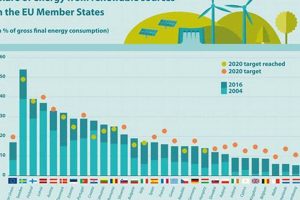
The intersection of advanced analytical techniques and sustainable power generation represents a crucial area of development for a greener future. For example, predictive modeling can optimize wind farm layouts for maximum energy... Read more »

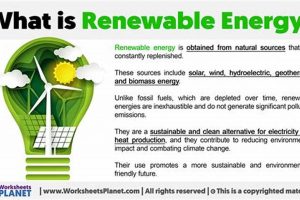
The field encompassing naturally replenished energy sources, such as solar, wind, and geothermal power, focuses on understanding their continuous availability. These sources are differentiated from finite resources, like fossil fuels, by their... Read more »
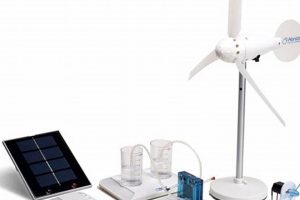
Educational resources focused on sustainable power sources typically include experimental apparatuses for hands-on learning about solar, wind, and hydroelectric power generation. These kits often contain components like miniature wind turbines, solar panels,... Read more »
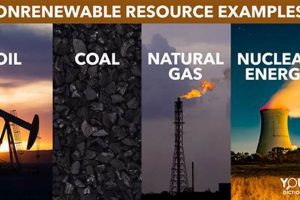
The scientific characterization of finite natural materials, where the rate of consumption exceeds the rate of natural replenishment, is a crucial area of study. These materials, formed over geological timescales, are exhaustible.... Read more »
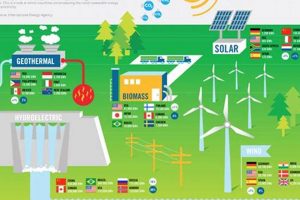
The study of natural systems and human impact upon them provides a crucial foundation for developing sustainable energy solutions. For example, understanding ecosystem dynamics informs the placement and management of wind farms... Read more »

An undergraduate academic degree program focuses on the study of sustainable energy sources, their implementation, and related technologies. This typically involves coursework in physics, chemistry, engineering principles, and environmental science, often specializing... Read more »

Bill Nye, known for his engaging and educational television program “Bill Nye the Science Guy,” has been a prominent advocate for sustainable practices, particularly the adoption of alternative energy sources. His work... Read more »
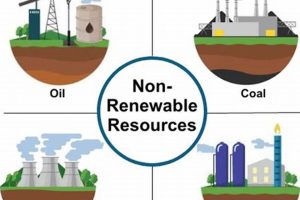
Resources categorized as finite are those that exist in limited quantities and are depleted faster than natural processes can replenish them. Fossil fuels, such as coal, oil, and natural gas, are prime... Read more »
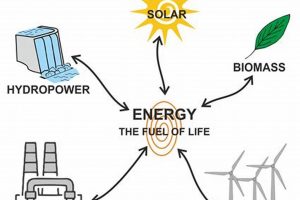
In scientific terms, a resource is considered sustainable if it can be replenished naturally at a rate equal to or faster than its rate of consumption. Solar energy, wind power, hydropower, geothermal... Read more »