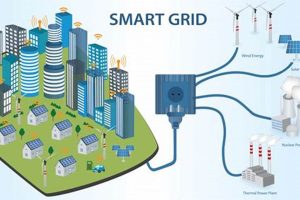
Reliable, robust networks are essential for the effective operation of power systems that utilize sustainable energy sources. These networks facilitate the remote monitoring and control of power generation facilities like solar farms and wind turbines, optimizing their output and predicting potential issues. For example, real-time data transmission allows operators to adjust turbine blade angles in response to changing wind conditions, maximizing energy capture. Secure channels are also crucial for grid management, enabling the integration of distributed energy resources and balancing supply with demand across the network.
Historically, conventional power generation relied on centralized control systems. The shift towards decentralized renewable energy sources necessitates advanced communications infrastructure to ensure stability and reliability. This infrastructure supports the integration of smart grid technologies, enabling more efficient energy distribution and enhancing grid resilience against extreme weather events and cyberattacks. The growing reliance on these sustainable resources underscores the critical role of robust and secure data transfer networks in the modern energy landscape.
This discussion will explore the various technologies employed in these crucial networks, ranging from fiber optics and microwave links to satellite communication, and analyze their respective strengths and weaknesses. Furthermore, it will examine the cybersecurity challenges and potential solutions related to managing these complex systems. Finally, the evolving role of this critical infrastructure in supporting the ongoing transition to a sustainable energy future will be considered.
Tips for Robust Energy Networks
Optimizing the performance and security of networks supporting renewable energy integration requires careful consideration of several key factors. These tips offer guidance for establishing and maintaining robust and effective systems.
Tip 1: Prioritize Cybersecurity: Implementing robust cybersecurity measures is paramount. Networks should be protected against unauthorized access and cyberattacks through intrusion detection systems, firewalls, and regular security audits.
Tip 2: Leverage Redundancy: Building redundancy into the network architecture ensures continuous operation even in case of equipment failure or natural disasters. Multiple communication pathways and backup power supplies contribute to enhanced reliability.
Tip 3: Embrace Interoperability: Utilizing open communication standards and protocols facilitates seamless data exchange between different components and systems, promoting interoperability and flexibility.
Tip 4: Optimize Bandwidth: Selecting communication technologies with sufficient bandwidth is essential for handling the increasing volume of data generated by renewable energy facilities. Fiber optic cables and high-capacity wireless solutions offer optimal data transfer rates.
Tip 5: Employ Remote Monitoring and Control: Implementing remote monitoring and control systems allows for real-time data acquisition and analysis, enabling predictive maintenance and optimized performance of renewable energy assets.
Tip 6: Invest in Skilled Workforce: Developing a skilled workforce capable of managing and maintaining these complex networks is crucial for long-term success. Training programs and educational initiatives focused on communication technologies and cybersecurity are essential investments.
Tip 7: Plan for Scalability: Designing networks with scalability in mind accommodates future expansion and integration of new renewable energy resources. This forward-thinking approach ensures long-term viability and adaptability.
Adhering to these guidelines strengthens network resilience, security, and efficiency, facilitating the seamless integration of renewable energy resources and contributing to a sustainable energy future.
By understanding and implementing these strategies, stakeholders can ensure the reliable and secure operation of critical infrastructure supporting the transition to a more sustainable energy landscape. The subsequent conclusion will further emphasize the importance of these considerations.
1. Real-time Monitoring

Real-time monitoring forms a cornerstone of effective renewable energy infrastructure management. Continuous data streams from various points across the generation and distribution network provide critical insights into system performance, enabling proactive management and optimized operations. This capability is inextricably linked to robust communication networks that facilitate the seamless flow of information.
- Performance Optimization
Real-time data on energy generation, consumption, and grid stability allows operators to fine-tune system parameters for optimal performance. For example, monitoring solar panel output enables adjustments to panel angles based on sun position, maximizing energy capture. This constant feedback loop relies on uninterrupted communication between sensors, control systems, and operators.
- Predictive Maintenance
Continuous monitoring enables the detection of anomalies and performance degradation in equipment, allowing for predictive maintenance. Vibrations in a wind turbine gearbox, for instance, can be detected in real time, allowing for timely intervention and preventing catastrophic failure. This proactive approach minimizes downtime and extends the lifespan of equipment, relying on continuous data transmission through reliable communication channels.
- Grid Stability and Control
Real-time data on grid frequency, voltage, and power flow is essential for maintaining grid stability, particularly with the fluctuating nature of renewable energy sources. Communication networks relay this data to grid operators, enabling them to make adjustments in real-time, balancing supply and demand and preventing blackouts. This dynamic control relies on low-latency communication infrastructure.
- Fault Detection and Isolation
Real-time monitoring allows for rapid detection and isolation of faults within the renewable energy infrastructure. For example, a short circuit in a solar farm can be quickly identified and isolated, minimizing damage and preventing widespread outages. Effective communication networks are essential for transmitting fault data to control centers, enabling swift corrective action.
These facets of real-time monitoring underscore its vital role in maximizing the effectiveness and reliability of renewable energy infrastructure. The seamless integration of these capabilities relies heavily on robust and secure communication networks, which serve as the nervous system connecting all components of the system. Continued advancements in communication technologies will further enhance the capabilities of real-time monitoring, driving further optimization and resilience in the renewable energy sector.
2. Remote Control

Remote control functionality is integral to the efficient and effective management of renewable energy infrastructure. The ability to control and adjust systems from a centralized location enhances operational efficiency, improves response times to changing conditions, and reduces the need for on-site personnel. This capability relies heavily on robust and reliable communication networks.
- Real-time Adjustments
Remote control allows operators to make real-time adjustments to energy generation and distribution systems based on fluctuating conditions. For example, wind turbine blade angles can be adjusted remotely in response to changing wind speeds, maximizing energy capture. This dynamic control requires seamless communication between the control center and the remote equipment.
- Fault Response and System Restoration
In the event of a fault or system disruption, remote control enables swift response and restoration. Operators can remotely isolate faulty equipment, reroute power flow, and initiate repairs, minimizing downtime and preventing widespread outages. Effective communication infrastructure is crucial for transmitting commands and receiving status updates during such events.
- Optimized Resource Allocation
Remote control facilitates optimized resource allocation across the renewable energy infrastructure. Operators can remotely adjust the output of different generation sources based on demand, grid stability, and available resources. This coordinated control enhances overall system efficiency and minimizes energy waste, relying on continuous communication between the control center and distributed energy resources.
- Automated Operations and Reduced Manpower
Remote control enables automated operation of renewable energy facilities, reducing the need for on-site personnel. Scheduled tasks, such as starting and stopping generators or adjusting system parameters, can be automated and controlled remotely. This automation reduces operational costs and improves safety by minimizing human intervention in potentially hazardous environments, leveraging reliable communication networks for command and control.
These facets of remote control highlight its essential role in optimizing renewable energy operations. The effectiveness of remote control systems depends directly on the reliability, security, and bandwidth of the underlying communication infrastructure. Advancements in communication technologies will further enhance remote control capabilities, leading to greater automation, improved efficiency, and enhanced resilience in the renewable energy sector. This interconnectedness underscores the importance of investing in robust and future-proof communication networks to support the ongoing growth and evolution of renewable energy systems.
3. Data Analytics

Data analytics plays a crucial role in optimizing the performance, reliability, and efficiency of renewable energy infrastructure. The vast amounts of data generated by these systems, encompassing everything from weather conditions to equipment performance, provide valuable insights when analyzed effectively. This analysis relies heavily on robust communication networks capable of transmitting and processing large datasets.
- Performance Optimization
Analyzing historical and real-time data on energy generation, consumption, and grid conditions enables operators to identify trends and patterns, leading to optimized system performance. For example, analyzing wind speed and turbine output data can reveal optimal blade angles for maximizing energy capture. This analysis relies on the availability of comprehensive data sets, facilitated by robust communication infrastructure.
- Predictive Maintenance
Data analytics empowers predictive maintenance strategies by identifying subtle indicators of potential equipment failure. Analyzing sensor data from wind turbines, such as vibrations, temperature, and oil pressure, can predict impending failures, allowing for proactive maintenance and minimizing downtime. This predictive capability depends on continuous data acquisition and analysis, enabled by reliable communication networks.
- Grid Management and Integration
Data analytics supports effective grid management by providing insights into the fluctuating nature of renewable energy sources. Analyzing data on solar irradiance and wind patterns can predict energy generation fluctuations, enabling grid operators to make proactive adjustments and maintain grid stability. This integration requires seamless data exchange between renewable energy facilities and grid control centers, facilitated by robust communication infrastructure.
- Resource Planning and Forecasting
Analyzing historical weather data, energy consumption patterns, and grid performance metrics allows for accurate resource planning and forecasting. This data-driven approach enables informed decisions regarding future infrastructure investments, grid expansion, and renewable energy integration strategies. Effective resource planning relies on access to large historical datasets and sophisticated analytical tools, supported by robust communication infrastructure.
These facets of data analytics demonstrate its critical role in maximizing the effectiveness and efficiency of renewable energy infrastructure. The ability to collect, transmit, and analyze large datasets relies heavily on advanced communication networks. Continued advancements in data analytics techniques, coupled with robust communication infrastructure, will further unlock the potential of renewable energy resources, paving the way for a more sustainable energy future. The interdependence between data analytics and communication infrastructure underscores the need for integrated planning and investment in both areas to fully realize the benefits of renewable energy.
4. Grid Stability
Grid stability, the ability of a power system to maintain a consistent frequency and voltage despite fluctuations in supply and demand, is paramount for reliable energy delivery. The integration of renewable energy sources, with their inherent intermittency, presents unique challenges to grid stability. Robust communication and renewable energy infrastructure plays a crucial role in mitigating these challenges and ensuring a stable and reliable power grid. Real-time communication networks enable dynamic control and rapid response to fluctuations in renewable energy generation. For instance, if cloud cover suddenly reduces solar power output, communication systems can instantly signal other generation sources, such as natural gas plants, to ramp up production, compensating for the lost solar power and maintaining grid frequency.
The increasing penetration of distributed energy resources (DERs), such as rooftop solar panels and small wind turbines, further complicates grid management. Effective communication infrastructure is essential for coordinating these diverse resources, aggregating their output, and balancing supply with demand. Advanced metering infrastructure (AMI), enabled by robust communication networks, provides real-time data on energy consumption, allowing grid operators to anticipate demand fluctuations and optimize DER dispatch. This proactive approach enhances grid stability and minimizes the impact of intermittent renewable generation.
Maintaining grid stability in the face of increasing renewable energy integration requires sophisticated communication networks capable of handling vast amounts of data, supporting real-time control, and enabling rapid response to changing conditions. These networks facilitate the integration of smart grid technologies, such as advanced distribution management systems (ADMS) and distributed energy resource management systems (DERMS), which leverage real-time data and sophisticated algorithms to optimize grid operations and enhance stability. The ongoing transition to a more sustainable energy future hinges on continued investment and innovation in communication and renewable energy infrastructure, ensuring a stable and reliable power grid for all.
5. Cybersecurity

Cybersecurity is paramount for the reliable operation of communication networks supporting renewable energy infrastructure. These networks, essential for real-time monitoring, remote control, and data analysis, are increasingly vulnerable to cyberattacks. A successful attack could disrupt power generation, compromise grid stability, and cause significant economic damage. Consider the potential impact of a cyberattack targeting a wind farm’s control systems, potentially manipulating turbine operations and causing voltage fluctuations across the grid. Protecting these systems from unauthorized access and malicious activity is crucial for maintaining a stable and reliable energy supply.
Several factors contribute to the increasing cybersecurity risks facing renewable energy infrastructure. The increasing reliance on digital technologies and internet connectivity expands the attack surface. The distributed nature of renewable energy resources, often located in remote and geographically dispersed areas, makes physical security challenging. Additionally, the integration of diverse technologies and systems from various vendors can introduce vulnerabilities and complicate security management. Real-world examples of cyberattacks targeting energy infrastructure, such as the Stuxnet incident, underscore the potential for disruption and the need for robust cybersecurity measures.
Addressing these challenges requires a multi-faceted approach. Implementing strong security protocols, such as encryption and multi-factor authentication, is essential. Regular security assessments and penetration testing can identify vulnerabilities and inform mitigation strategies. Investing in cybersecurity training for personnel involved in the operation and maintenance of these systems is crucial for building a strong security culture. International cooperation and information sharing among stakeholders are also essential for staying ahead of evolving cyber threats and ensuring the resilience of renewable energy infrastructure. Failure to prioritize cybersecurity can jeopardize the reliability and stability of the energy sector and hinder the transition to a sustainable energy future.
6. Weather Resilience

Weather resilience is a critical aspect of renewable energy infrastructure, particularly given the increasing frequency and intensity of extreme weather events. Reliable operation of renewable energy systems, even under adverse weather conditions, is essential for ensuring a consistent and dependable energy supply. Robust communication networks play a vital role in enhancing weather resilience, enabling real-time monitoring, remote control, and proactive adaptation to changing weather patterns.
- Robust Infrastructure Design
Renewable energy installations, including wind turbines, solar panels, and communication towers, must be designed to withstand extreme winds, heavy snow loads, and flooding. Reinforced structures, robust mounting systems, and weatherproof enclosures protect critical equipment from damage. For example, wind turbines are designed to withstand hurricane-force winds, and their blades can be feathered or locked in high-wind situations to minimize stress on the structure. This resilience extends to communication infrastructure, with hardened fiber optic cables and weather-resistant antennas ensuring continuous connectivity.
- Real-time Monitoring and Control
Real-time monitoring of weather conditions and system performance enables proactive adjustments and mitigates the impact of adverse weather. Weather sensors provide data on wind speed, temperature, precipitation, and other relevant parameters, enabling operators to make informed decisions. For instance, operators can remotely curtail wind turbine output in advance of high winds or adjust solar panel angles to minimize snow accumulation. Robust communication networks are essential for transmitting this real-time data and enabling remote control functionality.
- Backup Power and Redundancy
Backup power systems and redundant communication pathways ensure continued operation even during grid outages caused by severe weather. Battery storage systems, diesel generators, and satellite communication links provide alternative power and communication channels in case of primary system failure. This redundancy is crucial for maintaining essential services and enabling rapid system restoration after a weather-related outage. For example, backup power systems can keep critical communication infrastructure operational, enabling emergency response and recovery efforts.
- Predictive Weather Modeling and Forecasting
Integrating weather forecasting models into renewable energy management systems enables proactive planning and preparation for upcoming weather events. Predictive models provide advance warning of potential disruptions, allowing operators to take preventative measures, such as securing equipment or adjusting operational schedules. Accurate weather data, transmitted via robust communication networks, is essential for the accuracy and reliability of these predictive models. This proactive approach minimizes downtime and enhances the overall resilience of renewable energy infrastructure.
These facets of weather resilience highlight the crucial role of robust and reliable communication networks in ensuring the continuous and dependable operation of renewable energy systems. Investing in weather-resilient infrastructure and advanced communication technologies is essential for mitigating the impacts of extreme weather events and ensuring a stable and sustainable energy future. As climate change increases the frequency and intensity of extreme weather, the importance of weather resilience in the renewable energy sector will only continue to grow.
7. System Optimization

System optimization is fundamental to maximizing the effectiveness and efficiency of renewable energy infrastructure. Robust communication networks play a crucial role in enabling and supporting various optimization strategies. Real-time data acquisition and analysis, facilitated by reliable communication channels, provide the foundation for optimizing energy generation, distribution, and grid stability. Consider a solar power plant where communication networks transmit real-time data on solar irradiance and panel temperature. This data enables automated adjustments to panel angles, optimizing energy capture throughout the day. Similarly, in wind farms, real-time wind speed and direction data, transmitted via communication networks, allow for dynamic adjustments to turbine blade pitch, maximizing energy generation while minimizing mechanical stress.
Communication networks also enable advanced control algorithms that optimize grid operations by balancing supply and demand. Real-time data on energy consumption, generation, and grid stability, transmitted through these networks, allows grid operators to make informed decisions about resource allocation and dispatch. For example, during periods of peak demand, communication networks can facilitate automated demand response programs, reducing consumption and maintaining grid stability. Furthermore, these networks enable optimized integration of distributed energy resources (DERs), such as rooftop solar panels, by coordinating their output and balancing it with the larger grid. The seamless flow of information through robust communication infrastructure is thus essential for optimizing the overall performance and efficiency of the renewable energy system.
Effective system optimization hinges on the reliability, security, and bandwidth of the underlying communication infrastructure. Investments in advanced communication technologies, such as high-speed fiber optic cables and secure wireless networks, are crucial for realizing the full potential of renewable energy resources. Moreover, the development of sophisticated data analytics tools and control algorithms further enhances optimization capabilities, leading to increased energy efficiency, reduced operational costs, and improved grid stability. The ongoing evolution of communication technologies promises even greater levels of system optimization, paving the way for a more sustainable and efficient energy future. Addressing challenges such as cybersecurity threats and ensuring interoperability between different systems will be crucial for maximizing the benefits of system optimization in the renewable energy sector.
Frequently Asked Questions
This section addresses common inquiries regarding the crucial role of robust communication networks in supporting renewable energy infrastructure.
Question 1: How do communication networks enhance the reliability of renewable energy sources?
Reliable communication networks enable real-time monitoring of renewable energy generation facilities, allowing operators to proactively address potential issues and optimize system performance, thus enhancing overall reliability.
Question 2: What role does communication infrastructure play in grid stability with increasing renewable energy integration?
Communication networks facilitate real-time data exchange between renewable energy sources and grid operators, enabling dynamic control and rapid response to fluctuations in generation, maintaining grid stability.
Question 3: What are the key cybersecurity considerations for communication networks supporting renewable energy infrastructure?
Protecting these networks from cyberattacks is paramount. Implementing robust security protocols, conducting regular vulnerability assessments, and providing cybersecurity training are crucial steps.
Question 4: How does communication infrastructure contribute to the weather resilience of renewable energy systems?
Communication networks enable real-time weather monitoring and remote control of renewable energy assets, allowing operators to proactively adapt to changing weather conditions and minimize disruptions.
Question 5: What are the primary communication technologies used in renewable energy infrastructure?
Various technologies, including fiber optics, microwave links, and satellite communication, are employed based on specific needs and geographical considerations. Each technology offers unique advantages and disadvantages related to bandwidth, cost, and reliability.
Question 6: How can investments in communication infrastructure support the long-term growth of the renewable energy sector?
Investing in advanced communication technologies ensures the scalability and adaptability of renewable energy infrastructure, accommodating future growth and integration of new technologies, and facilitating a smooth transition to a sustainable energy future.
Understanding these aspects of communication and renewable energy infrastructure is crucial for fostering informed decision-making and supporting the ongoing transition to a sustainable energy landscape.
The subsequent section delves further into the specific technologies employed in these critical communication networks.
Communication and Renewable Energy Infrastructure
This exploration has underscored the vital role of robust and secure communication networks in enabling the effective integration and operation of renewable energy resources. From real-time monitoring and remote control to data analytics and grid stability, these networks form the backbone of the modern sustainable energy landscape. The discussion encompassed key aspects such as cybersecurity, weather resilience, and system optimization, highlighting the multifaceted challenges and opportunities associated with managing these complex systems. The increasing reliance on renewable energy sources necessitates continuous investment and innovation in communication infrastructure to ensure reliable, efficient, and secure operation.
The transition to a sustainable energy future hinges on the continued development and deployment of advanced communication technologies. Addressing the evolving challenges of cybersecurity, weather resilience, and interoperability will be crucial for unlocking the full potential of renewable energy resources. Investing in robust communication and renewable energy infrastructure is not merely a technological imperative, but a strategic investment in a cleaner, more resilient, and sustainable energy future for all. Only through concerted efforts and ongoing innovation can the true potential of this critical infrastructure be realized, paving the way for a future powered by sustainable and reliable energy sources.