The increasing utilization of sustainable energy sources like solar, wind, hydro, geothermal, and biomass power to replace conventional fossil fuels represents a significant shift in energy production and consumption. For instance, a community might invest in a solar farm to power local homes and businesses, lessening its dependence on coal-fired electricity. This process involves not just the installation of new technologies, but also changes in infrastructure, policy, and consumer behavior.
This transition offers numerous advantages, including reduced greenhouse gas emissions and improved air quality, leading to a healthier environment and mitigating the impacts of climate change. Furthermore, the development and implementation of these technologies stimulate economic growth, create jobs, and enhance energy security by diversifying energy sources and reducing reliance on imported fuels. Historically, the uptake of these alternatives has been driven by concerns about environmental degradation and the finite nature of fossil fuels, with advancements in technology and decreasing costs now making them increasingly competitive.
The following sections will explore the key drivers, challenges, and future prospects of this crucial energy transformation, examining specific technologies, policy frameworks, and global trends.
Tips for Promoting Sustainable Energy Integration
Successful integration of sustainable energy sources requires careful planning and execution. The following tips offer guidance for individuals, communities, and organizations seeking to contribute to this vital transition.
Tip 1: Conduct a Thorough Energy Assessment: Understanding current energy consumption patterns is crucial. Detailed assessments identify areas for improvement and inform decisions about the most appropriate renewable energy solutions.
Tip 2: Explore Available Incentives and Policies: Numerous government and private sector programs offer financial incentives, such as tax credits and rebates, to support sustainable energy projects. Staying informed about these programs can significantly reduce costs.
Tip 3: Prioritize Energy Efficiency Measures: Implementing energy-saving practices, such as improving insulation and using energy-efficient appliances, reduces overall energy demand and maximizes the impact of renewable energy investments.
Tip 4: Engage with Local Communities and Stakeholders: Building consensus and addressing community concerns are essential for successful project implementation. Open communication and collaboration foster public support and facilitate smoother transitions.
Tip 5: Consider Long-Term Costs and Benefits: While initial investments in renewable energy technologies can be significant, long-term cost savings, environmental benefits, and energy independence offer substantial value.
Tip 6: Support Research and Development: Continued innovation in renewable energy technologies is crucial for improving efficiency, reducing costs, and expanding accessibility. Supporting research and development efforts accelerates progress in this vital field.
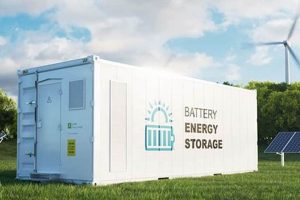
Tip 7: Invest in Energy Storage Solutions: Integrating energy storage systems, such as batteries, helps address the intermittent nature of some renewable energy sources and ensures a reliable power supply.
By implementing these strategies, stakeholders can contribute to a more sustainable energy future, reaping the environmental and economic benefits of cleaner power generation.
The concluding section will summarize the key findings and offer perspectives on the future of renewable energy integration.
1. Technological Advancements
Technological progress plays a crucial role in the increasing utilization of sustainable energy sources. Advancements in various fields, from materials science to information technology, drive down costs, improve efficiency, and expand the applications of renewable energy technologies. This continuous innovation makes sustainable energy solutions increasingly competitive with conventional fossil fuels and accelerates their integration into the global energy mix.
- Improved Photovoltaic Efficiency
Developments in photovoltaic technology have led to significant increases in solar panel efficiency, allowing more electricity generation from smaller areas. This includes advancements in materials like perovskites and multi-junction solar cells. Higher efficiency translates to lower costs per kilowatt-hour, making solar power more accessible and economically viable for a wider range of applications, from residential rooftops to large-scale solar farms.
- Advanced Wind Turbine Design
Larger rotor diameters, taller towers, and improved blade designs allow modern wind turbines to capture more wind energy, especially in areas with lower wind speeds. Innovations in turbine control systems and grid integration technologies further enhance the reliability and efficiency of wind power generation. These advancements contribute to the growth of onshore and offshore wind farms, increasing the share of wind energy in the global energy mix.
- Enhanced Energy Storage Solutions
The development of advanced energy storage technologies, such as lithium-ion batteries and pumped hydro storage, addresses the intermittent nature of solar and wind power. Storing excess energy generated during peak production periods allows for its utilization during periods of low generation or high demand, ensuring a stable and reliable power supply. Improved storage capacity and efficiency are essential for maximizing the integration of variable renewable energy sources into the grid.
- Smart Grid Technologies
Smart grid technologies, including advanced sensors, communication networks, and data analytics, optimize the distribution and management of electricity. These systems monitor energy flows in real-time, predict demand fluctuations, and integrate distributed renewable energy sources efficiently. Smart grids enhance grid stability, reduce transmission losses, and facilitate the seamless integration of renewable energy into the existing infrastructure.
These technological advancements, coupled with supportive policies and growing environmental awareness, are driving a fundamental shift in the global energy landscape, paving the way for a future powered by sustainable and clean energy sources. As innovation continues, the cost-competitiveness and reliability of renewable energy will further increase, accelerating its adoption and contributing to a more sustainable energy future.
2. Declining Costs

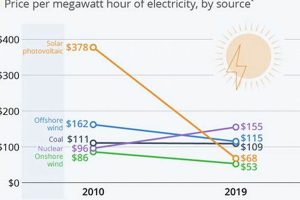
Decreasing costs represent a pivotal driver of increased implementation of sustainable energy solutions. The relationship between cost reduction and broader integration exhibits a clear cause-and-effect pattern. As production technologies mature and economies of scale are realized, the price of renewable energy technologies, such as solar panels and wind turbines, falls. This cost reduction makes these technologies increasingly competitive with conventional fossil fuels, stimulating greater market demand and wider adoption. The importance of declining costs as a component of the overall shift towards sustainable energy cannot be overstated. It unlocks market access, enables broader consumer participation, and accelerates the transition towards a cleaner energy future.
Real-world examples illustrate this connection effectively. The dramatic drop in solar photovoltaic module prices over the past decade has directly correlated with a substantial increase in global solar installations. Similarly, advancements in wind turbine technology and manufacturing processes have led to significant cost reductions, fueling the expansion of wind energy projects worldwide. These trends demonstrate the practical significance of understanding the cost-dynamic. Lower costs remove financial barriers to entry, encouraging businesses, communities, and individuals to invest in renewable energy technologies. This increased investment drives further innovation, creating a positive feedback loop that accelerates the transition towards a sustainable energy system.
Continued cost reductions remain crucial for achieving widespread implementation of renewable energy solutions. While significant progress has been made, further innovation and policy support are essential to maintain this downward trajectory. Addressing challenges such as grid integration costs and storage solutions will further enhance the competitiveness of renewable energy. Ultimately, achieving cost parity with fossil fuels will be a significant milestone in the global transition towards a clean and sustainable energy future.
3. Policy Support

Government policies play a crucial role in influencing the adoption of renewable energy technologies. Supportive policies create an enabling environment for investment, innovation, and market growth, while a lack of clear and consistent policy can hinder progress. Understanding the various policy mechanisms and their impact is essential for promoting a successful transition to a sustainable energy future.
- Financial Incentives
Financial incentives, such as tax credits, rebates, and feed-in tariffs, directly reduce the cost of renewable energy technologies, making them more attractive to consumers and businesses. For example, investment tax credits for solar installations have proven highly effective in stimulating market growth in several countries. These incentives can significantly impact project economics, accelerating the deployment of renewable energy projects and fostering market expansion.
- Renewable Portfolio Standards (RPS)
RPS policies mandate that electricity suppliers source a certain percentage of their electricity from renewable sources. These standards create a guaranteed market for renewable energy, driving investment in new generating capacity. The success of RPS policies in states like California demonstrates their effectiveness in promoting renewable energy development and diversifying energy portfolios.
- Carbon Pricing Mechanisms
Policies that put a price on carbon emissions, such as carbon taxes or cap-and-trade systems, internalize the environmental cost of fossil fuels, making renewable energy sources more cost-competitive. By increasing the price of polluting energy sources, these mechanisms create a market incentive for the adoption of cleaner alternatives, accelerating the shift towards a low-carbon economy. The European Union Emissions Trading System provides a notable example of a large-scale carbon pricing mechanism.
- Streamlined Permitting Processes
Complex and lengthy permitting processes can significantly delay renewable energy projects. Streamlined and efficient permitting procedures reduce development timelines and costs, facilitating faster project implementation. Clear and predictable regulatory frameworks provide certainty for investors and developers, fostering a more favorable environment for renewable energy deployment.
Effective policy support is essential for driving the widespread adoption of renewable energy technologies. By leveraging a combination of financial incentives, regulatory mandates, and streamlined permitting processes, governments can create a supportive environment that accelerates the transition towards a sustainable energy future. The interplay of these policy mechanisms, along with technological advancements and market forces, shapes the trajectory of renewable energy development and its contribution to a cleaner, more secure energy system.
4. Environmental Awareness

Growing environmental awareness serves as a significant catalyst for the increasing integration of sustainable energy sources. Public understanding of climate change and its associated risks, coupled with concerns about air and water pollution from conventional energy sources, drives demand for cleaner alternatives. This heightened awareness translates into consumer preferences for sustainable products and services, including electricity generated from renewable sources, influencing market dynamics and policy decisions. Examining specific aspects of environmental awareness provides further insight into this crucial connection.
- Understanding Climate Change
Scientific consensus on the role of human activities in driving climate change has raised public concern about the long-term consequences of continued reliance on fossil fuels. Extreme weather events, rising sea levels, and disruptions to ecosystems underscore the urgency of transitioning to a low-carbon energy system. This understanding motivates individuals, communities, and governments to seek cleaner energy solutions, driving investment in and adoption of renewable energy technologies.
- Air and Water Pollution Concerns
Conventional energy sources contribute significantly to air and water pollution, impacting public health and ecosystems. The extraction, processing, and combustion of fossil fuels release harmful pollutants, leading to respiratory problems, water contamination, and environmental degradation. Growing awareness of these impacts motivates a shift towards cleaner energy alternatives, particularly in areas heavily affected by pollution from conventional power plants. The health and environmental benefits of renewable energy sources become a powerful driver of their adoption.
- Consumer Demand for Sustainable Products
Increasingly, consumers prioritize sustainability in their purchasing decisions, seeking products and services that align with their environmental values. This includes a growing demand for electricity generated from renewable sources. Consumers actively choose green energy options offered by utilities or install rooftop solar panels to reduce their carbon footprint. This consumer-driven demand creates market incentives for renewable energy development, driving investment and innovation in the sector.
- Advocacy and Public Pressure
Environmental advocacy groups and public campaigns play a critical role in raising awareness about the benefits of renewable energy and the risks of continued reliance on fossil fuels. These efforts educate the public, mobilize support for policy changes, and hold governments and businesses accountable for their environmental impact. Public pressure and advocacy contribute to the creation of supportive policy frameworks that accelerate the transition to a sustainable energy future.
These interconnected aspects of environmental awareness collectively contribute to the increasing adoption of renewable energy. As public understanding of environmental issues deepens, the demand for clean energy solutions intensifies, driving market growth and policy changes that support a transition towards a more sustainable energy system. The interplay of these factors demonstrates the powerful influence of environmental awareness in shaping the future of energy production and consumption.
5. Energy Security
Energy security is a critical driver of the transition to renewable energy sources. It encompasses the reliable availability of energy resources at affordable prices, while minimizing dependence on volatile global markets and geopolitical instability. Renewable energy sources offer a pathway to enhanced energy security by diversifying energy supply, reducing reliance on imported fuels, and mitigating the risks associated with price fluctuations and supply disruptions. The following facets explore the multifaceted relationship between energy security and the adoption of renewable energy.
- Reduced Reliance on Fossil Fuel Imports
Many nations rely heavily on imported fossil fuels, making them vulnerable to price volatility, supply disruptions, and geopolitical tensions. Renewable energy sources, being domestically available, reduce this dependence, enhancing energy independence and national security. For example, countries with limited domestic fossil fuel reserves can leverage their renewable resources, such as solar and wind, to reduce their reliance on energy imports, enhancing their energy self-sufficiency and mitigating geopolitical risks. This shift strengthens national energy security by reducing exposure to external shocks and fluctuations in global energy markets.
- Diversification of Energy Sources
Relying on a single or limited number of energy sources creates vulnerabilities. Renewable energy diversifies the energy mix, spreading risk and enhancing resilience. By incorporating a variety of renewable sources, such as solar, wind, hydro, and geothermal, countries can reduce their dependence on any single source, mitigating the impact of potential disruptions. This diversified approach enhances energy security by providing multiple pathways for energy generation, reducing the overall vulnerability to supply chain disruptions or fluctuations in specific energy markets.
- Decentralized Energy Generation
Renewable energy often involves decentralized generation, with smaller-scale projects distributed across a wider geographic area. This decentralized approach enhances grid resilience by reducing the impact of localized disruptions. Unlike large centralized power plants, distributed renewable energy generation minimizes the risk of cascading failures and enhances the overall stability of the energy system. This distributed generation model enhances energy security by providing multiple points of energy production, reducing reliance on single points of failure and increasing the system’s robustness against disruptions.
- Price Stability
While the initial investment in renewable energy technologies can be significant, the fuel costs are negligible. This characteristic provides price stability over the long term, protecting consumers and businesses from the volatility of fossil fuel markets. Once operational, renewable energy projects offer predictable and stable electricity prices, shielding consumers from fluctuating fuel costs and enhancing long-term energy planning. This predictability contributes to economic stability and reduces the financial risks associated with fluctuating energy prices, a key component of enhanced energy security.
The facets explored above highlight the integral role of renewable energy in enhancing energy security. By reducing reliance on imported fuels, diversifying energy sources, decentralizing generation, and providing price stability, renewable energy strengthens national energy independence, enhances grid resilience, and mitigates the risks associated with volatile global energy markets. The transition to renewable energy not only addresses environmental concerns but also contributes significantly to a more secure and sustainable energy future.
6. Economic Opportunities
The adoption of renewable energy technologies presents significant economic opportunities across various sectors, driving job creation, stimulating economic growth, and fostering innovation. This connection exhibits a reciprocal relationship: as renewable energy adoption increases, so do the economic benefits, further incentivizing investment and accelerating the transition to a sustainable energy future. The importance of economic opportunities as a component of renewable energy adoption lies in their ability to create a positive feedback loop, attracting investment, fostering innovation, and driving sustainable economic development.
Several real-world examples illustrate this connection. The growth of the solar and wind industries has created thousands of jobs in manufacturing, installation, maintenance, and research. Furthermore, investments in renewable energy projects often stimulate local economies, generating revenue for communities and supporting local businesses. For instance, the construction of a wind farm can create jobs during the construction phase and provide ongoing employment opportunities for maintenance and operations. Similarly, the development of solar projects can generate revenue for landowners through land lease agreements and create jobs for installers and technicians. Understanding this dynamic is crucial for policymakers and investors alike, as it highlights the potential for economic growth and development associated with renewable energy investments.
The practical significance of understanding the economic opportunities associated with renewable energy adoption lies in its potential to drive sustainable economic development. By creating jobs, stimulating innovation, and attracting investment, the renewable energy sector can contribute to long-term economic prosperity while simultaneously addressing environmental challenges. However, realizing the full economic potential of renewable energy requires addressing challenges such as workforce development, grid infrastructure investments, and access to financing. Policymakers and industry stakeholders must work together to create supportive policies and regulatory frameworks that facilitate investment, innovation, and job creation in the renewable energy sector. Ultimately, the transition to a renewable energy future presents a significant opportunity to create a more sustainable and prosperous economy.
Frequently Asked Questions about Renewable Energy Adoption
This section addresses common inquiries regarding the transition to renewable energy sources, aiming to provide clear and concise information for a broader audience.
Question 1: What are the primary barriers to wider adoption of renewable energy?
While costs have decreased significantly, upfront investment costs for renewable energy technologies can still be a barrier. Intermittency of sources like solar and wind necessitates energy storage solutions, adding complexity and cost. Grid infrastructure upgrades are often required to accommodate the decentralized nature of renewable energy generation. Furthermore, policy and regulatory frameworks play a crucial role, and inconsistent or unfavorable policies can hinder adoption.
Question 2: How does renewable energy impact energy independence and security?
Renewable energy enhances energy independence by reducing reliance on imported fossil fuels, mitigating vulnerability to geopolitical instability and price volatility. Diversifying energy sources with renewables creates a more resilient energy system less susceptible to disruptions. Decentralized renewable generation further enhances grid stability and security.
Question 3: What are the environmental benefits of transitioning to renewable energy sources?
Renewable energy sources produce little to no greenhouse gas emissions during operation, mitigating climate change. They also reduce air and water pollution associated with fossil fuel extraction, processing, and combustion, leading to improved public health and ecosystem protection. Furthermore, renewable energy reduces reliance on finite resources, promoting resource sustainability.
Question 4: What role does technological innovation play in renewable energy adoption?
Continuous technological advancements drive down costs, improve efficiency, and expand the applications of renewable energy technologies. Innovations in areas such as solar cell materials, wind turbine design, and energy storage solutions are crucial for making renewable energy increasingly competitive with conventional energy sources.
Question 5: How do government policies influence the growth of the renewable energy sector?
Supportive government policies, such as financial incentives, renewable portfolio standards, carbon pricing mechanisms, and streamlined permitting processes, create an enabling environment for renewable energy investment and market growth. Conversely, inconsistent or unfavorable policies can hinder progress and create uncertainty for investors.
Question 6: What are the economic implications of widespread renewable energy adoption?
The renewable energy sector creates jobs in manufacturing, installation, maintenance, and research. Investments in renewable energy projects stimulate local economies, and the transition to a renewable energy future offers opportunities for sustainable economic development and growth. However, realizing this potential requires addressing workforce development and infrastructure needs.
Transitioning to renewable energy sources presents a multifaceted challenge with significant environmental, economic, and social implications. Addressing these complexities requires a comprehensive approach involving technological innovation, policy support, and public engagement.
This concludes the FAQ section. The next section will offer a conclusion and future outlook on the adoption of renewable energy.
Conclusion
This exploration has highlighted the multifaceted nature of increased renewable energy integration. Technological advancements, declining costs, supportive policies, growing environmental awareness, energy security concerns, and economic opportunities collectively drive this global transition. The analysis underscores the interconnectedness of these factors, demonstrating how advancements in one area influence and reinforce progress in others. For example, technological innovation drives down costs, making renewable energy more competitive and stimulating market growth. This, in turn, attracts further investment, accelerating innovation and creating economic opportunities. Understanding this interplay is crucial for developing effective strategies to promote further adoption.
The transition to renewable energy presents both challenges and opportunities. While barriers such as upfront costs, intermittency issues, and grid infrastructure limitations remain, ongoing innovation and supportive policies offer pathways to overcome these obstacles. The future of renewable energy adoption hinges on continued technological advancements, consistent policy support, and sustained public engagement. Ultimately, widespread adoption represents not merely a technological shift but a fundamental transformation of the global energy landscape, promising a more sustainable, secure, and prosperous future.