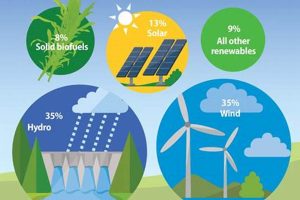
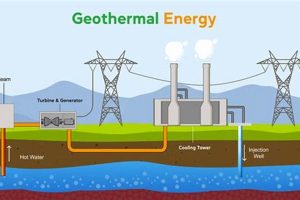
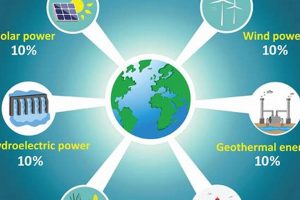
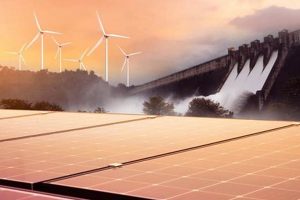
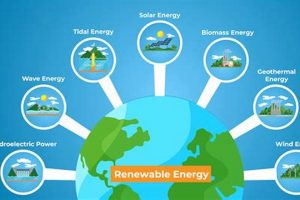
The shift from fossil fuels to sustainable power generation represents a fundamental change in how societies produce and consume energy. This evolution involves replacing traditional methods, such as coal-fired power plants and natural gas combustion, with resources that naturally replenish themselves, like solar, wind, hydro, and geothermal energy. An example is the decommissioning of a coal-fired power plant in favor of a newly constructed solar farm, accompanied by grid modernization to accommodate the intermittent nature of solar energy.
Adopting sustainable energy practices is critical for mitigating climate change by reducing greenhouse gas emissions and improving air quality. Historically, the reliance on fossil fuels has led to significant environmental degradation and public health concerns. Utilizing cleaner alternatives offers pathways to greater energy security, economic diversification, and the creation of new employment opportunities within the burgeoning green technology sector. Furthermore, widespread adoption can lead to decreased reliance on volatile global fossil fuel markets.
This examination explores the economic drivers influencing investment in sustainable technologies, the infrastructural challenges of integrating intermittent power sources into existing grids, and the policy frameworks necessary to accelerate the adoption of these resources. Subsequent sections will analyze specific renewable energy technologies, investigate global implementation strategies, and assess the long-term impacts of these shifts on both the environment and the global economy.
Strategies for Facilitating Sustainable Power Adoption
The following strategies offer guidance for stakeholders aiming to promote and implement sustainable power solutions effectively.
Tip 1: Establish Clear Policy Frameworks: Governments should enact policies that incentivize investment in sustainable energy technologies, such as feed-in tariffs, tax credits, and carbon pricing mechanisms. These policies create a stable and predictable market environment, attracting private sector investment.
Tip 2: Invest in Grid Modernization: Modernizing electrical grids is crucial for integrating variable sustainable energy sources, such as solar and wind. This includes deploying smart grid technologies, enhancing transmission infrastructure, and implementing energy storage solutions to ensure grid stability and reliability.
Tip 3: Promote Research and Development: Continued investment in research and development is essential for improving the efficiency and reducing the cost of sustainable energy technologies. This includes exploring advanced materials, energy storage innovations, and more efficient generation methods.
Tip 4: Foster Public-Private Partnerships: Collaboration between public and private entities can accelerate the deployment of sustainable energy projects. Governments can provide regulatory support and financial incentives, while private companies can bring technological expertise and project management skills.
Tip 5: Enhance Public Awareness and Education: Educating the public about the benefits of sustainable energy can increase public support and acceptance of these technologies. This includes conducting outreach programs, providing educational resources, and promoting energy conservation practices.
Tip 6: Support Workforce Development and Training: Developing a skilled workforce is crucial for the successful implementation of sustainable energy projects. This includes providing training programs for technicians, engineers, and project managers in the sustainable energy sector.
Tip 7: Implement Standardized Regulations and Permitting Processes: Streamlining the regulatory and permitting processes for sustainable energy projects can reduce project development timelines and costs. Standardized regulations ensure consistency and transparency, facilitating investment and deployment.
Adopting these strategies can significantly accelerate the shift toward sustainable power generation, fostering a cleaner, more resilient, and economically viable energy future.
The subsequent sections will delve into specific challenges and opportunities associated with deploying various sustainable energy technologies on a global scale.
1. Technology

Technological innovation serves as the cornerstone of the shift towards sustainable energy. Advancements across various scientific and engineering disciplines are directly responsible for the increased viability and competitiveness of renewable energy sources.
- Solar Photovoltaics (PV) Efficiency
Increasing the energy conversion efficiency of solar PV cells is paramount. Innovations in materials science, such as the development of perovskite solar cells and advanced thin-film technologies, promise to enhance the amount of electricity generated from sunlight. This translates to reduced land use requirements and lower per-watt energy costs.
- Wind Turbine Design and Materials
Improvements in wind turbine technology, including larger rotor diameters, taller towers, and advanced blade designs, allow for greater energy capture and improved performance in lower wind speed conditions. Furthermore, the use of composite materials reduces turbine weight and increases durability, lowering maintenance costs and extending operational lifespan.
- Energy Storage Solutions
Effective energy storage is crucial for addressing the intermittency of solar and wind power. Battery technologies, such as lithium-ion and flow batteries, are becoming increasingly affordable and capable of storing large amounts of electricity. Alternative storage methods, including pumped hydro storage and compressed air energy storage, offer viable options for grid-scale energy management.
- Smart Grid Technologies
Smart grid technologies, including advanced sensors, communication networks, and control systems, enable more efficient management and distribution of electricity. These technologies facilitate real-time monitoring of grid conditions, optimize power flow, and integrate distributed energy resources, enhancing grid stability and reliability.
These technological advancements collectively contribute to a more reliable, affordable, and sustainable energy system. Continued investment in research and development is essential to further improve the performance and reduce the costs of sustainable energy technologies, accelerating the transition to a cleaner energy future.
2. Infrastructure

The successful integration of renewable energy sources hinges significantly on robust and adaptable infrastructure. Existing energy networks were primarily designed for centralized fossil fuel power plants; adapting them to accommodate distributed, intermittent renewable generation requires substantial upgrades and strategic development.
- Grid Modernization
The traditional electrical grid necessitates modernization to effectively handle the influx of renewable energy. This involves upgrading transmission lines to carry electricity over long distances from remote renewable energy facilities, deploying smart grid technologies for enhanced monitoring and control, and implementing advanced metering infrastructure for improved demand response. For example, Germany’s “Energiewende” initiative includes significant investments in grid upgrades to facilitate the integration of wind power from the north to industrial centers in the south.
- Energy Storage Solutions
The intermittent nature of solar and wind energy necessitates robust energy storage solutions to ensure a consistent and reliable power supply. This includes deploying battery storage systems at grid-scale to balance supply and demand, investing in pumped hydro storage for large-scale energy storage, and exploring alternative storage technologies such as compressed air energy storage. The Hornsdale Power Reserve in South Australia, a large-scale lithium-ion battery, demonstrates the ability of energy storage to stabilize the grid and provide rapid response to power outages.
- Transmission Network Expansion
Expanding the transmission network is crucial to connect renewable energy resources, often located in remote areas with high resource potential, to urban centers and industrial consumers. This requires the construction of new high-voltage transmission lines, the upgrading of existing lines to increase capacity, and the development of inter-regional transmission infrastructure to facilitate the exchange of renewable energy across geographic boundaries. The Desertec project, although facing significant challenges, envisioned a network of high-voltage DC transmission lines to transport solar power from the Sahara Desert to Europe.
- Distributed Generation Infrastructure
Supporting distributed generation of renewable energy, such as rooftop solar panels and small-scale wind turbines, requires the development of appropriate infrastructure at the local level. This includes establishing net metering policies, streamlining interconnection processes, and implementing smart inverters to manage the flow of electricity between distributed generation sources and the grid. California’s aggressive solar energy policies have led to a proliferation of rooftop solar installations, necessitating significant investments in distribution grid upgrades and smart grid technologies.
These infrastructural investments are fundamental to enabling a reliable and sustainable energy transition. Without adequate infrastructure, the potential of renewable energy sources cannot be fully realized, hindering efforts to reduce carbon emissions and improve energy security. Addressing these infrastructure challenges is paramount to achieving a successful transition to a cleaner energy future.
3. Investment

Capital allocation constitutes a critical driver in the shift toward sustainable power. The scale and direction of financial resources significantly influence the pace at which renewable energy technologies are developed, deployed, and integrated into existing energy systems. Strategic investment fosters innovation, reduces costs, and accelerates the widespread adoption of cleaner energy alternatives.
- Research and Development Funding
Investment in research and development (R&D) is essential for technological breakthroughs in sustainable energy. Governmental funding, private sector investment, and collaborative research initiatives drive innovation in solar cell efficiency, energy storage capacity, and advanced grid technologies. For example, the U.S. Department of Energy’s ARPA-E program provides funding for high-risk, high-reward energy technology projects, fostering innovation that can transform the energy landscape. These advancements are crucial for improving the performance and reducing the costs of renewable energy technologies, making them more competitive with traditional fossil fuels.
- Infrastructure Development
Significant capital investment is required to modernize existing infrastructure and construct new facilities to support the integration of renewable energy. This includes upgrading transmission lines to transport electricity from remote renewable energy sources to urban centers, deploying smart grid technologies to enhance grid stability and efficiency, and constructing energy storage facilities to address the intermittency of solar and wind power. China’s massive investment in high-voltage transmission lines enables the transport of renewable energy from western regions to eastern cities, demonstrating the critical role of infrastructure investment in enabling renewable energy deployment.
- Manufacturing and Supply Chain Expansion
Investment in manufacturing facilities and supply chain development is crucial for scaling up the production of renewable energy technologies. This includes establishing factories to produce solar panels, wind turbines, and battery storage systems, as well as developing robust supply chains to ensure the availability of raw materials and components. Germany’s early investments in solar panel manufacturing helped establish the country as a leader in the solar energy industry, creating jobs and driving economic growth. These investments are essential for reducing the costs of renewable energy technologies and creating a competitive global market.
- Project Finance and Deployment
Access to project finance is essential for deploying renewable energy projects on a commercial scale. This includes securing loans, equity investments, and government incentives to fund the construction and operation of solar farms, wind farms, and other renewable energy facilities. The European Investment Bank (EIB) provides financing for renewable energy projects across Europe, helping to accelerate the deployment of clean energy technologies and achieve climate goals. These investments are crucial for bringing renewable energy projects to fruition and expanding the share of renewable energy in the global energy mix.
Collectively, these investment areas underscore the multifaceted financial requirements for enabling a significant transformation in energy generation and distribution. The success of this shift relies not only on the availability of capital but also on its strategic allocation to foster innovation, develop necessary infrastructure, and scale up production and deployment. These factors contribute to the economic viability and widespread adoption of sustainable power solutions.
4. Policy

Governmental and regulatory frameworks are pivotal in steering the shift towards sustainable power generation. Policy interventions shape investment decisions, market dynamics, and technological innovation, thus determining the pace and direction of the transition.
- Feed-in Tariffs and Renewable Portfolio Standards
These mechanisms incentivize renewable energy production through guaranteed pricing or mandated procurement targets. Feed-in tariffs provide long-term contracts for renewable energy producers, ensuring a stable revenue stream. Renewable Portfolio Standards (RPS) require utilities to source a specified percentage of their electricity from renewable sources, creating demand and driving investment. Germany’s Energiewende initiative, driven by feed-in tariffs, spurred early adoption of solar and wind energy. RPS policies in many U.S. states have similarly boosted renewable energy deployment.
- Carbon Pricing Mechanisms
Carbon taxes and cap-and-trade systems internalize the external costs of fossil fuels by placing a price on carbon emissions. Carbon taxes levy a direct tax on emissions, while cap-and-trade systems set a limit on overall emissions and allow companies to trade emission allowances. These policies make fossil fuels more expensive, incentivizing investment in cleaner alternatives. The European Union Emissions Trading System (EU ETS) is an example of a cap-and-trade system designed to reduce greenhouse gas emissions.
- Incentives and Subsidies
Tax credits, grants, and subsidies can reduce the upfront costs of renewable energy projects and make them more financially attractive. Production tax credits (PTCs) and investment tax credits (ITCs) provide financial benefits to renewable energy producers based on the amount of electricity generated or the capital invested. These incentives can accelerate the deployment of renewable energy technologies by improving their economic competitiveness. The U.S. Investment Tax Credit for solar energy has been instrumental in driving the growth of the solar industry.
- Regulatory Standards and Permitting Processes
Streamlining regulatory standards and permitting processes can reduce the time and costs associated with developing renewable energy projects. Clear and consistent regulations provide certainty for investors and developers, while efficient permitting processes can expedite project timelines. Standardization of interconnection procedures for distributed generation can also facilitate the integration of rooftop solar and other small-scale renewable energy sources into the grid. Denmark’s streamlined permitting processes for wind farms have contributed to its high penetration of wind energy.
These policy instruments, when implemented effectively, create a supportive environment for the transition to sustainable power. They can stimulate innovation, reduce costs, attract investment, and accelerate the deployment of renewable energy technologies, contributing to a cleaner, more resilient, and sustainable energy future. Sound policy design and implementation are crucial for harnessing the full potential of renewable energy sources and achieving ambitious climate goals.
5. Accessibility

The concept of accessibility plays a vital role in the widespread and equitable implementation of sustainable power systems. It extends beyond mere physical availability and encompasses economic affordability, geographic reach, and technological suitability for diverse communities. The transition to sustainable energy sources must prioritize equal access to ensure that the benefits are not limited to privileged segments of society. For instance, if solar panel installations are heavily subsidized for homeowners but lack financing options for low-income renters, the advantages of cleaner energy remain unevenly distributed, thereby exacerbating existing inequalities. The lack of standardized regulations regarding renewable implementation on tribal lands often restricts access for communities. This can also lead to increased economic burdens for those least able to afford them, as households and businesses with fewer resources may continue to rely on more expensive and environmentally damaging fossil fuels.
Furthermore, the geographic dimension of accessibility necessitates consideration of how sustainable energy solutions are tailored to different regional contexts. Rural and remote communities, often lacking reliable grid connections, can benefit significantly from distributed renewable energy systems like microgrids powered by solar, wind, or biomass. However, implementing these systems requires addressing challenges such as infrastructure costs, technical expertise, and community engagement. Successful examples include community-owned solar projects in developing countries, where local participation and ownership ensure long-term sustainability and equitable access to electricity. Policy frameworks must therefore facilitate the development of localized energy solutions and promote community-based ownership models to ensure that remote populations are not left behind in the energy transition.
In conclusion, the pursuit of sustainable power must actively address accessibility as a core principle. Ensuring equitable access requires targeted policies, innovative financing mechanisms, and community-led initiatives that overcome economic, geographic, and technological barriers. The transition to renewable energy is not merely a technical challenge but a societal imperative, requiring inclusive strategies to ensure that the benefits of cleaner energy are shared by all, contributing to a more just and sustainable future.
6. Sustainability

Sustainability forms the bedrock upon which the entire premise of shifting to renewable energy sources rests. It is not merely an ancillary benefit but the core driving force and ultimate objective. This entails not only reducing environmental harm but also ensuring long-term resource availability and societal well-being. Sustainable energy transitions require a holistic approach that considers environmental, economic, and social factors to ensure long-term viability.
- Environmental Preservation
The primary impetus for embracing sustainable energy stems from the imperative to mitigate climate change and safeguard ecological systems. This involves diminishing greenhouse gas emissions, curtailing air and water pollution, and preserving biodiversity. Renewable energy technologies, such as solar, wind, and hydro, offer a pathway to drastically reduce reliance on fossil fuels, the primary source of these environmental harms. For instance, replacing a coal-fired power plant with a wind farm reduces carbon dioxide emissions, lowers air pollution, and minimizes the impact on local ecosystems, thus bolstering environmental preservation. However, the life cycle impacts of renewable energy technologies, from material extraction to disposal, must also be addressed to achieve true environmental sustainability.
- Resource Efficiency
Sustainability necessitates the judicious use of natural resources. Unlike fossil fuels, which are finite, renewable energy sources are replenished naturally. However, the manufacturing and deployment of renewable energy technologies require materials such as rare earth elements, lithium, and silicon. Sustainable practices demand efficient resource management, including recycling and reuse of materials, minimizing waste, and exploring alternative materials that are less resource-intensive. Circular economy principles can be applied to the renewable energy sector to ensure resource efficiency and reduce environmental impacts.
- Economic Viability
For sustainable energy transitions to endure, they must be economically viable in the long term. This necessitates continuous innovation to reduce the costs of renewable energy technologies, creating competitive markets, and attracting private investment. Sustainable energy projects must be financially self-sustaining, providing returns on investment and creating economic opportunities. For instance, solar and wind energy have become increasingly cost-competitive with fossil fuels in many regions, driving significant investment and job creation. Government policies, such as tax incentives and feed-in tariffs, can play a crucial role in promoting economic viability and accelerating the deployment of renewable energy technologies.
- Social Equity
Sustainability encompasses social equity, ensuring that the benefits of the energy transition are distributed fairly across all segments of society. This involves addressing energy poverty, promoting access to affordable energy, and creating employment opportunities in the renewable energy sector. Sustainable energy projects should prioritize community engagement, local ownership, and the protection of indigenous rights. For example, community-owned solar projects can provide affordable electricity to low-income households and create local jobs. Addressing social equity is crucial for building public support for sustainable energy transitions and ensuring that no one is left behind.
These intertwined facets underscore that sustainability is integral to the transition to renewable energy sources. This transition is not merely a technological shift but a comprehensive transformation that aligns environmental protection, resource efficiency, economic prosperity, and social justice to ensure a resilient and equitable energy future.
Frequently Asked Questions
This section addresses common queries and concerns regarding the shift from traditional fossil fuels to sustainable power generation.
Question 1: What are the primary drivers necessitating a shift towards renewable energy sources?
The principal motivations include mitigating climate change by reducing greenhouse gas emissions, improving air quality by minimizing pollutants, enhancing energy security by diversifying energy sources, and fostering economic growth through the development of new industries and technologies.
Question 2: How does the intermittency of renewable energy sources, such as solar and wind, impact grid reliability?
The variability of solar and wind power presents challenges for maintaining grid stability. Solutions include investing in energy storage technologies (e.g., batteries, pumped hydro), enhancing grid infrastructure to facilitate flexible power flows, and employing advanced forecasting techniques to predict renewable energy output.
Question 3: What are the economic implications of transitioning to renewable energy?
The economic effects are multifaceted. The shift requires substantial upfront investment in renewable energy infrastructure and technologies. However, over the long term, renewable energy can reduce fuel costs, create new jobs in the clean energy sector, and enhance energy independence.
Question 4: What policy mechanisms are effective in promoting the adoption of renewable energy?
Effective policy tools include feed-in tariffs (guaranteed payments for renewable energy production), renewable portfolio standards (mandates for utilities to source a percentage of their electricity from renewables), carbon pricing mechanisms (taxes or cap-and-trade systems that put a price on carbon emissions), and targeted subsidies or tax incentives.
Question 5: How can energy storage technologies facilitate the integration of renewable energy sources?
Energy storage systems can store excess renewable energy generated during periods of high production and release it during periods of low production, thereby smoothing out the variability of renewable energy and ensuring a consistent power supply. Energy storage also enhances grid resilience and reliability.
Question 6: What are the potential environmental impacts associated with the manufacturing and deployment of renewable energy technologies?
While renewable energy technologies offer significant environmental benefits, their production and deployment can have impacts, including resource extraction for materials (e.g., rare earth elements), land use changes, and waste disposal. Sustainable practices, such as recycling and responsible sourcing, are essential to minimize these impacts.
In summary, the shift towards renewable energy sources presents both challenges and opportunities. Addressing these issues through strategic planning, technological innovation, and supportive policies is crucial for achieving a sustainable energy future.
The subsequent section delves into specific case studies and examples of successful renewable energy transitions around the world.
Conclusion
This exploration has presented a comprehensive analysis of the shift toward sustainable power, outlining its multifaceted nature, encompassing technological advancements, infrastructural development, strategic investments, effective policies, accessibility considerations, and the overarching imperative of environmental and societal sustainability. Each of these elements interacts intricately, influencing the trajectory and effectiveness of renewable energy deployment.
The complete and successful implementation of the “transition to renewable energy sources” requires sustained commitment from governments, industries, and individuals. Prioritizing innovation, fostering collaboration, and implementing forward-thinking policies can ensure a future powered by clean, reliable, and accessible energy for all. The urgency of climate change and the potential for economic and social benefits necessitate decisive action, solidifying a sustainable energy future as a global imperative.