The process of introducing renewable energy technologies into the marketplace involves developing, producing, and distributing them to consumers. This includes building the necessary infrastructure, such as manufacturing facilities, transmission lines, and distribution networks, and creating viable business models that enable profitable operation. An example is the rapid expansion of solar panel installations driven by decreasing manufacturing costs and government incentives.
Widespread adoption of sustainable energy sources offers significant advantages, including reduced reliance on finite fossil fuels, mitigation of climate change through decreased greenhouse gas emissions, and the creation of new economic opportunities in manufacturing, installation, and maintenance. Historically, high initial costs and technological limitations hindered broader implementation. However, advancements in technology, supportive policies, and growing public awareness have dramatically accelerated the market penetration of these energy solutions.
This discussion will further explore key aspects of bringing sustainable power to the broader market, including technological advancements, market trends, policy frameworks, investment opportunities, and the challenges that must be addressed to ensure a successful transition to a cleaner energy future.
Tips for Advancing Sustainable Power Adoption
Successful and widespread integration of sustainable energy requires careful consideration of several key factors. The following tips offer guidance for promoting broader market penetration and maximizing the benefits of these technologies.
Tip 1: Foster Innovation: Continuous research and development are crucial for improving the efficiency, reliability, and cost-effectiveness of renewable energy technologies. Investing in research and pilot projects can lead to breakthroughs that accelerate market adoption.
Tip 2: Streamline Regulatory Processes: Clear, consistent, and efficient permitting and approval procedures are essential for facilitating project development and reducing deployment timelines. Simplifying regulatory hurdles can attract greater investment and accelerate growth.
Tip 3: Incentivize Investment: Financial incentives such as tax credits, rebates, and grants can significantly reduce the upfront costs of renewable energy projects, making them more attractive to investors and consumers. Supportive policies can stimulate market demand and drive further innovation.
Tip 4: Develop Infrastructure: Investing in grid modernization and expansion is crucial for integrating renewable energy sources effectively. Upgrading transmission lines and distribution networks ensures efficient delivery of power to consumers.
Tip 5: Promote Public Awareness: Educating the public about the benefits of sustainable energy can increase acceptance and drive demand. Public awareness campaigns can highlight the environmental and economic advantages of transitioning to cleaner energy sources.
Tip 6: Facilitate International Collaboration: Sharing best practices, research findings, and technological advancements across borders can accelerate the global transition to sustainable energy. International cooperation can foster innovation and drive down costs.
Tip 7: Support Local Manufacturing: Developing local supply chains for renewable energy technologies creates jobs and reduces dependence on foreign imports. Supporting domestic manufacturing strengthens local economies and enhances energy security.
By focusing on these strategies, stakeholders can create a supportive environment for the widespread adoption of sustainable power, contributing to a cleaner, more secure, and sustainable energy future.
These tips offer a roadmap for successfully transitioning to a future powered by sustainable energy. The subsequent sections will delve deeper into specific aspects of this transition, exploring the challenges and opportunities that lie ahead.
1. Technological Advancements

Technological advancements play a pivotal role in the successful commercialization of renewable energy. These advancements drive down costs, improve efficiency, and enhance the reliability of renewable energy systems. The relationship between technological progress and market viability is demonstrably causal: innovations directly translate into more competitive pricing and improved performance, making renewable energy sources increasingly attractive to consumers and investors. For example, advancements in photovoltaic cell technology have led to significant cost reductions in solar panels, making solar energy a cost-competitive alternative to traditional fossil fuels in many regions. Similarly, improvements in wind turbine design and manufacturing have increased energy capture efficiency, resulting in higher electricity output and improved project economics. Without continuous technological progress, widespread adoption of renewable energy would be significantly hindered.
Further illustrating this connection, consider the development of advanced energy storage solutions. Historically, the intermittent nature of renewable energy sources like solar and wind posed a significant challenge to their reliable integration into the power grid. However, advancements in battery technology, pumped hydro storage, and other storage solutions are mitigating this intermittency challenge, enhancing grid stability and facilitating greater penetration of renewable energy sources. These advancements not only address technical challenges but also unlock new market opportunities, enabling wider deployment and commercialization of renewable energy systems.
In summary, technological advancements are an indispensable driver of renewable energy commercialization. Continuous innovation reduces costs, improves performance, and addresses technical barriers, making renewable energy increasingly competitive with conventional energy sources. Understanding this crucial link is essential for policymakers, investors, and researchers to effectively promote and accelerate the transition to a sustainable energy future. Future efforts must prioritize research and development to overcome remaining technological hurdles and unlock the full potential of renewable energy technologies.
2. Market Demand

Market demand serves as a critical driver for the commercialization of renewable energy. The presence of strong and consistent demand signals to investors and businesses that viable market opportunities exist, encouraging investment in research, development, manufacturing, and deployment of renewable energy technologies. Without sufficient market pull, the transition to a sustainable energy future remains hampered, regardless of technological advancements or policy support.
- Consumer Preferences:
Growing consumer preference for sustainable products and services creates a powerful market force driving the adoption of renewable energy. Consumers are increasingly aware of the environmental and social impacts of their energy choices and are actively seeking cleaner alternatives. This consumer demand translates into increased sales of renewable energy systems, such as rooftop solar installations and electric vehicles, providing a strong incentive for businesses to invest in and expand the renewable energy market. For instance, the increasing popularity of electric vehicles is driving demand for charging infrastructure and renewable energy sources to power these vehicles, creating new market opportunities and accelerating the transition to electric mobility.
- Corporate Sustainability Goals:
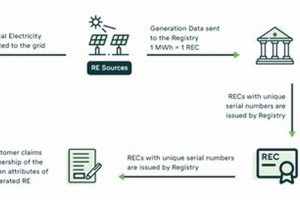
Many corporations are setting ambitious sustainability targets, including commitments to reduce their carbon footprint and transition to renewable energy sources. These commitments create significant market demand for renewable energy solutions, driving investments in on-site renewable energy generation, power purchase agreements (PPAs), and renewable energy certificates (RECs). These corporate initiatives signal a growing recognition of the economic and reputational benefits of embracing sustainability, further reinforcing the market viability of renewable energy technologies. For example, large tech companies are investing heavily in renewable energy projects to power their data centers and operations, creating substantial market demand and stimulating further investment in the sector.
- Government Regulations and Policies:
Government policies, such as renewable portfolio standards (RPS), carbon pricing mechanisms, and emissions trading schemes, create a regulatory framework that incentivizes the adoption of renewable energy. These policies establish market demand by requiring utilities and other entities to procure a certain percentage of their electricity from renewable sources. This regulatory push complements consumer preferences and corporate initiatives, creating a multifaceted market environment conducive to renewable energy commercialization. The implementation of carbon pricing mechanisms, for example, internalizes the environmental costs of fossil fuels, making renewable energy sources more economically competitive and driving market demand for cleaner alternatives.
- Grid Parity and Cost Competitiveness:
As the cost of renewable energy technologies continues to decline, they are achieving grid paritythe point at which renewable energy becomes as affordable or cheaper than conventional fossil fuel-based electricity. Reaching grid parity significantly strengthens the market demand for renewable energy, as consumers and businesses are increasingly motivated by economic considerations. Cost competitiveness eliminates the need for substantial subsidies and further accelerates the adoption of renewable energy, making it a compelling choice based on pure economics. For example, in many regions, solar and wind energy are now the cheapest sources of new electricity generation, driving significant market demand and displacing fossil fuel-based power plants.
These interconnected facets of market demand collectively drive the commercialization of renewable energy. As consumer preferences, corporate sustainability goals, government policies, and cost competitiveness converge, a robust market environment emerges, fostering innovation, attracting investment, and accelerating the transition to a sustainable energy future. Understanding the complex interplay of these factors is essential for effectively promoting and supporting the widespread adoption of renewable energy technologies.
3. Policy Frameworks
Policy frameworks play a crucial role in shaping the trajectory of renewable energy commercialization. Effective policies create a supportive environment that incentivizes investment, accelerates deployment, and fosters market growth. Conversely, poorly designed or inconsistent policies can hinder progress and create uncertainty, deterring investment and slowing down the transition to a sustainable energy future. Understanding the impact of policy frameworks is essential for promoting successful commercialization and achieving widespread adoption of renewable energy technologies.
- Renewable Portfolio Standards (RPS):
RPS policies mandate that electricity suppliers source a specific percentage of their electricity from renewable sources. These mandates create a guaranteed market for renewable energy, providing long-term certainty for investors and developers. For example, California’s RPS requires that 60% of the state’s electricity come from renewable sources by 2030. Such policies stimulate investment in renewable energy projects, drive down costs through economies of scale, and accelerate the deployment of renewable energy capacity. The concrete targets set by RPS mechanisms offer a predictable market trajectory, encouraging sustained investment and innovation within the renewable energy sector.
- Feed-in Tariffs (FITs):
FITs offer guaranteed prices for renewable energy fed into the electricity grid. These tariffs provide price stability and reduce the financial risks associated with renewable energy projects, making them more attractive to investors. Germany’s early adoption of FITs played a significant role in the rapid growth of its solar photovoltaic industry. By guaranteeing a fixed price for generated electricity over a set period, FITs provide developers with the financial security needed to secure financing and build new renewable energy projects. This policy instrument has proven particularly effective in fostering early-stage development and deployment of renewable energy technologies.
- Tax Incentives and Subsidies:
Tax credits, rebates, and other financial incentives can significantly reduce the upfront costs of renewable energy systems, making them more affordable for consumers and businesses. The Investment Tax Credit (ITC) in the United States, for example, has played a key role in driving the growth of the solar industry. By reducing the initial capital investment required, these incentives stimulate market demand, create economies of scale, and accelerate cost reductions. While the long-term goal is to achieve grid parity without subsidies, strategically deployed incentives can play a crucial role in bridging the cost gap and accelerating market adoption.
- Carbon Pricing Mechanisms:
Carbon taxes and emissions trading schemes internalize the environmental costs of fossil fuels, making renewable energy sources more economically competitive. By putting a price on carbon emissions, these policies create a level playing field that favors cleaner energy sources. The European Union Emissions Trading System (EU ETS) is a prime example of a market-based mechanism that incentivizes emissions reductions and promotes investment in renewable energy. Carbon pricing mechanisms can drive significant shifts in investment patterns, directing capital towards renewable energy projects and accelerating the transition away from fossil fuels.
These policy frameworks are interconnected and work synergistically to create a comprehensive policy environment that supports the commercialization of renewable energy. Effective policy design is essential for addressing market barriers, stimulating investment, and driving the transition to a sustainable energy future. As renewable energy technologies continue to mature and achieve cost competitiveness, the role of policy frameworks may evolve, shifting from direct financial support to creating a stable and predictable market environment that fosters innovation and long-term growth. Analyzing the successes and challenges of various policy approaches is crucial for refining existing policies and developing new strategies to accelerate the global transition to renewable energy.
4. Investment Capital
Investment capital is the lifeblood of renewable energy commercialization. Sufficient funding is essential for research and development, manufacturing scale-up, project development, and infrastructure deployment. Without adequate financial resources, the transition to a sustainable energy future remains constrained, regardless of technological advancements or policy support. Accessing and deploying capital effectively is therefore a critical factor in driving widespread adoption of renewable energy technologies.
- Venture Capital and Private Equity:
Venture capital and private equity play a crucial role in financing early-stage renewable energy companies and technologies. These investors provide critical funding for research and development, helping to bring innovative technologies to market. For example, venture capital firms have invested heavily in companies developing next-generation solar cell technologies and advanced battery storage solutions. This early-stage funding is essential for nurturing innovation and enabling the commercialization of promising technologies that might otherwise struggle to secure traditional financing.
- Project Finance:
Project finance is a key instrument for funding large-scale renewable energy projects, such as wind farms and solar power plants. These financing structures typically involve a consortium of lenders and investors who provide non-recourse debt secured by the project’s assets and future cash flows. The availability of project finance is essential for enabling the development of capital-intensive renewable energy projects and accelerating the deployment of large-scale renewable energy capacity. For instance, project finance has played a crucial role in financing offshore wind farms, which require significant upfront investment.
- Public Market Investments:
Public market investments, through stock offerings and green bonds, provide renewable energy companies with access to substantial capital for growth and expansion. Green bonds, in particular, have emerged as a powerful tool for financing environmentally friendly projects, including renewable energy infrastructure. The increasing investor demand for sustainable investments has created a favorable environment for renewable energy companies to raise capital through public markets, further accelerating the growth of the sector. Tesla’s successful stock offerings, for example, have enabled the company to invest heavily in electric vehicle and battery production, driving the transition to electric mobility.
- Government Grants and Subsidies:
Government grants and subsidies can play a catalytic role in attracting private investment and de-risking renewable energy projects. These public sector investments can leverage significant private capital, accelerating the deployment of renewable energy technologies. For example, government grants for research and development can stimulate innovation and create new market opportunities, attracting further private investment. Such public-private partnerships can be instrumental in driving early-stage technology development and overcoming market barriers to commercialization.
These diverse sources of investment capital are essential for driving the commercialization of renewable energy. The availability of sufficient funding, from early-stage venture capital to large-scale project finance, is critical for supporting innovation, scaling up manufacturing, deploying projects, and building the necessary infrastructure. As the renewable energy market continues to mature and attract mainstream investors, access to capital will play an increasingly crucial role in accelerating the transition to a sustainable energy future. The interplay between policy frameworks, technological advancements, and market demand further influences the flow of investment capital, creating a dynamic and interconnected ecosystem that drives the growth of the renewable energy sector.
5. Infrastructure Development

Infrastructure development is an integral component of renewable energy commercialization. Adequate infrastructure is essential for integrating renewable energy sources into the existing energy system and ensuring efficient delivery of power to consumers. Without robust and adaptable infrastructure, the benefits of renewable energy technologies cannot be fully realized, hindering widespread adoption and market growth. This discussion explores the key facets of infrastructure development that are crucial for successful commercialization of renewable energy.
- Grid Modernization:
Modernizing the existing electricity grid is crucial for accommodating the increasing penetration of variable renewable energy sources like solar and wind power. Grid modernization involves upgrading transmission lines, incorporating advanced grid management technologies, and enhancing grid flexibility to manage intermittent power flows. For example, investments in smart grids, equipped with advanced sensors and communication systems, enable real-time monitoring and control of electricity flows, optimizing grid performance and accommodating fluctuations in renewable energy generation. Without grid modernization, the intermittency of these sources can pose challenges to grid stability and reliability, limiting their integration and hindering widespread adoption.
- Transmission and Distribution Networks:
Expanding and upgrading transmission and distribution networks is essential for transporting renewable energy from generation sites, often located in remote areas, to population centers. Building new high-voltage transmission lines and strengthening existing distribution networks ensures efficient delivery of renewable energy to consumers. For instance, connecting large-scale solar farms in deserts to urban areas requires significant investments in transmission infrastructure. Without adequate transmission capacity, renewable energy projects may be curtailed, limiting their output and economic viability. Upgrading distribution networks is equally critical for ensuring that local grids can handle the influx of renewable energy and distribute it effectively to homes and businesses.
- Energy Storage Solutions:
Deploying energy storage solutions, such as batteries and pumped hydro storage, is essential for mitigating the intermittency of renewable energy sources and ensuring a reliable power supply. Energy storage systems store excess energy generated during periods of high renewable energy production and release it during periods of low production or peak demand. For example, battery storage systems paired with solar photovoltaic installations can provide power during the evening hours when solar generation is unavailable. This integration of storage technologies enhances grid stability, improves the dispatchability of renewable energy, and enables greater penetration of variable renewable energy sources into the electricity grid.
- Charging Infrastructure for Electric Vehicles:
Building a robust charging infrastructure is a crucial element for supporting the widespread adoption of electric vehicles (EVs), which are increasingly powered by renewable energy sources. Expanding the network of public charging stations and promoting the installation of home charging units is essential for facilitating the transition to electric mobility. For instance, governments and private companies are investing heavily in building fast-charging networks along highways and in urban areas. The availability of convenient and accessible charging infrastructure is a key factor driving consumer adoption of EVs, which in turn increases the demand for renewable energy to power these vehicles, creating a synergistic relationship between transportation infrastructure and renewable energy commercialization.
These interconnected aspects of infrastructure development are crucial for enabling the successful commercialization of renewable energy. Investing in grid modernization, transmission and distribution networks, energy storage solutions, and EV charging infrastructure creates a foundation for widespread adoption of renewable energy technologies. These investments not only facilitate the integration of renewable energy sources but also create new economic opportunities, enhance grid reliability and resilience, and contribute to a cleaner and more sustainable energy future. The continued development and expansion of supportive infrastructure will be crucial for realizing the full potential of renewable energy and achieving a successful transition to a low-carbon energy system.
6. Public Acceptance
Public acceptance plays a pivotal role in the successful commercialization of renewable energy. Favorable public opinion creates a supportive social and political environment that facilitates policy development, project approvals, and market growth. Conversely, public resistance can hinder project development, delay deployment timelines, and increase costs, ultimately impeding the transition to a sustainable energy future. The relationship between public acceptance and commercialization is demonstrably causal: positive public perception fosters market growth, while negative perception creates barriers. For example, community support for wind energy projects can streamline the permitting process and reduce development costs, whereas strong local opposition can lead to project delays or even cancellations. Similarly, public perception of solar energy’s aesthetic impact can influence homeowner adoption rates, impacting market demand and industry growth.
Several factors influence public acceptance of renewable energy. These include perceived environmental and economic benefits, concerns about visual impacts and land use, trust in developers and regulatory agencies, and access to clear and accurate information. Addressing these factors proactively is crucial for building public support and fostering a favorable environment for renewable energy development. Effective communication strategies, community engagement initiatives, and transparent permitting processes can enhance public understanding, address concerns, and build trust. For instance, community-owned wind farms can foster local acceptance by providing direct economic benefits to residents. Similarly, educational campaigns highlighting the environmental advantages of solar energy can increase public support and drive market adoption.
Understanding the dynamics of public acceptance is essential for policymakers, developers, and other stakeholders involved in the renewable energy sector. Proactively addressing public concerns, building trust, and fostering open communication can create a social and political landscape conducive to renewable energy commercialization. Failing to address public acceptance can lead to project delays, increased costs, and ultimately, a slower transition to a sustainable energy future. The practical significance of this understanding lies in its ability to inform strategic decision-making, optimize project development strategies, and accelerate the widespread adoption of renewable energy technologies, contributing to a cleaner, more secure, and sustainable energy future.
Frequently Asked Questions
This section addresses common inquiries regarding the expansion of renewable energy technologies within the marketplace.
Question 1: What are the primary barriers to wider adoption of renewable energy sources?
Several factors can hinder broader implementation. These include high upfront costs, intermittency of supply (for solar and wind), the need for substantial infrastructure upgrades, and occasional public resistance due to aesthetic or land-use concerns. Storage technologies and smart grids are addressing intermittency challenges, while innovative financing models and supportive policies aim to mitigate cost barriers.
Question 2: How do government policies influence the growth of the renewable energy market?
Government policies play a crucial role. Incentives like tax credits and feed-in tariffs can stimulate investment and accelerate deployment. Renewable portfolio standards (RPS) create market demand by mandating a certain percentage of electricity generation from renewable sources. Carbon pricing mechanisms further incentivize the transition by internalizing the environmental costs of fossil fuels.
Question 3: What role does technological innovation play in renewable energy commercialization?
Technological advancements are essential. Continuous innovation drives down costs, improves efficiency, and enhances the reliability of renewable energy systems. For example, advancements in photovoltaic technology have drastically reduced the cost of solar panels, while improvements in battery storage are addressing the intermittency challenges associated with solar and wind power.
Question 4: How does financing affect the development and deployment of renewable energy projects?
Securing adequate financing is crucial. Project developers rely on various funding sources, including venture capital, project finance, public market investments (such as green bonds), and government grants. Access to capital enables research, development, manufacturing scale-up, and project implementation. Innovative financing models are continuously evolving to address the specific needs of the renewable energy sector.
Question 5: What is the impact of public opinion on renewable energy projects?
Public perception significantly influences project success. Community support can streamline permitting processes and reduce development costs, while opposition can lead to delays or cancellations. Transparent communication, community engagement, and educational campaigns are essential for building public trust and fostering acceptance.
Question 6: How does the commercialization of renewable energy contribute to economic growth?
Expansion of the renewable energy sector generates economic benefits through job creation in manufacturing, installation, maintenance, and research. It also stimulates innovation, attracts investment, and reduces reliance on imported fossil fuels, contributing to greater energy independence and price stability.
Successfully transitioning to widespread renewable energy adoption requires coordinated efforts across technological innovation, policy support, financial investment, infrastructure development, and public engagement. Addressing these key aspects comprehensively will enable a faster and more effective transition to a sustainable energy future.
The following sections will delve deeper into specific case studies and examples of successful renewable energy commercialization projects, showcasing practical applications and best practices.
Commercialization of Renewable Energy
The successful commercialization of renewable energy represents a multifaceted undertaking, encompassing technological advancements, robust market demand, supportive policy frameworks, access to investment capital, strategic infrastructure development, and proactive cultivation of public acceptance. Each element plays a crucial, interconnected role in driving the transition toward widespread adoption of sustainable energy solutions. From decreasing costs through technological innovation to establishing stable market conditions via effective policy mechanisms, the journey toward a renewable-powered future requires coordinated and sustained efforts across all sectors.
The transition to a global energy landscape dominated by renewable sources is not merely a technological or economic imperative; it is a fundamental necessity for environmental sustainability and long-term societal well-being. The continued pursuit of renewable energy commercialization offers a pathway toward a more secure, resilient, and environmentally responsible energy future. The choices made today will determine the energy landscape of tomorrow, underscoring the urgency and importance of continued investment, innovation, and collaboration in this critical field.