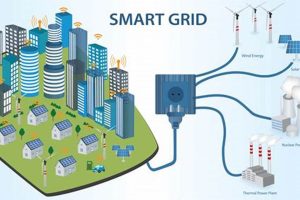
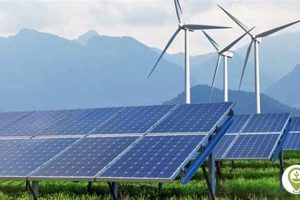
Harnessing power from natural resources like sunlight, wind, water, and geothermal heat offers a sustainable alternative to traditional fossil fuels. For example, solar farms convert sunlight directly into electricity, while geothermal plants utilize the Earth’s internal heat to generate power. These resources offer a continuous supply of energy, reducing reliance on finite, polluting resources.
The archipelago’s unique geography and climate make it ideal for various renewable energy sources. Historically, dependence on imported fossil fuels has presented economic and environmental challenges. Transitioning towards indigenous, clean energy sources strengthens energy security, reduces greenhouse gas emissions, and stimulates economic growth through job creation and investment in local infrastructure.
Further exploration will cover specific renewable energy technologies employed nationwide, the current state of the sector, ongoing government initiatives and policies, challenges and opportunities for future development, and the potential impact on the national economy and environment.
Tips for Supporting Renewable Energy Development in the Philippines
Individuals and communities can contribute to the growth of the renewable energy sector through informed choices and active participation. These tips offer practical guidance for supporting a sustainable energy future.
Tip 1: Invest in rooftop solar: Homeowners and businesses can generate their own clean electricity by installing solar panels. Net metering programs allow excess energy to be fed back into the grid, earning credits on electricity bills.
Tip 2: Support sustainable businesses: Patronize companies committed to using renewable energy and implementing sustainable practices. This encourages wider adoption of clean energy throughout the supply chain.
Tip 3: Advocate for policy changes: Contact elected officials to express support for policies that incentivize renewable energy development and streamline permitting processes.
Tip 4: Educate oneself and others: Learn about the benefits of different renewable energy technologies and share this information with family, friends, and colleagues. Increased public awareness can drive demand and accelerate the transition.
Tip 5: Participate in community initiatives: Explore local programs promoting energy efficiency and renewable energy adoption. Community solar projects and energy cooperatives offer opportunities for collective action.
Tip 6: Consider energy-efficient appliances and practices: Reducing overall energy consumption minimizes reliance on any energy source, including renewables. Energy-efficient appliances and mindful energy use contribute significantly.
Tip 7: Support research and development: Donations to or participation in organizations focused on advancing renewable energy technologies can accelerate innovation and improve efficiency.
By incorporating these tips into daily life, individuals contribute to a more sustainable energy landscape. Collective action can drive significant change, creating a cleaner, more secure energy future for the Philippines.
Moving forward, it is essential to consider the broader implications of these actions and the long-term vision for a sustainable energy future.
1. Solar Power

The Philippine archipelago, with its abundant sunshine, presents a prime location for harnessing solar energy. Solar power offers a significant opportunity to diversify the nation’s energy mix, reduce reliance on fossil fuel imports, and mitigate the effects of climate change. Its decentralized nature also presents unique advantages for electrifying remote areas.
- Grid-Tied Solar Installations
Connecting solar panels directly to the electricity grid allows households and businesses to generate their own power and even sell excess energy back to the utility company. This approach reduces reliance on centralized power plants and promotes energy independence at the consumer level. Numerous residential and commercial grid-tied systems are already operational nationwide, demonstrating the viability of this technology.
- Off-Grid Solar Solutions for Remote Areas
Many remote communities in the Philippines lack access to the national grid. Stand-alone solar systems, coupled with battery storage, offer a reliable and sustainable solution for electrifying these areas, improving living standards, and fostering economic development. Examples include solar-powered microgrids in island communities and remote villages.
- Large-Scale Solar Farms
Developing utility-scale solar farms contributes significantly to national energy production. These projects create jobs, stimulate local economies, and provide clean energy to a wider population. Several large solar farms are already operational or under development, demonstrating the growing investment in this sector.
- Policy and Regulatory Frameworks
Government policies, such as feed-in tariffs and net metering programs, play a vital role in incentivizing solar energy adoption. Streamlined permitting processes and clear regulations are essential for attracting investment and ensuring the sustainable growth of the solar sector. Ongoing policy adjustments aim to further optimize the regulatory environment and promote private sector participation.
The growing solar power sector contributes significantly to the overall renewable energy landscape in the Philippines. Continued development and integration of solar technologies are crucial for achieving energy security, reducing greenhouse gas emissions, and driving sustainable economic growth. The increasing affordability of solar technology and supportive government policies further position solar power as a key driver of the nation’s transition to a cleaner energy future.
2. Wind Energy

Wind energy plays a crucial role in the Philippines’ pursuit of renewable energy development. The country’s extensive coastlines and mountainous terrain offer favorable conditions for harnessing wind power. Utilizing this resource contributes to diversifying the energy mix, reducing reliance on imported fossil fuels, and mitigating greenhouse gas emissions. The development of wind farms creates jobs, stimulates local economies, and enhances energy security by reducing dependence on volatile global fuel markets. For example, the Bangui Wind Farm in Ilocos Norte, one of Southeast Asia’s largest wind farms, demonstrates the viability and potential of wind energy in the archipelago. This project showcases how harnessing wind resources can power communities and contribute to sustainable development.
Several factors influence the effectiveness of wind energy implementation. Wind resource assessment is crucial for identifying suitable locations for wind farms. Transmission infrastructure development is necessary to connect wind farms to the national grid and distribute the generated electricity efficiently. Furthermore, community engagement and public acceptance are essential for the successful implementation of wind projects. Addressing potential environmental impacts, such as noise and visual effects, and ensuring responsible land use practices are crucial for sustainable wind energy development. Government policies, including incentives and streamlined permitting processes, play a vital role in attracting investment and fostering the growth of the wind energy sector. Technological advancements, such as improved turbine efficiency and energy storage solutions, contribute to maximizing the potential of wind power.
Harnessing wind energy offers substantial benefits for the Philippines. It provides a clean and sustainable energy source, reduces dependence on fossil fuels, and contributes to national energy security. Wind farms create economic opportunities in rural communities, and the ongoing development of the sector promotes technological innovation and expertise. However, realizing the full potential of wind energy requires careful planning, strategic investment, and ongoing research and development. Addressing challenges related to grid integration, environmental considerations, and public perception will ensure the sustainable and effective utilization of this valuable resource in the Philippines’ pursuit of a clean energy future.
3. Geothermal Resources

The Philippines, situated along the Pacific Ring of Fire, possesses significant geothermal potential. Harnessing this geothermal energy plays a crucial role in the nation’s renewable energy strategy. Geothermal power plants utilize the Earth’s internal heat to generate electricity, providing a stable, baseload power source that is not dependent on weather conditions like solar or wind power. This reliability makes geothermal energy a valuable component of a diversified renewable energy portfolio. The Makban Geothermal Power Plant in Laguna and the Tiwi Geothermal Power Plant in Albay are examples of successful geothermal operations contributing significantly to the national grid. These facilities demonstrate the practical application of geothermal resources and their contribution to reducing reliance on fossil fuels.
Tapping into geothermal resources offers several advantages. Reduced greenhouse gas emissions compared to fossil fuel-based power generation contribute to mitigating climate change. Indigenous geothermal resources enhance energy independence, reducing vulnerability to global fuel price fluctuations. Geothermal development also stimulates local economies through job creation and infrastructure investment. However, challenges remain, including high upfront development costs and the potential for environmental impacts such as land subsidence and the release of hydrogen sulfide. Careful site selection, environmental impact assessments, and mitigation measures are crucial for ensuring sustainable geothermal development. Technological advancements in drilling and power plant design continue to improve efficiency and minimize environmental impacts.
Geothermal energy offers a significant pathway for the Philippines to achieve its renewable energy targets and reduce its carbon footprint. Continued investment in exploration, development, and technological advancements will be essential for maximizing the potential of this valuable resource. Addressing the challenges associated with geothermal development through robust regulatory frameworks and community engagement will ensure its sustainable and beneficial contribution to the nation’s energy future. The successful integration of geothermal energy into the national grid strengthens energy security, promotes economic growth, and contributes to a cleaner and more sustainable energy landscape.
4. Hydroelectric Dams

Hydroelectric dams represent a significant component of renewable energy generation in the Philippines. Utilizing the natural flow of water to generate electricity, these dams offer a clean and sustainable alternative to fossil fuel-based power plants. The Angat Dam, located in Bulacan, serves as a prime example, providing a substantial portion of the electricity supply for Metro Manila and surrounding areas while also supporting irrigation and flood control. The practical significance of hydroelectric power lies in its capacity for large-scale electricity generation and its ability to provide a stable baseload power source, unlike intermittent renewable sources such as solar and wind power. This stability is crucial for maintaining a reliable electricity grid.
Hydroelectric dams contribute to the nation’s renewable energy goals by reducing reliance on imported fossil fuels and mitigating greenhouse gas emissions. They also offer ancillary benefits, such as water resource management for irrigation and flood control, which contribute to national development objectives beyond energy production. However, the construction and operation of large dams can present environmental and social challenges. Potential impacts on aquatic ecosystems, displacement of communities, and alteration of river flows necessitate careful planning, environmental impact assessments, and mitigation measures. Balancing the benefits of clean energy generation with potential ecological and societal impacts is crucial for responsible hydroelectric development.
Integrating hydroelectric dams into the broader renewable energy landscape requires strategic planning and consideration of various factors. The geographic distribution of water resources, the potential environmental and social impacts, and the economic feasibility of dam projects all influence the role of hydropower in the national energy mix. Optimizing the operation of existing dams, exploring the potential for smaller-scale run-of-river hydropower projects, and integrating hydropower with other renewable energy sources are key strategies for maximizing the contribution of hydroelectric dams to a sustainable energy future for the Philippines. Addressing the inherent challenges associated with large-scale dam projects through robust environmental and social safeguards ensures that hydropower contributes to a balanced and sustainable development pathway.
5. Biomass Utilization

Biomass utilization presents a significant opportunity for renewable energy generation in the Philippines, leveraging agricultural residues, organic waste, and dedicated energy crops. This approach contributes to waste reduction, rural development, and diversification of the energy mix. The conversion of biomass into biofuels, biogas, and biopower offers a sustainable alternative to fossil fuels, reducing greenhouse gas emissions and enhancing energy security. The Philippines’ substantial agricultural sector provides a readily available source of biomass resources, making this a particularly relevant avenue for renewable energy development.
- Biogas from Anaerobic Digestion
Anaerobic digestion of organic waste, such as animal manure and agricultural residues, produces biogas, a mixture primarily composed of methane and carbon dioxide. This biogas can be used directly for cooking and heating or further processed to generate electricity. Small-scale biogas digesters in rural communities provide a clean energy source and improve sanitation, while larger-scale biogas plants contribute to grid-connected electricity generation. This technology reduces reliance on traditional biomass for cooking, mitigating deforestation and indoor air pollution.
- Biofuel Production from Sustainable Feedstocks
Sustainable feedstocks, such as non-food crops and agricultural residues, can be converted into biofuels like biodiesel and bioethanol. These biofuels offer a renewable alternative to conventional transportation fuels, reducing reliance on imported petroleum products and mitigating greenhouse gas emissions. Research and development into optimized biofuel production processes and sustainable feedstock sourcing are crucial for maximizing the environmental and economic benefits of this sector.
- Biomass Power Generation
Biomass power plants utilize dedicated energy crops or agricultural residues to generate electricity through combustion or gasification processes. These plants provide a renewable baseload power source, contributing to grid stability and reducing reliance on fossil fuel-fired power plants. The development of sustainable biomass supply chains and efficient power generation technologies is essential for maximizing the potential of biomass power in the Philippines.
- Policy and Regulatory Frameworks for Biomass Energy
Supportive government policies, including incentives for biomass energy projects and sustainable feedstock production, are crucial for driving the growth of this sector. Clear regulations regarding feedstock sourcing, land use, and environmental safeguards are essential for ensuring the sustainable development of biomass energy resources. Effective policy frameworks attract investment and promote the integration of biomass energy into the national grid.
By integrating biomass utilization into its renewable energy strategy, the Philippines can leverage its abundant agricultural resources to create a more sustainable and resilient energy system. The development of this sector not only contributes to national energy security and environmental sustainability but also fosters rural development, creates economic opportunities, and promotes a circular economy by utilizing agricultural waste streams. Continued investment in research, technology development, and supportive policy frameworks will be essential for realizing the full potential of biomass energy in the Philippines.
Frequently Asked Questions about Renewable Energy in the Philippines
This section addresses common inquiries regarding the development and utilization of renewable energy resources throughout the archipelago.
Question 1: What are the primary types of renewable energy resources being utilized in the Philippines?
The Philippines utilizes various renewable energy sources, including solar, wind, geothermal, hydro, and biomass. Each resource offers unique advantages based on geographical location and technological feasibility.
Question 2: How does the government support renewable energy development?
Government support includes feed-in tariffs, net metering programs, tax incentives, and streamlined permitting processes to encourage investment and development within the renewable energy sector.
Question 3: What are the main barriers to wider adoption of renewable energy?
Challenges include high upfront investment costs for some technologies, grid integration complexities, and the need for enhanced transmission infrastructure to accommodate fluctuating renewable energy sources.
Question 4: What is the potential economic impact of renewable energy growth?
Expanded renewable energy deployment stimulates economic growth through job creation, local manufacturing opportunities, reduced reliance on imported fossil fuels, and increased energy independence.
Question 5: How does renewable energy contribute to environmental sustainability?
Renewable energy sources significantly reduce greenhouse gas emissions compared to fossil fuels, mitigating climate change impacts and improving air quality. They also reduce dependence on finite resources.
Question 6: What role can communities play in supporting renewable energy initiatives?
Communities can support renewable energy by advocating for supportive policies, investing in community-based projects, adopting energy-efficient practices, and educating themselves about the benefits of renewable energy.
Understanding the key aspects of renewable energy development helps to inform decision-making and facilitates a transition towards a more sustainable energy future for the nation.
Further sections will delve into specific case studies, technological advancements, and future prospects for renewable energy in the Philippines.
Renewable Energy in the Philippines
This exploration has highlighted the diverse landscape of renewable energy development within the Philippine archipelago. From harnessing solar and wind power to utilizing geothermal resources, hydropower, and biomass, the nation possesses significant potential for transitioning to a cleaner energy future. Key aspects examined include the environmental and economic benefits of renewable energy adoption, the challenges encountered in its implementation, and the crucial role of government policies, technological advancements, and community engagement in driving sustainable growth. The potential of each renewable energy source, along with its unique benefits and challenges, has been discussed, offering a comprehensive overview of the sector’s current state and future prospects.
The transition to renewable energy represents not merely a shift in energy sources, but a fundamental step towards a more sustainable and resilient future for the Philippines. Continued investment in research and development, supportive policy frameworks, and public awareness campaigns will be crucial for realizing the full potential of these resources. The path towards a cleaner energy future requires concerted effort and collaboration across all sectors, ensuring a sustainable and prosperous future for generations to come. Embracing renewable energy is an investment in the nation’s long-term well-being, safeguarding its environment, strengthening its economy, and ensuring a secure energy future.