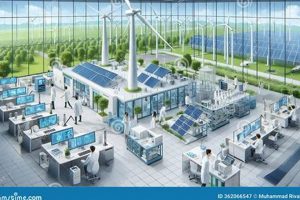
The Caribbean nation’s power sector is undergoing a significant transformation, shifting from a reliance on imported fossil fuels towards cleaner, indigenous sources. This involves harnessing the island’s abundant natural resources, such as solar radiation, wind speeds, and water flows, to generate electricity. For example, large-scale solar farms are being developed, wind turbines are appearing on the landscape, and existing hydroelectric dams are being modernized.
This shift offers numerous advantages, including reduced greenhouse gas emissions, decreased dependence on volatile global fuel prices, and the creation of new jobs in the green energy sector. Historically, the nation has been heavily reliant on imported petroleum products, making it vulnerable to price fluctuations and supply disruptions. The move toward sustainable sources provides greater energy security and contributes to national economic development. Moreover, it aligns with global efforts to combat climate change and promotes a more sustainable future for the island.
Further exploration will reveal specific policies and incentives promoting this energy transition, the challenges faced in implementing these changes, and the potential for future growth in the sector. This includes an examination of the various technologies being deployed, the involvement of international partners, and the impact on local communities.
Tips for Supporting Sustainable Power in the Dominican Republic
The transition to cleaner power sources in the Dominican Republic requires a multifaceted approach involving government policies, private investment, and public awareness. Individuals and organizations can contribute to this vital shift in several ways.
Tip 1: Support Local Initiatives: Advocate for policies that incentivize clean power development and streamline the approval process for renewable energy projects. Participate in community discussions and support local organizations working to advance sustainable energy solutions.
Tip 2: Invest Responsibly: Explore opportunities to invest in renewable energy projects within the country. This can include direct investments in solar or wind farms or supporting businesses that prioritize sustainability.
Tip 3: Promote Energy Efficiency: Reduce energy consumption through simple measures like using energy-efficient appliances, improving building insulation, and adopting sustainable transportation options. This lowers demand for conventional power generation.
Tip 4: Educate and Advocate: Raise awareness about the benefits of clean power within your networks. Share information about the country’s progress in the renewable energy sector and encourage others to support the transition.
Tip 5: Choose Sustainable Tourism: When visiting the Dominican Republic, choose hotels and resorts that prioritize sustainable practices, including the use of renewable energy. Support businesses committed to environmental responsibility.
Tip 6: Research and Stay Informed: Keep abreast of developments in the Dominican Republic’s energy sector. Understand the challenges and opportunities associated with the transition to cleaner power sources.
By embracing these strategies, individuals and organizations can contribute to a more sustainable energy future for the Dominican Republic, fostering economic growth, environmental protection, and energy independence.
These individual actions, combined with larger-scale governmental and private sector initiatives, are crucial for achieving a successful and sustainable energy transition in the Dominican Republic. The future of power generation on the island hinges on the collective commitment to these goals.
1. Solar power expansion

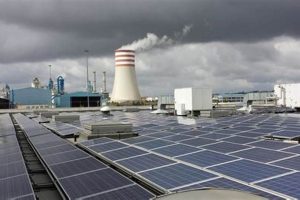
Solar power expansion represents a pivotal component of the Dominican Republic’s renewable energy strategy. The nation’s abundant sunshine offers a significant opportunity to reduce reliance on fossil fuels and embrace a cleaner energy future. Harnessing this potential requires a multifaceted approach encompassing technological advancements, policy frameworks, and investment strategies.
- Resource Assessment and Site Selection
Accurately mapping solar irradiance levels across the country is crucial for identifying optimal locations for solar power plants. Factors such as land availability, proximity to existing grid infrastructure, and environmental impact assessments play a significant role in site selection. Detailed analysis ensures efficient energy generation and minimizes ecological disruption.
- Technology Deployment and Innovation
Utilizing the latest photovoltaic technologies maximizes energy conversion efficiency and reduces the land footprint of solar installations. Exploring innovative approaches, such as incorporating battery storage systems for grid stability, enhances the reliability and effectiveness of solar power integration.
- Policy Frameworks and Incentives
Government policies, including feed-in tariffs, tax incentives, and streamlined permitting processes, are essential for attracting investment and accelerating solar project development. Clear regulatory frameworks provide long-term stability and encourage private sector participation in the renewable energy sector.
- Grid Integration and Infrastructure Development
Integrating solar power seamlessly into the national grid requires upgrading existing transmission lines and substations. Investing in smart grid technologies improves grid management, optimizes energy distribution, and enhances the overall reliability of the power system. This ensures that the generated solar power can be efficiently distributed throughout the country.
These interconnected facets of solar power expansion contribute significantly to the Dominican Republic’s broader renewable energy objectives. By strategically developing its solar resources, the nation can enhance energy security, reduce greenhouse gas emissions, and foster sustainable economic growth. Continued progress in these areas will be crucial for achieving a cleaner and more resilient energy future.
2. Wind energy development

Wind energy development forms an integral part of the Dominican Republic’s renewable energy landscape. The country’s topography and location, exposed to consistent trade winds, create favorable conditions for harnessing wind power. Developing this resource offers a pathway to reduce dependence on imported fossil fuels and contribute to a more sustainable energy mix. For example, the Los Cocos Wind Farm, located in Pedernales province, demonstrates the potential of wind energy, supplying clean electricity to the national grid. This project, along with others like it, underscores the growing importance of wind power in the nation’s energy transition.
The practical significance of wind energy development lies in its capacity to diversify energy sources and enhance energy security. Unlike fossil fuels, wind is a readily available domestic resource, reducing vulnerability to global price fluctuations and supply disruptions. Furthermore, wind power generation produces no greenhouse gas emissions during operation, aligning with national and international climate change mitigation goals. Investing in wind infrastructure stimulates economic growth by creating jobs in manufacturing, installation, maintenance, and related sectors. However, successful wind energy development requires careful planning, considering environmental impacts on local ecosystems and communities. Projects must undergo thorough environmental impact assessments to minimize potential negative effects on wildlife, particularly avian populations. Public engagement and community consultation are also essential for building acceptance and ensuring project sustainability.
The Dominican Republic possesses significant untapped wind energy potential. Continued investment in wind power projects, coupled with supportive government policies and community engagement, will be crucial for maximizing this resource’s contribution to a sustainable energy future. Challenges such as grid integration and transmission infrastructure development must be addressed to ensure efficient delivery of wind-generated electricity. Ultimately, realizing the full potential of wind energy will play a key role in achieving the nation’s long-term renewable energy targets and promoting sustainable development.
3. Hydropower modernization
Hydropower modernization represents a crucial aspect of the Dominican Republic’s renewable energy strategy. The country has a history of hydropower utilization, and upgrading existing facilities offers a cost-effective pathway to increase renewable energy generation and improve grid stability. Modernization efforts focus on enhancing the efficiency and safety of existing dams and powerhouses, while also addressing environmental concerns associated with aging infrastructure. For example, the rehabilitation of the Sabana Yegua dam illustrates the potential of modernization to extend the operational lifespan and improve the performance of hydropower plants.
The practical significance of hydropower modernization stems from its ability to maximize the output of existing resources without requiring extensive new construction. Upgrading turbines, generators, and control systems can significantly increase electricity generation capacity. Modernization also improves dam safety and reduces environmental impacts by incorporating updated design features and operational practices. Improved water management systems can optimize water flow and minimize disruptions to downstream ecosystems. These enhancements contribute to a more sustainable and reliable hydropower sector. However, modernization projects require careful planning and execution. Assessing the environmental and social impacts of proposed upgrades is essential for minimizing potential negative consequences. Engaging with local communities and addressing their concerns ensures project acceptance and fosters a sense of shared ownership.
Hydropower modernization offers a compelling opportunity to enhance the Dominican Republic’s renewable energy portfolio. By leveraging existing infrastructure and incorporating technological advancements, the country can cost-effectively increase clean electricity generation, improve grid reliability, and reduce its reliance on fossil fuels. Addressing potential environmental and social impacts through careful planning and community engagement is crucial for ensuring the long-term sustainability of hydropower projects. Continued investment in modernization efforts will be essential for maximizing the contribution of hydropower to the nation’s renewable energy goals and achieving a more sustainable energy future.
4. Biomass potential

Biomass potential represents a significant, yet largely untapped, component of the Dominican Republic’s renewable energy landscape. The nation’s agricultural sector, particularly sugarcane production, generates substantial biomass residues that can be utilized for electricity generation. Exploring this potential offers a pathway to diversify energy sources, reduce reliance on fossil fuel imports, and create economic opportunities in rural communities. Developing biomass energy also aligns with national strategies for sustainable waste management and greenhouse gas emission reduction.
- Sugarcane Bagasse Utilization
Sugarcane bagasse, the fibrous residue left after sugar extraction, is a readily available biomass resource in the Dominican Republic. Several sugar mills already utilize bagasse for electricity generation, demonstrating the feasibility of this approach. Expanding bagasse-based power generation can further displace fossil fuels and contribute to a more sustainable sugar industry. For example, some mills are exploring cogeneration systems, which produce both electricity and heat, maximizing energy efficiency.
- Agricultural Residue Management
Beyond sugarcane, other agricultural activities generate substantial biomass residues, including rice husks, coffee pulp, and livestock manure. These materials can be converted into biogas through anaerobic digestion or used as feedstock for biomass power plants. Developing these alternative biomass sources diversifies the renewable energy portfolio and promotes sustainable agricultural practices. Properly managing these residues offers both environmental and economic benefits to rural communities.
- Biogas Production and Utilization
Biogas, primarily composed of methane, can be produced from anaerobic digestion of organic waste, including agricultural residues, municipal solid waste, and wastewater. Biogas can be used directly for cooking and heating or upgraded to biomethane for injection into natural gas pipelines or use as vehicle fuel. Developing biogas infrastructure can reduce reliance on imported natural gas and create new income streams from waste management.
- Policy and Investment Frameworks
Supportive government policies, including feed-in tariffs, tax incentives, and streamlined permitting processes, are crucial for attracting investment in biomass energy projects. Clear regulations and standards for biomass utilization ensure environmental sustainability and promote private sector participation. Targeted investments in research and development can further enhance the efficiency and cost-effectiveness of biomass energy technologies.
Realizing the full potential of biomass energy in the Dominican Republic requires a comprehensive approach encompassing resource assessment, technology deployment, policy support, and community engagement. By strategically developing its biomass resources, the nation can diversify its energy mix, reduce reliance on fossil fuels, and create economic opportunities in rural areas. This contributes significantly to the overall goal of achieving a sustainable and secure energy future.
5. Policy and Investment

Effective policies and strategic investments are fundamental drivers of the Dominican Republic’s renewable energy transition. The regulatory framework and financial incentives established by the government play a crucial role in attracting private sector participation, fostering innovation, and accelerating the deployment of renewable energy technologies. Analyzing these policy and investment dynamics is essential for understanding the progress and challenges of the nation’s pursuit of a sustainable energy future.
- Renewable Energy Targets and Mandates
Establishing ambitious renewable energy targets and mandates provides a clear direction for the energy sector and signals the government’s commitment to clean power development. For instance, the Dominican Republic’s Renewable Energy Law sets targets for renewable energy generation, creating a predictable market for investors and incentivizing project development. These targets drive the expansion of various renewable energy sources and contribute to national energy security goals. However, setting realistic and achievable targets, backed by robust implementation plans, is crucial for ensuring policy effectiveness.
- Financial Incentives and Support Mechanisms
Financial incentives, such as tax credits, feed-in tariffs, and grants, play a vital role in reducing the cost of renewable energy projects and attracting private investment. For example, offering tax breaks for renewable energy equipment imports can stimulate market growth and make clean energy technologies more accessible. However, designing incentive programs that are financially sustainable and avoid market distortions is essential for long-term success. Clear guidelines and transparent application processes are crucial for building investor confidence and ensuring efficient allocation of resources.
- Grid Modernization and Infrastructure Development
Investing in grid modernization and infrastructure development is essential for integrating renewable energy sources seamlessly into the national power system. Upgrading transmission lines and substations, along with implementing smart grid technologies, enhances grid stability and accommodates the intermittent nature of solar and wind power. Adequate grid infrastructure is crucial for ensuring efficient electricity distribution and minimizing transmission losses. Public-private partnerships can play a significant role in financing and implementing these critical infrastructure projects.
- International Cooperation and Partnerships
International cooperation and partnerships provide access to technical expertise, financial resources, and best practices in renewable energy development. Collaborating with international organizations, development banks, and other countries facilitates knowledge sharing and capacity building within the Dominican Republic’s renewable energy sector. For example, partnerships with experienced international developers can facilitate technology transfer and accelerate project implementation. Accessing concessional financing through international partnerships can also reduce the cost of capital for renewable energy projects.
The interplay between policy and investment is crucial for shaping the trajectory of renewable energy development in the Dominican Republic. Effective policies create a stable and predictable investment environment, while strategic investments drive technological innovation and accelerate the deployment of clean energy solutions. Aligning policy goals with investment priorities is essential for achieving a sustainable energy future and maximizing the socio-economic benefits of the renewable energy transition. Continued evaluation and adaptation of policies and investment strategies are necessary to address evolving market dynamics and technological advancements.
Frequently Asked Questions about Renewable Energy in the Dominican Republic
This section addresses common inquiries regarding the nation’s transition to renewable energy sources.
Question 1: What is the current contribution of renewable energy to the Dominican Republic’s electricity mix?
While the Dominican Republic still relies heavily on fossil fuels, renewable energy sources, including hydropower, wind, and solar, are contributing a growing share of the electricity mix. Specific data on the current percentage can be found in official reports from the national energy commission.
Question 2: What are the primary challenges hindering faster renewable energy development?
Challenges include grid infrastructure limitations, financing constraints for large-scale projects, and the need for further development of technical expertise within the local workforce. Addressing these obstacles requires strategic planning and investment in grid modernization, capacity building, and streamlined regulatory processes.
Question 3: How does renewable energy development impact the Dominican Republic’s economy?
Renewable energy development creates jobs in manufacturing, installation, maintenance, and related sectors. It also reduces reliance on imported fossil fuels, saving foreign exchange and contributing to greater energy independence. Furthermore, it attracts foreign investment and promotes sustainable economic growth.
Question 4: What role do international partnerships play in advancing renewable energy in the Dominican Republic?
International partnerships provide access to technical expertise, financial resources, and best practices. Collaborations with international organizations and developed countries facilitate technology transfer, capacity building, and project development, accelerating the nation’s renewable energy transition.
Question 5: How can individuals and communities contribute to supporting renewable energy adoption?
Individuals can support renewable energy by advocating for supportive policies, investing in clean energy projects, reducing personal energy consumption, and choosing sustainable tourism options. Community involvement in renewable energy projects ensures local benefits and promotes wider acceptance of clean energy technologies.
Question 6: What is the long-term vision for renewable energy in the Dominican Republic?
The long-term vision is to achieve a significantly higher percentage of renewable energy in the electricity mix, reducing greenhouse gas emissions, enhancing energy security, and creating a more sustainable energy future for the nation. This involves continued investment in various renewable energy technologies, grid modernization, and supportive policies.
Understanding the current state, challenges, and future prospects of renewable energy in the Dominican Republic is crucial for informed decision-making and effective participation in the ongoing energy transition. Continued engagement and collaboration among stakeholders are essential for achieving a sustainable energy future.
For further information, explore detailed reports and analyses available from government agencies, research institutions, and international organizations working in the Dominican Republic’s energy sector.
Dominican Republic Renewable Energy
This exploration has highlighted the multifaceted nature of the Dominican Republic’s energy transition. From harnessing solar and wind resources to modernizing hydropower infrastructure and exploring biomass potential, the nation is actively pursuing a more sustainable energy future. Supportive government policies, strategic investments, and international collaborations are crucial for navigating the challenges and maximizing the benefits of this transformation. The progress made in diversifying the energy mix demonstrates a commitment to reducing reliance on fossil fuels, mitigating climate change, and fostering sustainable economic growth.
The Dominican Republic’s journey toward renewable energy independence requires continued dedication and collaboration among all stakeholders. The transition represents not only an investment in clean power generation but also an investment in the nation’s long-term prosperity, environmental resilience, and energy security. The future of energy in the Dominican Republic hinges on sustained commitment to innovation, policy implementation, and community engagement, ensuring a cleaner, more secure, and sustainable energy landscape for generations to come.