Designated areas across the country are being strategically developed to host large-scale renewable energy generation and transmission infrastructure. These geographic areas facilitate coordinated investment in renewable energy projects like wind, solar, and hydro power. They offer a more streamlined approach to connecting new projects to the national electricity grid, optimizing energy distribution and reducing overall costs. For example, a designated area might be selected due to its high wind resources and proximity to existing transmission lines, maximizing efficiency and minimizing environmental impact.
This planned approach to expanding renewable energy infrastructure offers several crucial advantages. It facilitates the rapid deployment of clean energy, supporting the nation’s transition to a lower-carbon future and contributing to emissions reduction targets. By strategically locating these generation hubs, grid stability is enhanced and the risk of blackouts minimized. Furthermore, the development of these focused areas creates jobs in regional communities and attracts significant investment, stimulating economic growth. Historically, energy infrastructure development has been more fragmented. This coordinated approach represents a significant shift towards a more efficient and sustainable model.
This structured approach to renewable energy development encompasses several key considerations, including grid connection processes, community engagement, and environmental impact assessments. The following sections will delve deeper into these crucial aspects, exploring the intricacies of project planning, regulatory frameworks, and the socio-economic implications of these transformative initiatives.
Tips for Engaging with Designated Renewable Energy Areas
Successful integration of large-scale renewable energy projects requires careful consideration of various factors. The following tips provide guidance for effective engagement with these designated areas.
Tip 1: Early Stakeholder Engagement: Proactive communication with local communities and relevant stakeholders is essential from the outset. Early engagement builds trust and fosters collaborative relationships, ensuring project acceptance and minimizing potential conflicts.
Tip 2: Thorough Site Assessments: Comprehensive environmental and technical assessments are crucial for identifying potential risks and optimizing project design. Detailed studies of wind resources, solar irradiance, and ecological factors inform optimal site selection and minimize environmental impact.
Tip 3: Grid Connectivity Planning: Careful consideration of grid capacity and connection infrastructure is paramount. Early engagement with transmission network service providers ensures efficient integration of new generation capacity and minimizes grid instability.
Tip 4: Regulatory Compliance: Adherence to all applicable regulations and permitting processes is essential. Navigating regulatory frameworks efficiently streamlines project development and avoids costly delays.
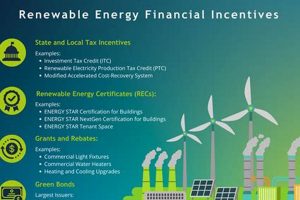
Tip 5: Investment and Financing Strategies: Securing appropriate investment and financing is crucial for project success. Exploring diverse funding mechanisms and developing robust financial models ensures project viability.
Tip 6: Workforce Development: Investing in local workforce development programs ensures access to skilled labor and maximizes the socio-economic benefits of these projects for surrounding communities.
Tip 7: Long-Term Sustainability: Planning for long-term operations and maintenance is critical for maximizing project lifespan and ensuring ongoing community benefits. This includes decommissioning strategies and environmental monitoring.
By adhering to these principles, stakeholders can contribute to the successful development and integration of large-scale renewable energy projects, maximizing their economic and environmental benefits.
These considerations provide a foundational understanding for the successful implementation of renewable energy projects within designated areas. The subsequent conclusion will summarize key findings and underscore the importance of this strategic approach.
1. Strategic Geographic Locations

The efficacy of designated renewable energy areas hinges significantly on strategic geographic placement. Optimal locations maximize resource utilization, minimize infrastructure costs, and reduce environmental impact, contributing substantially to project viability and long-term sustainability. Careful consideration of geographic factors is therefore fundamental to the success of these initiatives.
- Resource Availability:
Areas with abundant renewable resources, such as consistent wind speeds, strong solar irradiance, or significant hydroelectric potential, are prioritized. For example, regions with documented high average wind speeds are ideal for wind farms, while areas with consistent sunshine are suited for solar installations. Matching resource availability with project type maximizes energy generation and overall project efficiency.
- Grid Connectivity:
Proximity to existing transmission infrastructure is crucial for efficient energy delivery. Locating projects near existing power lines minimizes the need for extensive new transmission infrastructure, reducing costs and environmental disruption. For instance, a solar farm built near a major transmission line can readily feed generated electricity into the grid, minimizing transmission losses and accelerating project deployment.
- Environmental Considerations:
Minimizing environmental impact is paramount. Geographic locations are assessed to avoid sensitive ecosystems, protect biodiversity, and minimize land use conflicts. For example, avoiding areas with endangered species habitats or critical water resources ensures environmental protection and reduces potential project delays. Comprehensive environmental impact assessments are conducted to inform site selection and mitigation strategies.
- Community Impact:
Consideration of community needs and potential impacts is essential. Engagement with local communities ensures that projects align with local priorities and contribute positively to social and economic development. For instance, projects situated near existing industrial areas can repurpose existing infrastructure and provide employment opportunities, maximizing local benefits and fostering community support.
These interconnected geographic factors underpin the successful implementation of designated renewable energy areas. By carefully considering resource availability, grid connectivity, environmental impact, and community needs, project developers can maximize benefits, minimize risks, and contribute to a sustainable energy future. This strategic approach ensures that these zones effectively support the transition to a cleaner and more resilient energy system.
2. Renewable Resource Potential

Renewable resource potential forms the bedrock of designated renewable energy areas. The viability and success of these zones are intrinsically linked to the availability and quality of renewable resources within their boundaries. Careful assessment of resource potential solar irradiance, wind speeds, and hydroelectric capacity informs site selection, technology choices, and ultimately, the overall effectiveness of these energy hubs. A detailed understanding of resource potential is essential for optimizing energy generation, minimizing environmental impact, and ensuring long-term project viability. For example, regions with consistently high wind speeds are ideally suited for wind farms, while areas with abundant sunshine offer significant potential for solar photovoltaic installations. Accurately quantifying this potential allows developers to optimize project design and maximize energy output.
Quantifying renewable resource potential requires sophisticated analysis. Detailed meteorological data, topographical surveys, and hydrological studies are crucial for accurately assessing the capacity of a given area to generate renewable energy. Advanced modelling techniques are employed to predict energy yield, optimize turbine placement, and minimize environmental disruption. For instance, wind resource maps, generated using long-term wind data and sophisticated modelling software, provide crucial insights into wind speed distribution and turbulence intensity, allowing developers to optimize turbine placement for maximum energy capture. Similarly, solar irradiance data and shading analysis inform the optimal placement and configuration of solar panels. This rigorous assessment of resource potential ensures that projects are strategically located and designed for maximum efficiency and output.
Understanding and effectively harnessing renewable resource potential is therefore crucial for the success of designated renewable energy areas. Accurate assessment informs investment decisions, optimizes project design, and maximizes the long-term benefits of these initiatives. By leveraging advanced analytical tools and detailed resource assessments, these zones can effectively contribute to a sustainable energy future. However, challenges remain in accurately predicting long-term resource availability due to climate variability, requiring ongoing monitoring and adaptive management strategies. Addressing these challenges will be crucial for ensuring the continued success and resilience of these vital energy hubs.
3. Transmission Infrastructure

Transmission infrastructure plays a critical role in the success of designated renewable energy areas. These zones, often located in regions with high renewable resource potential, require robust transmission networks to efficiently deliver generated electricity to population centers and industrial hubs. The capacity and reliability of transmission infrastructure directly impact the viability and effectiveness of these renewable energy projects. Insufficient transmission capacity can lead to curtailment, where renewable energy generation is reduced due to grid limitations, hindering the realization of their full potential. Investing in new transmission lines and upgrading existing infrastructure is therefore essential for maximizing the benefits of these zones. For example, connecting a remote wind farm to the national grid through high-capacity transmission lines enables the delivery of clean energy to distant cities, supporting national renewable energy targets and reducing reliance on fossil fuels. Furthermore, strategic grid reinforcements can enhance overall grid stability and reliability, accommodating the intermittent nature of renewable energy sources.
The development of transmission infrastructure must be carefully coordinated with the planning and deployment of renewable energy projects within designated areas. Early engagement between transmission network service providers and project developers is crucial for ensuring timely and cost-effective grid connections. Detailed grid impact studies are conducted to assess the impact of new renewable generation on the existing network and identify necessary upgrades. For instance, integrating large-scale solar farms into the grid might require upgrading substations and installing advanced grid management systems to maintain voltage stability and prevent blackouts. Moreover, strategic planning of transmission infrastructure can unlock access to remote renewable resources, expanding the geographic reach of these designated areas. Building new transmission lines into areas with untapped wind or solar potential can stimulate economic development in these regions while contributing to national renewable energy goals. Such proactive planning ensures that transmission infrastructure effectively supports the growth and integration of renewable energy, maximizing the benefits of these designated areas.
In summary, robust and strategically planned transmission infrastructure is indispensable for the success of designated renewable energy areas. It enables efficient delivery of renewable energy, enhances grid stability, and unlocks access to remote resources. Addressing transmission constraints through timely investments and coordinated planning is crucial for maximizing the contribution of these zones to a sustainable energy future. However, challenges remain, including securing funding for large-scale transmission projects, navigating complex regulatory processes, and minimizing the environmental and social impacts of new infrastructure development. Overcoming these challenges will require collaborative efforts from governments, industry stakeholders, and local communities, ensuring that transmission infrastructure effectively supports the transition to a cleaner and more resilient energy system.
4. Investment and Job Creation
Designated renewable energy areas serve as significant catalysts for investment and job creation, driving economic growth and development in regional communities. The substantial financial resources required for developing large-scale renewable energy projects generate a ripple effect throughout the economy. Capital investment flows into manufacturing, construction, installation, and maintenance of renewable energy infrastructure, stimulating economic activity and creating employment opportunities across various skill levels. For example, the construction of a large-scale solar farm requires skilled electricians, engineers, construction workers, and support staff, generating numerous jobs during the construction phase. Furthermore, ongoing operations and maintenance create long-term employment opportunities for local communities, contributing to sustainable economic development. These investments not only create direct jobs within the renewable energy sector but also stimulate indirect job creation in related industries, such as transportation, logistics, and hospitality. The influx of workers and businesses into these regions generates demand for goods and services, further boosting local economies.
The strategic focus on designated renewable energy areas also attracts both domestic and international investment. The certainty provided by government policies and streamlined regulatory processes creates a favorable investment environment, attracting private sector capital and accelerating the deployment of renewable energy projects. For instance, government incentives, such as tax credits and feed-in tariffs, can significantly enhance the financial viability of renewable energy projects, attracting private investors and driving economic growth. Furthermore, the development of renewable energy zones can lead to the establishment of new manufacturing facilities for components such as solar panels and wind turbine blades, creating further investment and employment opportunities. This localized manufacturing can reduce reliance on imported components, strengthening domestic supply chains and enhancing energy security. Moreover, the transition to a cleaner energy system reduces reliance on volatile fossil fuel markets, providing long-term price stability and enhancing energy independence, offering additional economic benefits.
In conclusion, designated renewable energy areas are powerful engines of investment and job creation. They stimulate economic growth, create diverse employment opportunities, and attract significant capital investment. This strategic approach to renewable energy development not only contributes to a cleaner energy future but also fosters sustainable economic development and enhances regional prosperity. However, challenges remain in ensuring equitable distribution of benefits and addressing potential displacement of existing industries. Careful planning and community engagement are essential for maximizing the positive socio-economic impacts of these zones and ensuring a just transition to a sustainable energy future.
5. Grid Stability Enhancement

Designated renewable energy areas play a crucial role in enhancing grid stability, a critical factor in ensuring a reliable and secure electricity supply. The increasing integration of intermittent renewable energy sources, such as solar and wind power, presents challenges to grid stability due to their fluctuating output. These designated areas offer a strategic approach to address these challenges by facilitating coordinated planning and deployment of grid-supporting technologies and infrastructure. This proactive approach ensures that the transition to a cleaner energy system does not compromise grid reliability.
- Strategic Placement of Generation:
Locating renewable energy generation within designated areas allows for optimized grid integration. By strategically siting projects near existing transmission infrastructure and load centers, grid congestion and transmission losses are minimized. For example, a solar farm built near a major industrial area can directly supply electricity to local businesses, reducing strain on the wider transmission network and enhancing local grid stability.
- Integration of Grid-Forming Technologies:
Designated areas facilitate the integration of advanced grid-forming technologies, such as synchronous condensers and advanced inverters, which provide essential grid services traditionally supplied by conventional power plants. These technologies enhance grid stability by providing inertia, voltage support, and frequency regulation, enabling higher penetrations of renewable energy. For instance, incorporating synchronous condensers into a wind farm can enhance grid inertia and improve its ability to withstand disturbances, ensuring continued grid stability even during periods of high wind variability.
- Coordinated Planning and Development:
The structured development within designated areas allows for coordinated planning of generation and transmission infrastructure. This integrated approach ensures that new renewable energy projects are seamlessly integrated into the grid, minimizing potential stability issues. For example, coordinating the development of a wind farm with the construction of a new transmission line ensures that the generated electricity can be efficiently transported to consumers without overloading existing infrastructure, enhancing overall grid stability.
- Demand-Side Management:
Designated renewable energy areas can also facilitate the implementation of demand-side management strategies, which optimize energy consumption patterns to better match renewable energy generation. By encouraging flexible energy use and incentivizing demand response programs, grid stability can be enhanced. For instance, implementing time-of-use tariffs can encourage consumers to shift their energy consumption to periods of high renewable energy generation, reducing reliance on conventional power plants and improving grid stability.
By facilitating these strategies, designated renewable energy areas contribute significantly to grid stability enhancement. This proactive approach ensures that the transition to a cleaner energy system does not compromise grid reliability, paving the way for a secure and sustainable energy future. The ongoing development and refinement of these strategies, along with continued investment in grid modernization, will be essential for ensuring a stable and resilient electricity grid as renewable energy penetration continues to increase.
6. Community Engagement

Effective community engagement is essential for the successful development and implementation of renewable energy zones. These projects, often located in regional areas, have significant impacts on local communities, necessitating proactive and transparent communication with residents and stakeholders. Building trust and fostering collaboration through meaningful engagement ensures project acceptance, minimizes potential conflicts, and maximizes the socio-economic benefits for affected communities. Open dialogue and collaborative partnerships are crucial for navigating potential challenges and ensuring that renewable energy projects contribute positively to the well-being of local residents.
- Early and Ongoing Communication:
Transparent and accessible communication channels are essential throughout the project lifecycle, from initial planning stages to ongoing operations. Regular updates, community meetings, and readily available information resources keep residents informed about project progress, address concerns, and foster a sense of ownership. For example, establishing a community liaison officer provides a direct point of contact for residents, ensuring their voices are heard and their questions are addressed promptly. This proactive communication builds trust and reduces the likelihood of misinformation and opposition.
- Benefit Sharing Mechanisms:
Implementing mechanisms that directly benefit local communities fosters support for renewable energy projects. These mechanisms can include community ownership models, local employment opportunities, infrastructure improvements, and investment in community development projects. For instance, offering discounted electricity rates to residents living near a wind farm provides a tangible economic benefit, increasing community acceptance and fostering positive relationships. Similarly, prioritizing local businesses for construction and maintenance contracts maximizes the economic benefits for the surrounding region.
- Addressing Community Concerns:
Actively addressing community concerns regarding visual impacts, noise pollution, and potential environmental effects is crucial for building trust and ensuring project acceptance. Conducting thorough environmental impact assessments, implementing mitigation measures, and establishing independent monitoring programs demonstrates a commitment to minimizing negative impacts and protecting local ecosystems. For example, designing wind turbine layouts that minimize visual impact on nearby residences and implementing noise reduction measures can address community concerns and enhance project acceptance. Openly addressing these concerns and demonstrating a commitment to environmental stewardship builds trust and fosters positive relationships.
- Collaborative Decision-Making:
Involving communities in the decision-making process empowers residents and ensures that projects align with local priorities and values. Establishing community advisory panels, conducting public consultations, and incorporating community feedback into project design demonstrates respect for local knowledge and fosters a sense of shared responsibility. For example, involving local communities in the selection of project sites and infrastructure routes ensures that projects minimize disruption to existing land uses and align with community development goals. This collaborative approach strengthens community support and contributes to the long-term success of renewable energy projects.
These interconnected facets of community engagement contribute significantly to the successful development and integration of renewable energy zones. By prioritizing open communication, benefit sharing, addressing community concerns, and fostering collaborative decision-making, these projects can gain social license, maximize their positive impacts, and contribute to a just and sustainable energy transition. Effective community engagement is not merely a procedural requirement but a fundamental element of responsible renewable energy development, ensuring that these projects benefit both the environment and the communities they serve.
7. Environmental Sustainability
Environmental sustainability forms a cornerstone of designated renewable energy areas in Australia. These zones are not merely about generating clean energy; they represent a commitment to minimizing environmental impact throughout the entire project lifecycle, from site selection and construction to operation and decommissioning. This commitment is crucial not only for mitigating potential negative effects but also for maximizing the long-term ecological benefits of transitioning to a renewable energy system. For example, careful site selection avoids sensitive ecosystems and critical habitats, minimizing disturbance to biodiversity. Similarly, implementing erosion control measures during construction protects water quality and prevents soil degradation. These considerations demonstrate the intrinsic link between environmental sustainability and the successful implementation of renewable energy zones.
The shift to renewable energy within these designated areas offers significant environmental advantages compared to traditional fossil fuel-based generation. Reduced greenhouse gas emissions contribute to mitigating climate change, a key driver behind the establishment of these zones. Furthermore, renewable energy projects have a smaller footprint on water resources compared to conventional power plants, crucial in a water-stressed continent like Australia. For instance, solar farms require minimal water for operation, unlike coal-fired power plants, which consume significant quantities of water for cooling. This reduced water footprint contributes to water conservation and enhances the ecological sustainability of these designated areas. Moreover, the transition to renewable energy reduces air pollution associated with fossil fuel combustion, improving air quality and public health outcomes. These environmental benefits underscore the importance of prioritizing environmental sustainability within designated renewable energy areas.
However, achieving true environmental sustainability requires ongoing vigilance and adaptive management. While renewable energy technologies offer significant environmental advantages, potential impacts such as land use change, habitat fragmentation, and noise pollution must be carefully managed. Robust environmental impact assessments, rigorous monitoring programs, and ongoing engagement with environmental stakeholders are crucial for minimizing these impacts and ensuring that renewable energy zones contribute positively to long-term ecological health. Furthermore, incorporating circular economy principles into project design and implementation, such as recycling and repurposing decommissioned equipment, further enhances the environmental sustainability of these zones. Addressing these challenges effectively is essential for realizing the full environmental potential of designated renewable energy areas and ensuring a truly sustainable energy future for Australia.
Frequently Asked Questions
This section addresses common inquiries regarding designated areas for renewable energy development in Australia. Understanding these key aspects is crucial for fostering informed discussions and supporting effective implementation.
Question 1: What are the primary objectives of these designated areas?
These zones aim to accelerate the deployment of large-scale renewable energy generation and transmission, contributing to national emissions reduction targets, stimulating economic growth in regional areas, and enhancing grid stability.
Question 2: How are these areas selected?
Site selection is based on rigorous assessment of renewable resource potential (wind, solar, hydro), proximity to existing transmission infrastructure, environmental considerations, and potential socio-economic impacts on local communities.
Question 3: What types of renewable energy projects are typically developed within these zones?
These zones accommodate a range of renewable energy technologies, including large-scale wind farms, solar photovoltaic (PV) installations, pumped hydro storage projects, and potentially other emerging technologies like green hydrogen production.
Question 4: How do these designated areas benefit local communities?
Development within these areas stimulates job creation in construction, operation, and maintenance of renewable energy facilities. It also attracts investment, boosts local economies, and can lead to improved infrastructure and community development initiatives.
Question 5: What environmental considerations are taken into account during project development?
Environmental impact assessments are conducted to evaluate potential effects on biodiversity, water resources, land use, and cultural heritage. Mitigation measures are implemented to minimize negative impacts and ensure environmental sustainability.
Question 6: How are grid connection challenges addressed within these zones?
Coordinated planning of generation and transmission infrastructure within designated areas ensures efficient grid integration. Investment in new transmission lines and grid-supporting technologies enhances grid stability and accommodates the increasing penetration of renewable energy.
Addressing these common questions provides a clearer understanding of the purpose, benefits, and potential challenges associated with designated renewable energy areas. This knowledge fosters informed public discourse and supports effective implementation of these crucial initiatives.
For further information and specific details regarding individual projects, please consult relevant government resources and industry publications.
Australia Renewable Energy Zones
Australia’s designated renewable energy zones represent a strategic approach to accelerating the nation’s transition to a cleaner and more secure energy system. This structured approach facilitates the efficient deployment of large-scale renewable energy generation and transmission, optimizing resource utilization, enhancing grid stability, and stimulating economic growth in regional communities. Careful consideration of environmental impacts, coupled with robust community engagement, ensures that these zones contribute positively to both ecological and socio-economic well-being. From strategic geographic placement to meticulous resource assessment, transmission infrastructure development, and community partnership building, each facet of these zones contributes to a cohesive strategy for a sustainable energy future.
The successful implementation of these zones is crucial for achieving national emissions reduction targets and ensuring a reliable and affordable energy supply for future generations. Continued investment, innovation, and collaboration among government, industry, and communities will be essential for realizing the full potential of Australia renewable energy zones and solidifying their role in a sustainable energy landscape. The transition represents not merely a shift in energy sources but a fundamental step towards a more resilient and prosperous future.