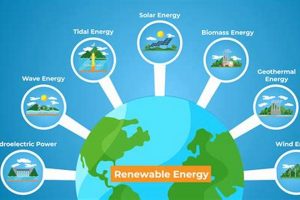
The effectiveness of renewable energy sources in converting available natural resources, like sunlight, wind, or geothermal heat, into usable power varies considerably. For instance, solar photovoltaic panels typically convert between 15% and 20% of incident sunlight into electricity, while hydroelectric dams can achieve efficiencies exceeding 90%. This conversion rate significantly impacts the land use, resource requirements, and overall environmental impact of each technology.
Maximizing the energy output from renewable sources is essential for reducing reliance on fossil fuels and mitigating climate change. Historical advancements in materials science, engineering, and grid management have steadily improved the performance of renewable energy technologies, leading to greater affordability and wider adoption. Continued research and development are crucial for driving further advancements and unlocking the full potential of these resources.
This exploration will delve into the specific efficiencies of various renewable energy technologies, examine the factors influencing their performance, and discuss ongoing efforts to enhance their effectiveness. Further discussion will include the economic and environmental implications of improvements in renewable energy conversion rates.
Tips for Maximizing Renewable Energy Benefits
Optimizing the use of renewable energy requires careful consideration of several factors. The following tips provide guidance for maximizing the benefits of these vital resources.
Tip 1: Conduct a Thorough Site Assessment: Evaluating local resource availability, such as solar irradiance, wind speed, or geothermal potential, is crucial for selecting the most suitable renewable energy technology. A professional assessment helps determine the optimal system size and placement.
Tip 2: Invest in High-Efficiency Technology: Selecting certified high-efficiency equipment maximizes energy production and reduces long-term costs. Researching and comparing performance specifications is essential.
Tip 3: Optimize System Design and Installation: Proper installation and system design, including factors such as panel orientation for solar or turbine placement for wind, significantly influence energy output. Professional installation ensures proper functioning and safety.
Tip 4: Implement Smart Grid Technologies: Integrating renewable energy sources with smart grid technologies enhances grid stability and optimizes energy distribution, reducing transmission losses and improving overall efficiency.
Tip 5: Explore Hybrid Systems: Combining different renewable energy technologies, such as solar and wind, can provide a more consistent energy supply and address intermittency challenges.
Tip 6: Regular Maintenance and Monitoring: Scheduled maintenance and performance monitoring ensure optimal system operation and identify potential issues early, preventing costly repairs and maximizing energy production.
Tip 7: Consider Energy Storage Solutions: Integrating energy storage solutions, such as batteries, allows for the capture and utilization of excess energy generated during peak production periods, providing a consistent power supply even when resources are unavailable.
Implementing these strategies enhances the effectiveness of renewable energy systems, reduces environmental impact, and contributes to a sustainable energy future.
By understanding and addressing the factors affecting renewable energy efficiency, individuals, businesses, and communities can transition toward a cleaner, more sustainable energy landscape.
1. Resource Availability

Resource availability fundamentally constrains the effectiveness of renewable energy systems. The amount of sunlight, wind, geothermal heat, or hydropower potential dictates the upper limit of energy generation. A site with low solar irradiance, for instance, will necessitate a larger solar array to produce the same amount of electricity as a site with high solar irradiance, impacting land use and cost-effectiveness. Similarly, regions with limited wind resources will require taller and more numerous wind turbines to capture sufficient energy, potentially increasing environmental and visual impacts. Understanding resource availability is paramount for optimizing system design and maximizing energy output.
Geothermal power plants exemplify the direct link between resource availability and energy production. Regions with readily accessible high-temperature geothermal reservoirs can generate electricity more efficiently than those relying on enhanced geothermal systems, which require additional energy input to fracture rocks and access heat. Similarly, hydropower potential is directly tied to water availability and flow rates. Seasonal variations in rainfall can significantly affect the energy output of hydroelectric dams, highlighting the importance of resource assessment and management strategies.
Accurate resource assessment is crucial for informed decision-making regarding renewable energy project development. Detailed analysis of solar irradiance, wind speed profiles, geothermal gradients, and hydrological data informs the selection of appropriate technologies, optimal system sizing, and strategic placement. This understanding, coupled with continuous monitoring of resource availability, allows operators to predict energy output, manage intermittency challenges, and maximize the overall effectiveness of renewable energy systems.
2. Conversion Technology

Conversion technology plays a pivotal role in determining the overall efficiency of renewable energy systems. This technology encompasses the devices and processes responsible for transforming naturally occurring energy sources, such as sunlight, wind, or geothermal heat, into usable forms of power, primarily electricity. The efficiency of this conversion process directly impacts the amount of energy ultimately harnessed from the available resource. For instance, advancements in photovoltaic cell design and manufacturing have led to significant increases in the efficiency of solar panels, allowing them to convert a greater percentage of incident sunlight into electricity. This, in turn, reduces the land area required for solar farms and lowers the overall cost of solar power generation. Conversely, limitations in current geothermal power generation technologies restrict the accessibility of vast geothermal resources, emphasizing the need for further research and development.
The relationship between conversion technology and renewable energy efficiency extends beyond simple input-output ratios. Factors such as operating temperature, pressure, and material properties significantly influence the performance of conversion devices. For example, the efficiency of wind turbines is affected by blade design, generator technology, and the control systems that optimize performance under varying wind conditions. Similarly, the efficiency of hydroelectric power generation is influenced by turbine design, water flow rates, and the height difference between the reservoir and the outflow. Understanding these complex interrelationships is crucial for optimizing system design, maximizing energy output, and minimizing environmental impacts.
Continued advancements in conversion technology are essential for realizing the full potential of renewable energy sources. Research efforts focused on developing more efficient solar cells, wind turbine designs, geothermal power generation systems, and hydropower technologies are critical for improving the overall effectiveness of these renewable resources. Furthermore, innovations in energy storage technologies, such as batteries and pumped hydro storage, are essential for addressing the intermittency challenges associated with many renewable energy sources, enhancing their reliability and integration into the power grid. These technological advancements, coupled with supportive policies and market mechanisms, will drive the transition toward a more sustainable energy future.
3. Energy Density

Energy density, the amount of energy stored in a given volume or mass, significantly influences the practicality and efficiency of renewable energy systems. A higher energy density translates to a smaller physical footprint for the same energy output, impacting land use, material requirements, and overall system cost. This factor is particularly relevant when comparing different renewable energy technologies. For instance, fossil fuels possess considerably higher energy densities than renewable sources like solar or wind. This difference necessitates larger collection areas for renewable energy technologies to achieve comparable power output, presenting challenges related to land availability, visual impact, and infrastructure development. Understanding energy density is crucial for evaluating the trade-offs associated with different renewable energy options and optimizing system design for specific locations and applications.
The practical significance of energy density becomes evident when considering real-world examples. A concentrated solar power plant, while utilizing a renewable resource, requires substantial land area for mirrors to focus sunlight onto a central receiver. This contrasts sharply with a fossil fuel power plant, which occupies a significantly smaller footprint due to the high energy density of the fuel source. Similarly, while wind energy offers a clean and sustainable alternative, large wind farms necessitate substantial land areas or offshore deployments to capture sufficient wind energy, potentially impacting ecosystems and navigation routes. Conversely, geothermal power plants, benefiting from the high energy density of geothermal heat, require relatively smaller surface areas, minimizing land use impacts. These examples illustrate how energy density considerations influence project feasibility, environmental impact, and the overall effectiveness of renewable energy implementation.
Addressing the challenges associated with lower energy densities in renewable sources requires ongoing innovation and strategic planning. Advancements in materials science, for example, contribute to lighter and more efficient solar panels and wind turbine blades, reducing the overall material requirements and land use impacts. Furthermore, exploring hybrid renewable energy systems, combining technologies like solar and wind, can optimize energy capture and mitigate the intermittency challenges associated with individual resources. Ultimately, understanding the role of energy density informs decision-making related to resource allocation, technological development, and policy implementation, driving progress toward a more sustainable and efficient energy future. Careful consideration of energy density alongside other factors, such as resource availability and conversion efficiency, is essential for maximizing the benefits of renewable energy and minimizing potential drawbacks.
4. Intermittency

Intermittency, the fluctuating nature of renewable energy sources like solar and wind, presents a significant challenge to their efficient utilization. Unlike conventional power plants that provide a consistent baseload power supply, renewable energy generation varies depending on weather conditions and time of day. This variability necessitates strategies to mitigate its impact on grid stability and ensure a reliable energy supply, directly affecting the overall effectiveness of renewable energy integration.
- Predictability and Forecasting:
Accurate forecasting of renewable energy generation is crucial for managing intermittency. Sophisticated weather models and data analytics help predict solar irradiance and wind speeds, enabling grid operators to anticipate fluctuations and adjust conventional power generation accordingly. Improved forecasting accuracy enhances the efficiency of grid management, reduces reliance on backup power sources, and minimizes curtailment the intentional reduction of renewable energy generation due to grid constraints.
- Grid Management and Flexibility:
Intermittency requires greater flexibility in grid operations. Demand-side management programs, smart grids, and advanced control systems enable dynamic adjustments to electricity consumption and distribution, optimizing the utilization of fluctuating renewable energy sources. Real-time monitoring and control systems allow grid operators to respond quickly to changes in renewable energy generation, maintaining grid stability and minimizing the need for costly and less efficient backup power plants.
- Energy Storage Solutions:
Energy storage technologies play a vital role in mitigating intermittency. Batteries, pumped hydro storage, and other storage solutions store excess renewable energy generated during periods of high production and release it when resources are unavailable. Integrating energy storage enhances the dispatchability of renewable energy, making it a more reliable and consistent power source, thus improving its overall efficiency and reducing reliance on fossil fuel-based backup generation.
- Hybrid Renewable Energy Systems:
Combining different renewable energy technologies in hybrid systems can reduce the impact of intermittency. For instance, pairing solar power with wind power can provide a more consistent energy supply, as periods of low solar generation might coincide with periods of higher wind generation. Diversifying renewable energy sources within a system enhances overall reliability and reduces reliance on any single, intermittent resource, improving the overall system efficiency and reducing the need for extensive storage capacity.
Addressing intermittency is crucial for maximizing the efficiency and effectiveness of renewable energy. By integrating advanced forecasting, grid management, energy storage, and hybrid system approaches, the challenges posed by fluctuating renewable resources can be mitigated, paving the way for a more reliable and sustainable energy future. The effectiveness of these strategies directly impacts the overall efficiency and cost-competitiveness of renewable energy, influencing its widespread adoption and contribution to decarbonizing the energy sector.
5. Storage Capacity

Storage capacity is intrinsically linked to the efficiency and effectiveness of renewable energy systems, particularly those reliant on intermittent sources like solar and wind. The ability to store excess energy generated during periods of high production and release it during times of low generation or peak demand significantly enhances the reliability and dispatchability of renewable energy, directly impacting its overall value and contribution to a stable energy supply. Examining the various facets of storage capacity reveals its crucial role in maximizing the efficiency and integration of renewable energy resources.
- Technological Advancements:
Advancements in battery technology, including improvements in energy density, lifespan, and cost, are pivotal for enhancing the viability and efficiency of renewable energy storage. Lithium-ion batteries, flow batteries, and other emerging technologies offer increasing storage capacity and faster response times, enabling more effective integration of intermittent renewable sources into the grid. Further research and development in storage technologies remain crucial for driving down costs and improving performance, unlocking the full potential of renewable energy.
- Grid Integration and Stability:
Storage capacity directly impacts grid stability by providing a buffer against fluctuations in renewable energy generation. Storing excess energy during periods of high production and releasing it during periods of low production or peak demand smooths out variability, reduces strain on grid infrastructure, and minimizes the need for costly and less efficient backup power plants. Effective integration of storage capacity enhances grid resilience and enables higher penetrations of renewable energy, contributing to a more stable and sustainable energy system.
- Economic Considerations:
The cost of energy storage technologies significantly influences the economic viability of renewable energy projects. As storage costs decline, the overall cost-competitiveness of renewable energy improves, accelerating its adoption. Furthermore, storage capacity enables revenue generation opportunities through ancillary services, such as frequency regulation and voltage support, enhancing the financial attractiveness of renewable energy investments and contributing to a more robust and efficient energy market.
- Environmental Impacts:
The environmental impact of energy storage technologies must be considered in a holistic assessment of renewable energy efficiency. While storage solutions contribute to reducing greenhouse gas emissions by enabling greater utilization of clean energy, the manufacturing and disposal of storage devices can have environmental consequences. Life-cycle assessments and responsible sourcing of materials are essential for minimizing the environmental footprint of energy storage and maximizing the overall sustainability of renewable energy systems.
The interplay between storage capacity and renewable energy efficiency is multifaceted. Technological advancements, grid integration considerations, economic factors, and environmental impacts all contribute to the overall effectiveness of renewable energy systems. As storage technologies continue to evolve and costs decline, storage capacity will play an increasingly critical role in maximizing the efficiency, reliability, and sustainability of renewable energy, accelerating its integration into the global energy landscape and facilitating the transition to a cleaner energy future.
6. Infrastructure Needs
Infrastructure requirements significantly influence the efficiency and overall effectiveness of renewable energy systems. The existing grid infrastructure, designed primarily for centralized fossil fuel power plants, often presents challenges for integrating decentralized and intermittent renewable energy sources. Upgrading transmission lines, substations, and distribution networks is crucial for efficiently transporting renewable energy from generation sites, often located in remote areas, to consumers. Furthermore, the development of smart grids, incorporating advanced monitoring and control systems, enhances grid flexibility and optimizes the integration of fluctuating renewable energy sources, minimizing transmission losses and maximizing energy delivery. For instance, connecting remote wind farms to the grid requires substantial investment in high-voltage transmission lines, directly impacting the overall cost and efficiency of wind power generation. Similarly, integrating rooftop solar photovoltaic systems necessitates grid modernization to manage bidirectional power flows and ensure grid stability, influencing the effectiveness of distributed solar energy utilization.
The practical implications of infrastructure needs extend beyond transmission and distribution. Adequate infrastructure for manufacturing, transporting, installing, and maintaining renewable energy technologies is essential for their efficient deployment. Developing robust supply chains for components like solar panels, wind turbine blades, and battery storage systems minimizes delays, reduces costs, and ensures the timely implementation of renewable energy projects. Furthermore, specialized infrastructure for recycling and repurposing decommissioned renewable energy equipment contributes to a circular economy, reducing environmental impacts and enhancing the long-term sustainability of these technologies. For example, establishing efficient recycling facilities for solar panels recovers valuable materials and minimizes waste, contributing to the overall efficiency and sustainability of the solar energy lifecycle. Similarly, developing infrastructure for repurposing wind turbine blades in applications like pedestrian bridges reduces landfill waste and maximizes resource utilization.
Addressing infrastructure needs is paramount for realizing the full potential of renewable energy. Strategic investments in grid modernization, transmission and distribution networks, manufacturing facilities, and recycling infrastructure are crucial for enhancing the efficiency, reliability, and cost-competitiveness of renewable energy systems. Furthermore, policy frameworks and regulatory mechanisms that incentivize infrastructure development and streamline permitting processes can accelerate the deployment of renewable energy technologies and facilitate the transition to a more sustainable energy future. Understanding the interconnectedness of infrastructure needs and renewable energy efficiency is essential for informed decision-making, effective policy implementation, and the successful integration of renewable energy into the global energy landscape.
7. Lifecycle Emissions

Lifecycle emissions, encompassing greenhouse gas emissions and other environmental impacts associated with all stages of a technology’s lifefrom resource extraction and manufacturing to operation, maintenance, and eventual decommissioningare a crucial factor in evaluating the true efficiency and sustainability of renewable energy systems. While renewable energy sources produce minimal emissions during operation, considering lifecycle emissions provides a comprehensive assessment of their environmental footprint and allows for more informed comparisons with conventional energy sources. This holistic perspective is essential for maximizing the environmental benefits of renewable energy and guiding sustainable energy choices.
- Material Production and Manufacturing:
Manufacturing renewable energy technologies requires raw materials and energy, resulting in emissions. For example, producing solar panels involves silicon purification and processing, which can be energy-intensive. Similarly, manufacturing wind turbine blades requires composite materials and manufacturing processes that generate emissions. Minimizing these emissions through process optimization, material selection, and efficient manufacturing practices is crucial for enhancing the overall sustainability of renewable energy technologies. Quantifying and comparing the emissions associated with material production for different renewable energy technologies, such as solar photovoltaics, wind turbines, and hydroelectric dams, provides valuable insights for optimizing manufacturing processes and reducing their environmental footprint.
- Transportation and Installation:
Transporting components like solar panels, wind turbine blades, and batteries from manufacturing facilities to project sites generates emissions. The distance traveled, mode of transport, and logistical efficiency influence the emissions associated with this phase. Furthermore, the installation process itself can involve energy consumption and emissions from construction activities. Optimizing transportation routes, utilizing more efficient modes of transport, and streamlining installation procedures can minimize these impacts. Assessing the transportation distances and modes used for different renewable energy technologies, considering factors such as component size and weight, allows for identifying opportunities to reduce transportation-related emissions.
- Operation and Maintenance:
While renewable energy technologies produce minimal emissions during operation, some emissions can arise from maintenance activities, such as replacing components or using cleaning agents. Minimizing maintenance needs through robust design, high-quality components, and efficient maintenance procedures contributes to reducing lifecycle emissions. Analyzing operational data and maintenance records can identify areas for improvement and optimize maintenance schedules, minimizing downtime and associated emissions.
- End-of-Life Management:
Decommissioning and disposing of renewable energy technologies at the end of their lifespan can generate emissions if not managed sustainably. Recycling and repurposing components, such as solar panels and wind turbine blades, minimizes waste and reduces the need for new materials, lowering overall lifecycle emissions. Developing efficient recycling infrastructure and end-of-life management strategies is crucial for minimizing the environmental impacts of decommissioning. Evaluating the recyclability and potential for repurposing different renewable energy technologies informs the development of sustainable end-of-life management practices, maximizing resource recovery and minimizing waste.
Considering lifecycle emissions provides a comprehensive understanding of the environmental impacts associated with renewable energy technologies. By evaluating and minimizing emissions across all stages of the lifecycle, from material production to decommissioning, the true efficiency and sustainability of renewable energy can be maximized, furthering its contribution to a cleaner and more sustainable energy future. This lifecycle perspective is crucial for informing policy decisions, guiding technological development, and promoting responsible energy choices.
Frequently Asked Questions
This section addresses common inquiries regarding the efficiency of renewable energy technologies.
Question 1: How does the efficiency of renewable energy compare to that of fossil fuels?
While fossil fuels boast higher energy densities and conversion efficiencies at the point of combustion, renewable energy technologies are continually improving. Considering lifecycle emissions, renewables often outperform fossil fuels due to their minimal operational emissions. However, direct comparisons require a nuanced approach, considering factors specific to each technology and location.
Question 2: What factors most influence the efficiency of solar panels?
Solar panel efficiency is influenced by factors such as cell type (monocrystalline, polycrystalline, thin-film), panel temperature, angle of incidence, and shading. Technological advancements continuously improve conversion rates, impacting overall system efficiency.
Question 3: How does wind turbine efficiency vary with location and turbine design?
Wind speed, turbine height, rotor diameter, and blade design significantly influence wind turbine efficiency. Locations with consistent, higher wind speeds generally yield greater energy output. Advancements in turbine technology, including blade aerodynamics and generator efficiency, contribute to improved performance.
Question 4: What are the primary efficiency considerations for geothermal energy?
Geothermal energy efficiency depends on geothermal resource temperature, depth, and the chosen conversion technology (e.g., dry steam, flash steam, binary cycle). Higher reservoir temperatures generally allow for more efficient electricity generation.
Question 5: How does the efficiency of hydropower compare to other renewable energy sources?
Hydropower typically exhibits high conversion efficiency (exceeding 90%). However, factors such as dam height, water flow rate, and turbine design influence overall performance. Environmental and social considerations also play a role in evaluating the overall effectiveness of hydropower projects.
Question 6: How do energy storage solutions affect the overall efficiency of renewable energy systems?
Energy storage technologies, such as batteries and pumped hydro, enhance the efficiency of renewable energy systems by storing excess generation and releasing it during periods of low production or peak demand. This improves grid stability, reduces reliance on backup power plants, and increases the overall utilization of renewable energy resources.
Understanding these aspects allows for a more informed evaluation of renewable energy technologies and their role in a sustainable energy future. Efficiency improvements, coupled with supportive policies and continued innovation, will be crucial for the widespread adoption of renewable energy and the transition to a cleaner energy landscape.
Further exploration of specific renewable energy technologies will provide more detailed insights into their respective efficiencies and future prospects.
Conclusion
The efficiency of renewable energy technologies represents a multifaceted and evolving landscape. While inherent limitations exist concerning resource availability, energy density, and intermittency, significant advancements in conversion technologies, energy storage solutions, and grid management strategies continually enhance the effectiveness and viability of renewable energy sources. A holistic evaluation necessitates considering lifecycle emissions, infrastructure needs, and the interplay between various technological components. Furthermore, economic factors and policy frameworks play a crucial role in shaping the deployment and utilization of renewable energy resources, influencing their overall efficiency and contribution to a sustainable energy transition.
The pursuit of enhanced renewable energy efficiency remains a critical endeavor. Continued research and development, coupled with strategic deployment and supportive policies, are essential for maximizing the potential of these vital resources. Addressing the challenges associated with intermittency, storage capacity, and infrastructure limitations will pave the way for a future where renewable energy plays a dominant role in powering the global economy, mitigating climate change, and ensuring a sustainable energy future for generations to come. The ongoing quest for improved efficiency in renewable energy technologies is not merely a technological challenge; it is a fundamental imperative for a sustainable and prosperous future.