The process of harnessing power from the sun for various uses is fundamentally linked to understanding the radiant light and heat emitted by this celestial body. It encompasses a variety of technologies, from photovoltaics directly converting sunlight into electricity, to solar thermal systems that use sunlight to heat water or air. For example, photovoltaic panels installed on rooftops transform photons from sunlight into electrons, thereby generating a flow of electrical current.
The significance of this energy source lies in its potential to reduce dependence on fossil fuels, leading to decreased carbon emissions and a more sustainable energy future. Historically, the utilization of this resource dates back centuries, with early applications including passive solar heating for homes. The modern era has seen significant advancements, making it an increasingly viable and cost-effective alternative to traditional energy sources. These advancements contribute significantly to mitigating climate change and promoting energy security.
Subsequent sections will delve into the specific technologies employed for capturing and converting this resource, examining their efficiency, cost-effectiveness, and environmental impact. Furthermore, the discussion will encompass policy frameworks and economic incentives designed to promote the adoption of these technologies on a global scale, and consider future projections.
Maximizing the Benefits of Solar Power
The effective implementation of systems that capture energy from the sun necessitates careful planning and execution. The following tips provide guidance for optimizing the utilization of this renewable resource, enhancing efficiency, and ensuring long-term sustainability.
Tip 1: Conduct a Thorough Site Assessment: Before installing any equipment, a comprehensive evaluation of the location is crucial. This includes assessing sunlight exposure, shading patterns, and roof orientation. Optimal panel placement maximizes energy capture throughout the day.
Tip 2: Select High-Efficiency Technologies: Investing in high-efficiency photovoltaic panels, thermal collectors, or other components ensures greater energy output for a given surface area. While initial costs may be higher, the long-term return on investment is often more favorable.
Tip 3: Implement Regular Maintenance Schedules: Periodic inspection and cleaning of solar panels are essential for maintaining peak performance. Dust, debris, and snow accumulation can significantly reduce energy generation. A preventative maintenance plan can also extend equipment lifespan.
Tip 4: Optimize Energy Storage Solutions: Integrating energy storage systems, such as batteries, allows for the capture and storage of excess energy generated during peak sunlight hours. This stored energy can then be used during periods of low sunlight or at night, ensuring a consistent power supply.
Tip 5: Monitor System Performance: Regular monitoring of energy production and consumption provides valuable insights into system performance. This data can be used to identify potential issues, optimize system settings, and ensure that the system is operating at its full potential. Data logging and analysis contribute to an optimized strategy.
Tip 6: Understand Available Incentives and Regulations: Government incentives, tax credits, and regulations can significantly impact the economic viability of systems designed to harvest energy from the sun. Familiarizing oneself with these policies can reduce upfront costs and accelerate the return on investment.
The successful application of systems built to utilize solar capabilities hinges on proactive planning, informed technological choices, consistent maintenance practices, and a clear understanding of relevant policies. Adherence to these guidelines will maximize energy yield and contributes to a sustainable energy future.
The ensuing discussion will explore the role of these systems in fostering energy independence and mitigating the effects of climate change.
1. Radiant light and heat

The phrases “radiant light and heat” constitute the fundamental components of the energy emitted by the sun, a direct input for any effort to derive usable power using the “definition of solar energy”. These components enable the physical processes necessary for its conversion and utilization.
- Electromagnetic Radiation and Photovoltaic Effect
Solar radiation, encompassing a spectrum of electromagnetic waves, includes visible light. Photovoltaic cells are engineered to absorb photons from this light, initiating the excitation of electrons within a semiconductor material. This process directly converts light into electrical energy. The efficiency of this conversion is dependent on the intensity and wavelength composition of the incoming solar radiation. Example: Solar panels on rooftops use photovoltaic cells to generate electricity directly from sunlight.
- Thermal Energy and Solar Thermal Systems
The heat component of solar radiation can be harnessed through solar thermal systems. These systems utilize concentrated solar energy to heat a working fluid, such as water or oil. This heated fluid can then be used to generate steam, which drives turbines to produce electricity, or directly for heating purposes. The intensity of the solar radiation and the efficiency of the solar collectors directly impact the amount of thermal energy captured. Example: Solar thermal power plants use mirrors to concentrate sunlight, generating heat for electricity production.
- Atmospheric Effects on Solar Radiation
The Earth’s atmosphere interacts with incoming solar radiation, absorbing and scattering certain wavelengths. This atmospheric attenuation reduces the intensity of solar radiation reaching the surface, affecting the performance of solar energy systems. Understanding atmospheric conditions, such as cloud cover and air pollution, is crucial for accurately assessing the potential of resource harvesting from sunlight in a given location. Example: Cloudy days significantly reduce the efficiency of solar panel electricity generation, whereas clear days maximize performance.
- Diurnal and Seasonal Variations
The intensity and duration of sunlight vary throughout the day (diurnal) and across the seasons due to the Earth’s rotation and its orbit around the sun. These variations influence the amount of energy that can be captured by solar energy systems. Design considerations must account for these fluctuations to ensure a reliable energy supply. Example: Solar energy generation is highest during midday hours and in summer months, whereas it is lowest during nighttime hours and in winter months.
Therefore, “radiant light and heat” are the core inputs for both photovoltaic and solar thermal technologies. Understanding the properties of this radiation, its interaction with the atmosphere, and its temporal variations is crucial for the effective extraction and employment of resources from sunlight in any practical setting. These factors directly influence the output of any system utilizing the “definition of solar energy.”
2. Photovoltaic conversion potential

Photovoltaic conversion potential is an intrinsic aspect of the radiant energy emitted by the sun, fundamentally shaping the “definition of solar energy”. It refers to the capacity of sunlight to be directly transformed into electrical energy via the photovoltaic effect within semiconductor materials. This potential is a cornerstone of modern renewable energy strategies.
- Semiconductor Properties and Electron Excitation
The photovoltaic effect hinges on the electronic properties of semiconductor materials, typically silicon. When photons from sunlight strike these materials, they excite electrons, creating electron-hole pairs. An internal electric field within the material separates these charge carriers, generating a direct current (DC) electricity. The efficiency of this process is contingent on the semiconductor material’s band gap and the spectrum of incident sunlight. Example: Crystalline silicon solar cells are widely used due to their relatively high efficiency and cost-effectiveness in converting sunlight into electricity.
- Photovoltaic Cell Design and Efficiency
The design of a photovoltaic cell significantly influences its conversion efficiency. Factors such as anti-reflective coatings, surface texturing, and the quality of the semiconductor material impact the amount of sunlight absorbed and the number of electron-hole pairs generated. Advanced cell designs, such as multi-junction cells, utilize multiple layers of different semiconductor materials to capture a broader spectrum of sunlight, enhancing overall efficiency. Example: Tandem solar cells, used in specialized applications like satellite power systems, achieve higher efficiencies by stacking different semiconductor layers to capture different wavelengths of light.
- Environmental Factors Affecting Conversion
Environmental conditions, including temperature, shading, and atmospheric conditions, can significantly affect photovoltaic conversion potential. Increased cell temperature reduces efficiency, while shading can drastically decrease power output. Atmospheric aerosols and cloud cover also reduce the intensity of sunlight reaching the cells. Effective system design incorporates strategies to mitigate these effects. Example: Implementing cooling mechanisms or using shade-tolerant panels can help maintain optimal performance under challenging environmental conditions.
- Scalability and Applications of Photovoltaic Systems
Photovoltaic conversion potential extends from small-scale applications, such as powering calculators and portable devices, to large-scale utility power generation. The modular nature of photovoltaic cells allows for flexible system design and scalability. Rooftop solar panels, solar farms, and building-integrated photovoltaics (BIPV) demonstrate the diverse applications of this technology. The adaptability of photovoltaic systems makes them a crucial component in the transition to a decentralized and sustainable energy infrastructure. Example: Utility-scale solar farms can generate electricity for thousands of homes, contributing significantly to renewable energy targets.
In conclusion, photovoltaic conversion potential is a critical attribute defining energy derived from the sun. Its dependence on semiconductor properties, cell design, environmental conditions, and scalability underscores its pivotal role in providing a clean and sustainable energy alternative. Understanding and optimizing this potential is paramount to advancing the integration of solar energy into global energy systems. This potential contributes to renewable energy systems by reducing greenhouse gas emissions, increasing energy security, and promoting a cleaner environment.
3. Thermal energy collection

Thermal energy collection represents a pivotal aspect of harnessing power from the sun, directly informing the operational “definition of solar energy.” It encompasses the methods and technologies employed to capture and utilize the sun’s heat, providing a crucial pathway for converting solar radiation into usable energy forms.
- Concentrated Solar Power (CSP) Systems
CSP systems employ mirrors or lenses to focus a large area of sunlight onto a small receiver. This concentrated sunlight heats a working fluid, which then generates steam to drive turbines and produce electricity. This approach offers a means to achieve high temperatures suitable for efficient power generation. Examples include solar power towers and parabolic trough systems, where solar energy is converted into electricity on a large scale. The efficiency and scale of CSP plants significantly contribute to their relevance within the broader scope of “definition of solar energy”.
- Solar Water Heating Systems
These systems use solar collectors to absorb solar radiation and transfer the heat to water or another fluid. The heated fluid can then be used for domestic hot water, space heating, or industrial processes. Solar water heating systems are a widespread and cost-effective application of thermal energy collection, reducing reliance on conventional energy sources. Residential and commercial buildings frequently use such technologies. They demonstrate a practical application of harnessing heat to decrease dependence on alternative energy generation methods; consequently, it affects its definition.
- Passive Solar Heating
Passive solar heating involves designing buildings to maximize the absorption and retention of solar heat during the winter months and minimize heat gain during the summer. This approach utilizes building materials, orientation, and design features to naturally regulate temperature without active mechanical systems. Passive solar design is a sustainable building practice that reduces energy consumption and promotes thermal comfort. It highlights how architectural design can lower energy consumption by taking advantage of natural solar inputs. It shows the environmental benefits of utilizing the “definition of solar energy”.
- Industrial Process Heat
Solar thermal energy can be directly applied to industrial processes requiring heat, such as drying, sterilization, and desalination. By integrating solar thermal collectors into industrial facilities, businesses can reduce their reliance on fossil fuels and lower operating costs. Applications span the food processing, textile, and chemical industries. It provides a sustainable way to conduct processes that generally take a lot of money, thus increasing the value of the “definition of solar energy”.
These methods, from large-scale electricity generation to individual heating applications, underline the versatility of thermal energy collection within the definition of energy produced by the sun. By harnessing the sun’s heat, these technologies offer viable alternatives to fossil fuels, contributing to a more sustainable and energy-efficient future. The continued development and deployment of thermal energy collection technologies are essential for maximizing the potential of this renewable resource.
4. Renewable energy resource

The characterization of solar power as a “renewable energy resource” is foundational to grasping its significance and scope within the “definition of solar energy.” This designation underscores its inexhaustible nature and its potential to serve as a long-term, sustainable alternative to finite fossil fuels, positioning it as a critical element in future energy systems.
- Inexhaustible Solar Radiation
The sun’s continuous emission of radiant energy ensures a practically limitless supply for human use. Unlike fossil fuels, which are depleted upon extraction and consumption, solar radiation replenishes daily. This characteristic supports long-term energy planning and reduces dependence on dwindling resources. The constant availability of radiant energy directly underpins the sustainable component of its “definition.”
- Environmental Sustainability
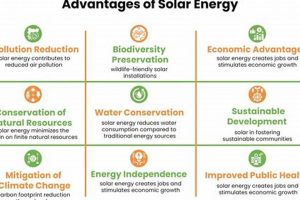
Harvesting power from sunlight inherently generates minimal pollution during operation. Solar technologies, such as photovoltaic panels and thermal collectors, produce electricity and heat without emitting greenhouse gases or other harmful pollutants. This environmental advantage directly addresses climate change concerns and enhances air quality, thereby reinforcing its position as a desirable energy solution. Its clean nature is a key contributor to its “definition” in sustainable energy discourse.
- Energy Security and Independence
The broad distribution of solar radiation across the globe allows nations to reduce their dependence on imported fossil fuels and enhance their energy security. Local generation of power from this resource strengthens domestic energy markets and insulates countries from volatile global energy prices. Promoting energy security enhances a nation’s economic resilience. The accessibility of sunlight, irrespective of geopolitical boundaries, is a significant facet of its overall “definition”.
- Economic Opportunities and Job Creation
The expansion of the solar energy industry stimulates economic growth by creating jobs in manufacturing, installation, maintenance, and research. Investment in renewable energy technologies fosters innovation and contributes to a diversified and resilient economy. This creation of economic value reinforces its importance as a sustainable alternative to conventional energy sources. Job creation and industrial development are key aspects of the broader implications connected to its “definition”.
The inherent renewability, environmental benefits, contribution to energy security, and economic opportunities associated with solar power reinforce its importance as a viable and sustainable energy solution. The “definition of solar energy” is inherently tied to its status as a renewable resource, influencing policy decisions and technological advancements aimed at promoting its widespread adoption globally. Solar’s capacity to meet energy demands sustainably makes it an essential component of any future energy matrix, and its continuing development enhances its utility within the context of a global move toward sustainability.
5. Sustainable power generation

Sustainable power generation, when considered in the context of the term under review, denotes electricity production methods that minimize environmental impact and ensure long-term resource availability. This concept is inextricably linked with the “definition of solar energy,” as the capacity to derive power from the sun represents a key pathway towards achieving sustainable energy systems.
- Minimizing Carbon Footprint
Sustainable power generation aims to reduce or eliminate greenhouse gas emissions associated with traditional power sources. Solar power inherently contributes to this goal, as photovoltaic and solar thermal technologies produce electricity without directly burning fossil fuels. Large-scale solar farms replacing coal-fired power plants exemplify this principle, significantly diminishing carbon emissions per unit of electricity produced. The absence of direct greenhouse gas emissions during electricity generation is a central tenet of its relationship to the “definition of solar energy.”
- Resource Conservation and Longevity
Sustainable methods emphasize the use of resources that are either renewable or abundant, ensuring their availability for future generations. The virtually inexhaustible supply of solar radiation aligns perfectly with this objective. By investing in solar infrastructure, nations can reduce their reliance on finite fossil fuel reserves and foster long-term energy independence. Nations dependent on importing fuel could ensure energy security using solar energy.
- Environmental Protection and Ecosystem Preservation
Sustainable power generation prioritizes the protection of ecosystems and biodiversity. Solar energy projects, when properly sited and managed, can minimize their impact on land use, water resources, and wildlife habitats. Careful environmental assessments and mitigation strategies are essential to ensure that solar installations do not compromise ecological integrity. They can be applied on rooftops to limit land usage.
- Economic Viability and Accessibility
Sustainable power generation must be economically competitive and accessible to a wide range of consumers. The decreasing costs of solar technologies, coupled with government incentives and innovative financing models, are making power more affordable and accessible, particularly in developing countries. The increasing cost-competitiveness strengthens its role as a key component in energy systems; therefore, it informs the “definition of solar energy.”
In summary, sustainable power generation, as it relates to the term under review, relies on the intrinsic characteristics of sunlight. The environmental stewardship, energy independence, and economic viability inherent in solar technologies underscore their significance in the pursuit of sustainable energy systems. The factors discussed above help show how power production contributes to, and is central to, its definition.
Frequently Asked Questions About Solar Energy
The following section addresses common inquiries and clarifies misconceptions regarding solar energy, providing concise and factual responses.
Question 1: What are the primary advantages of using solar energy compared to traditional fossil fuels?
Solar energy offers several advantages, including reduced greenhouse gas emissions, decreased reliance on finite resources, and enhanced energy independence. It contributes to a cleaner environment and provides long-term energy security.
Question 2: How efficient are typical residential photovoltaic (PV) systems?
The efficiency of residential PV systems varies depending on the technology and installation conditions. Commercially available systems typically achieve efficiencies ranging from 15% to 22%. Ongoing research and development continue to improve these figures.
Question 3: What is the typical lifespan of a solar panel?
Most solar panels are designed to last for 25 to 30 years, with manufacturers often providing warranties guaranteeing a certain level of power output over this period. Actual lifespan may exceed these estimates with proper maintenance.
Question 4: How does cloud cover affect solar energy production?
Cloud cover reduces the amount of sunlight reaching solar panels, decreasing power output. However, solar panels can still generate electricity on cloudy days, albeit at a reduced rate. Diffuse sunlight can still be captured.
Question 5: What are the main components of a solar power system?
A typical solar power system includes solar panels, an inverter (to convert DC to AC power), mounting hardware, and, optionally, a battery storage system. Additional components may include monitoring systems and grid connection equipment.
Question 6: Is solar energy cost-effective compared to other energy sources?
The cost-effectiveness of solar energy has improved significantly in recent years. In many regions, solar power is now competitive with or even cheaper than traditional energy sources, particularly when considering long-term operational costs and environmental benefits.
Understanding the factors that influence the effectiveness and viability of solar energy installations is crucial for informed decision-making. Continued research and development promises to further enhance the efficiency, affordability, and sustainability of this renewable resource.
The subsequent section will delve into the policy frameworks and economic incentives designed to promote the adoption of systems that capture energy from the sun on a global scale.
Conclusion
The preceding analysis has elucidated various facets of the central phrase. The term encompasses the conversion of radiant light and heat into usable forms of energy. It encompasses both photovoltaic and thermal processes, highlighting the renewable and sustainable nature of this resource. A clear comprehension of this term is essential for informed decision-making in the energy sector.
The future trajectory of global energy systems hinges on the widespread adoption of sustainable alternatives. Continued investment in, and refinement of, systems that capture energy from the sun are critical to achieving energy independence and mitigating the adverse effects of climate change. The potential of this energy resource is immense, and its responsible utilization is a global imperative.