Pinpointing a single “invention” date for renewable energy is misleading. Harnessing nature’s power has ancient roots. Windmills and water wheels, technologies dating back centuries, transformed wind and water flow into mechanical energy for tasks like milling grain and pumping water. Similarly, solar architecture, utilizing the sun’s warmth for heating and lighting, has existed for millennia. These early innovations represent the precursors to modern renewable energy technologies.
The historical significance of these power sources lies in their sustainability. Unlike fossil fuels, their utilization doesn’t deplete finite resources or contribute significantly to atmospheric pollution. The development and refinement of these technologies throughout history provided crucial alternatives to reliance on fossil fuels, paving the way for a more sustainable energy future. The quest for cleaner, more efficient energy spurred further advancements, leading to innovations like photovoltaic cells for solar power generation and large-scale wind turbine development.
This exploration of the historical development of harnessing renewable resources provides context for understanding the current state of renewable energy technologies and the ongoing pursuit of a sustainable energy future. Delving into specific technologies like solar, wind, hydro, and geothermal energy reveals the complexities, advancements, and challenges associated with each.
Tips for Researching Renewable Energy History
Exploring the history of renewable energy requires a nuanced approach, moving beyond the idea of a single invention date to understanding the long evolution of harnessing natural resources. These tips offer guidance for effective research:
Tip 1: Investigate early uses of natural power. Examine the historical development of windmills, water wheels, and passive solar architecture to understand the origins of renewable energy utilization.
Tip 2: Consider the regional variations in renewable energy adoption. The availability and use of specific renewable resources differed geographically due to climate and resource availability. Research how these variations influenced technological development.
Tip 3: Explore the connection between energy transitions and technological advancements. Analyze how societal needs and technological breakthroughs, such as the Industrial Revolution, impacted the adoption and evolution of renewable energy solutions.
Tip 4: Focus on specific renewable energy technologies. Deepen research by examining individual technologies like solar photovoltaic, wind turbines, geothermal power, and hydropower, tracing their development and impact.
Tip 5: Analyze the role of policy and societal factors. Government regulations, economic incentives, and public awareness campaigns have played significant roles in the advancement and adoption of renewable energy. Investigate these influences.
Tip 6: Compare historical and modern renewable energy systems. Contrast early applications of renewable energy with contemporary technologies to understand how efficiency, scale, and impact have evolved.
By following these guidelines, researchers can gain a comprehensive understanding of the multifaceted history of renewable energy and its continuing importance in the global energy landscape.
This historical perspective lays the foundation for informed discussions about the future of renewable energy and its role in addressing contemporary energy challenges.
1. Ancient Wind and Water Power

Examining ancient wind and water power dismantles the notion of a single invention date for renewable energy. These technologies, predating the modern understanding of electricity generation, represent foundational steps in humanity’s journey toward harnessing renewable resources. Windmills, appearing in Persia around the 7th century and later adapted across Europe and Asia, converted wind energy into mechanical power for grinding grain and pumping water. Similarly, water wheels, utilized by various civilizations for centuries, employed the energy of flowing water for irrigation, milling, and other mechanical tasks. These examples illustrate that the core principle of utilizing natural forces for practical purposes has ancient origins. Their existence fundamentally shifts the perspective on “when was renewable energy invented” from a singular event to a continuous process of development.
The significance of ancient wind and water power lies not just in their functionality but in their demonstration of sustainable practices. Unlike fossil fuels, wind and water are readily replenished natural resources. The prolonged use of these technologies, spanning centuries, underscores their viability and the inherent human capacity to utilize sustainable energy sources. Understanding this historical context provides a crucial foundation for appreciating the evolution of modern renewable energy technologies. For example, the principles behind ancient water wheels are echoed in modern hydroelectric dams, highlighting a clear lineage in technological advancement. Similarly, the evolution of windmills to sophisticated wind turbines demonstrates the enduring relevance of these early innovations.
The study of ancient wind and water power offers crucial insights into the long history of renewable energy utilization. While these early technologies may seem rudimentary compared to modern systems, their fundamental principles remain relevant. Recognizing their historical importance provides a more nuanced understanding of the development and ongoing evolution of renewable energy, shifting the focus from a specific invention date to a continuous trajectory of progress and innovation. This perspective clarifies the significance of historical context in evaluating current renewable energy technologies and their future potential.
2. Early solar architecture

Investigating early solar architecture further challenges the notion of a single invention date for renewable energy. Utilizing the sun for passive heating and cooling predates modern energy technologies by centuries, demonstrating an inherent understanding of and reliance on renewable resources. Examining architectural practices from various cultures and historical periods reveals sophisticated methods of harnessing solar energy for practical purposes. This understanding of early solar design practices significantly reframes the concept of “renewable energy invention” as a continuous process of development rather than a singular event.
- Passive solar heating:
Structures designed to maximize solar gain during winter months exemplify passive solar heating. Thick walls with high thermal mass, strategically placed windows, and south-facing orientations (in the northern hemisphere) allowed buildings to absorb and retain solar radiation for warmth. Roman bathhouses, ancient Chinese dwellings, and Native American cliff dwellings incorporated these principles, showcasing early ingenuity in utilizing solar energy. These historical examples demonstrate that the concept of capturing and utilizing solar energy for practical purposes is deeply rooted in human history.
- Passive solar cooling:
Early architectural designs also incorporated passive cooling techniques to mitigate summer heat. Features like overhanging eaves, shaded courtyards, and ventilation systems reduced solar gain and promoted natural airflow, minimizing the need for artificial cooling methods. Traditional architecture in regions like the Middle East and North Africa provides numerous examples of these strategies. These designs highlight the historical awareness of the sun’s power and the ability to manage its impact on buildings.
- Building materials and orientation:
The choice of building materials and the orientation of structures played crucial roles in optimizing solar energy utilization. Materials with high thermal mass, such as stone and adobe, absorbed and slowly released heat, regulating indoor temperatures. Structures carefully oriented to maximize solar gain in winter and minimize it in summer illustrate a sophisticated understanding of solar angles and seasonal variations. These practices, evident in various ancient architectural traditions, showcase the integration of solar considerations into building design.
- Daylighting:
Maximizing natural daylight reduced the need for artificial lighting, further demonstrating the integration of solar principles in early architecture. Carefully positioned windows, skylights, and reflective surfaces allowed sunlight to penetrate deep into buildings, reducing energy consumption. Examples from ancient Roman architecture to traditional Japanese houses demonstrate the practical application of daylighting techniques. This focus on utilizing natural light further highlights the historical importance of solar considerations in building design.
These facets of early solar architecture collectively demonstrate that the utilization of renewable energy resources is not a recent invention. The ingenuity displayed in ancient building practices underscores a long-standing awareness of the sun’s power and its potential for practical applications. This historical context enriches the understanding of modern renewable energy technologies and their place within a broader historical continuum. By recognizing the deep roots of solar architecture, a more comprehensive and nuanced appreciation for the ongoing evolution of renewable energy emerges, shifting the focus from a specific invention date to a continuous trajectory of innovation.
3. Pre-industrial renewables
Examining pre-industrial renewable energy use further clarifies the complex history of harnessing nature’s power, moving beyond the search for a single “invention” moment. This period, before the widespread adoption of fossil fuels, reveals a continued reliance on renewable resources for essential tasks, showcasing the practical applications of established technologies and setting the stage for later advancements. Understanding this era is crucial for a nuanced perspective on renewable energy development.
- Widespread Windmill Use:
Pre-industrial societies significantly expanded windmill technology. Different designs emerged across Europe and Asia, optimizing wind capture for regional needs. Dutch windmills, for instance, became integral to land drainage and water management, while other designs focused on milling grain. This widespread adoption demonstrates the practical value and adaptability of wind power before industrialization.
- Watermills for Mechanical Power:
Watermills remained essential for various mechanical processes. Beyond grinding grain, they powered sawmills, textile production, and metalworking. The consistent power provided by watermills allowed for increased productivity and facilitated the growth of pre-industrial economies. This reliance highlights the versatility and economic significance of water power.
- Biofuel Reliance:
Biomass, including wood, charcoal, and agricultural residues, served as the primary energy source for heating, cooking, and industrial processes like metallurgy. While not strictly “renewable” in the modern sense if not managed sustainably, biomass utilization represented a reliance on organic materials rather than fossil fuels. This historical dependence shaped energy landscapes before industrialization.
- Early Solar Thermal Applications:
Beyond passive solar architecture, pre-industrial societies began exploring concentrated solar power. Early experiments with mirrors and lenses to focus sunlight for heating demonstrate a growing interest in harnessing solar energy more actively. These initial explorations foreshadowed later developments in solar thermal technology.
Pre-industrial renewable energy use demonstrates the continuous evolution of these technologies before the dominance of fossil fuels. These examples illustrate not a single invention moment, but a sustained period of refinement and application of renewable resources for practical purposes. This context is essential for understanding the complex history of renewable energy and its resurgence in the modern era. The pre-industrial reliance on renewable sources underscores their historical significance and informs current efforts to transition towards a sustainable energy future.
4. Modern technological advancements

Examining modern technological advancements reveals a crucial shift in how renewable energy is harnessed, fundamentally altering the narrative of “when was renewable energy invented.” This period marks a departure from purely mechanical applications of natural forces toward electricity generation and more sophisticated energy capture methods. These developments underscore the continuous evolution of renewable energy technologies rather than a single invention moment, showcasing a dynamic interplay between scientific discovery, engineering innovation, and societal needs.
- Photovoltaic Solar Power:
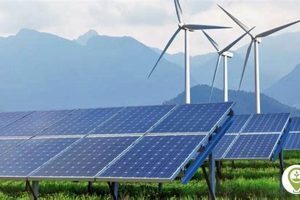
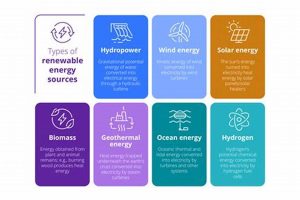
The development of photovoltaic cells, capable of directly converting sunlight into electricity, revolutionized solar energy utilization. This technology, originating in the mid-19th century but significantly advanced in the 20th and 21st centuries, enabled distributed solar power generation, reducing reliance on centralized power plants. From small-scale rooftop installations to large solar farms, photovoltaic technology exemplifies a modern approach to harnessing solar energy, distinct from earlier passive solar practices. This shift expands the historical narrative of solar energy beyond its ancient roots.
- Advanced Wind Turbine Technology:
Modern wind turbines represent a significant leap from traditional windmills. Larger rotor diameters, advanced blade designs, and improved generator efficiency allow for significantly greater energy capture. The evolution from mechanical windmills to sophisticated wind farms generating grid-scale electricity demonstrates a fundamental change in wind energy utilization, driven by technological advancements. This transition alters the historical understanding of wind power beyond its pre-industrial applications.
- Enhanced Geothermal Energy Systems:
Modern geothermal technologies extend beyond traditional hot spring utilization. Enhanced geothermal systems (EGS) access heat from deeper within the Earth’s crust, expanding the geographical reach of geothermal power. Advanced drilling techniques and improved heat exchange methods enable more efficient electricity generation from geothermal resources. This technological shift broadens the scope of geothermal energy beyond its historical limitations.
- Concentrated Solar Power (CSP):
CSP systems represent a modern approach to harnessing solar energy, distinct from photovoltaic technology. Using mirrors to concentrate sunlight onto a receiver, CSP generates heat to drive turbines for electricity production. This technology allows for thermal energy storage, providing a more continuous power supply. CSP expands the range of solar energy applications and diversifies the ways in which solar resources can contribute to modern energy grids.
These advancements showcase the evolving nature of renewable energy technologies, reshaping the conventional understanding of “when was renewable energy invented.” The transition from basic mechanical applications to advanced electricity generation technologies underscores the continuous progress and innovation within the renewable energy sector. This perspective moves beyond a fixed invention date to highlight the ongoing development and refinement of these crucial technologies, driven by both scientific breakthroughs and the increasing need for sustainable energy solutions. The historical narrative of renewable energy becomes a story of continuous innovation, rather than a single defining moment.
5. Ongoing evolution of renewables

The ongoing evolution of renewable energy technologies directly challenges the concept of a fixed invention date. Instead of a singular event, the history of renewable energy reveals a continuous trajectory of development, adaptation, and innovation. This ongoing evolution demonstrates a persistent human endeavor to harness natural resources for energy, spanning centuries and adapting to changing technological landscapes. The question “when was renewable energy invented” becomes less about pinpointing a specific moment and more about understanding this continuous process of refinement and advancement. For example, while the first photovoltaic cell emerged in the 19th century, modern solar panels represent a vastly different technology due to ongoing research and development. This evolutionary perspective is crucial for comprehending the dynamic nature of renewable energy.
The importance of this ongoing evolution lies in its potential to address current and future energy challenges. As technology advances, renewable energy solutions become more efficient, affordable, and accessible. The continuous improvement of solar panel efficiency, the development of larger and more powerful wind turbines, and innovations in geothermal energy extraction all exemplify this progress. Furthermore, the ongoing evolution fosters diversification within the renewable energy sector, exploring new resources and refining existing technologies. This constant adaptation ensures that renewable energy remains a relevant and increasingly vital component of the global energy mix. Practical applications of this evolutionary process are evident in the growth of renewable energy infrastructure, the declining costs of renewable energy technologies, and their increasing integration into existing energy systems. This evolution is essential for a sustainable energy future.
Understanding the ongoing evolution of renewables reframes the historical narrative, shifting from a static invention date to a dynamic process of continuous improvement. This perspective is essential for appreciating the complexity of renewable energy development and its potential to address global energy challenges. Recognizing that renewable energy technologies are not static inventions but rather evolving solutions underscores their crucial role in creating a sustainable energy future. The challenges lie not only in continued technological advancement but also in policy and infrastructure development to support the widespread adoption of these ever-evolving technologies.
6. Sustainability Focus

The focus on sustainability significantly reframes the question of “when was renewable energy invented.” Rather than a singular invention date, the pursuit of sustainable practices has consistently driven the development and adoption of renewable energy technologies throughout history. This perspective shifts the emphasis from isolated inventions to a continuous process of innovation motivated by the need for environmentally responsible energy solutions. Understanding this connection requires exploring the multifaceted relationship between sustainability and the historical trajectory of renewable energy.
- Resource Depletion Concerns:
Growing awareness of finite fossil fuel reserves and their environmental impact has fueled interest in renewable alternatives. The realization that continued reliance on fossil fuels is unsustainable spurred research and development in solar, wind, geothermal, and other renewable technologies. This concern transformed the narrative of renewable energy from a niche interest to a central focus of energy policy and technological development. For instance, the oil crises of the 20th century significantly accelerated investment in renewable energy research.
- Environmental Protection:
The detrimental environmental effects of fossil fuel combustion, including air and water pollution and climate change, have further motivated the pursuit of sustainable energy solutions. Renewable energy technologies, with their significantly lower environmental footprint, offer a pathway towards mitigating these impacts. This environmental imperative has driven innovation and policy support for renewable energy adoption, shaping its historical trajectory. The growing scientific consensus on climate change, for example, has placed even greater urgency on transitioning to sustainable energy sources.
- Energy Security and Independence:
Reliance on imported fossil fuels creates vulnerabilities for nations dependent on these resources. Renewable energy sources, often domestically available, offer a pathway to greater energy independence and security. This strategic advantage has influenced government policies and investments in renewable energy infrastructure, shaping its historical development. For example, nations with limited domestic fossil fuel reserves have often been early adopters of renewable energy technologies.
- Economic Opportunities:
The growing renewable energy sector presents significant economic opportunities, including job creation, technological innovation, and new markets. This economic potential has further incentivized investment and development in renewable energy technologies, influencing their historical trajectory. The declining costs of renewable energy technologies, coupled with government incentives, have made them increasingly competitive with traditional energy sources, further driving their adoption.
These facets of sustainability demonstrate its integral role in shaping the historical narrative of renewable energy. The pursuit of sustainable practices has served as a continuous driver of innovation and adoption, influencing the development of renewable energy technologies from ancient water wheels to modern solar farms. Understanding “when was renewable energy invented” requires acknowledging this ongoing interplay between sustainability concerns and technological advancement, recognizing that the history of renewable energy is not defined by a single invention but by a continuous pursuit of sustainable solutions. This perspective emphasizes the importance of sustainability as a driving force in the continued evolution of renewable energy technologies and their role in shaping a sustainable future.
7. Future energy landscape

Understanding the future energy landscape requires acknowledging the historical trajectory of renewable energy, moving beyond the question of “when was renewable energy invented” to recognize a continuous process of development and adaptation. The future of energy is not a sudden shift but a culmination of past innovations, present advancements, and ongoing research. Examining the future energy landscape through this lens provides a more nuanced and informed perspective on the evolving role of renewable energy.
- Decentralized Energy Production:
The future energy landscape is likely to feature decentralized energy production, moving away from reliance on large, centralized power plants. Renewable energy technologies, such as rooftop solar panels and small-scale wind turbines, empower individuals and communities to generate their own power. This shift contrasts with the historical model of centralized fossil fuel-based power generation and reflects the evolving capabilities of renewable energy technologies. Examples include community solar projects and microgrids, which enhance energy resilience and reduce transmission losses. This trend connects to the historical development of renewable energy by demonstrating a shift towards more distributed and accessible energy generation.
- Smart Grid Integration:
Smart grids, utilizing digital technology to optimize energy distribution and management, will play a crucial role in integrating renewable energy sources into existing infrastructure. These intelligent networks balance fluctuating renewable energy supply with demand, enhancing grid stability and reliability. This integration represents a significant advancement from the historical challenges of managing intermittent renewable energy sources. Examples include real-time energy monitoring, demand-response programs, and advanced energy storage solutions. This development builds upon the historical quest for more efficient and reliable energy systems.
- Energy Storage Solutions:
Advancements in energy storage technologies are essential for overcoming the intermittency of renewable energy sources. Batteries, pumped hydro storage, and other technologies store excess renewable energy for use when generation is low, ensuring a consistent power supply. This development addresses a historical limitation of renewable energy and enables greater reliance on these resources. Examples include large-scale battery storage facilities supporting solar and wind farms and the development of advanced battery chemistries for improved performance and cost-effectiveness. This progress contributes to the ongoing evolution of renewable energy technologies and their ability to meet growing energy demands.
- Sector Coupling:
The future energy landscape will likely feature increased sector coupling, integrating energy use across different sectors such as transportation, heating, and industry. Renewable electricity can power electric vehicles, heat pumps, and industrial processes, reducing reliance on fossil fuels in these sectors. This integrated approach contrasts with the historical separation of energy sectors and leverages the versatility of renewable energy. Examples include using excess renewable electricity to produce hydrogen for transportation or industrial applications and integrating electric vehicle charging infrastructure with smart grids. This trend reflects the expanding role of renewable energy in a more interconnected and sustainable energy system.
These facets of the future energy landscape are intrinsically linked to the historical development of renewable energy. While the question “when was renewable energy invented” highlights specific milestones, the future of energy is shaped by the continuous evolution of these technologies, driven by sustainability concerns, technological advancements, and evolving societal needs. The future energy landscape builds upon the foundations laid by past innovations, demonstrating the enduring relevance of the historical pursuit of sustainable energy solutions. This perspective emphasizes the importance of understanding the past to navigate the future of energy and highlights the ongoing journey of renewable energy development rather than a fixed point of invention.
Frequently Asked Questions About the History of Renewable Energy
This FAQ section addresses common inquiries regarding the historical development of renewable energy, moving beyond the misconception of a single invention date to explore the continuous evolution of these crucial technologies.
Question 1: Why is pinpointing a single invention date for renewable energy problematic?
Attributing renewable energy to a single invention overlooks the long history of humans harnessing natural forces. Windmills, water wheels, and passive solar architecture, predating modern electricity, represent early forms of renewable energy utilization. Focusing on a single “invention” obscures this rich history and the continuous development of these technologies.
Question 2: How did early civilizations utilize renewable energy?
Early civilizations employed renewable energy for essential tasks. Windmills and water wheels powered mechanical processes like milling grain and pumping water. Passive solar architecture optimized building designs for heating and cooling, utilizing natural sunlight and ventilation. These practices demonstrate an early understanding and application of renewable resources.
Question 3: What role did the Industrial Revolution play in the development of renewable energy?
While the Industrial Revolution initially focused on fossil fuels, it indirectly spurred advancements in renewable energy. The limitations and environmental consequences of fossil fuels prompted renewed interest in cleaner alternatives. This period laid the groundwork for modern renewable energy technologies by highlighting the need for sustainable solutions.
Question 4: When did modern renewable energy technologies emerge?
Modern renewable energy technologies emerged through a series of advancements rather than a single event. The development of photovoltaic cells in the 19th century, followed by significant advancements in the 20th and 21st centuries, revolutionized solar power. Similarly, wind turbine technology evolved significantly, transforming wind power generation. These developments represent a crucial shift towards modern renewable energy utilization.
Question 5: What factors drive the ongoing evolution of renewable energy?
Several factors contribute to the continuous evolution of renewable energy technologies. Growing concerns about climate change, resource depletion, and energy security drive research and development. Technological advancements improve efficiency and reduce costs, making renewable energy increasingly competitive. Policy support and growing public awareness further accelerate this evolution.
Question 6: How does the history of renewable energy inform its future?
Understanding the historical development of renewable energy provides crucial context for navigating its future. Recognizing the continuous evolution of these technologies, driven by sustainability concerns and technological advancements, highlights their crucial role in shaping a sustainable energy future. The historical trajectory informs current research, policy decisions, and the ongoing integration of renewable energy into the global energy mix.
By understanding the historical context of renewable energy development, one can appreciate the continuous innovation and adaptation that have shaped these technologies and will continue to influence their role in the future energy landscape. This long-term perspective is essential for informed discussions and effective decision-making regarding sustainable energy solutions.
This historical overview serves as a foundation for exploring specific renewable energy technologies in more detail. The following sections will delve into individual technologies, examining their unique development trajectories, current applications, and future potential.
Conclusion
Exploring the question of “when was renewable energy invented” reveals not a single moment of creation, but a continuous narrative of human ingenuity adapting to the power of nature. From ancient windmills and water wheels to sophisticated modern solar panels and wind turbines, the pursuit of harnessing renewable resources has spanned centuries. The historical development of renewable energy technologies demonstrates a persistent drive for sustainable solutions, shaped by evolving societal needs, technological advancements, and growing environmental awareness. The advancements in photovoltaic cells, wind turbine technology, geothermal systems, and concentrated solar power illustrate this ongoing evolution, marking a transition from basic mechanical applications to sophisticated electricity generation. This exploration emphasizes the importance of understanding the historical context to fully appreciate the complexity and potential of renewable energy.
The future of energy relies not on a singular invention, but on the continuous adaptation and refinement of renewable energy technologies. The ongoing research and development in areas like energy storage, smart grid integration, and sector coupling hold the key to a sustainable energy future. The historical trajectory of renewable energy, marked by continuous innovation, provides a crucial foundation for navigating the challenges and opportunities that lie ahead. Embracing this evolutionary perspective is essential for fostering informed discussions, shaping effective policies, and ultimately realizing the full potential of renewable energy in creating a sustainable and prosperous future for all.