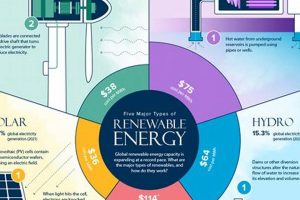
Renewable energy sources, such as solar, wind, hydro, geothermal, and biomass, offer numerous benefits over traditional fossil fuels. These resources replenish naturally over a relatively short period and represent a critical shift toward a sustainable energy future.
Harnessing these resources contributes to reduced greenhouse gas emissions, mitigating climate change and improving air quality. Furthermore, renewable energy diversifies energy supply, reducing dependence on volatile fossil fuel markets and enhancing national energy security. Historically, energy production has relied heavily on finite resources, but the increasing availability and affordability of renewable technologies are transforming the energy landscape.
This discussion will explore ten key benefits associated with the transition to renewable energy sources, covering environmental, economic, and social advantages.
Tips for Transitioning to Renewable Energy
Implementing renewable energy solutions can be approached strategically to maximize benefits. The following tips offer guidance for individuals, businesses, and governments seeking to integrate renewable energy sources effectively.
Tip 1: Conduct a Thorough Energy Audit: Understanding current energy consumption patterns is crucial. A comprehensive audit identifies areas for improvement and helps determine the most suitable renewable energy options.
Tip 2: Explore Available Incentives and Policies: Numerous government incentives, tax credits, and rebates exist to support renewable energy adoption. Researching these programs can significantly reduce upfront investment costs.
Tip 3: Consider Site-Specific Factors: The geographic location and local climate play a vital role in determining the effectiveness of different renewable energy technologies. Solar power, for example, is more effective in sunny regions.
Tip 4: Evaluate Long-Term Costs and Savings: While initial investments may be higher, renewable energy sources offer long-term cost savings through reduced energy bills and maintenance requirements.
Tip 5: Prioritize Energy Efficiency Measures: Implementing energy efficiency measures, such as insulation and energy-efficient appliances, reduces overall energy demand and maximizes the impact of renewable energy integration.
Tip 6: Research Reputable Installers and Suppliers: Selecting experienced and certified installers ensures proper system installation and optimal performance.
By following these tips, the transition to renewable energy can be a smooth and cost-effective process, yielding significant environmental and economic benefits.
This information provides practical guidance for embracing sustainable energy practices and contributing to a cleaner energy future.
1. Reduced Emissions

Reduced greenhouse gas emissions represent a cornerstone of the transition to renewable energy and a significant driver behind its adoption. The combustion of fossil fuels for energy production is a primary source of these emissions, contributing significantly to climate change. Renewable energy sources, being inherently low or zero-emission, offer a critical pathway towards mitigating these environmental impacts.
- Mitigation of Climate Change
Renewable energy sources, unlike fossil fuels, produce little to no greenhouse gases during operation. This significantly reduces the release of carbon dioxide, methane, and other pollutants into the atmosphere, mitigating the effects of climate change and promoting a healthier environment.
- Improved Air Quality
Reduced reliance on fossil fuels directly translates to improved air quality. The absence of combustion processes minimizes the release of harmful pollutants such as sulfur oxides and nitrogen oxides, which contribute to respiratory problems and other health issues. The transition to renewable energy, therefore, offers substantial public health benefits.
- Decarbonization of the Energy Sector
Replacing fossil fuel-based power plants with renewable energy facilities is crucial for decarbonizing the energy sector. This transition reduces the carbon footprint of electricity generation, paving the way for a more sustainable energy future. Policies supporting renewable energy deployment accelerate this decarbonization process.
- Meeting Emission Reduction Targets
International agreements and national policies increasingly focus on achieving ambitious emission reduction targets. Renewable energy plays a crucial role in meeting these targets, offering a viable and effective means of reducing greenhouse gas emissions across various sectors, including electricity generation, transportation, and heating.
The reduced emissions associated with renewable energy sources offer a compelling argument for their widespread adoption. This advantage, combined with other benefits such as energy independence and economic growth, positions renewable energy as a critical component of a sustainable and prosperous future. By transitioning to cleaner energy sources, societies can effectively address the challenges of climate change and create a healthier planet for future generations.
2. Sustainable Resource

The sustainability of renewable energy sources is a defining characteristic that distinguishes them from finite fossil fuels. This inherent renewability is central to the numerous advantages offered by these resources and contributes significantly to their long-term viability as primary energy sources. It ensures a consistent energy supply for future generations, decoupling energy production from the depletion of finite resources.
- Resource Replenishment
Renewable resources replenish naturally over relatively short periods. Solar energy is constantly replenished by the sun, wind energy by atmospheric pressure differences, and hydropower by the water cycle. This continuous regeneration contrasts sharply with fossil fuels, which require millions of years to form and are being depleted at an unsustainable rate. This natural replenishment ensures a consistent energy supply, reducing reliance on finite resources.
- Long-Term Energy Security
The continuous replenishment of renewable resources provides long-term energy security. Unlike fossil fuels, which are subject to price volatility and geopolitical instability, renewable energy sources offer a stable and predictable energy supply. This stability is crucial for sustainable economic development and reduces vulnerability to disruptions in global energy markets. For instance, nations with significant solar or wind resources can achieve greater energy independence.
- Reduced Environmental Impact
The sustainable nature of renewable energy contributes significantly to reduced environmental impact. Extracting, processing, and transporting fossil fuels have substantial environmental consequences, including habitat destruction, water pollution, and greenhouse gas emissions. Renewable energy sources minimize these impacts, promoting a cleaner and healthier environment. The lifecycle emissions of renewable energy technologies are significantly lower than those of fossil fuels.
- Intergenerational Equity
Utilizing renewable energy resources promotes intergenerational equity by ensuring that future generations have access to the same energy resources as current generations. This responsible use of resources safeguards the planet’s ability to support future populations and promotes sustainable development. Reliance on fossil fuels, on the other hand, depletes these resources, limiting the options available to future generations.
The sustainability of renewable energy sources underpins their long-term viability and strengthens the case for their widespread adoption. This core advantage, coupled with the environmental and economic benefits, positions renewable energy as a crucial component of a sustainable and equitable energy future. By prioritizing renewable resources, societies can ensure access to clean, affordable, and reliable energy for generations to come.
3. Improved Air Quality

Improved air quality is a significant advantage associated with the transition to renewable energy. Fossil fuel combustion releases harmful pollutants into the atmosphere, contributing to respiratory illnesses, cardiovascular problems, and other health issues. Renewable energy sources offer a cleaner alternative, minimizing air pollution and promoting public health.
- Reduction of Harmful Pollutants
Renewable energy sources produce minimal air pollution compared to fossil fuels. The absence of combustion processes significantly reduces the emission of particulate matter, nitrogen oxides, sulfur dioxide, and ozone, all of which contribute to respiratory problems and other health issues. This reduction in harmful pollutants translates directly to improved air quality and associated public health benefits. For example, switching to electric vehicles powered by renewable energy eliminates tailpipe emissions in urban areas.
- Mitigation of Respiratory Illnesses
Improved air quality resulting from renewable energy adoption directly mitigates the incidence and severity of respiratory illnesses such as asthma, bronchitis, and lung cancer. Reduced exposure to harmful air pollutants lessens the strain on respiratory systems, particularly in vulnerable populations like children and the elderly. Studies have shown a direct correlation between air pollution levels and respiratory health outcomes. The transition to renewable energy, therefore, offers a significant public health advantage.
- Decreased Healthcare Costs
By improving air quality and reducing the prevalence of respiratory illnesses, the transition to renewable energy contributes to decreased healthcare costs. Fewer respiratory-related hospitalizations and medical treatments translate to significant savings for individuals, healthcare systems, and society as a whole. These economic benefits further strengthen the case for renewable energy adoption.
- Enhanced Quality of Life
Improved air quality enhances the overall quality of life. Cleaner air allows for greater enjoyment of outdoor activities, reduces the risk of health problems, and contributes to a healthier and more pleasant living environment. This enhanced quality of life is a significant social benefit associated with the transition to renewable energy.
The improved air quality resulting from renewable energy adoption offers significant public health, economic, and social benefits. This advantage, coupled with the environmental and energy security benefits, positions renewable energy as a crucial element of a sustainable and prosperous future. By transitioning to cleaner energy sources, societies can create healthier communities and a more sustainable planet.
4. Energy Independence
Energy independence represents a critical component of the transition to renewable energy and contributes significantly to national security and economic stability. Reliance on imported fossil fuels creates vulnerabilities to price fluctuations and geopolitical instability. Renewable energy sources, being domestically available, offer a pathway to greater energy autonomy and resilience.
- Reduced Reliance on Foreign Energy Sources
Developing domestic renewable energy resources reduces reliance on imported fossil fuels. This decreased dependence mitigates vulnerabilities to global energy price shocks and supply disruptions, enhancing national energy security. For example, a nation with substantial solar and wind resources can generate a significant portion of its electricity domestically, reducing the need for imported oil or natural gas.
- Enhanced National Security
Energy independence strengthens national security by reducing susceptibility to geopolitical pressures related to energy supply. Nations heavily reliant on energy imports can be vulnerable to political instability in supplier countries. Diversifying energy sources with domestically available renewables enhances energy security and reduces geopolitical risks. This is particularly relevant in regions with volatile political landscapes.
- Economic Stability
Renewable energy contributes to economic stability by reducing exposure to volatile fossil fuel markets. Fluctuations in oil and gas prices can significantly impact national economies. Developing domestic renewable energy resources provides a more stable and predictable energy pricing structure, shielding economies from the volatility of global fossil fuel markets. This stability encourages investment and long-term economic planning.
- Localized Economic Growth
Renewable energy development stimulates local economies by creating jobs in manufacturing, installation, maintenance, and research. Unlike centralized fossil fuel industries, renewable energy projects can be distributed across various regions, fostering economic growth and development in rural and underserved communities. This localized economic growth can contribute to greater economic equity and regional development.
The enhanced energy independence offered by renewable energy sources strengthens national security, promotes economic stability, and fosters local economic growth. These benefits, coupled with the environmental advantages of reduced emissions and resource sustainability, solidify the role of renewable energy as a critical component of a secure, sustainable, and prosperous future. By transitioning to renewable energy, nations can achieve greater energy autonomy and resilience, reducing their dependence on volatile global energy markets and enhancing their long-term economic prospects.
5. Economic Growth
Renewable energy technologies serve as a significant catalyst for economic growth, offering diverse avenues for economic expansion and job creation. The transition to renewable energy necessitates investments in research and development, manufacturing, installation, and maintenance, stimulating economic activity across various sectors. This economic stimulus creates new employment opportunities, fosters innovation, and enhances competitiveness in the global market.
For instance, the burgeoning solar and wind industries have witnessed substantial job growth in recent years, outpacing job creation in traditional fossil fuel sectors. Government policies supporting renewable energy deployment, such as tax incentives and subsidies, further amplify these economic benefits. Moreover, investments in renewable energy infrastructure enhance energy security, reducing reliance on volatile fossil fuel markets and promoting long-term economic stability. This stability fosters a favorable environment for businesses to thrive and attract further investment.
Furthermore, the declining costs of renewable energy technologies enhance their economic competitiveness. As technologies mature and economies of scale are realized, renewable energy becomes increasingly cost-effective compared to fossil fuels. This cost competitiveness drives further adoption, creating a positive feedback loop that accelerates economic growth and reduces reliance on environmentally damaging energy sources. The shift towards renewable energy represents not only an environmental imperative but also a significant opportunity for sustainable economic development.
6. Job Creation
The renewable energy sector represents a significant engine for job creation, offering diverse employment opportunities across various skill levels and contributing to economic growth. This job creation potential is a key advantage of transitioning to renewable energy sources, offering both economic and social benefits. Unlike the centralized nature of fossil fuel industries, renewable energy projects often stimulate employment in local communities, fostering distributed economic development.
- Manufacturing and Installation
The manufacturing of renewable energy technologies, such as solar panels, wind turbines, and energy storage systems, creates a substantial number of manufacturing jobs. Furthermore, the installation and deployment of these technologies require skilled labor, generating further employment opportunities in construction, electrical work, and engineering. For example, the growth of the solar industry has led to a significant increase in installer jobs worldwide.
- Operations and Maintenance
Renewable energy facilities require ongoing operation and maintenance, creating a demand for technicians, engineers, and other skilled professionals. These jobs are often localized, providing stable employment opportunities in rural and remote areas where renewable energy projects are frequently situated. The distributed nature of renewable energy generation creates a wider geographic distribution of employment opportunities compared to centralized fossil fuel power plants.
- Research and Development
The ongoing development and innovation in renewable energy technologies drive job creation in research and development. Scientists, engineers, and technicians are needed to advance renewable energy technologies, improve efficiency, and explore new applications. This continuous innovation cycle ensures the long-term growth of the renewable energy sector and contributes to technological advancements with broader economic benefits.
- Support Services
The renewable energy sector relies on a network of support services, including project management, finance, legal, and consulting. These ancillary services create additional employment opportunities, further contributing to the overall economic impact of the renewable energy transition. For instance, financial analysts and legal experts are needed to structure financing and navigate regulatory frameworks for renewable energy projects.
The job creation potential of the renewable energy sector strengthens the economic case for its expansion. These employment opportunities, combined with the environmental and energy security benefits of renewable energy, position it as a crucial driver of sustainable economic development. By transitioning to renewable energy sources, societies can achieve both environmental sustainability and economic prosperity, creating a more equitable and resilient energy future.
7. Technological Innovation

Technological innovation plays a crucial role in driving the advancement and adoption of renewable energy, directly influencing several of its key advantages. Advancements in materials science, manufacturing processes, and energy storage technologies significantly impact the efficiency, cost-effectiveness, and reliability of renewable energy systems. This continuous innovation cycle unlocks new possibilities for harnessing renewable resources and integrating them into existing energy infrastructure.
For example, improvements in photovoltaic cell technology have led to increased solar panel efficiency and reduced manufacturing costs, making solar energy more competitive with traditional fossil fuels. Similarly, advancements in wind turbine design, including larger rotor diameters and more efficient blade profiles, enable greater energy capture from wind resources. Furthermore, breakthroughs in battery storage technology address the intermittency challenges associated with solar and wind power, enhancing their reliability and grid integration capabilities. These technological advancements directly contribute to the economic viability and broader adoption of renewable energy solutions.
The ongoing development of smart grid technologies further enhances the integration and management of renewable energy resources. Smart grids enable real-time monitoring and control of energy flow, optimizing the distribution of renewable energy and enhancing grid stability. These technological advancements are essential for realizing the full potential of renewable energy and transitioning towards a more sustainable and resilient energy system. Continued investment in research and development is crucial for driving further innovation and accelerating the adoption of renewable energy technologies, unlocking further economic, environmental, and social benefits.
Frequently Asked Questions about Renewable Energy
This section addresses common inquiries regarding the adoption and implementation of renewable energy technologies, offering concise and informative responses.
Question 1: How do renewable energy sources contribute to energy security?
Renewable energy sources, being domestically available in many cases, reduce reliance on imported fossil fuels, thus mitigating vulnerabilities to global supply disruptions and price volatility. This enhanced energy independence strengthens national energy security.
Question 2: What is the economic impact of transitioning to renewable energy?
Transitioning to renewable energy stimulates economic growth by creating jobs in manufacturing, installation, maintenance, and research. Furthermore, it fosters innovation and enhances competitiveness in the global market.
Question 3: How does renewable energy improve air quality?
Renewable energy sources produce minimal air pollution compared to fossil fuels. This reduction in harmful pollutants leads to improved air quality, mitigating respiratory illnesses and other health problems.
Question 4: Are renewable energy technologies reliable enough to meet energy demands?
Advancements in energy storage technologies, such as batteries and pumped hydro, address the intermittency of renewable sources like solar and wind, enhancing their reliability and enabling them to meet energy demands effectively. Furthermore, grid management strategies and diversification of renewable energy sources enhance overall system reliability.
Question 5: What are the environmental benefits of renewable energy?
Renewable energy sources produce little to no greenhouse gas emissions during operation, mitigating climate change and its associated impacts. They also reduce air and water pollution compared to fossil fuels, contributing to a healthier environment.
Question 6: How does the cost of renewable energy compare to traditional fossil fuels?
The costs of renewable energy technologies have decreased significantly in recent years, making them increasingly competitive with fossil fuels. In many regions, renewable energy is now the most cost-effective option for new power generation.
These responses offer a concise overview of the key benefits associated with renewable energy adoption. Further research and exploration are encouraged to gain a comprehensive understanding of the specific advantages relevant to individual circumstances and regional contexts.
The subsequent section will delve deeper into the specific technologies driving the renewable energy revolution.
Conclusion
Exploration of the advantages associated with renewable energy sources reveals a compelling case for their widespread adoption. Reduced greenhouse gas emissions, enhanced energy security, stimulated economic growth, improved public health through better air quality, and continuous technological innovation represent core benefits driving the global transition towards renewable energy. The inherent sustainability of these resources ensures long-term energy viability for future generations, decoupling energy production from the depletion of finite resources and mitigating the environmental consequences associated with fossil fuel reliance.
The transition to renewable energy represents not merely a technological shift, but a fundamental transformation of the energy landscape with profound implications for global sustainability and economic development. Continued investment in research, development, and deployment of renewable energy technologies is crucial for realizing their full potential and securing a cleaner, more prosperous, and resilient energy future for all.