Reducing wasteful energy consumption and harnessing naturally replenishing resources are fundamental aspects of sustainable practices. Improving insulation in buildings, using more efficient appliances, and optimizing industrial processes are examples of the former. Solar, wind, hydro, geothermal, and biomass power exemplify the latter, offering alternatives to finite fossil fuels.
These approaches offer significant economic and environmental advantages. Lowering energy demand reduces costs for consumers and businesses, while decreasing reliance on fossil fuels mitigates air pollution and greenhouse gas emissions, contributing to a healthier planet and mitigating climate change. The growing awareness of these benefits has spurred significant technological advancements and policy changes over the past few decades, driving a global shift towards cleaner energy systems.
The following sections will delve deeper into specific strategies for maximizing resource utilization and expanding the adoption of sustainable power generation methods, exploring both the technical aspects and their broader societal implications.
Practical Strategies for Sustainable Energy Management
Implementing effective measures for optimized resource utilization and clean power generation requires a multifaceted approach. The following recommendations offer actionable steps toward greater sustainability.
Tip 1: Optimize Building Insulation: Proper insulation significantly reduces energy loss for heating and cooling. Consider upgrading insulation in attics, walls, and floors to minimize heat transfer.
Tip 2: Upgrade to Energy-Efficient Appliances: Replacing outdated appliances with Energy Star certified models can substantially lower electricity consumption. Look for refrigerators, washing machines, and dishwashers with high efficiency ratings.
Tip 3: Embrace Smart Thermostats: Programmable and smart thermostats allow for automated temperature control, optimizing energy usage based on occupancy patterns and preferences.
Tip 4: Utilize Natural Light: Maximizing natural light reduces the need for artificial lighting during daylight hours. Consider skylights, larger windows, and lighter wall colors to enhance natural illumination.
Tip 5: Invest in Renewable Energy Sources: Explore opportunities for on-site renewable energy generation, such as rooftop solar panels or small-scale wind turbines. Consider community solar or wind projects where individual installations are not feasible.
Tip 6: Promote Sustainable Transportation: Encourage walking, cycling, and public transportation whenever possible. For longer distances, consider electric or hybrid vehicles.
Tip 7: Conduct Regular Energy Audits: Professional energy audits can identify areas for improvement and provide tailored recommendations for optimizing energy efficiency in homes and businesses.
By adopting these strategies, significant reductions in energy consumption and a transition towards cleaner energy sources can be achieved, contributing to both economic savings and environmental benefits.
These practical steps pave the way for a more sustainable future, mitigating the impacts of climate change and promoting responsible resource management. The concluding section will reiterate the significance of these actions and their role in shaping a more sustainable world.
1. Reduce Energy Consumption

Reducing energy consumption forms a cornerstone of sustainable energy practices and is intrinsically linked to both energy efficiency and the adoption of renewable energy sources. Lowering overall demand lessens the strain on existing infrastructure, reducing the need for new power plants, whether conventional or renewable. This, in turn, minimizes environmental impacts associated with energy production and distribution. Reduced consumption enhances the effectiveness of renewable energy integration by allowing these typically intermittent sources to meet a larger proportion of the overall energy demand. For instance, a building designed for minimal energy use through passive heating and cooling strategies requires a smaller solar photovoltaic array to meet its remaining energy needs.
The importance of reducing energy consumption extends beyond simply using less electricity. It necessitates a systemic approach that encompasses behavioral changes, technological advancements, and policy adjustments. From choosing energy-efficient appliances to optimizing industrial processes, the pursuit of reduced consumption drives innovation and creates economic opportunities. For example, advancements in building insulation materials not only reduce heating and cooling needs but also create new markets for sustainable building products. Furthermore, reducing reliance on fossil fuels through lowered consumption mitigates the economic vulnerabilities associated with volatile fuel prices and strengthens energy security.
In conclusion, reducing energy consumption is not merely a component of sustainable energy strategies, but a fundamental driver of their success. It amplifies the benefits of energy efficiency measures and facilitates a more seamless transition to renewable energy systems. Addressing the challenges associated with reducing energy consumption, such as promoting behavioral changes and overcoming technological hurdles, is essential for achieving a truly sustainable energy future.
2. Improve Building Insulation

Enhanced building insulation plays a crucial role in achieving energy efficiency and facilitating the broader transition to renewable energy sources. By minimizing heat transfer between the interior and exterior of a building, insulation reduces the energy required for heating and cooling, thereby lowering reliance on both fossil fuels and the overall demand placed on renewable energy systems.
- Reduced Energy Consumption:
Effective insulation significantly decreases the amount of energy needed to maintain comfortable indoor temperatures. This translates to lower energy bills and a smaller carbon footprint. For example, a well-insulated home might require significantly less energy for heating during winter and cooling during summer, reducing the strain on both the power grid and individual energy budgets.
- Enhanced Effectiveness of Renewable Energy Systems:
By lowering the overall energy demand, improved insulation allows renewable energy systems, such as solar photovoltaic panels or geothermal heat pumps, to meet a larger proportion of a building’s energy needs. This increases the viability and cost-effectiveness of renewable energy investments, facilitating a faster transition to cleaner energy sources. For instance, a building with less demand may only need a smaller solar array, thus reducing the initial investment cost.
- Improved Indoor Comfort and Air Quality:
Beyond energy savings, proper insulation contributes to improved indoor environmental quality. It helps maintain consistent temperatures, reducing drafts and cold spots. Additionally, insulation can minimize air infiltration, which can help improve indoor air quality by reducing the entry of pollutants and allergens. This creates a healthier and more comfortable living or working environment.
- Increased Building Value and Resilience:
Investing in high-quality insulation can increase the value of a building by improving its energy efficiency rating and lowering operating costs. Furthermore, well-insulated buildings are more resilient to extreme weather events, offering better protection against temperature fluctuations and potentially reducing damage associated with heat waves or cold snaps.
In conclusion, improved building insulation is a fundamental component of sustainable building practices. Its contribution to energy efficiency not only reduces operational costs and environmental impact but also enhances the feasibility and effectiveness of renewable energy integration. By prioritizing insulation upgrades, both individual building owners and broader society can reap significant benefits in the pursuit of a more sustainable energy future.
3. Utilize Efficient Appliances

Appliance efficiency forms a critical link between consumer choices and broader energy sustainability goals. Selecting and using appliances that minimize energy consumption directly contributes to both overall energy efficiency and the increased viability of renewable energy sources. By reducing electricity demand, efficient appliances lessen the burden on power generation infrastructure, whether fueled by fossil fuels or renewable sources, and minimize the environmental impacts associated with energy production and distribution. This section explores the multifaceted implications of utilizing efficient appliances.
- Reduced Electricity Consumption:
The most direct impact of efficient appliances is a reduction in electricity usage. Appliances certified with energy efficiency labels, such as Energy Star, consume demonstrably less energy to perform the same functions compared to their less efficient counterparts. This translates to lower electricity bills for consumers and a smaller overall demand on the power grid. For example, replacing an older refrigerator with an Energy Star certified model can save a significant amount of electricity annually.
- Lower Environmental Impact:
Reduced electricity consumption directly translates to a lower environmental impact. By requiring less energy generation, efficient appliances contribute to decreased greenhouse gas emissions from power plants. This, in turn, helps mitigate climate change and improve air quality. The cumulative effect of widespread adoption of efficient appliances can significantly reduce a nation’s overall carbon footprint. For instance, a washing machine that uses less energy per load contributes to less pollution from power generation.
- Increased Grid Stability and Renewable Energy Integration:
Lower electricity demand through the use of efficient appliances enhances the stability of the power grid, particularly as more intermittent renewable energy sources, like solar and wind, are integrated. Reduced peak demand lessens the need for “peaker” power plants, which are often the most polluting. Furthermore, it creates more flexibility for managing the intermittency of renewable energy sources, making the grid more resilient and reliable. For example, less strain on the grid allows for more efficient use of solar energy generated during peak sunlight hours.
- Economic Benefits and Technological Advancement:
The market demand for efficient appliances drives innovation in appliance technology, leading to the development of more sophisticated and effective energy-saving features. This fosters competition among manufacturers and ultimately benefits consumers through lower operating costs and improved product performance. The growth of the efficient appliance market also creates economic opportunities in manufacturing, research, and development. For example, innovations in motor design and insulation contribute to the development of increasingly efficient refrigerators and washing machines.
In summary, the utilization of efficient appliances represents a tangible step towards achieving broader energy sustainability goals. It bridges individual consumer actions with large-scale societal benefits, contributing to reduced energy consumption, lower environmental impact, and increased integration of renewable energy sources. Choosing efficient appliances empowers consumers to actively participate in the transition to a more sustainable energy future, while simultaneously benefiting from reduced operating costs and improved product performance.
4. Harness Solar Power
Solar power represents a cornerstone of renewable energy strategies, directly addressing the need for cleaner and more sustainable energy sources. Its integration into the broader energy landscape is intrinsically linked to the pursuit of energy efficiency, offering a pathway to reduced reliance on fossil fuels and decreased environmental impact. Harnessing solar energy involves converting sunlight into electricity or heat, utilizing technologies like photovoltaic (PV) panels and solar thermal collectors. This section explores key facets of solar power’s role in the transition to a more sustainable energy future.
- Photovoltaic (PV) Technology:
PV panels, composed of semiconductor materials, directly convert sunlight into electricity. This technology has seen remarkable advancements in efficiency and affordability in recent years, making rooftop solar installations increasingly accessible to homeowners and businesses. Large-scale solar farms contribute significantly to utility-scale power generation, diversifying energy portfolios and reducing reliance on conventional power plants. For example, the Ivanpah Solar Electric Generating System in California demonstrates the scale and potential of concentrated solar power technology, utilizing mirrors to focus sunlight and generate steam for electricity production.
- Solar Thermal Systems:
Solar thermal systems utilize sunlight to heat water or air for domestic or industrial applications. These systems can provide hot water for residential use, reducing the need for electricity or gas-powered water heaters. Solar thermal technology also plays a role in industrial processes, providing heat for manufacturing and other applications. Examples include solar water heaters used in residential buildings and solar thermal collectors used in industrial settings for process heat generation.
- Grid Integration and Energy Storage:
Integrating solar power into existing electricity grids requires careful management of its intermittent nature. Advancements in energy storage technologies, such as batteries, play a crucial role in addressing this challenge by storing excess solar energy generated during peak sunlight hours for use during periods of lower solar irradiance or at night. Smart grid technologies further enhance grid integration by optimizing energy distribution and balancing supply and demand. Examples include the use of lithium-ion batteries in conjunction with residential solar installations and the development of grid-scale energy storage solutions.
- Environmental and Economic Benefits:
Solar power offers substantial environmental benefits by displacing fossil fuel-based electricity generation, reducing greenhouse gas emissions and mitigating air pollution. Furthermore, solar energy contributes to energy independence and security by diversifying energy sources and reducing reliance on imported fuels. The economic benefits include job creation in the solar industry and reduced energy costs for consumers and businesses. For example, the growth of the solar industry has led to significant job creation in manufacturing, installation, and maintenance, contributing to economic development.
In conclusion, harnessing solar power is integral to achieving energy efficiency and transitioning to a more sustainable energy future. Its diverse applications, from rooftop solar panels to large-scale solar farms, demonstrate the versatility and scalability of this renewable energy source. Continued technological advancements and supportive policies will further enhance the role of solar power in meeting global energy demands while mitigating environmental impact and fostering economic growth. By embracing solar energy, societies can pave the way for a cleaner, more secure, and sustainable energy future.
5. Explore Wind Energy

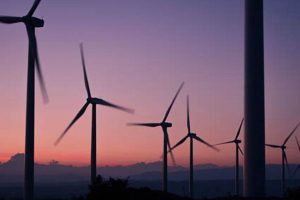
Wind energy represents a significant component within the broader framework of renewable energy and contributes directly to enhanced energy efficiency. Exploring wind energy as a power source is crucial for reducing reliance on fossil fuels and mitigating the environmental impacts associated with conventional energy generation. The kinetic energy of wind, converted into electricity through wind turbines, provides a clean and sustainable alternative, reducing greenhouse gas emissions and promoting energy independence. The exploration of wind energy encompasses technological advancements in turbine design, strategic siting of wind farms, and integration into existing electricity grids. For example, offshore wind farms, situated in areas with consistent and strong winds, maximize energy capture and minimize land-use conflicts, demonstrating the practical application of this exploration.
The relationship between wind energy exploration and energy efficiency is multifaceted. Increased deployment of wind turbines reduces overall energy consumption from conventional sources, enhancing energy efficiency at a systemic level. Furthermore, advancements in wind turbine technology, driven by ongoing exploration and research, lead to improved energy capture efficiency, maximizing the electricity generated from available wind resources. This continuous improvement in efficiency is essential for the economic viability and widespread adoption of wind energy. For instance, the development of larger turbine blades and more efficient generators increases the amount of electricity produced per unit of wind, optimizing the return on investment and reducing the cost of wind energy.
In conclusion, exploring wind energy is essential for advancing renewable energy goals and achieving greater energy efficiency. The development and deployment of wind power technologies contribute to a cleaner energy mix, reduce environmental impact, and enhance energy security. Continued research and development in wind energy conversion technologies, grid integration strategies, and energy storage solutions are critical for maximizing the potential of wind power and achieving a sustainable energy future. Addressing challenges related to intermittency, environmental impact, and public acceptance remains crucial for the successful integration of wind energy into the global energy landscape.
6. Develop Hydropower

Hydropower development plays a significant role in the transition to sustainable energy systems, contributing to both renewable energy generation and enhanced energy efficiency. Utilizing the natural flow of water to generate electricity, hydropower offers a clean and reliable energy source, reducing reliance on fossil fuels and mitigating greenhouse gas emissions. Developing hydropower resources requires careful consideration of environmental and social impacts, balancing the benefits of clean energy with the need for ecological preservation and community well-being. This exploration of hydropower development will examine its key facets, including its role in energy systems, technological advancements, environmental considerations, and socioeconomic implications.
- Dam Construction and Reservoir Management:
Hydropower generation typically involves the construction of dams to create reservoirs, which store water and regulate its flow to drive turbines. Dam design and reservoir management are crucial for optimizing energy generation while minimizing environmental disruption. Factors such as dam height, reservoir size, and water flow rates influence the efficiency and output of hydropower plants. For example, the Three Gorges Dam in China, the world’s largest hydropower station, demonstrates the scale and complexity of dam construction and reservoir management for large-scale power generation. However, large-scale dam projects can have significant environmental and social consequences, including habitat alteration, displacement of communities, and changes in downstream river flows.
- Turbine Technology and Efficiency:
Turbines are the heart of hydropower plants, converting the kinetic energy of flowing water into mechanical energy, which then drives generators to produce electricity. Advancements in turbine technology, such as improved blade design and generator efficiency, contribute to increased energy capture and overall plant performance. Different turbine types, such as Francis, Kaplan, and Pelton turbines, are suited to different water flow characteristics and head heights, optimizing energy conversion efficiency. For example, the development of variable-speed turbines allows for greater flexibility in adapting to fluctuating water flow conditions, maximizing energy output and grid stability.
- Environmental Impact and Mitigation Strategies:
Hydropower development can have significant environmental impacts, including changes in river ecosystems, fish migration patterns, and sediment transport. Minimizing these impacts requires careful planning, environmental impact assessments, and the implementation of mitigation strategies. Fish ladders and bypass structures can help maintain fish passage, while sediment management plans address the downstream impacts of reduced sediment flow. For example, the construction of fish ladders at Bonneville Dam on the Columbia River in the United States aims to mitigate the impact of the dam on salmon migration.
- Integration with Energy Systems and Grid Management:
Hydropower plays a crucial role in balancing electricity grids, particularly with increasing integration of intermittent renewable energy sources like solar and wind. The ability to regulate water flow and adjust power output makes hydropower a valuable asset for grid stability and reliability. Pumped hydro storage, which involves pumping water uphill during periods of low demand and releasing it during peak demand, provides a form of energy storage that complements other renewable energy sources. For example, the Dinorwig Power Station in Wales, a pumped hydro storage facility, provides grid balancing services and supports the integration of wind power into the UK’s electricity grid.
In conclusion, developing hydropower resources offers significant potential for achieving energy efficiency and renewable energy targets. However, careful consideration of environmental and social impacts is essential for responsible hydropower development. Balancing the benefits of clean energy generation with the need for ecological preservation and community well-being requires a comprehensive approach that integrates technological advancements, environmental mitigation strategies, and sustainable resource management practices. By addressing these complex challenges, hydropower can contribute to a more sustainable and resilient energy future.
7. Integrate Geothermal Energy
Geothermal energy integration represents a crucial pathway toward achieving energy efficiency and renewable energy targets. Harnessing the Earth’s internal heat offers a consistent and sustainable energy source for various applications, reducing reliance on fossil fuels and mitigating greenhouse gas emissions. Integrating geothermal energy into existing energy systems requires careful assessment of geological conditions, technological advancements, and economic feasibility. This exploration delves into key facets of geothermal energy integration, emphasizing its role in advancing sustainable energy practices.
- Direct Use and District Heating:
Direct use applications represent a significant portion of geothermal energy utilization. Geothermal fluids, heated by the Earth’s internal heat, can directly heat buildings, greenhouses, and industrial processes. District heating systems, which distribute geothermal hot water to multiple buildings, offer efficient and cost-effective space heating solutions. For example, Reykjavik, Iceland, utilizes geothermal district heating to provide space heating and hot water to a significant portion of its population, demonstrating the scalability and efficiency of this approach.
- Geothermal Power Plants:
Geothermal power plants utilize high-temperature geothermal fluids to generate electricity. Steam from geothermal reservoirs drives turbines connected to generators, producing clean and renewable electricity. Binary cycle power plants, which use lower-temperature geothermal fluids to heat a secondary working fluid, expand the range of geothermal resources suitable for electricity generation. The Geysers Geothermal Complex in California, the largest geothermal field in the world, exemplifies the potential of geothermal power plants for utility-scale electricity generation.
- Geothermal Heat Pumps:
Geothermal heat pumps, also known as ground-source heat pumps, utilize the relatively constant temperature of the ground to provide heating and cooling for buildings. These systems exchange heat with the Earth, providing efficient and environmentally friendly space conditioning. Geothermal heat pumps reduce reliance on conventional heating and cooling systems, contributing to lower energy consumption and reduced greenhouse gas emissions. Their widespread adoption can significantly enhance building energy efficiency and decrease peak electricity demand.
- Resource Assessment and Exploration:
Successful integration of geothermal energy requires thorough resource assessment and exploration to identify suitable geothermal reservoirs. Geological surveys, geophysical methods, and exploratory drilling are essential for characterizing geothermal resources and determining their potential for various applications. Advances in exploration technologies and data analysis techniques contribute to improved accuracy in resource estimation and reduce the risks associated with geothermal development. For instance, enhanced geothermal systems (EGS), which involve fracturing hot dry rock to create artificial geothermal reservoirs, expand the potential for geothermal energy exploitation in areas without naturally occurring permeable reservoirs.
In conclusion, integrating geothermal energy offers a multifaceted approach to achieving energy efficiency and renewable energy goals. From direct use applications to electricity generation and geothermal heat pumps, geothermal technologies provide sustainable solutions for a variety of energy needs. Continued technological advancements and supportive policies will further enhance the role of geothermal energy in diversifying energy portfolios, reducing environmental impact, and fostering a more sustainable energy future. Addressing challenges related to resource availability, infrastructure development, and environmental considerations is crucial for maximizing the potential of geothermal energy and achieving a truly sustainable energy transition.
Frequently Asked Questions
This section addresses common inquiries regarding sustainable energy practices, focusing on reducing energy consumption and transitioning to renewable sources.
Question 1: What are the most effective ways to reduce energy consumption in residential buildings?
Improving building insulation, upgrading to energy-efficient appliances, and adopting smart thermostats are among the most impactful measures. Sealing air leaks, utilizing natural light, and implementing behavioral changes, such as lowering thermostat settings in winter and raising them in summer, also contribute significantly.
Question 2: How do renewable energy sources contribute to energy efficiency?
Renewable energy sources, such as solar and wind power, displace electricity generation from fossil fuel-based power plants, reducing overall energy consumption and greenhouse gas emissions. This displacement contributes to enhanced system-wide energy efficiency by lessening the demand on conventional power generation infrastructure.
Question 3: What are the primary barriers to wider adoption of renewable energy technologies?
Intermittency of some renewable sources, like solar and wind, poses challenges for grid integration. High upfront costs associated with renewable energy installations can be a barrier for some consumers and businesses. Addressing these challenges through technological advancements, such as energy storage solutions and smart grid technologies, and supportive policies, such as tax incentives and renewable portfolio standards, are crucial for accelerating adoption.
Question 4: How can individuals contribute to the transition to sustainable energy?
Individuals can contribute by adopting energy-saving practices at home, such as reducing energy consumption through behavioral changes and upgrading to efficient appliances. Supporting policies that promote renewable energy development and investing in renewable energy technologies, such as rooftop solar installations, further empower individuals to participate in the transition.
Question 5: What are the long-term economic benefits of transitioning to sustainable energy systems?
The long-term economic benefits include reduced reliance on volatile fossil fuel markets, increased energy independence, and job creation in the renewable energy sector. Lower energy costs for consumers and businesses contribute to economic growth and stability. Furthermore, mitigating climate change through reduced greenhouse gas emissions avoids the substantial economic costs associated with its impacts.
Question 6: How does energy storage address the intermittency of renewable energy sources?
Energy storage technologies, such as batteries and pumped hydro storage, store excess energy generated during periods of high renewable energy production, such as sunny or windy days. This stored energy can then be released during periods of low renewable energy generation or high demand, ensuring a consistent and reliable energy supply and facilitating greater integration of intermittent renewable sources into the grid.
Transitioning to sustainable energy requires a multifaceted approach involving both individual actions and systemic changes. Understanding the benefits and challenges associated with renewable energy and energy efficiency is crucial for informed decision-making and effective implementation of sustainable energy strategies.
The subsequent section will offer concluding remarks on the significance of pursuing sustainable energy practices and their role in shaping a more resilient and environmentally responsible future.
Conclusion
This exploration has underscored the critical importance of energy efficiency and renewable energy as interconnected pillars of a sustainable energy future. From optimizing building insulation and utilizing efficient appliances to harnessing solar, wind, hydro, and geothermal energy, the strategies discussed offer a pathway to reduced reliance on finite resources and mitigated environmental impact. Technological advancements in renewable energy generation, energy storage, and smart grid technologies are pivotal for accelerating this transition. Furthermore, addressing economic and social considerations, such as affordability, accessibility, and community engagement, is essential for ensuring an equitable and just energy transition.
The pursuit of energy efficiency and renewable energy represents not merely a technological challenge, but a fundamental shift in societal values and priorities. The choices made today will determine the energy landscape of tomorrow and the well-being of future generations. Embracing sustainable energy practices is not just an option; it is an imperative for ensuring a secure, resilient, and environmentally responsible future for all.