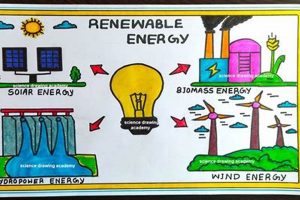
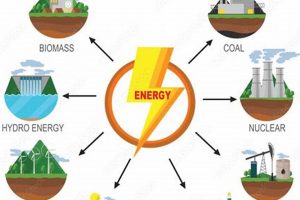
Battery-powered, plug-in automobiles offer a cleaner alternative to traditional combustion engines. Harnessing power from sustainable sources like solar, wind, and hydroelectricity to charge these vehicles creates a pathway toward significantly reducing transportation’s environmental impact. For instance, solar panels installed on a home’s roof can generate the electricity needed to power a family’s car, creating a closed-loop system of clean energy consumption.
Decoupling transportation from fossil fuels offers numerous advantages. It reduces reliance on finite resources and mitigates greenhouse gas emissions that contribute to climate change. Additionally, utilizing distributed generation, such as rooftop solar, can enhance grid resilience and reduce strain on existing infrastructure. The transition to this paradigm has been driven by advancements in battery technology, government incentives, and growing public awareness of environmental issues.
This intersection of sustainable power and transportation represents a critical component of future energy strategies. Further exploration will address the challenges of scaling renewable energy generation, developing robust charging infrastructure, and improving battery efficiency and lifecycle management. It will also examine the economic and societal implications of widespread adoption of this technology.
Tips for Sustainable Transportation
Maximizing the environmental benefits of electric mobility requires careful consideration of energy sources and charging practices. The following tips offer guidance on minimizing environmental impact and supporting a sustainable transportation ecosystem.
Tip 1: Optimize Charging Times: Charging during off-peak hours, often at night, can leverage lower electricity demand periods, sometimes utilizing a higher proportion of renewable energy sources on the grid and minimizing strain on the power system.
Tip 2: Explore Time-of-Use Electricity Rates: Many utility companies offer time-of-use (TOU) rate plans, providing lower electricity costs during off-peak hours, further incentivizing strategic charging times.
Tip 3: Consider Home Solar Installation: Generating electricity at home through solar panels directly powers vehicles with clean energy, reducing reliance on the grid and maximizing environmental benefits.
Tip 4: Support Green Power Programs: Even without home solar, participating in utility-sponsored green power programs allows consumers to support renewable energy development and increase the proportion of clean energy powering their vehicles.
Tip 5: Advocate for Renewable Energy Policies: Supporting policies that promote renewable energy development and expansion is crucial for accelerating the transition to a cleaner transportation sector.
Tip 6: Choose Efficient Driving Practices: Adopting efficient driving habits, such as maintaining consistent speeds and minimizing aggressive acceleration and braking, maximizes vehicle range and minimizes energy consumption.
Tip 7: Research Vehicle-to-Grid (V2G) Technology: V2G technology allows electric vehicles to discharge electricity back to the grid, potentially offering grid stabilization services and further integrating renewable energy resources.
By adopting these practices, drivers can contribute significantly to a more sustainable transportation future, maximizing the environmental and economic benefits of electric vehicles.
These individual actions, combined with broader systemic changes in energy production and infrastructure, are essential for realizing the full potential of sustainable transportation and mitigating the impacts of climate change.
1. Clean Energy Charging

Clean energy charging forms the cornerstone of sustainable electric vehicle operation. It represents the direct link between transportation and renewable energy generation, enabling vehicles to operate with minimal environmental impact. Charging an electric vehicle with electricity generated from sources like solar, wind, or hydro effectively decouples transportation from fossil fuel dependence, reducing greenhouse gas emissions and promoting cleaner air. The environmental benefits are amplified when considering the entire lifecycle, from resource extraction and manufacturing to vehicle operation and disposal. For example, an electric vehicle charged with solar power significantly reduces reliance on fossil fuel-powered electricity plants, minimizing air pollutants and contributing to a lower carbon footprint.
The practical significance of clean energy charging extends beyond individual vehicles. Widespread adoption, combined with a growing renewable energy infrastructure, can contribute to a more resilient and decentralized power grid. Utilizing smart charging technologies and integrating electric vehicles into the grid can further enhance grid stability, potentially offering ancillary services like frequency regulation and peak demand reduction. Furthermore, as the penetration of renewable energy sources increases on the grid, the environmental benefits of electric vehicle charging are magnified. Policy incentives and innovative technologies, such as vehicle-to-grid (V2G) systems, further accelerate the transition towards a cleaner transportation sector. V2G, for instance, enables electric vehicles to act as distributed energy storage, providing grid services and increasing the overall efficiency of renewable energy utilization.
Integrating clean energy charging into the broader electric vehicle ecosystem is paramount for achieving sustainable transportation goals. Challenges remain in scaling renewable energy generation, optimizing charging infrastructure, and ensuring equitable access to clean energy charging options. However, continued innovation and supportive policy frameworks can drive progress toward a future where transportation is powered by clean, renewable energy, mitigating the environmental impact of mobility and contributing to a more sustainable energy landscape.
2. Reduced Emissions

Reduced emissions represent a central benefit of transitioning to electric vehicles powered by renewable energy. The shift from internal combustion engines (ICEs) to electric motors eliminates tailpipe emissions, directly mitigating localized air pollution and improving urban air quality. This reduction in pollutants such as nitrogen oxides (NOx), particulate matter (PM), and volatile organic compounds (VOCs) contributes to improved public health, particularly in densely populated areas. Furthermore, powering electric vehicles with renewable energy sources like solar, wind, or hydropower addresses the lifecycle emissions associated with electricity generation. This comprehensive approach, from energy source to vehicle operation, significantly reduces the overall carbon footprint of transportation, mitigating contributions to climate change. For instance, studies have shown that electric vehicles charged with renewable energy can reduce greenhouse gas emissions by up to 70% compared to conventional gasoline-powered vehicles.
The significance of reduced emissions extends beyond immediate environmental and health benefits. Decoupling transportation from fossil fuel dependence enhances energy security and reduces reliance on finite resources. As renewable energy infrastructure expands, the emissions associated with electricity generation continue to decline, further amplifying the positive impact of electric vehicles. The practical application of this understanding involves promoting policies that incentivize electric vehicle adoption and accelerate the deployment of renewable energy infrastructure. Investing in research and development of battery technologies, charging infrastructure, and smart grid integration further strengthens the link between electric vehicles and reduced emissions. For example, advancements in battery technology can improve vehicle range and efficiency, reducing the overall energy demand and associated emissions.
Reduced emissions remain a critical driver in the transition to sustainable transportation. While challenges exist in scaling production, managing battery lifecycles, and ensuring equitable access to charging infrastructure, the potential for transformative change is significant. Integrating electric vehicles powered by renewable energy into the broader energy system offers a pathway towards decarbonizing the transportation sector, mitigating the effects of climate change, and improving air quality for future generations. Continued innovation and collaborative efforts across industry, government, and academia are essential to realizing this vision.
3. Grid Integration

Grid integration represents a crucial aspect of maximizing the benefits of electric vehicles powered by renewable energy. It involves the bidirectional flow of energy between electric vehicles and the electricity grid, enabling vehicles to not only draw power for charging but also potentially supply power back to the grid. This bidirectional capability, often referred to as vehicle-to-grid (V2G) technology, transforms electric vehicles into distributed energy resources (DERs), enhancing grid stability and flexibility. For instance, during periods of peak demand, aggregated fleets of V2G-enabled vehicles could discharge stored energy back to the grid, reducing strain on power plants and potentially avoiding the need for costly peaking power infrastructure. Conversely, vehicles can charge during off-peak hours, often when renewable energy generation is high, further optimizing the utilization of clean energy sources. The successful integration of electric vehicles into the grid requires sophisticated communication networks, advanced charging infrastructure, and robust grid management systems to coordinate the charging and discharging of potentially millions of vehicles.
The practical significance of grid integration extends beyond simply balancing supply and demand. It facilitates greater penetration of renewable energy sources by providing a mechanism to absorb intermittent generation from solar and wind power. Electric vehicles, acting as mobile storage units, can store excess renewable energy when generation exceeds demand and discharge it back to the grid when renewable sources are unavailable. This buffering effect smooths out fluctuations in renewable energy supply, enhancing grid reliability and reducing the need for conventional backup power plants. Moreover, grid integration can contribute to a more decentralized and resilient energy system. By distributing energy storage capacity across a fleet of electric vehicles, the grid becomes less vulnerable to localized outages and disruptions. For example, in the event of a power outage, V2G-enabled vehicles could potentially power essential household appliances, providing backup power and enhancing community resilience.
Grid integration is essential for realizing the full potential of electric vehicles and renewable energy. While technical and regulatory challenges remain, including standardization of communication protocols and development of appropriate market mechanisms, the potential benefits are substantial. Successful integration can lead to a more stable, resilient, and sustainable energy system, maximizing the utilization of renewable resources, reducing reliance on fossil fuels, and contributing to a cleaner and more secure energy future. Further research and development are crucial for optimizing grid integration strategies, addressing cybersecurity concerns, and ensuring equitable access to the benefits of this evolving technology.
4. Sustainable Infrastructure

Sustainable infrastructure plays a critical role in enabling the widespread adoption and effectiveness of electric vehicles powered by renewable energy. This infrastructure encompasses not only the charging network necessary to power electric vehicles but also the renewable energy generation and grid modernization efforts required to support a clean transportation ecosystem. The availability of conveniently located and reliable charging stations powered by renewable energy sources is a key factor influencing consumer adoption of electric vehicles. Furthermore, the integration of smart charging technologies and grid management systems is essential for optimizing energy consumption, balancing grid loads, and maximizing the utilization of renewable energy resources. For example, the development of charging stations powered by on-site solar panels or wind turbines minimizes reliance on the existing grid infrastructure and further reduces the carbon footprint of electric vehicle charging. Investing in grid modernization efforts, such as smart grids and energy storage solutions, further enhances the ability to integrate renewable energy sources and support the growing demand from electric vehicles. The absence of robust and sustainable infrastructure can create a barrier to widespread electric vehicle adoption, hindering the transition to a cleaner transportation sector.
The practical significance of sustainable infrastructure extends beyond simply facilitating electric vehicle charging. A well-developed charging network can stimulate economic growth by creating jobs in manufacturing, installation, and maintenance. Furthermore, integrating electric vehicles into the grid can enhance grid resilience and reliability by providing distributed energy storage and demand-side management capabilities. For instance, vehicle-to-grid (V2G) technology allows electric vehicles to discharge stored energy back to the grid during periods of peak demand or grid instability, reducing strain on the electricity system and potentially deferring the need for costly grid upgrades. The development of sustainable infrastructure requires a coordinated effort involving government agencies, utility companies, private sector investors, and community stakeholders. Policy incentives, such as tax credits and rebates for electric vehicle purchases and charging infrastructure installations, can accelerate the deployment of sustainable infrastructure and encourage consumer adoption.
Sustainable infrastructure is an indispensable component of a successful transition to electric vehicles powered by renewable energy. While challenges remain in terms of financing, planning, and coordination, the long-term benefits are substantial. Investing in sustainable infrastructure not only supports the growth of the electric vehicle market but also contributes to broader societal goals of reducing greenhouse gas emissions, improving air quality, and enhancing energy security. Continued innovation in charging technologies, grid management systems, and renewable energy integration will further optimize the performance and sustainability of the transportation infrastructure, paving the way for a cleaner and more resilient energy future.
5. Energy Independence

Energy independence, often a national strategic objective, finds a significant ally in the adoption of electric vehicles powered by renewable energy. Transitioning transportation away from reliance on imported fossil fuels towards domestically generated renewable electricity reduces vulnerability to global energy price fluctuations and geopolitical instability. This shift strengthens national energy security by diversifying energy sources and reducing dependence on potentially volatile international markets. For example, a nation heavily reliant on imported oil can significantly reduce its dependence by transitioning its transportation sector to electric vehicles powered by domestically sourced wind and solar energy. This reduces the economic and political leverage of oil-producing nations, enhancing the nation’s ability to chart its own energy course. The practical significance of this understanding lies in the potential for enhanced national resilience and economic stability. Investments in renewable energy generation and electric vehicle infrastructure create domestic jobs and stimulate economic growth while simultaneously reducing the outflow of capital for fossil fuel imports.
Furthering the pursuit of energy independence through this approach necessitates strategic policy implementation. Government incentives, such as tax credits for electric vehicle purchases and renewable energy installations, can accelerate market adoption. Investing in research and development of advanced battery technologies, smart charging infrastructure, and grid modernization efforts further strengthens the link between electric vehicles and energy independence. For instance, advancements in battery technology can reduce reliance on imported raw materials, strengthening domestic supply chains and enhancing energy security. Similarly, developing smart charging infrastructure can optimize energy consumption and grid stability, maximizing the benefits of renewable energy integration. The practical application of this understanding necessitates a long-term, strategic approach to energy planning that prioritizes investments in renewable energy generation and electric vehicle infrastructure.
In conclusion, the pursuit of energy independence finds a powerful tool in the combination of electric vehicles and renewable energy. While challenges remain in terms of infrastructure development, technological advancements, and consumer adoption, the potential benefits are substantial. By reducing reliance on imported fossil fuels and fostering domestic renewable energy generation, nations can enhance their energy security, stimulate economic growth, and mitigate the environmental impacts of transportation. Continued innovation and policy support are essential for realizing the full potential of this synergy and achieving a more sustainable and secure energy future.
Frequently Asked Questions
This section addresses common inquiries regarding the intersection of electric vehicles and renewable energy, providing concise and informative responses.
Question 1: How significantly can electric vehicles powered by renewable energy reduce greenhouse gas emissions?
Lifecycle assessments indicate substantial reductions in greenhouse gas emissions compared to gasoline-powered vehicles, ranging from 50% to 70% depending on the specific renewable energy source and vehicle model.
Question 2: What role does grid integration play in maximizing the benefits of electric vehicles and renewable energy?
Grid integration enables optimized energy management, utilizing electric vehicles as distributed energy resources to store excess renewable energy and support grid stability during peak demand periods.
Question 3: What infrastructure developments are essential for supporting widespread electric vehicle adoption?
Widespread deployment of conveniently located and reliable charging stations, coupled with grid modernization and expansion of renewable energy generation capacity, is crucial.
Question 4: How does the transition to electric vehicles powered by renewable energy impact energy independence?
It reduces reliance on imported fossil fuels, enhancing energy security and mitigating vulnerability to global energy price volatility and geopolitical instability.
Question 5: What are the primary challenges hindering broader adoption of electric vehicles and renewable energy in transportation?
Challenges include upfront vehicle costs, range anxiety, charging infrastructure availability, and the need for continued advancements in battery technology and grid management systems.
Question 6: What policy measures can accelerate the transition to electric vehicles powered by renewable energy?
Effective policies include financial incentives for electric vehicle purchases and charging infrastructure installations, emissions regulations, renewable energy portfolio standards, and investment in research and development.
Transitioning to electric vehicles powered by renewable energy offers significant environmental and economic benefits, requiring a multifaceted approach involving technological advancements, infrastructure development, and supportive policy frameworks.
Further exploration of specific topics related to electric vehicles and renewable energy can provide a more comprehensive understanding of this evolving landscape.
Electric Vehicles and Renewable Energy
Exploration of the synergy between electric vehicles and renewable energy reveals a compelling pathway toward decarbonizing the transportation sector. Analysis demonstrates substantial reductions in greenhouse gas emissions, enhanced energy independence, and improved air quality through the adoption of electric vehicles powered by clean energy sources. Furthermore, grid integration of electric vehicles offers opportunities for enhanced grid stability and optimized utilization of renewable resources. Key factors for successful implementation include robust charging infrastructure development, continued advancements in battery technology, and supportive policy frameworks. Addressing challenges such as upfront vehicle costs and range anxiety remains crucial for widespread adoption.
The transition to electric vehicles powered by renewable energy represents a significant paradigm shift in transportation. This transformative change requires collaborative efforts across industries, governments, and research institutions to overcome existing barriers and accelerate the realization of a sustainable transportation future. Continued investment in research, development, and deployment of these technologies is essential for mitigating the impacts of climate change, enhancing energy security, and creating a cleaner, healthier environment for future generations. The convergence of electric vehicles and renewable energy offers not merely a technological advancement, but a fundamental shift towards a more sustainable and resilient energy landscape.