The worldwide status of investment and funding for sustainable power generation sources like solar, wind, hydro, geothermal, and biomass encompasses a complex network of public and private financing mechanisms. This involves diverse stakeholders, from international development banks and venture capitalists to national governments and individual investors. For example, a green bond issued by a development bank might fund the construction of a wind farm in a developing country, while a venture capital firm might invest in a startup developing innovative solar panel technology.
Facilitating the shift toward cleaner energy sources is essential for mitigating climate change and ensuring long-term energy security. Historically, fossil fuels have dominated the energy sector, but the increasing affordability and efficiency of renewables, coupled with growing environmental concerns, have shifted investment flows. This transition creates economic opportunities, stimulates innovation, and improves public health outcomes through reduced air pollution.
This article will further examine key aspects of this dynamic field, including current investment trends, regional variations in financing, the role of policy and regulatory frameworks, and the challenges and opportunities that lie ahead.
Understanding the complexities of renewable energy finance is crucial for both investors and project developers. The following tips provide guidance for successful engagement in this dynamic sector.
Tip 1: Conduct Thorough Due Diligence: Comprehensive research is essential. Analyze market trends, technology viability, regulatory landscapes, and project-specific risks before committing capital.
Tip 2: Diversify Investments: Spreading investments across different renewable energy technologies and geographies can mitigate risk and maximize returns. Consider a portfolio approach encompassing solar, wind, hydro, and other emerging technologies.
Tip 3: Understand Policy and Regulatory Frameworks: Government incentives, subsidies, and carbon pricing mechanisms significantly influence the financial viability of renewable energy projects. Stay informed about policy changes and their potential impact.
Tip 4: Engage with Local Communities: Building strong relationships with local stakeholders is critical for project success. Transparency and community engagement can help mitigate social and environmental risks.
Tip 5: Explore Innovative Financing Mechanisms: Consider various financing options, including green bonds, project finance, and venture capital. Explore new and emerging financing instruments to optimize project funding.
Tip 6: Assess Long-Term Sustainability: Evaluate the long-term viability of projects, considering factors such as operational costs, maintenance requirements, and end-of-life decommissioning.
Tip 7: Partner with Experienced Professionals: Collaborate with technical advisors, legal experts, and financial institutions with a proven track record in renewable energy finance.
By heeding these recommendations, stakeholders can contribute to the growth of the renewable energy sector while managing risks effectively and maximizing the potential for positive impact.
The transition to a sustainable energy future requires informed decision-making and strategic investment. The insights provided in this article aim to support stakeholders in navigating the evolving landscape of renewable energy finance.
1. Investment Flows

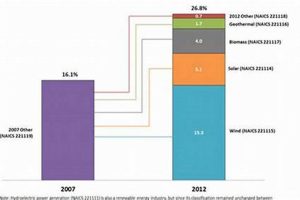
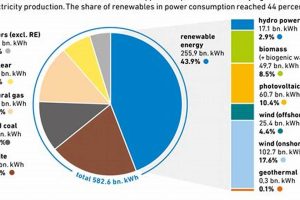
Investment flows constitute a crucial component of the global renewable energy finance landscape. The direction and magnitude of these flows significantly influence the pace and scale of renewable energy deployment worldwide. A robust flow of capital into renewable energy projects is essential for driving technological innovation, scaling up manufacturing capacity, and reducing the cost of clean energy technologies. Conversely, insufficient investment can hinder the transition to a sustainable energy future. For example, the rapid growth of solar photovoltaic (PV) capacity in recent years can be attributed, in part, to substantial investments in research and development, manufacturing facilities, and large-scale solar farms. Similarly, increased investment in offshore wind projects has spurred technological advancements and cost reductions, making offshore wind a increasingly competitive energy source.
Analyzing investment flows provides valuable insights into market trends, investor confidence, and the overall health of the renewable energy sector. Factors influencing investment decisions include government policies, regulatory frameworks, technological advancements, resource availability, and perceived risks. For instance, policy incentives such as feed-in tariffs and tax credits can attract investment, while regulatory uncertainty or political instability can deter investors. Understanding these dynamics is critical for policymakers, investors, and project developers seeking to navigate the complexities of renewable energy finance. Examining historical investment trends and future projections can help stakeholders make informed decisions about resource allocation, project development, and policy interventions.
In summary, investment flows play a pivotal role in shaping the global landscape of renewable energy finance. Analyzing these flows offers valuable insights into market dynamics and the effectiveness of policy interventions. Strategic allocation of capital is essential for accelerating the transition to a sustainable energy future, mitigating climate change, and ensuring long-term energy security. Challenges such as mobilizing sufficient capital, addressing investment risks, and promoting equitable access to clean energy finance require ongoing attention from stakeholders across the public and private sectors.
2. Policy frameworks

Policy frameworks play a pivotal role in shaping the global landscape of renewable energy finance. These frameworks, encompassing a range of policy instruments and regulatory mechanisms, influence investment decisions, technological development, and market growth within the renewable energy sector. Effective policies can create stable and predictable market conditions, attracting investment and fostering innovation. Conversely, poorly designed or inconsistent policies can hinder investment, stifle innovation, and slow the transition to a sustainable energy future. The cause-and-effect relationship between policy frameworks and renewable energy finance is evident in the impact of various policy instruments.
For example, feed-in tariffs, which guarantee a fixed price for renewable energy generation over a set period, have proven effective in stimulating investment in solar and wind power in several countries. Similarly, renewable portfolio standards (RPS), which mandate a certain percentage of electricity generation from renewable sources, have driven market growth and diversification. Conversely, policy uncertainty or retroactive changes to incentive programs can deter investment and create instability in the renewable energy market. The practical significance of understanding this connection is crucial for policymakers, investors, and project developers. Policymakers must design effective and stable policy frameworks that incentivize investment and innovation, while investors need to assess the policy landscape carefully before committing capital to renewable energy projects.
Challenges in policy implementation, such as regulatory barriers, grid connection issues, and permitting processes, can also impact the effectiveness of policy frameworks. Addressing these challenges requires coordinated efforts among government agencies, industry stakeholders, and research institutions. Furthermore, international cooperation and policy harmonization can play a significant role in promoting cross-border investment and accelerating the global transition to renewable energy. In summary, policy frameworks are integral to the global landscape of renewable energy finance. Well-designed policies can unlock significant investment, drive technological innovation, and accelerate the deployment of renewable energy technologies worldwide. Understanding the complex interplay between policy frameworks and investment decisions is essential for navigating the evolving renewable energy landscape and achieving a sustainable energy future.
3. Technological Innovation

Technological innovation forms a cornerstone of the global landscape of renewable energy finance. Advancements in renewable energy technologies directly influence investment decisions, market dynamics, and the overall cost-competitiveness of clean energy sources. A causal link exists between technological breakthroughs and increased investment in the renewable energy sector. As technologies become more efficient, reliable, and affordable, they attract greater investment, accelerating their deployment and market penetration. For example, the dramatic cost reductions in solar photovoltaic (PV) modules over the past decade have spurred significant investment in solar power projects worldwide. Similarly, advancements in wind turbine technology, such as larger rotor diameters and improved blade designs, have increased energy capture efficiency and driven down the cost of wind energy, attracting further investment. The importance of technological innovation as a component of the global landscape of renewable energy finance cannot be overstated. It serves as a catalyst for market growth, cost reductions, and increased accessibility to clean energy solutions.
Further illustrating this connection, consider the development of energy storage technologies. Advances in battery storage, pumped hydro storage, and other storage solutions address the intermittency challenges associated with solar and wind power, enhancing their reliability and grid integration potential. This, in turn, attracts further investment and facilitates wider adoption of these renewable energy sources. The practical significance of understanding this connection is crucial for investors, policymakers, and technology developers. Investors seeking opportunities in the renewable energy sector must stay abreast of technological advancements and assess their potential impact on market dynamics. Policymakers can encourage innovation through research and development funding, tax incentives, and supportive regulatory frameworks. Technology developers play a critical role in pushing the boundaries of innovation, creating new and improved clean energy solutions.
In summary, technological innovation is inextricably linked to the global landscape of renewable energy finance. It drives investment, reduces costs, and enhances the competitiveness of renewable energy sources. Continued investment in research and development, coupled with supportive policy frameworks, is essential for fostering further innovation and accelerating the global transition to a sustainable energy future. Addressing challenges such as technology transfer, intellectual property rights, and ensuring equitable access to technological advancements requires ongoing collaboration among stakeholders across the public and private sectors.
4. Risk Mitigation
Risk mitigation is an integral aspect of the global landscape of renewable energy finance. Given the significant capital investments required for renewable energy projects, coupled with the inherent uncertainties associated with emerging technologies and evolving market conditions, effective risk management is crucial for attracting investment and ensuring project success. A comprehensive understanding of the various risks involved and the implementation of appropriate mitigation strategies are essential for navigating the complexities of renewable energy finance and achieving a sustainable energy future.
- Policy and Regulatory Risk
Policy and regulatory changes, such as retroactive adjustments to feed-in tariffs or renewable energy targets, can significantly impact the financial viability of renewable energy projects. For example, changes in government incentives or the introduction of new environmental regulations can affect project revenues and profitability. Mitigation strategies include thorough due diligence of the regulatory landscape, engagement with policymakers, and incorporating flexibility into project design to adapt to potential policy changes.
- Technology Risk
Emerging renewable energy technologies may face performance issues, cost overruns, or unforeseen technical challenges. For instance, a new battery storage technology might not perform as expected, leading to increased project costs and delays. Mitigation strategies involve rigorous technology testing and validation, partnering with experienced technology providers, and incorporating contingency plans for potential technical issues.
- Financial Risk
Financial risks include fluctuations in currency exchange rates, interest rate volatility, and access to financing. For example, a project financed in a foreign currency may experience cost increases due to unfavorable exchange rate movements. Mitigation strategies include hedging currency risks, securing long-term financing agreements with favorable terms, and diversifying funding sources.
- Environmental and Social Risk
Renewable energy projects can face environmental and social risks, such as impacts on local ecosystems, community opposition, or land acquisition challenges. For example, a wind farm project might encounter resistance from local communities concerned about noise pollution or visual impacts. Mitigation strategies include conducting thorough environmental and social impact assessments, engaging with local communities, and implementing measures to minimize environmental and social impacts.
These facets of risk mitigation are interconnected and influence the overall investment landscape for renewable energy projects. Effectively addressing these risks is crucial for attracting investment, ensuring project success, and fostering a stable and predictable market environment for renewable energy development. By implementing robust risk mitigation strategies, stakeholders can contribute to the long-term growth and sustainability of the renewable energy sector while minimizing potential negative impacts.
5. Geographic Distribution

Geographic distribution plays a significant role in shaping the global landscape of renewable energy finance. The distribution of renewable energy resources, such as solar irradiance, wind speeds, and hydropower potential, varies considerably across the globe. This uneven distribution influences investment decisions, project development, and the overall growth trajectory of the renewable energy sector. A direct causal relationship exists between resource availability and investment attractiveness. Regions with abundant renewable energy resources tend to attract greater investment, leading to increased deployment of renewable energy technologies and associated infrastructure development. For example, regions with high solar irradiance, such as the Middle East and North Africa, have witnessed significant investments in solar power projects. Similarly, coastal areas with strong and consistent wind speeds, such as Northern Europe and parts of Asia, have become hubs for offshore wind development.
Understanding the geographic distribution of renewable energy resources is crucial for investors, policymakers, and project developers. Investors seek locations with optimal resource conditions to maximize returns on investment. Policymakers need to consider regional resource endowments when formulating renewable energy targets and incentive programs. Project developers must assess resource availability and grid infrastructure capacity when selecting project sites. Illustrating this further, consider the case of hydropower development. Countries with significant hydropower potential, such as Brazil and China, have leveraged this resource to generate a substantial portion of their electricity. However, hydropower projects can have significant environmental and social impacts, requiring careful planning and stakeholder engagement. The practical significance of understanding this connection lies in the ability to optimize resource utilization, minimize environmental impacts, and promote equitable access to clean energy. Analyzing resource distribution patterns, coupled with assessing grid infrastructure capacity and transmission constraints, informs strategic investment decisions and enables effective deployment of renewable energy technologies.
In summary, geographic distribution is a fundamental component of the global landscape of renewable energy finance. The uneven distribution of renewable energy resources influences investment flows, project development, and the overall growth trajectory of the renewable energy sector. Strategic planning and informed decision-making, based on a thorough understanding of resource availability, grid infrastructure, and local conditions, are essential for maximizing the potential of renewable energy and achieving a sustainable energy future. Challenges such as transmission bottlenecks, grid integration issues, and ensuring equitable access to renewable energy resources in different regions require ongoing attention and collaboration among stakeholders.
6. Stakeholder engagement
Stakeholder engagement forms a critical component of the global landscape of renewable energy finance. Successful renewable energy projects require collaboration and communication among a diverse range of stakeholders, including local communities, indigenous groups, government agencies, investors, project developers, and non-governmental organizations (NGOs). Effective stakeholder engagement can foster trust, build consensus, mitigate potential conflicts, and ensure project sustainability. A clear causal link exists between stakeholder engagement and project success. Projects that prioritize stakeholder engagement from the outset tend to experience smoother implementation, reduced social and environmental risks, and greater long-term viability. Conversely, neglecting stakeholder engagement can lead to project delays, cost overruns, community opposition, and reputational damage.
Illustrating this connection, consider the development of a large-scale wind farm. Early and meaningful engagement with local communities can address concerns about noise pollution, visual impacts, and potential effects on wildlife. This engagement can involve public consultations, community meetings, and the establishment of community benefit agreements. Such measures can build trust, address community concerns, and create a sense of shared ownership in the project. In contrast, failing to engage with local communities can result in strong opposition, legal challenges, and project delays, ultimately impacting the financial viability of the project. The practical significance of understanding this connection is crucial for project developers, investors, and policymakers. Project developers must prioritize stakeholder engagement throughout the project lifecycle, from planning and design to construction and operation. Investors increasingly recognize the importance of stakeholder engagement in mitigating social and environmental risks and ensuring project success. Policymakers can facilitate effective stakeholder engagement by establishing clear guidelines, providing platforms for dialogue, and promoting transparency in decision-making processes.
In summary, stakeholder engagement is essential for navigating the complexities of the global landscape of renewable energy finance. Effective engagement builds trust, mitigates risks, and fosters project sustainability. Prioritizing stakeholder engagement throughout the project lifecycle contributes to the long-term success of renewable energy projects, enhances community benefits, and fosters a more equitable and sustainable energy future. Challenges such as balancing competing interests, ensuring inclusivity in stakeholder engagement processes, and addressing power imbalances require ongoing attention and innovative approaches. Successfully navigating these challenges is essential for unlocking the full potential of renewable energy and achieving a just and sustainable energy transition.
7. Market Dynamics

Market dynamics constitute a crucial element within the global landscape of renewable energy finance. Fluctuations in energy demand, technological advancements, policy changes, and investor sentiment all contribute to the complex interplay of forces that shape market dynamics. A direct causal relationship exists between market dynamics and investment flows in the renewable energy sector. Favorable market conditions, such as rising energy demand, falling technology costs, and supportive government policies, can stimulate investment and accelerate the deployment of renewable energy technologies. Conversely, unfavorable market conditions, such as declining energy demand, economic downturns, or policy uncertainty, can deter investment and hinder market growth. For example, the increasing demand for electric vehicles has created a growing market for battery storage technologies, driving investment in this sector. Similarly, declining costs of solar PV modules have made solar power more competitive with conventional fossil fuels, attracting significant investment in solar projects worldwide.
Illustrating this connection further, consider the impact of carbon pricing mechanisms on market dynamics. The introduction of a carbon tax or cap-and-trade system can increase the cost of fossil fuels, making renewable energy sources more economically attractive. This can shift investment flows towards renewable energy projects and accelerate the transition to a low-carbon economy. The practical significance of understanding this connection is crucial for investors, policymakers, and project developers. Investors need to carefully analyze market trends, assess potential risks and opportunities, and adapt their investment strategies accordingly. Policymakers can influence market dynamics through policy interventions, such as carbon pricing mechanisms, renewable energy targets, and investment incentives. Project developers must understand market conditions and adjust project designs and financing strategies to ensure project viability and competitiveness.
In summary, market dynamics play a pivotal role in shaping the global landscape of renewable energy finance. Understanding the complex interplay of market forces, technological advancements, and policy interventions is essential for navigating the evolving renewable energy landscape. Effective market analysis, coupled with strategic policy frameworks and innovative financing mechanisms, can unlock significant investment, accelerate the deployment of renewable energy technologies, and contribute to a sustainable energy future. Challenges such as market volatility, regulatory uncertainty, and ensuring a level playing field for renewable energy sources require ongoing attention and collaboration among stakeholders. Successfully addressing these challenges is essential for achieving a just and sustainable energy transition.
Frequently Asked Questions
The following questions and answers address common inquiries regarding the multifaceted nature of financing renewable energy projects worldwide.
Question 1: What are the primary sources of financing for renewable energy projects?
Funding sources include private equity investments, venture capital, project finance through commercial banks and development finance institutions, green bonds, and government subsidies.
Question 2: How do policy and regulatory frameworks influence renewable energy investment?
Government policies, such as feed-in tariffs, tax incentives, and renewable portfolio standards, significantly impact investment decisions by creating market stability and incentivizing renewable energy development. Conversely, policy uncertainty or unfavorable regulations can deter investment.
Question 3: What are the key risks associated with investing in renewable energy projects?
Key risks include policy and regulatory changes, technology risks, financial risks (e.g., currency fluctuations, interest rate volatility), and environmental and social risks. Thorough due diligence and risk mitigation strategies are essential.
Question 4: How does the geographic distribution of renewable energy resources impact investment decisions?
Resource availability influences project siting and investment flows. Regions with abundant solar, wind, or hydropower resources tend to attract greater investment. Grid infrastructure and transmission capacity also play a critical role.
Question 5: What is the role of technological innovation in driving renewable energy finance?
Technological advancements reduce costs, improve efficiency, and enhance the competitiveness of renewable energy technologies, attracting increased investment and accelerating market growth.
Question 6: Why is stakeholder engagement important in renewable energy finance?
Engaging with local communities, indigenous groups, and other stakeholders is crucial for building trust, mitigating social and environmental risks, and ensuring the long-term sustainability of renewable energy projects.
Addressing these frequently asked questions provides a clearer understanding of the complex financial mechanisms and market dynamics that drive the global transition to renewable energy. Careful consideration of these factors is essential for informed decision-making and effective participation in this rapidly evolving sector.
For further exploration, the subsequent sections will delve into specific regional trends, emerging market opportunities, and innovative financing mechanisms shaping the future of renewable energy finance.
Conclusion
This exploration of the global landscape of renewable energy finance has highlighted the intricate interplay of investment flows, policy frameworks, technological innovation, risk mitigation strategies, geographic resource distribution, stakeholder engagement, and market dynamics. Each element plays a crucial role in shaping the trajectory of renewable energy development worldwide. The analysis underscores the importance of robust policy support, continuous technological advancements, and effective risk management in attracting investment and driving the transition to a sustainable energy future.
The global transition to renewable energy represents a significant undertaking with far-reaching economic, environmental, and social implications. Successfully navigating this transition requires informed decision-making, strategic collaboration among stakeholders, and a commitment to innovation and sustainability. The future of energy depends on continued investment, policy support, and technological breakthroughs to unlock the full potential of renewable energy and create a cleaner, more secure, and sustainable energy future for all.