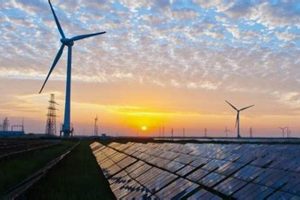
The National Renewable Energy Laboratory’s physical presence is concentrated primarily in Golden, Colorado, just outside Denver. This central campus houses state-of-the-art research facilities, including laboratories dedicated to advanced materials research, wind and water power studies, and solar energy technologies. In addition to the main campus, the laboratory maintains specialized research sites across the United States, strategically positioned to leverage unique geographical resources and collaborate with regional partners.
The laboratory’s strategic placement allows for close collaboration with academic institutions, industry partners, and government agencies, fostering a dynamic ecosystem for innovation in renewable energy and energy efficiency. This collaborative environment accelerates the development and deployment of clean energy technologies crucial for addressing global energy challenges. Established in 1977 as the Solar Energy Research Institute, the laboratory has played a pivotal role in advancing renewable energy science and technology for over four decades.
Further exploration of the laboratory’s work reveals specific research areas, technological breakthroughs, and collaborative initiatives that highlight its contributions to the global transition to a sustainable energy future. These areas include advancements in solar photovoltaics, wind turbine technology, bioenergy research, and energy systems integration.
Tips for Engaging with the National Renewable Energy Laboratory
Effective engagement with the laboratory can be facilitated through several strategic approaches. These approaches leverage the laboratory’s publicly available resources and collaborative opportunities.
Tip 1: Explore Online Resources: The laboratory’s website offers a wealth of information, including publications, data sets, and research findings. Utilizing these resources can provide valuable insights into current research initiatives and areas of expertise.
Tip 2: Attend Webinars and Conferences: The laboratory frequently hosts online and in-person events, providing opportunities to learn about cutting-edge research and network with experts in the field.
Tip 3: Seek Collaborative Opportunities: Researchers and industry professionals can explore potential collaborations with laboratory scientists through various funding programs and partnership initiatives.
Tip 4: Leverage the Laboratory’s Expertise: Technical assistance and consulting services are available to help organizations and businesses implement renewable energy solutions and improve energy efficiency.
Tip 5: Utilize Publicly Available Tools and Models: The laboratory develops and disseminates software tools and models that can be used for energy analysis, system design, and performance optimization.
Tip 6: Visit the Laboratory’s Facilities: Tours and visits to the laboratory’s campuses provide firsthand exposure to its research infrastructure and ongoing projects.
By leveraging these strategies, individuals and organizations can gain valuable knowledge, access cutting-edge resources, and contribute to the advancement of renewable energy and energy efficiency.
These engagement opportunities provide a pathway for collaborative innovation and accelerate the transition to a sustainable energy future. This information supports the overall goals of promoting renewable energy research and development.
1. Golden, Colorado (Headquarters)
The National Renewable Energy Laboratory’s (NREL) headquarters location in Golden, Colorado, is integral to its mission and impact. Golden provides a unique confluence of factors that contribute to NREL’s success in advancing renewable energy and energy efficiency technologies. Understanding the significance of this location requires examining its various facets.
- Research Infrastructure and Capabilities
Golden houses a concentration of advanced research facilities, laboratories, and specialized equipment essential for NREL’s diverse research portfolio. This infrastructure enables cutting-edge research in solar energy, wind energy, bioenergy, and energy systems integration. Examples include the Energy Systems Integration Facility (ESIF), which allows researchers to test and validate grid integration technologies, and the high-flux solar furnace, used for concentrating solar power research. The availability of such advanced infrastructure in Golden strengthens NREL’s research capacity and accelerates technological advancements.
- Collaboration and Partnerships
The Golden location fosters a collaborative ecosystem by facilitating interaction with academic institutions, government agencies, and industry partners. Proximity to the Colorado School of Mines and the University of Colorado Boulder, along with numerous private sector companies specializing in renewable energy, creates a rich environment for knowledge exchange and joint research projects. This collaborative environment enhances innovation and accelerates the commercialization of new technologies.
- Access to Skilled Workforce
Golden and the surrounding Denver metropolitan area offer a highly skilled and educated workforce, crucial for supporting NREL’s research endeavors. The availability of scientists, engineers, and technicians with expertise in renewable energy and related fields contributes significantly to the laboratory’s success. This access to talent ensures that NREL can attract and retain the expertise necessary to conduct world-class research.
- Geographic Advantages
Golden’s location provides access to diverse geographical resources relevant to renewable energy research. Colorado’s varied terrain, including mountains, plains, and deserts, allows researchers to study different renewable energy resources and their integration into diverse environments. Furthermore, the state’s commitment to renewable energy provides a supportive policy environment for NREL’s work.
These interconnected facets highlight the strategic importance of Golden, Colorado, as NREL’s headquarters. The concentration of research infrastructure, the collaborative ecosystem, access to a skilled workforce, and the geographic advantages collectively position NREL to effectively address critical challenges in renewable energy and energy efficiency. The location serves as a crucial foundation for NREL’s continued contributions to a sustainable energy future.
2. Proximity to Denver

The National Renewable Energy Laboratory’s (NREL) proximity to Denver, Colorado, significantly enhances its operational effectiveness and strategic impact. This proximity offers a range of advantages that contribute to the laboratory’s success in advancing renewable energy and energy efficiency technologies. Denver’s role as a major transportation hub facilitates access to NREL for researchers, collaborators, and industry partners from across the globe. Denver International Airport (DIA), a major international airport, provides convenient connections, streamlining travel and logistics for those visiting or collaborating with NREL. This accessibility fosters interaction and knowledge exchange, crucial for accelerating innovation in the renewable energy sector.
Furthermore, Denver’s robust urban infrastructure supports NREL’s operations and attracts a highly skilled workforce. The city’s established infrastructure, including transportation networks, communication systems, and utilities, provides a reliable foundation for NREL’s research activities. Moreover, Denver’s vibrant economy and diverse industries attract and retain a talented pool of scientists, engineers, and technicians, bolstering NREL’s human capital. The availability of a skilled workforce strengthens NREL’s research capacity and contributes to its ability to address complex challenges in renewable energy and energy efficiency. For example, the laboratory can readily recruit specialists in areas like data analytics or power systems engineering, leveraging Denver’s talent pool.
In summary, NREL’s location near Denver provides critical logistical advantages, access to a skilled workforce, and connections to a broader scientific and technological community. These factors collectively enhance the laboratory’s ability to conduct cutting-edge research, collaborate effectively with partners, and contribute to the global transition to a sustainable energy future. The proximity to Denver reinforces NREL’s position as a leading institution in renewable energy research and development, facilitating its mission to advance clean energy technologies and address climate change challenges. This strategic location is essential for maximizing NREL’s impact on the development and deployment of renewable energy solutions worldwide.
3. Specialized Research Sites

The National Renewable Energy Laboratory (NREL) leverages strategically located specialized research sites to maximize its research effectiveness and address diverse renewable energy challenges. These sites, distinct from the main campus in Golden, Colorado, are positioned to capitalize on specific geographical resources and environmental conditions relevant to particular research areas. This distributed approach allows NREL to conduct field studies, validate technologies under real-world conditions, and accelerate the deployment of renewable energy solutions tailored to specific regions. For instance, NREL’s Flatirons Campus, situated near Boulder, Colorado, focuses on grid modernization and cybersecurity research, leveraging its proximity to relevant industry partners and infrastructure. Similarly, the National Wind Technology Center, located near Boulder, provides unique capabilities for testing and evaluating wind turbines in realistic atmospheric conditions.
The distribution of research sites fosters collaboration with regional partners, including universities, industry stakeholders, and local communities. This collaborative network enhances knowledge sharing, accelerates technology transfer, and promotes the integration of renewable energy solutions into local economies. The diverse locations enable NREL to address region-specific challenges and opportunities, contributing to a more comprehensive and effective approach to renewable energy development. For example, research conducted at the NREL’s bioenergy research sites explores the potential of diverse biomass resources for sustainable fuel production, tailored to regional agricultural practices and environmental considerations.
In summary, NREL’s network of specialized research sites is essential for advancing renewable energy technologies and fostering their widespread adoption. By capitalizing on unique geographical resources and fostering regional partnerships, these sites enhance research capabilities, accelerate technology transfer, and contribute to a more resilient and sustainable energy future. This strategic distribution of research infrastructure maximizes NREL’s impact on the national and global transition to clean energy sources. Further investigation into the specific research conducted at each site provides a deeper understanding of NREL’s comprehensive approach to renewable energy innovation.
4. Strategic National Presence

The National Renewable Energy Laboratory’s (NREL) strategic national presence, achieved through its geographically diverse locations, is fundamental to its mission and impact. This distribution of resources and expertise across the United States enables NREL to effectively address regional energy challenges, foster collaboration with diverse stakeholders, and accelerate the nationwide adoption of renewable energy and energy efficiency technologies. NREL’s headquarters in Golden, Colorado, serves as the central hub for research and development, while specialized research sites, strategically positioned across the country, focus on specific renewable energy resources and technologies. This decentralized approach allows NREL to leverage unique regional resources, such as wind resources in the Great Plains or solar resources in the Southwest, and tailor research efforts to specific environmental and economic contexts. For example, NREL’s work with wind energy developers in Texas leverages the state’s abundant wind resources and established wind energy industry.
This strategic national presence fosters strong partnerships with universities, industry leaders, and government agencies across the nation. By engaging with local stakeholders, NREL facilitates technology transfer, workforce development, and the integration of renewable energy solutions into regional economies. These collaborations contribute to a more inclusive and effective transition to a sustainable energy future. For example, NREL’s partnerships with universities on the West Coast support research on marine energy technologies, capitalizing on the region’s coastal resources and academic expertise. Furthermore, collaborations with tribal nations explore opportunities for deploying renewable energy on tribal lands, addressing specific energy needs and promoting economic development.
In summary, NREL’s strategic national presence is crucial for maximizing its impact on the development and deployment of renewable energy and energy efficiency technologies across the United States. This distributed approach enables tailored research efforts, fosters regional partnerships, and accelerates the nationwide transition to a clean energy future. The diversity of locations allows NREL to address specific regional challenges, leverage unique resources, and contribute to a more resilient and sustainable national energy landscape. This approach strengthens the nation’s energy security, promotes economic growth, and reduces environmental impacts associated with traditional energy sources.
5. Resource Accessibility
The National Renewable Energy Laboratory’s (NREL) strategic locations are intrinsically linked to resource accessibility, a crucial factor in its research and development effectiveness. Locating facilities in areas with abundant renewable resources allows direct access to the very elements under investigation. This proximity facilitates real-world testing, data collection, and validation of renewable energy technologies under diverse operational conditions. For example, NREL’s National Wind Technology Center, situated in the wind-rich region near Boulder, Colorado, provides ideal conditions for testing wind turbine performance and reliability. Similarly, the location of the Solar Radiation Research Laboratory (SRRL) within the high solar irradiance zone of the Desert Southwest enables precise solar resource characterization and the development of advanced solar energy technologies. This direct access to resources significantly reduces logistical complexities and costs associated with data collection and technology validation.
Furthermore, resource accessibility fosters collaborative opportunities with local industries and communities. NREL’s presence in resource-rich regions allows partnerships with energy providers, technology developers, and agricultural stakeholders, driving innovation and accelerating technology deployment. For instance, NREL’s involvement in bioenergy research benefits from proximity to agricultural regions with abundant biomass resources, facilitating collaborations with farmers and biofuel producers. These partnerships enhance technology transfer, workforce development, and the integration of renewable energy solutions into local economies. Moreover, access to diverse resources allows NREL to explore a broader range of renewable energy technologies, from geothermal energy in areas with high geothermal activity to hydropower potential in regions with significant water resources.
In summary, resource accessibility is a cornerstone of NREL’s strategic location strategy. This direct access to renewable resources is crucial for effective research, development, and deployment of clean energy technologies. The proximity to resources facilitates real-world testing, strengthens collaborations with local stakeholders, and drives innovation in the renewable energy sector. This strategic approach maximizes NREL’s impact on the nation’s transition to a sustainable energy future, contributing to energy independence, economic growth, and environmental stewardship. Challenges remain in ensuring equitable access to these resources and minimizing environmental impacts associated with renewable energy development, areas where NREL’s research plays a vital role.
6. Partnership Opportunities

The National Renewable Energy Laboratory’s (NREL) strategic locations are instrumental in fostering a diverse range of partnership opportunities, accelerating the development and deployment of renewable energy and energy efficiency technologies. These partnerships, facilitated by NREL’s geographic distribution and proximity to key stakeholders, leverage synergistic expertise and resources to address complex energy challenges and drive innovation. The following facets highlight the connection between NREL’s location and its collaborative endeavors.
- Academia-Industry Collaboration
NREL’s proximity to leading universities and research institutions fosters collaborative research projects, student engagement, and technology transfer. For example, collaborations with the Colorado School of Mines and the University of Colorado Boulder facilitate joint research in areas such as advanced materials for solar cells and grid integration of renewable energy. These partnerships leverage academic expertise and provide NREL access to a pipeline of talented researchers, accelerating innovation and workforce development in the renewable energy sector. This close interaction between academia and industry, facilitated by NREL’s location, contributes significantly to the advancement of renewable energy technologies.
- Government Agency Partnerships
NREL collaborates extensively with various government agencies, including the Department of Energy (DOE), the Department of Defense (DOD), and the Environmental Protection Agency (EPA). These partnerships leverage NREL’s expertise to support national energy goals, develop innovative technologies, and address policy challenges related to renewable energy and energy efficiency. For instance, NREL’s work with the DOE on grid modernization initiatives leverages the laboratory’s expertise in energy systems integration and cybersecurity. These collaborations ensure that research efforts align with national priorities and contribute to broader societal benefits. NREL’s strategic location facilitates interaction with government agencies and enables effective communication and coordination.
- International Collaboration
NREL’s global partnerships facilitate the exchange of knowledge, best practices, and technologies in renewable energy. Collaborations with research institutions and industry partners in countries like Germany, China, and India accelerate the global transition to clean energy. These partnerships address shared challenges, promote international cooperation, and leverage diverse expertise to advance renewable energy solutions worldwide. NREL’s location, with access to major transportation hubs, facilitates international travel and collaboration, enabling researchers to engage with global partners and contribute to global initiatives in renewable energy development.
- Community Engagement
NREL’s locations foster engagement with local communities, promoting public awareness and understanding of renewable energy technologies. Outreach programs, educational initiatives, and partnerships with local organizations provide opportunities for community members to learn about renewable energy, explore career pathways, and participate in the transition to a sustainable energy future. This community engagement builds support for renewable energy initiatives and fosters a sense of shared responsibility in addressing climate change. NREL’s presence within various communities facilitates direct interaction with local stakeholders, strengthening relationships and promoting broader societal engagement with renewable energy.
NREL’s strategic locations cultivate a robust ecosystem of partnerships that accelerate the development and deployment of renewable energy and energy efficiency technologies. These collaborations, spanning academia, government, industry, and local communities, maximize the impact of NREL’s research and contribute to a more sustainable energy future. The geographic distribution of NREL’s facilities and its proximity to key stakeholders are fundamental to fostering these partnerships and driving innovation in the renewable energy sector. These partnerships, in turn, amplify NREL’s contribution to addressing national and global energy challenges, demonstrating the synergistic relationship between location and impactful collaboration.
Frequently Asked Questions about NREL’s Locations
This section addresses common inquiries regarding the National Renewable Energy Laboratory’s (NREL) locations, providing clarity on its geographic distribution and the strategic rationale behind it.
Question 1: Where is NREL’s main campus located?
NREL’s primary campus is located in Golden, Colorado, a suburb of Denver.
Question 2: Does NREL have other locations besides Golden, Colorado?
Yes, NREL maintains several specialized research sites across the United States, strategically positioned to leverage specific resources and regional expertise. Examples include the National Wind Technology Center near Boulder, Colorado, and the Flatirons Campus, also near Boulder, focusing on grid modernization and cybersecurity.
Question 3: Why does NREL have multiple locations?
The distributed model allows NREL to access diverse resources, such as specific wind regimes or solar irradiance levels, essential for conducting field research and validating technologies under real-world conditions. It also facilitates collaborations with regional partners, including universities, industries, and local communities.
Question 4: How does NREL’s location impact its research?
NREL’s locations directly influence its research by providing access to specific resources, fostering collaboration with regional stakeholders, and enabling the development of technologies tailored to diverse environments. The geographic distribution enhances the relevance and applicability of research findings.
Question 5: Can the public visit NREL facilities?
Opportunities for visiting NREL facilities vary depending on the specific location and the nature of the visit. Information regarding tours and visits can be found on the NREL website, which provides details on access policies and scheduling procedures.
Question 6: How does NREL’s location contribute to its mission?
NREL’s strategic locations are fundamental to its mission of advancing renewable energy and energy efficiency technologies. The geographic distribution enables resource accessibility, facilitates partnerships, and ensures research relevance, accelerating the transition to a sustainable energy future.
Understanding NREL’s geographic distribution is key to appreciating the breadth and depth of its research endeavors and its impact on the national and global transition to clean energy. This strategic approach maximizes NREL’s effectiveness in addressing diverse energy challenges and fostering innovation.
For further information, explore the subsequent sections detailing specific research areas, collaborative projects, and technological advancements facilitated by NREL’s strategic locations.
The Strategic Significance of NREL’s Geographic Distribution
This exploration has highlighted the multifaceted importance of the National Renewable Energy Laboratory’s strategic locations. From the central campus in Golden, Colorado, to specialized research sites distributed across the United States, NREL’s geographic presence is intrinsically linked to its research effectiveness, collaborative endeavors, and overall impact on the advancement of renewable energy and energy efficiency technologies. Resource accessibility, proximity to key stakeholders, and the ability to tailor research to specific regional contexts are key advantages derived from this strategic distribution. The diverse locations facilitate partnerships with academia, industry, government agencies, and local communities, fostering a synergistic ecosystem that accelerates innovation and technology deployment.
The strategic placement of NREL’s facilities is not merely a logistical consideration but a fundamental element of its mission to drive the transition to a sustainable energy future. By leveraging diverse geographic resources, fostering collaboration, and conducting research in relevant environments, NREL maximizes its impact on national and global energy challenges. Continued investment in strategically located research infrastructure and the cultivation of strong partnerships will be crucial for NREL to maintain its leadership role in advancing clean energy solutions and addressing the critical need for a resilient and sustainable energy future.