The minimum level of electricity demand on an electrical grid over a 24-hour period is constantly present. Traditionally, this demand has been met by power plants that operate continuously, providing a consistent and reliable energy supply regardless of fluctuations in demand. Sources like nuclear, coal, and natural gas have historically filled this role. However, the need for cleaner energy sources has driven innovation in sustainable technologies capable of providing consistent, predictable power output.
Reliable, always-on electricity is crucial for critical infrastructure like hospitals, data centers, and essential industries. A constant energy supply safeguards public safety, ensures economic stability, and powers essential services. Historically, achieving this has often relied on fossil fuels. Shifting towards cleaner alternatives for this essential energy provision contributes significantly to reducing greenhouse gas emissions and mitigating climate change while maintaining the reliability required by modern society. This transition also reduces dependence on finite resources and promotes greater energy independence.
Exploring specific technologies and strategies for achieving constant, sustainable electricity generation is paramount. The following sections delve into various renewable energy sources and how they can contribute to a cleaner, more reliable energy future. Topics will include advancements in energy storage, grid management systems, and the integration of diverse renewable resources.
Tips for Implementing Constant Renewable Energy
Successfully integrating constant renewable energy sources requires careful planning and strategic implementation. The following tips offer guidance for maximizing the effectiveness and impact of these technologies.
Tip 1: Diversify Renewable Energy Sources: Relying on a mix of renewable resources, such as geothermal, hydropower, biomass, and concentrated solar power with thermal storage, enhances grid stability and resilience. Each resource has unique strengths and weaknesses; combining them minimizes vulnerabilities to intermittency challenges.
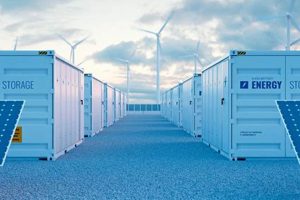
Tip 2: Invest in Energy Storage Solutions: Advanced energy storage technologies, including pumped hydro, batteries, and thermal storage, play a critical role in balancing energy supply and demand. Storing excess energy generated during periods of high renewable output ensures a consistent supply during low-output periods.
Tip 3: Modernize Grid Infrastructure: Upgrading existing grid infrastructure to accommodate the decentralized nature of renewable energy sources is essential. Smart grids and advanced grid management systems enhance flexibility and efficiency, optimizing the integration of renewable generation.
Tip 4: Leverage Demand-Side Management: Implementing demand-side management strategies can optimize energy consumption patterns. By shifting energy-intensive tasks to periods of high renewable generation, grid stability is enhanced, and the need for additional generation capacity is reduced.
Tip 5: Foster Public-Private Partnerships: Collaboration between government, industry, and research institutions is crucial for driving innovation and accelerating the deployment of renewable energy technologies. Joint ventures and collaborative projects can facilitate knowledge sharing and resource optimization.
Tip 6: Promote Policy and Regulatory Support: Supportive policies and regulations create a favorable environment for investment in renewable energy projects. Streamlined permitting processes, tax incentives, and renewable portfolio standards can accelerate the transition to a cleaner energy future.
By adopting these strategies, regions can transition toward reliable, sustainable electricity generation, reducing reliance on traditional fossil fuels while maintaining a secure and stable power supply. This supports economic growth, environmental sustainability, and energy independence.
Ultimately, achieving a sustainable energy future requires a holistic approach encompassing technological advancements, policy support, and public awareness. The following conclusion synthesizes the key findings and offers a perspective on the future of renewable energy.
1. Consistent Power Supply

Modern society relies on uninterrupted access to electricity. “Base load power renewable energy” addresses this fundamental need by providing a consistent and predictable flow of electricity from renewable sources, unlike intermittent sources such as solar or wind power. This consistent supply is crucial for maintaining essential services, supporting economic stability, and ensuring public safety.
- Reliability for Critical Infrastructure:
Hospitals, data centers, and emergency services require a constant power supply to function effectively. Base load renewable energy sources, such as geothermal and hydropower with reservoirs, offer the reliability needed for these critical operations, ensuring uninterrupted service even during periods of peak demand or adverse weather conditions. For example, geothermal plants can provide continuous power output irrespective of daily or seasonal variations.
- Grid Stability and Management:
A consistent base load power source simplifies grid management by providing a predictable foundation upon which other intermittent renewable sources can be integrated. This predictability reduces the need for rapid adjustments in output from other power plants and helps maintain grid frequency and voltage within acceptable operating ranges. Geothermal power plants, with their consistent output, exemplify this stabilizing effect.
- Reduced Reliance on Fossil Fuels:
Implementing base load renewable energy reduces the need for fossil fuel-powered plants to provide a constant energy base. This displacement of fossil fuels contributes significantly to reducing greenhouse gas emissions and mitigating climate change. Biomass power plants using sustainably sourced fuel can provide a continuous renewable alternative to fossil fuels.
- Energy Independence and Security:
Developing domestic base load renewable energy resources enhances energy independence by reducing reliance on imported fossil fuels. This strengthened energy security protects against price volatility and supply disruptions in the global energy market. Hydropower projects, for instance, can provide a nation with a secure and independent energy source.
These facets highlight the importance of consistent power supply within the broader context of base load renewable energy. By providing a dependable energy foundation, these technologies enable a transition toward a more sustainable and secure energy future, supporting both economic growth and environmental protection.
2. Renewable Resource Integration
Renewable resource integration is crucial for achieving reliable base load power. While some renewable sources, like geothermal and hydropower with reservoirs, offer consistent output, others, like solar and wind, are inherently intermittent. Integrating diverse renewable resources creates a synergistic system where predictable sources provide a foundation, and variable sources supplement the supply. This approach minimizes reliance on traditional fossil fuels, which are often used for base load power generation. For example, integrating concentrated solar power with thermal storage allows solar energy to contribute to base load supply even during nighttime hours. Similarly, combining wind power with pumped hydro storage can smooth out fluctuations in wind generation, ensuring a more consistent power output. Effectively integrating these diverse sources requires sophisticated grid management systems and advanced energy storage technologies.
Successful renewable resource integration requires careful consideration of several factors. Resource availability varies geographically; regions with abundant geothermal resources may prioritize geothermal power plants for base load generation, while those with significant hydropower potential might focus on dam construction. Grid infrastructure must be robust and flexible enough to accommodate the diverse characteristics of different renewable sources. Moreover, accurate forecasting of intermittent renewable generation is essential for efficient grid management and dispatch. Developing robust forecasting models and control systems allows grid operators to anticipate fluctuations and optimize the use of different resources, ensuring a stable and reliable electricity supply. The variability of solar and wind power can be addressed through geographic diversification, combining resources from different locations to smooth out fluctuations.
Renewable resource integration represents a cornerstone of the transition to a sustainable energy future. By combining the strengths of various renewable sources, a reliable and consistent base load power supply can be achieved while minimizing environmental impact. This approach not only reduces reliance on fossil fuels and mitigates climate change but also enhances energy security and fosters economic growth through the development of renewable energy industries. However, challenges remain, including the need for continued investment in energy storage technologies and grid modernization. Overcoming these challenges will unlock the full potential of renewable resources and pave the way for a truly sustainable energy future.
3. Grid Stability Enhancement
Grid stability, the ability of an electrical grid to maintain a consistent frequency and voltage despite fluctuations in supply and demand, is paramount for reliable power delivery. Base load power renewable energy sources contribute significantly to grid stability by providing a predictable and consistent power output. This predictable base load reduces the challenges associated with integrating intermittent renewable sources like solar and wind. Fluctuations inherent in these intermittent sources can create grid instability if not carefully managed. A consistent base load from sources such as geothermal, hydropower with reservoirs, or biomass power plants provides a stable foundation, allowing grid operators to more effectively balance supply and demand.
Consider a scenario where a significant portion of a region’s electricity comes from solar power. On a cloudy day, solar power output decreases dramatically, potentially leading to a drop in grid frequency and voltage. However, if a geothermal power plant provides a substantial portion of the base load, this drop can be mitigated. The geothermal plant’s consistent output stabilizes the grid, preventing widespread power outages or disruptions. Similarly, pumped hydro storage, paired with wind power, can store excess energy generated during periods of high wind and release it during lulls, ensuring a more consistent contribution to the base load and enhancing grid stability. This symbiotic relationship between consistent base load power and intermittent renewable resources is critical for maximizing the benefits of renewable energy while maintaining a reliable and stable electricity grid.
Maintaining grid stability becomes increasingly crucial as more intermittent renewable sources are integrated into the energy mix. Base load power renewable energy technologies are essential for ensuring this stability, providing a predictable foundation for the grid and facilitating the integration of variable renewable resources. This stability ensures a reliable electricity supply for critical infrastructure and minimizes the risk of disruptions caused by fluctuations in renewable generation. Continued investment in these technologies, along with advancements in grid management systems and energy storage solutions, will be pivotal in achieving a sustainable and resilient energy future. These efforts will enable a transition to a cleaner energy system without compromising the reliability and stability that modern society demands.
4. Reduced Emissions Profile

A primary driver for transitioning to renewable energy sources is the imperative to reduce greenhouse gas emissions and mitigate climate change. Base load power renewable energy plays a critical role in achieving this objective. Unlike conventional base load power plants that rely on fossil fuels (coal, natural gas) and emit substantial amounts of carbon dioxide, renewable sources offer a cleaner alternative. Geothermal, hydropower, biomass, and concentrated solar power with thermal storage, when used for base load generation, significantly reduce or eliminate these emissions. This reduction in emissions contributes directly to a cleaner atmosphere and helps mitigate the adverse effects of climate change. For instance, replacing a coal-fired power plant with a geothermal facility eliminates the emissions associated with coal combustion, resulting in a substantial reduction in the region’s carbon footprint.
The environmental benefits of reduced emissions extend beyond climate change mitigation. Lower emissions of pollutants like sulfur dioxide and nitrogen oxides, commonly associated with fossil fuel combustion, lead to improved air quality and reduced respiratory illnesses. This positive impact on public health further underscores the importance of transitioning to base load renewable energy sources. Furthermore, reduced reliance on fossil fuels can minimize the environmental damage associated with fuel extraction and transportation, such as habitat destruction and water pollution. The lifecycle emissions of renewable energy technologies are generally lower than those of fossil fuel-based power generation, making them a more environmentally sustainable choice.
The transition to a reduced emissions profile through base load renewable energy represents a significant step towards a more sustainable energy future. While challenges remain, including the upfront costs associated with renewable energy infrastructure and the intermittent nature of some renewable resources, the long-term benefits for the environment and public health are undeniable. Continued investment in research and development, along with supportive policies and regulations, are crucial for accelerating the deployment of these technologies and achieving a cleaner, more sustainable energy system. This transition not only mitigates the risks of climate change but also creates economic opportunities in the renewable energy sector and enhances energy security by reducing reliance on finite fossil fuel resources.
5. Sustainable Energy Future

A sustainable energy future hinges on the ability to reliably generate electricity without depleting finite resources or causing significant environmental harm. Base load power renewable energy forms a cornerstone of this vision, providing a consistent and sustainable source of electricity that can replace traditional fossil fuel-based generation. This transition is essential for mitigating climate change, improving air quality, and ensuring long-term energy security. Examining the facets of a sustainable energy future reveals the crucial role played by constant, clean electricity generation.
- Resource Conservation:
Fossil fuels, the dominant source of base load power historically, are finite resources. A sustainable energy future necessitates a shift towards renewable resources that are naturally replenished. Base load renewable energy sources, such as geothermal, hydropower, and biomass, address this need by providing a continuous power supply without depleting finite resources. For example, geothermal power plants harness the Earth’s internal heat, a virtually inexhaustible resource.
- Environmental Protection:
Traditional fossil fuel-based power plants contribute significantly to air and water pollution, as well as greenhouse gas emissions. A sustainable energy future prioritizes minimizing environmental impact. Base load renewable energy sources offer a cleaner alternative, significantly reducing emissions and promoting a healthier environment. Hydropower, while renewable, requires careful planning to minimize ecological disruption.
- Economic Growth:
The transition to a sustainable energy future presents significant economic opportunities. Investing in renewable energy technologies creates jobs in manufacturing, installation, maintenance, and research. Base load renewable energy projects can stimulate local economies and contribute to long-term economic growth. For example, the development of a geothermal power plant can create jobs and generate revenue for surrounding communities.
- Energy Security:
Reliance on imported fossil fuels creates vulnerabilities to price volatility and supply disruptions. A sustainable energy future emphasizes energy independence and security. Developing domestic base load renewable energy resources reduces reliance on foreign energy sources, enhancing national energy security. Biomass power generation, utilizing locally sourced agricultural residues, exemplifies this localized approach.
These interconnected facets illustrate how base load power renewable energy underpins a sustainable energy future. By addressing resource limitations, environmental concerns, and economic development, these technologies pave the way for a more secure and sustainable energy landscape. Continued innovation and investment in these technologies are essential for realizing the full potential of a sustainable energy future and ensuring a reliable and environmentally responsible power supply for generations to come. The transition may present challenges, but the long-term benefits for the planet and its inhabitants are undeniable.
Frequently Asked Questions
The following addresses common inquiries regarding consistent electricity generation from renewable sources.
Question 1: How does consistent renewable energy differ from intermittent renewable sources?
Consistent renewable energy sources, such as geothermal and hydropower with reservoirs, provide a continuous power output regardless of weather conditions. Intermittent sources, like solar and wind, depend on variable weather patterns, resulting in fluctuating power generation.
Question 2: What role does energy storage play in achieving constant renewable power?
Energy storage technologies, including pumped hydro storage and batteries, capture excess energy generated during periods of high renewable output and release it when generation is low, ensuring a constant power supply.
Question 3: Is constant renewable energy more expensive than traditional base load power?
The upfront costs of some renewable technologies can be higher, but declining costs and the absence of fuel costs make them increasingly competitive over the long term. Furthermore, the environmental and social costs of fossil fuels are often externalized and not reflected in their market price.
Question 4: Can constant renewable energy truly replace traditional base load power plants?
Through a combination of diverse renewable resources, energy storage, and grid modernization, constant renewable energy can replace traditional base load plants, providing a reliable and sustainable alternative.
Question 5: What are the environmental benefits of using constant renewable energy for base load power?
Reduced greenhouse gas emissions, improved air quality, and minimized land and water usage are key environmental benefits of transitioning to constant renewable energy sources for base load power.
Question 6: How can policymakers support the development of constant renewable energy resources?
Policies such as renewable portfolio standards, tax incentives, and streamlined permitting processes can incentivize investment and accelerate the development of constant renewable energy resources.
Understanding these aspects is crucial for evaluating the potential of consistent renewable energy generation. Implementing this approach requires a multifaceted strategy encompassing technological advancements, policy support, and public awareness.
The subsequent section delves further into the specific technologies enabling consistent power generation from renewable sources.
Conclusion
Base load power renewable energy represents a critical component of a sustainable energy future. Exploration of this topic has revealed the importance of consistent, reliable electricity generation from renewable sources like geothermal, hydropower, biomass, and concentrated solar power with thermal storage. These technologies offer a viable alternative to traditional fossil fuel-based power plants, addressing critical needs for grid stability, emission reductions, and resource conservation. Effective integration of these resources requires careful planning, grid modernization, and strategic investment in energy storage solutions. Furthermore, supportive policies and regulations are essential for fostering innovation and accelerating the deployment of these crucial technologies.
The transition to base load power renewable energy presents a significant opportunity to mitigate climate change, enhance energy security, and promote sustainable economic growth. Continued advancements in renewable energy technologies, coupled with informed policy decisions and public awareness, will be essential for realizing the full potential of these resources and securing a cleaner, more sustainable energy future for generations to come. The challenge lies not in the feasibility of the technology, but in the collective will to implement the necessary changes and embrace a future powered by sustainable, reliable energy sources.