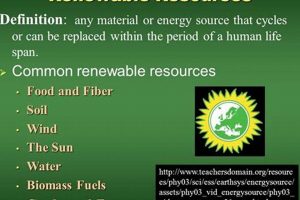
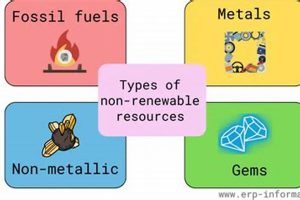
Energy sources categorized as finite are those that exist in limited quantities on Earth and cannot be replenished at a rate comparable to their consumption. These resources, formed over millions of years, are fundamentally exhaustible. Examples include fossil fuels such as coal, oil, and natural gas, as well as nuclear fuels like uranium.
The significance of understanding the exhaustible nature of certain energy supplies lies in recognizing their eventual depletion and the environmental consequences associated with their extraction and use. Historically, reliance on these sources has driven industrial advancement, but it has also contributed to greenhouse gas emissions and ecological degradation. Identifying and transitioning to sustainable alternatives is therefore crucial for long-term energy security and environmental preservation.
This exploration will delve into specific examples of these finite energy sources, examining their formation, extraction processes, environmental impacts, and the current status of efforts to develop more sustainable energy alternatives. The focus will be on providing a comprehensive overview of the challenges and opportunities presented by the need to move away from reliance on exhaustible resources.
Managing Reliance on Finite Energy Resources
Effective strategies are required to mitigate dependence on exhaustible energy sources. These strategies encompass conservation, efficiency improvements, and the diversification of energy portfolios.
Tip 1: Prioritize Energy Conservation: Implement measures to reduce energy consumption across all sectors. This includes optimizing building insulation, promoting the use of energy-efficient appliances, and encouraging responsible consumption habits.
Tip 2: Enhance Energy Efficiency: Invest in technologies and infrastructure that maximize energy output per unit of input. Examples include upgrading industrial equipment, developing more efficient transportation systems, and implementing smart grid technologies.
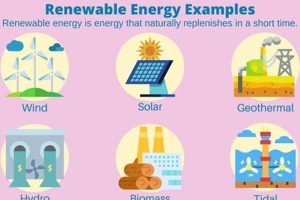
Tip 3: Develop Renewable Energy Infrastructure: Substantially increase investments in renewable energy sources like solar, wind, geothermal, and hydropower. Create supportive policies and incentives to encourage the widespread adoption of these technologies.
Tip 4: Diversify Energy Portfolios: Reduce reliance on any single energy source by diversifying the energy mix. This approach enhances energy security and mitigates risks associated with supply disruptions or price volatility.
Tip 5: Invest in Energy Storage Solutions: Develop advanced energy storage technologies, such as batteries and pumped hydro, to address the intermittency challenges associated with renewable energy sources. This ensures a more reliable and stable energy supply.
Tip 6: Promote Research and Development: Allocate resources to research and development efforts focused on innovative energy technologies. This includes exploring advanced nuclear fission, fusion energy, and carbon capture technologies.
Tip 7: Implement Carbon Pricing Mechanisms: Consider implementing carbon pricing mechanisms, such as carbon taxes or cap-and-trade systems, to internalize the environmental costs associated with the use of exhaustible energy sources. This incentivizes the reduction of greenhouse gas emissions.
Adopting these strategies can contribute to a more sustainable and resilient energy future. It requires a coordinated effort involving governments, industries, and individuals.
The subsequent sections will address specific policy recommendations and explore the role of international cooperation in facilitating the transition to a more sustainable energy system.
1. Fossil Fuel Depletion

Fossil fuel depletion stands as a primary concern directly linked to the finite nature of energy resources. The rate at which these resources are being consumed far exceeds their natural replenishment, posing significant challenges to future energy security and environmental stability.
- Limited Reserves and Consumption Rates
Fossil fuels, including coal, oil, and natural gas, are formed over millions of years. Their extraction and consumption occur at rates that are orders of magnitude faster than their formation. The finite quantity of proven reserves, coupled with increasing global energy demand, underscores the reality of inevitable depletion.
- Extraction Challenges and EROI
As readily accessible reserves diminish, extraction efforts increasingly target more remote or geologically complex deposits. This leads to higher extraction costs and lower Energy Return on Investment (EROI), making the remaining reserves less economically viable. Examples include deep-sea oil drilling and the extraction of shale gas through hydraulic fracturing.
- Peak Oil Theory and Production Declines
The Peak Oil theory posits that oil production will reach a maximum point, followed by an irreversible decline. While the exact timing of peak oil is debated, production declines in established oil fields serve as tangible examples of depletion. This emphasizes the need to prepare for a future where oil supplies are increasingly constrained.
- Stranded Assets and Future Investments
The recognition of the finite nature of fossil fuels and the imperative to transition to renewable energy sources has led to concerns about stranded assets. Investments in fossil fuel infrastructure may become uneconomical as regulations tighten and renewable energy technologies become more competitive. This necessitates a careful evaluation of future energy investments to avoid financial risks.
The depletion of fossil fuels underscores the urgent need to transition towards more sustainable energy sources. Understanding the economic, environmental, and geopolitical implications of this depletion is essential for developing effective energy policies and fostering a more resilient and sustainable energy future. Prioritizing renewable energy development and energy efficiency measures becomes increasingly critical in mitigating the consequences of reliance on finite resources.
2. Uranium Finite Supply

Uranium, a key element in nuclear power generation, represents a substantial, but ultimately exhaustible, source of energy. Its classification as a non-renewable resource stems from its finite presence in the Earth’s crust and the challenges associated with its long-term sustainability.
- Geological Abundance and Distribution
While uranium is relatively abundant compared to other energy resources like certain rare earth metals, its concentration in economically viable deposits is limited. The majority of uranium is found in a few specific regions globally, leading to geopolitical considerations and supply chain vulnerabilities. The finite nature of these deposits directly impacts the long-term availability of uranium for nuclear power generation.
- Extraction and Processing Limitations
The extraction of uranium from ore requires energy-intensive processes, including mining, milling, and enrichment. These processes not only consume significant amounts of energy but also generate radioactive waste, posing environmental challenges. The limitations in extraction technology and the environmental impact further constrain the practical availability of uranium as an energy resource.
- Breeder Reactor Potential and Challenges
Breeder reactors offer a potential solution to uranium scarcity by converting non-fissile uranium-238 into fissile plutonium-239, effectively extending the lifespan of uranium reserves. However, breeder reactor technology is complex, expensive, and raises proliferation concerns due to the production of plutonium. The challenges associated with the widespread deployment of breeder reactors limit their current impact on addressing the uranium finite supply issue.
- Alternative Nuclear Fuels and Research
Research is underway to explore alternative nuclear fuels, such as thorium, which is more abundant than uranium. Thorium-based reactors offer potential advantages in terms of waste production and proliferation resistance. However, the development and deployment of thorium reactors are still in the early stages, and significant technological and regulatory hurdles remain before they can become a viable alternative to uranium-fueled reactors.
The finite nature of uranium supply necessitates a comprehensive approach that includes efficient reactor design, exploration of alternative fuel cycles, and careful consideration of the environmental and safety implications of nuclear power. While nuclear energy offers a low-carbon alternative to fossil fuels, its reliance on a non-renewable resource underscores the importance of investing in sustainable energy solutions for the long term. The exploration of renewable energy sources and energy efficiency measures remains crucial for a diversified and resilient energy future.
3. Environmental Degradation
The utilization of exhaustible energy resources is intrinsically linked to environmental degradation, presenting a range of adverse effects on ecosystems, human health, and the global climate. The extraction, processing, and combustion of these resources lead to various forms of pollution and habitat destruction, underscoring the unsustainability of continued reliance on them.
- Air and Water Pollution
Combustion of fossil fuels, such as coal and oil, releases pollutants into the atmosphere, including particulate matter, sulfur dioxide, and nitrogen oxides. These emissions contribute to respiratory illnesses, acid rain, and smog. Similarly, the extraction and transportation of oil and gas can result in water contamination through spills and leaks, harming aquatic ecosystems and human water supplies. The non-renewable energy sector’s impact on air and water quality poses significant public health and ecological challenges.
- Habitat Destruction and Land Degradation
The mining of coal and uranium, as well as the drilling for oil and gas, requires extensive land use, leading to habitat destruction, deforestation, and soil erosion. Mountaintop removal mining, for example, obliterates entire ecosystems and contaminates waterways with toxic chemicals. The construction of pipelines and drilling platforms also disrupts natural landscapes and wildlife habitats, impacting biodiversity and ecosystem services. This physical alteration of the environment is a direct consequence of accessing exhaustible energy reserves.
- Greenhouse Gas Emissions and Climate Change
The combustion of fossil fuels is a primary driver of greenhouse gas emissions, including carbon dioxide, methane, and nitrous oxide. These gases trap heat in the atmosphere, leading to global warming, climate change, and a range of associated effects, such as sea-level rise, extreme weather events, and disruptions to agricultural systems. The reliance on exhaustible energy resources contributes significantly to the escalating climate crisis, necessitating a shift towards low-carbon alternatives.
- Radioactive Waste Disposal
Nuclear power, while a low-carbon source of electricity, generates radioactive waste that remains hazardous for thousands of years. The long-term storage and disposal of this waste present significant environmental and safety challenges. The potential for accidents at nuclear power plants, such as Chernobyl and Fukushima, further underscores the risks associated with this exhaustible energy source. The management of radioactive waste remains a critical concern for the sustainability of nuclear energy.
The interconnectedness of environmental degradation and the use of finite energy resources necessitates a transition to renewable energy sources and sustainable practices. Mitigating the adverse environmental impacts requires a multi-faceted approach, including stricter environmental regulations, investment in clean energy technologies, and a shift towards a circular economy that minimizes waste and promotes resource efficiency. Addressing the environmental consequences of relying on exhaustible resources is crucial for ensuring a healthy and sustainable future.
4. Combustion Byproducts

Combustion byproducts are intrinsically linked to the utilization of non-renewable energy resources, particularly fossil fuels. These resources, including coal, oil, and natural gas, release various pollutants when burned to generate energy. The composition and quantity of these byproducts depend on the specific fuel type and combustion technology, but common emissions include carbon dioxide (CO2), sulfur dioxide (SO2), nitrogen oxides (NOx), particulate matter (PM), and trace amounts of heavy metals. The release of these substances into the atmosphere and environment constitutes a significant environmental burden.
The dependence on non-renewable resources as energy sources directly leads to the generation of these undesirable byproducts. For example, coal-fired power plants are significant emitters of SO2 and PM, contributing to acid rain and respiratory problems. Internal combustion engines in vehicles primarily emit NOx and CO2, exacerbating smog and climate change. The extraction and processing of these fuels also release volatile organic compounds (VOCs), which further contribute to air pollution. Controlling and mitigating these combustion byproducts is a major challenge in addressing the environmental consequences of relying on non-renewable energy.
Understanding the relationship between combustion byproducts and reliance on exhaustible energy resources is crucial for informed decision-making in energy policy and technological development. Transitioning towards renewable energy sources, improving combustion efficiency, and implementing emission control technologies are essential steps to reduce the environmental impact of energy production. Strategies such as carbon capture and storage, flue gas desulfurization, and catalytic converters aim to minimize the release of pollutants, but these technologies often add cost and complexity. The ultimate solution lies in shifting away from reliance on these finite, polluting energy sources towards a cleaner, more sustainable energy future.
5. Extraction Intensity
Extraction intensity, regarding exhaustible energy resources, reflects the energy, environmental impact, and resources required to access and process these materials. This intensity varies considerably among different resource types and extraction methods, influencing the economic and environmental sustainability of their utilization.
- Deep-Sea Oil Drilling
Deep-sea oil drilling exemplifies high extraction intensity. Reaching oil reserves located far beneath the ocean floor requires substantial capital investment, advanced technology, and significant energy expenditure. The risk of environmental disasters, such as oil spills, adds to the intensity, necessitating stringent safety measures and response protocols. These factors collectively increase the overall cost and environmental footprint of deep-sea oil extraction.
- Tar Sands Mining
Tar sands mining represents another instance of high extraction intensity. Extracting bitumen from tar sands requires extensive land clearing, large volumes of water, and energy-intensive processing to separate the bitumen from sand. The environmental impacts include deforestation, water pollution, and greenhouse gas emissions. The substantial resources required for extraction and processing render tar sands a high-intensity source of non-renewable energy.
- Shale Gas Fracking
Hydraulic fracturing, or fracking, for shale gas demonstrates a different form of extraction intensity. Fracking involves injecting high-pressure fluids into shale formations to release natural gas. This process requires significant water usage, poses risks of groundwater contamination, and can induce seismic activity. The environmental and social costs associated with fracking contribute to its overall extraction intensity.
- Uranium Mining
Uranium mining also presents unique extraction challenges. Extracting uranium ore requires specialized mining techniques and stringent safety protocols due to the radioactive nature of the material. The milling and enrichment processes further increase the energy intensity and generate radioactive waste. The long-term management of this waste adds to the overall environmental burden associated with uranium extraction.
The increasing extraction intensity associated with exhaustible energy resources highlights the growing challenges of accessing these materials and the associated environmental consequences. As easily accessible reserves diminish, the industry is forced to resort to more complex and resource-intensive extraction methods. This underscores the need for transition towards renewable energy sources and energy efficiency measures to reduce dependence on exhaustible resources and mitigate environmental impacts.
6. Climate Change Impact

The utilization of exhaustible energy resources, such as fossil fuels and uranium, is inextricably linked to climate change impacts. The extraction, processing, and combustion of these resources release greenhouse gases and pollutants that alter the Earth’s climate system, leading to a range of environmental and societal consequences.
- Greenhouse Gas Emissions and Global Warming
The combustion of fossil fuels releases significant quantities of carbon dioxide (CO2), methane (CH4), and nitrous oxide (N2O) into the atmosphere. These greenhouse gases trap heat, leading to global warming and rising temperatures. The correlation between the use of fossil fuels and increasing greenhouse gas concentrations is a primary driver of climate change, with dire consequences for ecosystems and human societies.
- Extreme Weather Events and Natural Disasters
Climate change intensifies extreme weather events, including heatwaves, droughts, floods, and hurricanes. These events cause widespread damage to infrastructure, agriculture, and communities, resulting in economic losses, displacement, and loss of life. The increased frequency and severity of extreme weather events are directly attributed to the climate impacts of relying on exhaustible energy resources.
- Sea-Level Rise and Coastal Inundation
The melting of glaciers and ice sheets, combined with thermal expansion of seawater, contributes to rising sea levels. Coastal communities face increasing threats of inundation, erosion, and saltwater intrusion, displacing populations and damaging coastal ecosystems. The continued use of fossil fuels exacerbates sea-level rise, posing a long-term threat to coastal regions worldwide.
- Ecosystem Disruption and Biodiversity Loss
Climate change disrupts ecosystems, altering habitats, migration patterns, and species distributions. Many species struggle to adapt to rapidly changing conditions, leading to declines in biodiversity and ecosystem services. The acidification of oceans, caused by increased CO2 absorption, threatens marine life and coral reefs. The ecological impacts of climate change, driven by the use of exhaustible energy resources, pose a significant threat to the planet’s biodiversity and natural heritage.
The profound climate impacts associated with the utilization of exhaustible energy resources underscore the urgent need for a transition to sustainable energy alternatives. Reducing greenhouse gas emissions, promoting renewable energy technologies, and implementing climate adaptation measures are essential steps to mitigate the climate risks associated with continued reliance on finite energy supplies. The future sustainability of our planet depends on a decisive shift towards cleaner, more sustainable energy systems.
7. Geopolitical Concerns
The uneven distribution of finite energy resources across the globe forms the bedrock of numerous geopolitical concerns. Nations heavily reliant on energy imports are vulnerable to supply disruptions and price volatility, potentially destabilizing their economies and impacting national security. Control over substantial reserves of fossil fuels or key minerals essential for nuclear power translates into significant geopolitical leverage. This creates potential for resource-rich nations to exert undue influence over energy-dependent countries, shaping diplomatic relations and international policy.
Real-world examples abound. The Organization of the Petroleum Exporting Countries (OPEC) has historically wielded considerable power over global oil markets, influencing prices and production levels, thus impacting the economic health of numerous nations. Similarly, countries with large uranium deposits, such as Kazakhstan and Canada, play a critical role in the nuclear energy landscape, influencing global nuclear non-proliferation efforts and reactor fuel supply chains. Competition for access to these resources can lead to conflicts, both overt and covert, as nations vie for control and influence in strategically important regions.
Understanding the geopolitical ramifications of reliance on exhaustible energy sources is crucial for developing comprehensive energy strategies. Diversifying energy sources, fostering energy independence through renewable energy development, and strengthening international cooperation on energy security are essential steps toward mitigating the risks associated with geopolitical instability driven by the uneven distribution of finite resources. Failure to address these concerns can exacerbate existing tensions and create new vulnerabilities in an increasingly interconnected world.
Frequently Asked Questions
This section addresses common questions regarding energy resources categorized as finite, providing clarity on their nature, usage, and implications.
Question 1: What distinguishes an exhaustible energy resource from a renewable one?
An exhaustible resource exists in a finite quantity and cannot be replenished at a rate comparable to its consumption. Renewable resources, conversely, are naturally replenished on a human timescale, such as solar, wind, or hydropower.
Question 2: Which specific energy resources are classified as exhaustible?
Fossil fuels, including coal, oil, and natural gas, are primary examples. Nuclear fuels, such as uranium, are also considered exhaustible due to their limited availability.
Question 3: Why is reliance on these limited energy resources a concern?
Their eventual depletion is a primary concern. Furthermore, the extraction and utilization of these resources often have significant environmental consequences, including greenhouse gas emissions and habitat destruction.
Question 4: What are the long-term environmental impacts associated with exhaustible energy resources?
These impacts include air and water pollution, habitat loss, climate change due to greenhouse gas emissions, and the challenges associated with managing radioactive waste from nuclear power.
Question 5: How can societies reduce their dependence on these finite energy resources?
Strategies include improving energy efficiency, promoting energy conservation, diversifying energy portfolios with renewable sources, and investing in energy storage technologies.
Question 6: What role does international cooperation play in addressing the challenges associated with finite energy resources?
International cooperation is crucial for sharing knowledge, coordinating research and development efforts, and establishing global standards for sustainable energy practices.
Understanding the nature and implications of exhaustible energy resources is essential for informed decision-making and the development of sustainable energy policies.
The next section will delve into the economic considerations surrounding the transition to renewable energy sources.
Non-Renewable Energy Resources
This exploration has elucidated the fundamental nature of energy resources that are, by definition, finite. These resources, encompassing fossil fuels and nuclear fuels, exist in limited quantities and cannot be replenished on a human timescale. The examination has encompassed their formation, extraction processes, environmental consequences, and geopolitical implications. Understanding the exhaustible nature of these resources is paramount for informed energy policy and sustainable development planning.
The imperative to transition toward renewable energy sources is a direct consequence of the limitations and adverse impacts associated with finite resources. Recognizing the long-term unsustainability of reliance on these sources necessitates a concerted global effort to develop and implement cleaner, more sustainable energy systems. This is not merely an environmental imperative, but a strategic necessity for long-term energy security and global stability. The future depends on decisive action.

![Guide to What Energy Resources Are Renewable [+Future] | Renewable Energy Solutions for a Sustainable Future | Clean & Green Power](https://pplrenewableenergy.com/wp-content/uploads/2026/03/th-516-300x200.jpg "Guide to What Energy Resources Are Renewable [+Future] Renewable Energy Solutions for a Sustainable Future | Clean & Green Power")