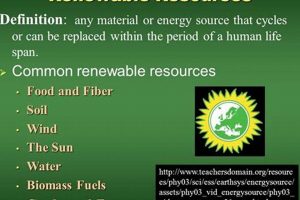
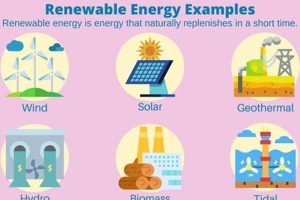
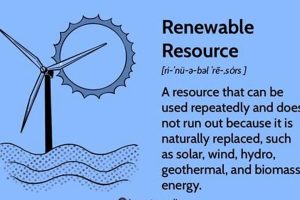
Harnessing power from naturally replenishing sources offers a compelling alternative to traditional fossil fuels. These resources, including solar, wind, hydro, geothermal, and biomass, derive energy from processes that are constantly renewed by the Earth. For example, solar panels convert sunlight directly into electricity, while wind turbines capture the kinetic energy of wind to generate power.
The shift towards these energy forms is driven by several crucial factors. Diminishing fossil fuel reserves and escalating concerns about climate change have heightened the need for sustainable alternatives. Historically, technological limitations and higher costs hindered widespread adoption. However, recent advancements and supportive policies are fostering a significant expansion of these energy technologies globally.
Examining the attributes of these energy sources reveals a complex landscape. While presenting significant long-term environmental and economic benefits, they also pose challenges related to intermittency, infrastructure requirements, and initial investment costs. A comprehensive evaluation is essential to understand the full impact of their integration into the global energy mix.
Considerations for Renewable Energy Integration
A careful evaluation of both positive and negative aspects is paramount when implementing these energy solutions. A balanced approach acknowledges the inherent trade-offs and maximizes the overall benefits.
Tip 1: Assess Resource Availability: Determine the specific renewable resources readily available in a given geographic location. Solar irradiance, wind patterns, and geothermal potential vary significantly and impact the viability of different technologies.
Tip 2: Evaluate Grid Infrastructure: Existing grid infrastructure may require upgrades to accommodate the intermittent nature of some energy sources. Investment in energy storage solutions can mitigate these challenges.
Tip 3: Analyze Environmental Impact: While generally considered cleaner than fossil fuels, the lifecycle environmental impact of manufacturing and deploying renewable energy technologies should be carefully considered. Land use and material sourcing are key factors.
Tip 4: Conduct Economic Feasibility Studies: Project costs, including upfront investment, operational expenses, and potential revenue streams, require rigorous analysis. Government incentives and long-term energy price projections should be incorporated.
Tip 5: Address Intermittency Concerns: Implement strategies to manage the variable output of solar and wind power. Diversification of energy sources, smart grid technologies, and demand response programs can enhance reliability.
Tip 6: Develop Supportive Policy Frameworks: Clear and consistent government policies are critical for fostering investment and accelerating the adoption of these energy solutions. Tax credits, feed-in tariffs, and renewable energy mandates can provide the necessary incentives.
Tip 7: Promote Public Awareness and Education: Public understanding of the benefits and limitations is essential for building support and overcoming potential resistance to project development. Transparent communication fosters trust and collaboration.
Careful planning, technological innovation, and policy support are vital for realizing the full potential of these energy sources. Addressing the challenges proactively ensures a sustainable and secure energy future.
The ensuing sections delve deeper into the multifaceted aspects of diverse renewable energy technologies and their role in shaping a cleaner and more resilient energy landscape.
1. Environmental Sustainability

The nexus between environmental sustainability and energy resource utilization is critically important in the context of energy transitions. Choosing among energy options has distinct consequences for ecosystem health, climate stability, and resource depletion. Renewable energy resources directly address the detrimental effects associated with traditional fossil fuels, primarily by minimizing greenhouse gas emissions. The combustion of fossil fuels is a primary driver of climate change, contributing to rising global temperatures, altered precipitation patterns, and increased frequency of extreme weather events. In contrast, renewable sources like solar, wind, and hydropower generate electricity with significantly lower or even zero direct emissions during operation.
However, the environmental impact of renewable resources is not uniformly benign. The manufacturing processes involved in producing solar panels, wind turbines, and other renewable energy technologies require energy and resources, potentially leading to emissions and waste generation. The siting of large-scale renewable energy projects can also impact land use, potentially disrupting habitats and affecting biodiversity. For example, large hydroelectric dams can alter river ecosystems, while extensive solar farms may require clearing significant areas of land. A life-cycle assessment is essential to fully understand and minimize the environmental footprint of each renewable energy technology.
Therefore, achieving true environmental sustainability in the energy sector necessitates a holistic approach. This includes not only prioritizing renewable energy deployment but also optimizing manufacturing processes, minimizing land use impacts, and implementing responsible end-of-life management strategies for renewable energy technologies. The advantages of reduced greenhouse gas emissions are substantial, but a thorough understanding of the disadvantages and mitigation strategies is crucial for maximizing the overall environmental benefit of these energy resources.
2. Resource Availability

The geographical distribution and intensity of renewable energy resources significantly influence the feasibility and effectiveness of diverse energy technologies. The inherent variability in resource availability contributes directly to both the benefits and drawbacks associated with renewable energy deployment, affecting energy generation potential and infrastructure planning.
- Solar Irradiance and Photovoltaic Potential
The amount of solar radiation received in a particular region directly affects the output of photovoltaic (PV) systems. Areas with high solar irradiance, such as deserts, offer substantial potential for solar energy generation. However, regions with lower irradiance may require larger installations or more efficient technologies to achieve comparable energy yields. This variability necessitates careful site selection and technology optimization to maximize solar energy production, impacting economic viability.
- Wind Patterns and Turbine Placement
Wind energy potential is highly dependent on prevailing wind patterns and topography. Coastal areas and elevated regions with consistent wind speeds are ideal for wind farm development. However, these areas may be geographically constrained or environmentally sensitive. Wind turbine placement must consider factors such as wind speed, turbulence, and proximity to residential areas to minimize noise and visual impacts. The need to locate wind farms in specific areas can create transmission challenges, requiring investments in grid infrastructure to deliver power to consumers.
- Hydrological Conditions and Hydroelectric Generation
Hydroelectric power relies on the availability of water resources and suitable topography for dam construction. Regions with abundant rainfall and mountainous terrain are well-suited for hydroelectric generation. However, dam construction can have significant environmental impacts, including altered river flows, habitat loss, and displacement of communities. Climate change-induced changes in precipitation patterns can also affect the reliability of hydroelectric power generation, highlighting the need for adaptive strategies.
- Geothermal Gradients and Energy Extraction
Geothermal energy potential is concentrated in areas with high geothermal gradients, typically near tectonic plate boundaries. Geothermal power plants can provide a consistent and reliable source of baseload power. However, geothermal resources are geographically limited, and accessing them can be technically challenging and expensive. The extraction of geothermal fluids can also lead to environmental concerns, such as land subsidence and greenhouse gas emissions. Sustainable management practices are essential to ensure the long-term viability of geothermal energy resources.
The localized nature of renewable energy resources necessitates a decentralized approach to energy planning. Understanding the specific characteristics of each resource and its potential impacts is critical for making informed decisions about energy infrastructure investments. While certain regions may benefit significantly from one renewable energy source, others may need to diversify their energy portfolio to ensure reliability and resilience. The interplay between resource availability and technological feasibility determines the economic and environmental trade-offs associated with renewable energy deployment.
3. Intermittency Challenges

Intermittency, the characteristic of variable and unpredictable energy output, poses a significant challenge to the widespread adoption of certain renewable energy resources, directly influencing their advantages and disadvantages. Solar energy generation is dependent on daylight availability, experiencing fluctuations based on weather conditions and diurnal cycles. Wind energy relies on consistent airflow, subject to unpredictable variations in wind speed and direction. This inherent variability contrasts with the stable and dispatchable nature of traditional fossil fuel-based power plants, impacting grid stability and reliability. The inability to guarantee continuous power output from intermittent sources necessitates the development of solutions to mitigate these fluctuations.
One key disadvantage stemming from intermittency is the need for supplementary energy sources or energy storage systems to ensure a consistent power supply. This can involve maintaining conventional power plants on standby, adding costs and potentially negating some of the environmental benefits of renewable energy. Energy storage technologies, such as batteries or pumped hydro storage, offer a means of buffering intermittent generation, but these solutions also come with their own economic and environmental considerations. For example, large-scale battery deployments require significant resource extraction and manufacturing processes, while pumped hydro storage can alter natural landscapes. Smart grid technologies and demand response programs can further alleviate intermittency challenges by optimizing energy consumption and shifting demand to periods of high renewable energy production. Real-world examples include Germanys extensive investment in grid infrastructure to integrate its substantial solar and wind capacity, and Californias use of demand response programs to manage periods of peak electricity demand. The practical significance of understanding intermittency lies in informing strategic energy planning and technology development to create resilient and sustainable energy systems.
In summary, intermittency introduces complexities that must be addressed to fully realize the potential advantages of renewable energy resources. While these resources offer environmental benefits and energy independence, their variable output requires innovative solutions to ensure grid stability and reliability. Effective strategies for mitigating intermittency are crucial for minimizing the disadvantages and maximizing the long-term benefits of renewable energy integration. As technology advances and energy storage solutions become more cost-effective, the challenges posed by intermittency are likely to diminish, paving the way for a more sustainable energy future.
4. Infrastructure Costs

Infrastructure costs represent a significant factor influencing the advantages and disadvantages of renewable energy resource deployment. The initial capital investment required for renewable energy infrastructure, encompassing manufacturing, construction, and grid integration, often exceeds that of conventional fossil fuel-based power plants. For example, the construction of a large-scale solar farm necessitates substantial upfront expenses for photovoltaic panels, inverters, land acquisition, and interconnection infrastructure. Similarly, wind farms require investments in wind turbines, foundations, electrical cabling, and access roads. These high initial costs can act as a barrier to entry, particularly in developing nations or regions with limited financial resources. Furthermore, the costs associated with upgrading or expanding existing grid infrastructure to accommodate intermittent renewable energy sources contribute significantly to overall project expenses. The economic viability of renewable energy projects is directly linked to the ability to manage and minimize these infrastructure costs.
However, a comprehensive assessment of infrastructure costs must also consider the long-term operational expenses and potential revenue streams associated with renewable energy projects. While the upfront investment may be higher, renewable energy resources typically have lower marginal costs due to the absence of fuel expenses. Once constructed, solar and wind farms can generate electricity with minimal operating costs, providing a stable and predictable energy supply over their operational lifespan. Moreover, the development of domestic renewable energy industries can stimulate economic growth, create jobs, and reduce dependence on imported fossil fuels. Governments can play a crucial role in mitigating infrastructure costs through targeted subsidies, tax incentives, and streamlined permitting processes. Real-world examples, such as Germany’s Energiewende and China’s massive investments in renewable energy, demonstrate the potential for policy interventions to drive down infrastructure costs and accelerate the adoption of renewable energy technologies. The practical significance lies in understanding that the long-term economic and environmental benefits of renewable energy can outweigh the initial infrastructure costs, provided that effective policies and innovative financing mechanisms are in place.
In conclusion, infrastructure costs constitute a critical component in evaluating the advantages and disadvantages of renewable energy resources. While the initial capital investment can be substantial, the long-term benefits of reduced operating costs, energy security, and environmental sustainability must be carefully considered. Addressing the challenges associated with infrastructure costs requires a holistic approach that combines technological innovation, supportive government policies, and strategic financial planning. By effectively managing and mitigating these costs, societies can unlock the full potential of renewable energy resources, creating a cleaner, more resilient, and economically prosperous energy future.
5. Economic Viability

The economic viability of renewable energy resources forms a crucial axis when evaluating their overall advantages and disadvantages. It encompasses diverse factors affecting the cost-effectiveness, investment attractiveness, and market competitiveness of these energy sources relative to conventional alternatives. Understanding these economic considerations is essential for informed decision-making regarding energy policy, technology deployment, and infrastructure development.
- Levelized Cost of Energy (LCOE)
LCOE, a key metric, represents the average cost of generating electricity over a power plant’s lifetime, factoring in capital costs, operational expenses, and fuel costs (where applicable). While the LCOE of certain renewable technologies, such as solar and wind, has decreased significantly in recent years, it can still be higher than that of some fossil fuel-based plants, particularly in regions with abundant and inexpensive fossil fuel reserves. This disparity affects investment decisions, potentially favoring fossil fuels despite their environmental drawbacks. For instance, a power company might choose to build a natural gas plant over a solar farm due to a lower initial LCOE, even if the long-term environmental costs of natural gas are higher. However, it’s crucial to acknowledge that LCOE calculations can be influenced by government subsidies, carbon pricing mechanisms, and evolving technology costs, impacting the comparative economic advantage of different energy sources.
- Capital Costs and Financing
Renewable energy projects often require substantial upfront capital investments, potentially creating financial barriers, especially in developing nations. Securing financing for large-scale renewable energy projects can be challenging, as lenders may perceive these investments as riskier due to factors such as intermittency and technology uncertainty. Innovative financing mechanisms, such as green bonds and public-private partnerships, can help to overcome these barriers by reducing the financial burden on developers and attracting private investment. For example, a green bond issued by a government or corporation can provide low-cost capital for renewable energy projects, making them more economically attractive. However, these financing mechanisms often require rigorous environmental and social safeguards to ensure that projects are truly sustainable.
- Market Competitiveness and Subsidies
The market competitiveness of renewable energy is significantly influenced by government policies and regulations, including subsidies, tax incentives, and renewable energy mandates. Subsidies, such as feed-in tariffs or production tax credits, can level the playing field by reducing the cost of renewable energy and making it more competitive with fossil fuels. However, subsidies can also distort market signals and lead to inefficiencies if not carefully designed. A balanced approach is necessary to ensure that renewable energy is able to compete fairly in the market while also promoting innovation and cost reductions. For example, a well-designed carbon tax can internalize the environmental costs of fossil fuels, making renewable energy more economically attractive without relying solely on subsidies.
- Long-Term Operational Costs and Fuel Price Volatility
While renewable energy projects typically have higher upfront capital costs, they often have lower operational costs due to the absence of fuel expenses. This advantage becomes particularly significant in the context of volatile fossil fuel prices, which can significantly impact the overall cost of electricity generation. For instance, a renewable energy project may become more economically viable than a fossil fuel-based plant during periods of high fuel prices. However, renewable energy projects may also incur additional costs related to maintenance, grid integration, and energy storage. A comprehensive economic analysis should consider these long-term operational costs and factor in potential fuel price fluctuations to accurately assess the economic viability of renewable energy resources.
In summary, the economic viability of renewable energy resources is a multi-faceted consideration that requires a thorough understanding of LCOE, capital costs, market competitiveness, and long-term operational factors. While renewable energy technologies have made significant strides in reducing costs and improving performance, challenges remain in ensuring their economic competitiveness with conventional alternatives. Strategic policies, innovative financing mechanisms, and continued technological advancements are essential for unlocking the full economic potential of renewable energy and accelerating the transition to a sustainable energy future. A comprehensive grasp of these economic dynamics is critical for evaluating the advantages and disadvantages of renewable energy in a balanced and informed manner.
6. Technological Advancements
Technological advancements serve as a primary driver in shaping the advantages and disadvantages of renewable energy resources. Progress in materials science, engineering, and information technology directly influences the efficiency, cost-effectiveness, and reliability of renewable energy systems. For instance, improvements in photovoltaic cell technology have led to increased energy conversion rates, lowering the cost per kilowatt-hour generated by solar panels. Similarly, advancements in wind turbine design, including taller towers and larger rotor diameters, have enhanced energy capture and reduced the levelized cost of energy for wind power. Battery storage technologies are also advancing, addressing the intermittency challenges associated with solar and wind power by enabling more reliable grid integration. These advancements directly impact the economic viability and practical applicability of renewable energy, tilting the balance of advantages and disadvantages.
However, the reliance on specific technologies also introduces potential disadvantages. The manufacturing of certain renewable energy components, such as rare earth magnets for wind turbines or lithium-ion batteries for energy storage, can create environmental impacts related to resource extraction and processing. Furthermore, rapid technological advancements can lead to concerns about technology obsolescence, potentially stranding investments in older, less efficient systems. The development of smart grid technologies and advanced control systems is crucial for managing the complexities of integrating diverse renewable energy sources into the grid. Real-world applications, such as the deployment of smart meters and advanced analytics, enable better matching of energy supply and demand, reducing the need for curtailment of renewable energy generation. The practical implications of technological advancements extend beyond cost reduction and efficiency gains, encompassing environmental sustainability, grid stability, and long-term system performance.
In summary, technological advancements are integral to maximizing the advantages and mitigating the disadvantages of renewable energy resources. Continuous innovation is essential for improving the economic competitiveness, environmental footprint, and operational reliability of these energy systems. Addressing the challenges associated with resource extraction, technology obsolescence, and grid integration requires a comprehensive approach that balances technological progress with responsible resource management and strategic infrastructure planning. By prioritizing innovation and addressing potential risks, societies can harness the transformative power of technological advancements to create a sustainable and resilient energy future.
7. Energy Security

The nexus of energy security and renewable energy resources manifests as a complex interplay of advantages and disadvantages. Energy security, defined as the uninterrupted availability of energy sources at an affordable price, is increasingly intertwined with the diversification of energy portfolios, a cornerstone of which is the integration of renewable technologies. A primary advantage lies in the reduction of reliance on imported fossil fuels, mitigating exposure to geopolitical instability and price volatility associated with global energy markets. Nations endowed with abundant renewable resources, such as solar irradiance or wind potential, can enhance their energy independence by developing domestic renewable energy industries. A real-world example includes Denmark, which has significantly decreased its dependence on fossil fuel imports by heavily investing in wind energy, bolstering its energy security and fostering economic growth. Conversely, a disadvantage arises from the intermittent nature of certain renewable sources, potentially disrupting energy supply during periods of low wind or solar activity. This necessitates investments in energy storage solutions or backup power generation, adding complexity and cost to the energy system. The practical significance of understanding this connection lies in crafting balanced energy policies that leverage renewable resources to enhance energy security while addressing the challenges posed by intermittency and infrastructure requirements.
Further analysis reveals that the strategic deployment of renewable energy can strengthen energy security by decentralizing energy production and promoting grid resilience. Distributed generation, such as rooftop solar panels and community wind farms, reduces vulnerability to large-scale disruptions, as energy sources are dispersed across a wider geographic area. This contrasts with centralized fossil fuel-based power plants, which are susceptible to single-point failures and can be targets for sabotage or cyberattacks. Moreover, the integration of smart grid technologies enhances grid flexibility, enabling better management of renewable energy fluctuations and improving the overall reliability of the energy system. Germany’s Energiewende exemplifies this approach, as the country has invested heavily in distributed renewable energy generation and smart grid infrastructure to enhance its energy security and reduce its carbon footprint. However, the transition to a decentralized energy system also requires addressing challenges related to grid management, data security, and regulatory frameworks. The practical application of these strategies requires careful planning and coordination among stakeholders to ensure a seamless transition to a more secure and sustainable energy future.
In conclusion, the relationship between energy security and renewable energy resources is multifaceted, characterized by both opportunities and challenges. While the diversification of energy sources through renewable technologies can enhance energy independence and mitigate geopolitical risks, the intermittent nature of certain renewable sources poses operational and economic challenges. Addressing these challenges requires a comprehensive approach that combines investments in energy storage, grid modernization, and supportive policy frameworks. Ultimately, the successful integration of renewable energy into the energy system can strengthen energy security, promote economic growth, and contribute to a more sustainable and resilient energy future. Failing to strategically manage this transition risks undermining energy security and hindering the achievement of long-term sustainability goals.
Frequently Asked Questions
The following section addresses common queries regarding the attributes of renewable energy resources, aiming to provide clear and concise answers.
Question 1: What are the primary benefits of utilizing renewable energy resources?
Renewable energy resources offer several key advantages. They reduce reliance on finite fossil fuels, decreasing greenhouse gas emissions and mitigating climate change. Furthermore, they enhance energy security by utilizing domestic resources and promoting decentralized energy generation.
Question 2: What are the main limitations associated with renewable energy resources?
A prominent limitation is the intermittent nature of some renewable sources, such as solar and wind, requiring energy storage solutions or backup power. Initial infrastructure costs can also be substantial, and the geographic availability of certain resources may be limited.
Question 3: How do renewable energy resources contribute to environmental sustainability?
Renewable energy technologies produce minimal or zero direct greenhouse gas emissions during operation, reducing air and water pollution associated with fossil fuel combustion. However, the manufacturing and deployment of renewable energy systems can have environmental impacts, requiring careful management.
Question 4: What factors influence the economic viability of renewable energy projects?
Economic viability depends on factors such as the levelized cost of energy (LCOE), capital costs, market competitiveness, and government policies. Subsidies, tax incentives, and carbon pricing mechanisms can improve the economic attractiveness of renewable energy.
Question 5: How do technological advancements impact the deployment of renewable energy resources?
Technological advancements can enhance the efficiency, cost-effectiveness, and reliability of renewable energy systems. Improvements in solar cell technology, wind turbine design, and energy storage solutions are driving the expansion of renewable energy deployment.
Question 6: What role do renewable energy resources play in enhancing energy security?
Renewable energy can enhance energy security by reducing dependence on imported fossil fuels and promoting domestic energy production. Decentralized energy generation and smart grid technologies further contribute to a more resilient and secure energy system.
These FAQs provide a concise overview of the advantages and disadvantages associated with renewable energy resources. A balanced understanding of these factors is crucial for informed decision-making and effective energy planning.
The subsequent sections will explore specific renewable energy technologies in greater detail, examining their potential and challenges in various applications.
Concluding Observations
The preceding analysis elucidates that renewable energy resources present a multifaceted landscape characterized by both notable benefits and inherent limitations. While offering a pathway to reduced greenhouse gas emissions, enhanced energy security, and long-term resource sustainability, they also confront challenges related to intermittency, infrastructure costs, and technological maturity. A comprehensive understanding of these competing factors is paramount for informed decision-making in the energy sector.
The effective integration of these resources necessitates strategic policy interventions, sustained technological innovation, and meticulous infrastructure planning. Continued research and development, coupled with supportive regulatory frameworks, are essential to realize the full potential of renewable energy and navigate the challenges that remain. The transition towards a sustainable energy future hinges on a balanced and informed approach to harnessing the diverse attributes of renewable energy resources.
![Guide to What Energy Resources Are Renewable [+Future] | Renewable Energy Solutions for a Sustainable Future | Clean & Green Power](https://pplrenewableenergy.com/wp-content/uploads/2026/03/th-516-300x200.jpg "Guide to What Energy Resources Are Renewable [+Future] Renewable Energy Solutions for a Sustainable Future | Clean & Green Power")