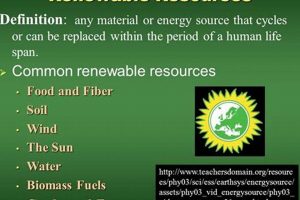
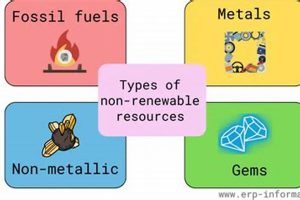
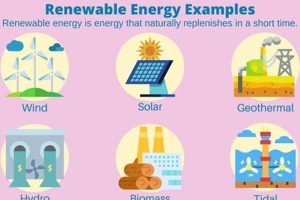
The proportion of California’s electricity derived from sources like solar, wind, and geothermal represents a significant indicator of the state’s commitment to sustainable energy practices. It reflects the degree to which the power grid relies on resources that replenish naturally, rather than finite fossil fuels. Tracking this metric provides insight into the state’s progress toward its environmental goals and its ability to reduce greenhouse gas emissions associated with electricity generation.
Increased reliance on these power sources offers several benefits, including reduced air pollution, decreased dependence on fossil fuels, and the creation of green jobs within the state. Historically, California has been a leader in renewable energy adoption, setting ambitious targets and implementing policies to encourage the development and integration of these resources into its energy mix. This leadership role positions the state as a model for other regions seeking to transition to cleaner energy sources.
Understanding the specific contributions of various renewable technologies, the policies driving their deployment, and the challenges associated with integrating intermittent sources into the grid are essential for a comprehensive assessment of California’s energy landscape. Ongoing advancements and continued investment in infrastructure are crucial for further increasing the share of power derived from these environmentally friendly options.
Understanding California’s Renewable Energy Mix
Gaining a comprehensive understanding of California’s renewable energy contributions requires careful attention to several key factors. The following tips offer insights into interpreting data and evaluating progress toward a cleaner energy future.
Tip 1: Analyze Official Data Sources: Refer to reports from the California Energy Commission (CEC) and the California Independent System Operator (CAISO) for the most accurate and up-to-date figures. These organizations provide detailed statistics on electricity generation by source.
Tip 2: Differentiate Between Renewable Portfolio Standard (RPS) Eligibility and Total Generation: The RPS mandates that utilities source a certain amount of electricity from eligible renewable resources. However, total electrical generation may include sources beyond those that qualify under the RPS.
Tip 3: Consider the Impact of Hydroelectric Power: While often included in discussions of renewable energy, large hydroelectric dams may have environmental impacts. Analyze data to understand how hydroelectric power contributes to the overall figure and its potential drawbacks.
Tip 4: Evaluate Intermittency and Grid Integration Challenges: Solar and wind power are intermittent sources. Understand the challenges associated with integrating these resources into the grid, including the need for energy storage solutions and transmission infrastructure upgrades.
Tip 5: Examine the Contribution of Different Renewable Technologies: Solar, wind, geothermal, and biomass each contribute differently. Analyze the breakdown of generation by technology to identify areas of strength and potential for growth.
Tip 6: Understand the Role of Energy Storage: Battery storage and other energy storage technologies are becoming increasingly important for integrating intermittent renewables. Evaluate the growth of storage capacity and its impact on grid reliability.
Tip 7: Track Policy Changes and Their Impact: Changes in state and federal policies can significantly affect the deployment of renewable energy. Monitor policy developments and their potential consequences for the energy mix.
By carefully considering these factors, stakeholders can gain a more nuanced understanding of California’s progress toward a cleaner energy future and identify areas where further advancements are needed.
Analyzing these elements is essential for informed decision-making related to energy policy and infrastructure investments in California.
1. Policy Mandates (Noun)

Policy mandates serve as the primary driver influencing the proportion of power derived from renewable sources within California’s energy mix. These directives establish legally binding requirements for utilities and other energy providers, compelling them to procure a specific percentage of their electricity from designated renewable resources. These mandates create a structured pathway toward a cleaner energy future.
- Renewable Portfolio Standard (RPS)
The RPS is the cornerstone of California’s renewable energy policy. It requires utilities to increase their procurement of eligible renewable resources over time, reaching specific percentage targets. This mechanism directly increases demand for renewable energy, stimulating investment and development in solar, wind, geothermal, and other qualifying technologies. The RPS is a statutory requirement; therefore, noncompliance can result in financial penalties.
- Carbon Emission Reduction Targets
Beyond the RPS, California has established ambitious goals for reducing greenhouse gas emissions. These broader climate goals indirectly support increased reliance on renewable energy sources. Because electricity generation is a significant source of emissions, transitioning to renewable power is essential for meeting these targets. Policy mechanisms, such as carbon pricing, create economic incentives to reduce emissions and further accelerate renewable energy adoption.
- Net Energy Metering (NEM)
NEM policies incentivize small-scale renewable energy generation, primarily solar, at residential and commercial properties. NEM allows customers who generate their own electricity to receive credit on their utility bills for excess power sent back to the grid. This effectively lowers the cost of renewable energy for individual consumers, encouraging its adoption and contributing to the overall renewable energy generation in the state.
- Permitting and Regulatory Streamlining
The complexity and duration of permitting processes can significantly impact the deployment of renewable energy projects. Policies aimed at streamlining permitting and reducing regulatory barriers can accelerate the development of these projects. These policy shifts often involve standardizing application procedures, establishing clear timelines for reviews, and coordinating approvals across multiple agencies. Quicker project deployment translates directly into more renewable energy feeding the grid.
The collective effect of these policy mandates is a sustained upward pressure on the portion of electricity generated from renewable resources within California. These regulations establish clear targets and incentives, driving investment, innovation, and ultimately a cleaner energy future. Ongoing policy refinements and adaptations are crucial to ensure continued progress toward achieving California’s long-term sustainability goals.
2. Solar contribution (Noun)

The solar contribution represents a significant and growing component of the total power generated from renewable sources within California. As a noun, “solar contribution” signifies the amount of electrical energy produced by photovoltaic (PV) systems and concentrated solar power (CSP) plants, expressed as a percentage of the overall energy mix. Increased solar contribution directly elevates the proportion of electricity derived from renewable sources, thereby reducing dependence on fossil fuels and lowering greenhouse gas emissions.
California’s favorable solar irradiance levels, coupled with supportive policies like the Renewable Portfolio Standard (RPS) and net energy metering (NEM), have fostered substantial growth in solar energy capacity. Large-scale solar farms, rooftop solar installations on residential and commercial buildings, and community solar projects collectively contribute to the “solar contribution.” For example, projects like the Ivanpah Solar Electric Generating System and numerous utility-scale PV plants in the Mojave Desert significantly increase the amount of solar-generated electricity available to the grid. The expansion of distributed generation through NEM further augments this contribution by allowing homeowners and businesses to generate their own power and reduce overall demand on the grid. The practical significance of a growing solar contribution lies in its capacity to displace fossil fuel-based generation, thereby mitigating air pollution and reducing the state’s carbon footprint.
In summary, the “solar contribution” plays a critical role in determining the proportion of California’s energy derived from renewable resources. Driven by policy support, technological advancements, and the state’s natural resources, solar energy continues to expand its presence within the California energy mix. Overcoming challenges related to intermittency and grid integration remains essential to maximizing the benefits of solar and achieving California’s long-term sustainability objectives.
3. Wind variability (Noun)

Wind variability, as a noun, signifies the fluctuating nature of wind energy generation over various timescales, ranging from seconds to seasons. This inherent characteristic directly influences the reliability and predictability of wind power as a component of the California electrical grid. The extent of wind variability dictates the degree to which wind energy can consistently contribute to fulfilling the state’s energy demands and, consequently, affects the overall percentage of electricity derived from renewable resources. Periods of high wind speeds result in substantial energy production, while periods of low wind speeds lead to decreased output, necessitating compensatory measures to maintain grid stability. An example of this influence can be seen in the Tehachapi Pass wind farms, which, while capable of generating significant power, experience fluctuations dependent on atmospheric conditions.
The integration of wind energy into the grid requires sophisticated forecasting techniques to anticipate variability and proactive strategies to mitigate its impact. Energy storage solutions, such as battery storage systems, are increasingly employed to store excess wind energy generated during periods of high production and release it during periods of low production. Enhanced transmission infrastructure facilitates the movement of wind energy from areas with abundant resources to areas with higher demand, thus minimizing the effects of localized variability. Furthermore, diversifying renewable energy sources, such as combining wind with solar and geothermal, helps to smooth out overall renewable energy production, as the variability patterns of different resources often complement each other. The California Independent System Operator (CAISO) actively manages these complexities through real-time grid balancing and resource dispatch.
In conclusion, wind variability presents a significant challenge to increasing the proportion of California’s electricity derived from renewable resources. Overcoming this hurdle requires ongoing investment in advanced forecasting models, energy storage technologies, and grid infrastructure improvements. Accurately accounting for and addressing wind variability is essential for realizing the full potential of wind energy and achieving California’s ambitious renewable energy goals. Further research and innovation in this area are crucial for ensuring a reliable and sustainable energy future.
4. Hydro's role (Noun)
Hydropower’s contribution to California’s energy portfolio is a critical factor influencing the overall proportion of electricity derived from renewable sources. As a noun phrase, “Hydro’s role” encompasses the total amount of electrical power generated by hydroelectric dams and facilities within the state. This contribution has historically been significant, providing a relatively stable and dispatchable source of renewable energy. Fluctuations in this contribution, however, directly affect the percentage of California’s energy originating from renewable resources.
California’s extensive network of dams, including major facilities like the Hoover Dam (while not solely serving California, it contributes) and those within the State Water Project, has long been a key component of the state’s power supply. However, the contribution from hydroelectric sources is heavily dependent on hydrological conditions, particularly snowpack levels in the Sierra Nevada mountains. Drought conditions significantly reduce water availability, leading to decreased hydropower generation and a corresponding decline in the overall share of renewable energy. Conversely, years with abundant rainfall and snowmelt can result in increased hydropower output and a larger contribution to the renewable energy percentage. For instance, during prolonged droughts, the diminished hydroelectric generation necessitates increased reliance on other, often less environmentally friendly, energy sources to meet demand, thereby reducing the overall proportion of renewable energy.
The intricate link between “Hydro’s role” and the percentage of renewable energy in California underscores the challenges associated with relying on a water-dependent resource in an era of climate change. Diversifying renewable energy sources, investing in water conservation technologies, and improving water management practices are crucial strategies for mitigating the impact of hydrological variability and ensuring a stable and sustainable energy future for California. Addressing climate-related threats to hydropower is vital for maintaining a reliable and environmentally responsible energy supply.
5. Geothermal capacity (Noun)

Geothermal capacity directly influences the proportion of California’s energy derived from renewable sources. It represents the total installed capacity of geothermal power plants within the state, signifying the potential electrical output from this consistent and reliable renewable resource.
- Baseload Power Provision
Geothermal power plants provide a consistent, baseload source of electricity, operating continuously around the clock. Unlike solar and wind, geothermal energy is not subject to daily or seasonal variations, offering a stable and predictable energy supply. The consistent nature of geothermal capacity allows it to contribute reliably to meeting California’s energy demands, directly increasing the percentage of electricity derived from renewable sources. The Geysers geothermal field, for example, provides a substantial baseload contribution to the California grid.
- Resource Availability and Development
California possesses significant geothermal resources, primarily located in the Geysers area and the Imperial Valley. The extent to which these resources are developed directly determines the state’s overall geothermal capacity. Investment in exploration, drilling, and power plant construction is crucial for expanding this capacity and enhancing the contribution of geothermal energy to the renewable energy mix. Regulatory policies that encourage or impede geothermal development significantly influence the growth of geothermal capacity.
- Environmental Considerations
While geothermal energy is a renewable resource, its development and operation can have environmental impacts, including land use, air emissions (primarily hydrogen sulfide), and water usage. Mitigating these impacts through advanced technologies and best management practices is essential for ensuring the sustainable utilization of geothermal resources. Public perception and regulatory requirements related to environmental concerns can influence the pace and scale of geothermal development, thereby affecting geothermal capacity and its contribution to the renewable energy percentage.
- Enhanced Geothermal Systems (EGS)
EGS technology holds the potential to significantly expand geothermal resources beyond areas with naturally occurring hydrothermal systems. EGS involves creating artificial fractures in hot, dry rocks deep underground to allow water to circulate and extract heat. Successful implementation of EGS could substantially increase California’s geothermal capacity and boost the renewable energy percentage. However, the development of EGS faces technical and economic challenges, and its large-scale deployment remains uncertain.
The installed geothermal capacity is a crucial metric in evaluating California’s progress toward its renewable energy goals. Sustained investment, technological advancements, and responsible environmental stewardship are essential for maximizing the potential of geothermal energy to contribute to a cleaner and more sustainable energy future. The interplay of resource availability, policy support, and technological innovation will ultimately determine the extent to which geothermal capacity can elevate California’s percentage of energy from renewable resources.
6. Biomass influence (Noun)

Biomass influence represents the impact of biomass-derived electricity generation on the overall proportion of California’s energy sourced from renewable resources. Its significance stems from biomass’s potential to utilize waste materials and contribute to both energy production and waste management objectives. The degree of biomass influence varies based on factors such as feedstock availability, technology deployment, and environmental regulations.
- Waste Diversion and Energy Generation
Biomass energy production diverts organic waste materials, such as agricultural residues, forest thinnings, and urban wood waste, from landfills. This diversion reduces methane emissions associated with landfill decomposition and simultaneously generates electricity. The extent of this waste diversion and subsequent energy generation directly increases the percentage of California’s electricity derived from renewable sources. For instance, biomass power plants using agricultural waste from the Central Valley contribute to both waste management and renewable energy targets.
- Feedstock Sustainability and Availability
The long-term sustainability of biomass energy depends on the availability of sustainable feedstocks. Unsustainable harvesting practices can lead to deforestation, soil degradation, and increased greenhouse gas emissions, undermining the benefits of biomass energy. The California Air Resources Board (CARB) has implemented regulations to ensure that biomass feedstocks are sourced sustainably. The availability of such feedstocks directly impacts the degree to which biomass can contribute to the renewable energy percentage.
- Air Emission Considerations
Biomass combustion can produce air pollutants, including particulate matter and nitrogen oxides. Advanced combustion technologies and emission control systems are essential for mitigating these emissions. Stricter air quality regulations can limit the operation or expansion of biomass power plants, thereby affecting their influence on the renewable energy percentage. The adoption of advanced gasification technologies offers a pathway to cleaner biomass energy production.
- Competition with Other Renewable Technologies
Biomass energy competes with other renewable technologies, such as solar and wind, for investment and policy support. The relative cost-effectiveness and environmental performance of biomass energy compared to these alternatives influence its competitiveness in the renewable energy market. Policy decisions that favor certain renewable technologies over others can impact the biomass influence on California’s energy mix. For example, aggressive deployment of solar energy may reduce the relative contribution of biomass.
In summary, biomass influence on California’s renewable energy portfolio is contingent upon balancing waste management benefits with sustainability concerns and environmental impacts. The extent to which biomass can contribute to the overall renewable energy percentage depends on responsible feedstock management, technological advancements in emission control, and strategic policy decisions that integrate biomass into a diversified renewable energy strategy.
7. Storage solutions (Noun)
Storage solutions play a critical role in enabling the integration of intermittent renewable energy sources, such as solar and wind, into California’s electrical grid. These solutions mitigate the variability inherent in these resources, thereby enhancing their reliability and, consequently, increasing the percentage of the state’s energy derived from renewable sources.
- Grid Reliability Enhancement
Energy storage systems, particularly battery storage, enhance grid reliability by providing a buffer against fluctuations in renewable energy supply. By storing excess energy generated during peak production periods and releasing it during periods of low production, storage solutions ensure a more stable and consistent power supply. This capability is vital for maintaining grid stability and preventing disruptions, particularly as the proportion of intermittent renewables increases. For example, the Moss Landing Energy Storage Facility helps stabilize the California grid by providing rapid response to fluctuations in solar and wind power generation.
- Peak Shaving and Load Balancing
Storage solutions enable peak shaving, which involves reducing peak electricity demand by discharging stored energy during periods of high demand. This reduces the strain on the grid and minimizes the need for peaker plants, which are often powered by fossil fuels. Load balancing is another crucial function, where storage systems modulate the flow of electricity to match supply with demand, optimizing grid efficiency and reducing energy waste. The deployment of residential and commercial battery systems for peak shaving contributes to a more balanced grid load, thereby reducing the overall carbon footprint of electricity generation.
- Ancillary Services Provision
Energy storage systems can provide ancillary services to the grid, such as frequency regulation and voltage support. These services are essential for maintaining grid stability and reliability. By responding rapidly to changes in frequency or voltage, storage solutions help prevent grid disturbances and ensure the smooth operation of the electrical system. The ability of storage systems to provide these ancillary services increases the value of renewable energy resources and facilitates their integration into the grid. Participation of storage assets in CAISO’s ancillary services markets provides revenue streams for operators and contributes to grid stability.
- Deferral of Infrastructure Upgrades
Strategically deployed storage solutions can defer the need for costly infrastructure upgrades, such as transmission line expansions. By providing localized energy storage capacity, these systems can alleviate congestion on transmission lines and reduce the need for new infrastructure. This deferral not only saves costs but also minimizes environmental impacts associated with construction activities. For example, distributed storage projects in areas with limited transmission capacity can help meet local energy needs and avoid the need for new transmission lines.
In conclusion, storage solutions are indispensable for maximizing the contribution of renewable energy to California’s energy mix. By enhancing grid reliability, enabling peak shaving, providing ancillary services, and deferring infrastructure upgrades, these solutions address the challenges associated with intermittent renewable resources and pave the way for a cleaner and more sustainable energy future. Ongoing advancements in storage technologies and strategic policy support are essential for realizing the full potential of storage solutions in California.
Frequently Asked Questions
The following questions and answers address common inquiries regarding California’s progress in sourcing electricity from renewable resources. These are intended to provide clarity and understanding.
Question 1: What constitutes a renewable energy source in California’s context?
California defines renewable energy sources as those that naturally replenish over a human timescale. These include solar, wind, geothermal, small hydroelectric (30 MW or less), biomass, and biogas. The California Energy Commission (CEC) provides detailed eligibility criteria.
Question 2: Is there a specific target for renewable energy in California?
Yes. California’s Renewable Portfolio Standard (RPS) mandates that utilities procure an increasing percentage of their electricity from eligible renewable sources. The current target is 100% clean electricity by 2045. Interim targets exist to ensure progress towards this goal.
Question 3: How is the percentage of renewable energy calculated?
The percentage is calculated by dividing the total amount of electricity generated from eligible renewable resources by the total amount of electricity supplied to consumers by utilities and other load-serving entities. Data is tracked and reported by the California Energy Commission (CEC) and the California Independent System Operator (CAISO).
Question 4: What are the primary challenges in achieving higher renewable energy percentages?
Challenges include the intermittency of solar and wind power, the need for energy storage solutions, the development of transmission infrastructure to transport renewable energy from remote areas to population centers, and the integration of renewable resources into the existing grid system.
Question 5: Does California import renewable energy from other states?
Yes, California imports renewable energy from other states, particularly from wind and solar projects located in the Southwest. These imports contribute to meeting the state’s RPS requirements.
Question 6: What role does energy storage play in California’s renewable energy future?
Energy storage, particularly battery storage, is crucial for integrating intermittent renewable resources. Storage systems capture excess renewable energy during periods of high production and release it during periods of low production, enhancing grid reliability and stability. Investment in energy storage is essential for achieving California’s long-term renewable energy goals.
In summary, California is committed to increasing the proportion of electricity derived from renewable resources. Achieving this goal requires addressing challenges related to intermittency, infrastructure, and grid integration, with energy storage playing a pivotal role.
Next Section: Exploring future trends in California’s renewable energy landscape.
Assessing California’s Renewable Energy Trajectory
The analysis of what proportion of California’s energy is derived from renewable resources reveals a multifaceted landscape shaped by policy mandates, technological advancements, and environmental considerations. The contributions from solar, wind, geothermal, hydroelectric, and biomass sources collectively determine the state’s progress toward its ambitious clean energy goals. Successfully integrating these diverse resources requires addressing inherent challenges such as intermittency, grid infrastructure limitations, and feedstock sustainability.
Sustained investment in energy storage solutions, coupled with strategic policy adjustments and ongoing technological innovation, remains crucial for achieving a truly sustainable energy future for California. Rigorous monitoring of renewable energy deployment, alongside diligent assessment of environmental and economic impacts, is essential for ensuring long-term success and facilitating a reliable, decarbonized electricity grid. The continued pursuit of these objectives will determine the extent to which California can serve as a model for other regions striving to transition to cleaner energy sources.
![Guide to What Energy Resources Are Renewable [+Future] | Renewable Energy Solutions for a Sustainable Future | Clean & Green Power](https://pplrenewableenergy.com/wp-content/uploads/2026/03/th-516-300x200.jpg "Guide to What Energy Resources Are Renewable [+Future] Renewable Energy Solutions for a Sustainable Future | Clean & Green Power")